The morning after a washing machine hose split in a Greenacres townhome, the tile is mopped, the towels are in the dryer, and the hallway wall looks fine. Three days later a faint tan line appears on that wall, well above where the water ever stood, and the paint along the baseboard starts to blister.
That line raises the main question after any water loss: can this wet drywall be dried where it is, or does it have to come out? The answer depends on what kind of water it was, how long the wall stayed wet, what shape the board is in, and what is behind it. This article walks through each factor, explains the flood cut, and shows why moisture readings, not touch, decide when a wall is dry.
How drywall pulls water up the wall
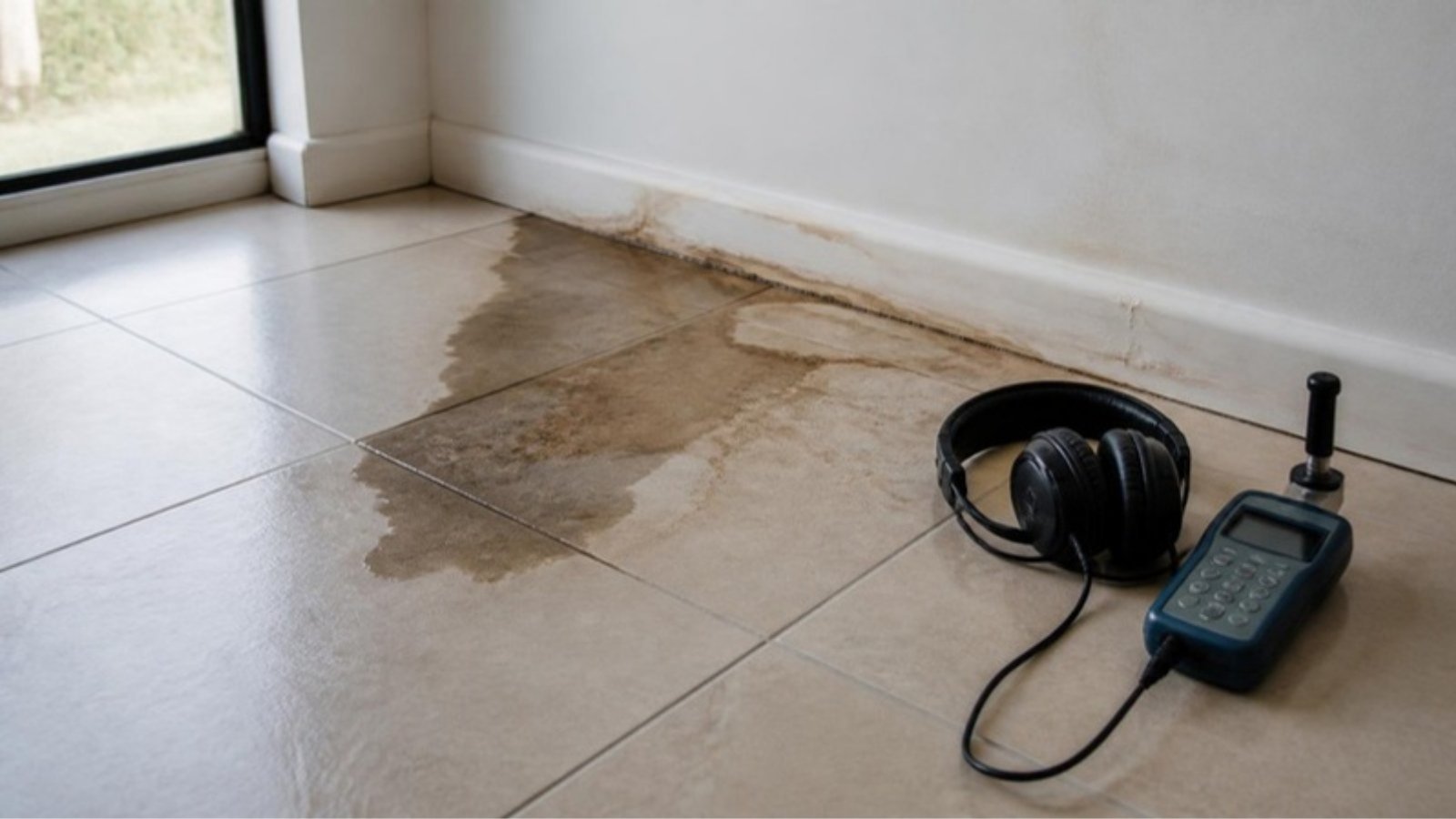
Drywall is a core of gypsum between two sheets of paper, and both soak up water readily. When the bottom edge sits in water, even briefly, the board wicks it upward the way a paper towel does, and the water keeps climbing after the floor has been mopped. The waterline on the floor says little about how high the wall got wet.
The side you cannot see usually holds the most water. The back of the board faces a closed cavity with almost no airflow, and the wood bottom plate it sits on soaks up water too. A wall can feel dry on the room side while the back of the drywall and the framing stay wet for days. Water also travels sideways, through stud cavities and under cabinets, into rooms that never had standing water.
The type of water comes first
The IICRC, the organization that sets the industry’s restoration standards, sorts water into three categories. The category often settles the drywall question before anyone takes a reading.
- Category 1, clean water. A broken supply line, a leaking water heater, or an overflowing sink. Drywall wet with clean water and caught quickly is the best candidate for drying in place.
- Category 2, gray water. Water with some contamination, such as washing machine or dishwasher discharge, or a toilet overflow with urine but no feces. Drying may still work, with cleaning and antimicrobial treatment, if the wall is caught early.
- Category 3, contaminated water. Sewage, a toilet overflow with feces, and floodwater coming in from outside. Porous materials such as drywall and insulation soaked with Category 3 water are generally removed and discarded, not dried.
The category can also get worse with time. Clean water that sits for days in a warm house, or picks up contaminants from the materials it runs through, can degrade into Category 2 or 3. Our article on the three categories of water damage explains each one.
Other factors that decide whether wet drywall can be saved
How long it stayed wet
Mold can begin growing on damp materials within 24 to 48 hours, and the paper face of drywall is an easy food source. A wall that was wet for a few hours and dried quickly is a different case from one that sat wet behind a dripping supply line for weeks. The longer the delay, the more likely the board is coming out.
Soft, swollen, crumbling, or sagging
Press the wall near the floor. Drywall that feels soft, has swollen along the bottom edge, crumbles, or has lost its paper face has lost its strength, and it will not recover when it dries. Ceilings are the strictest case. Wet ceiling drywall is heavy, and a sagging section can come down without warning, so it is taken down in a controlled way rather than dried and hoped for.
What is behind it
Exterior walls usually have insulation behind the drywall, and wet insulation holds water against the back of the board and the framing. Interior walls are often empty cavities that dry faster once air can reach them.
The finish on the room side matters too. Vinyl wallpaper and many layers of old paint act like a moisture barrier, so the board cannot dry out through its face. Water stays trapped in the gypsum, and growth can develop behind the wallpaper where nobody sees it.
Visible mold
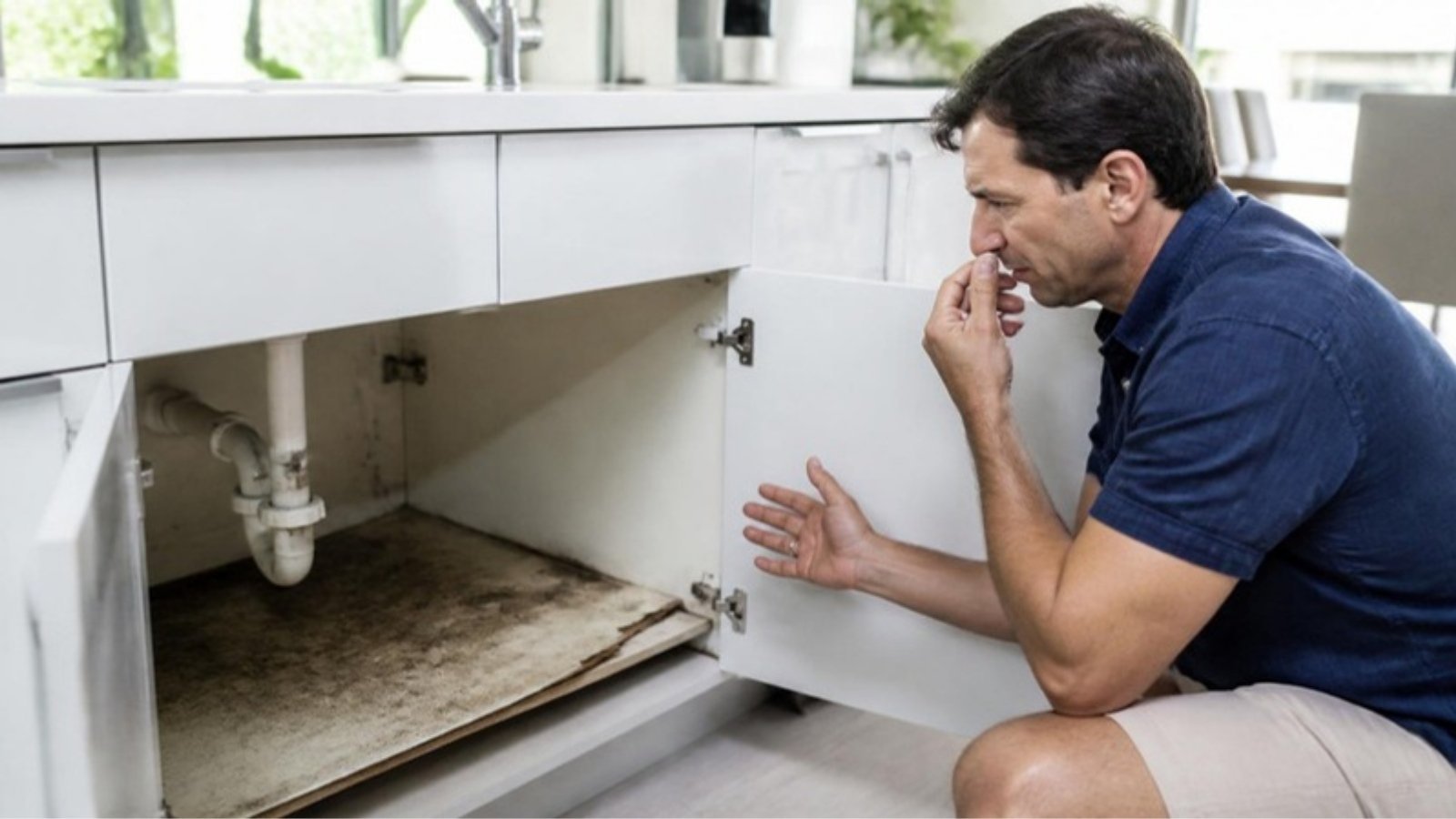
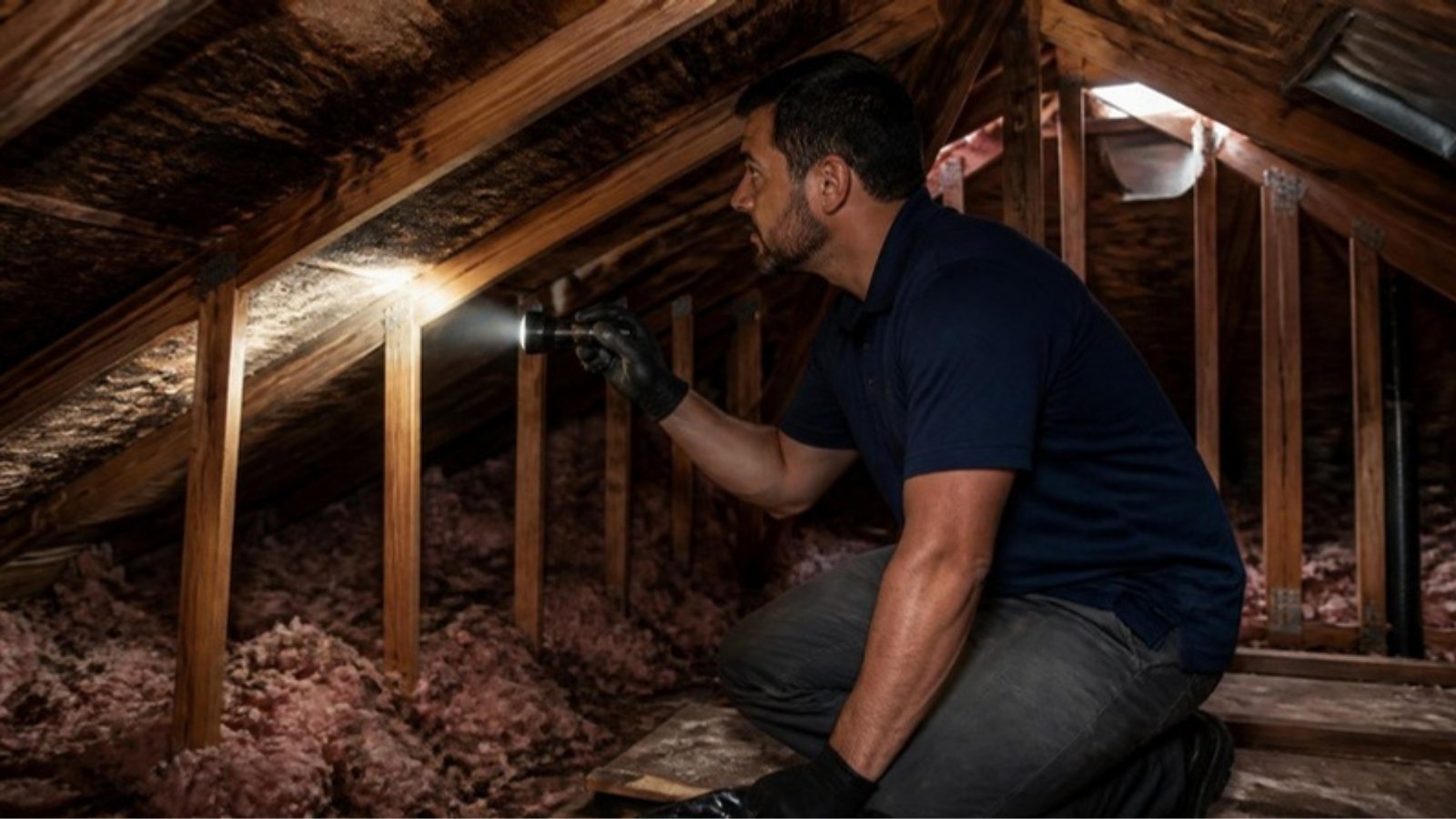
Mold on the surface, or on the back of the board once the baseboard comes off, generally means that section is removed under containment, not cleaned and dried. Drywall paper is porous, and growth that has taken hold in it does not scrub out.
Why “it feels dry” is not proof
The surface of drywall dries first. A wall can be dry to the touch, with paint that looks fine, while the core and the back of the board still hold enough water to grow mold. Touch, smell, and appearance are not measurements.
We rely on two tools together:
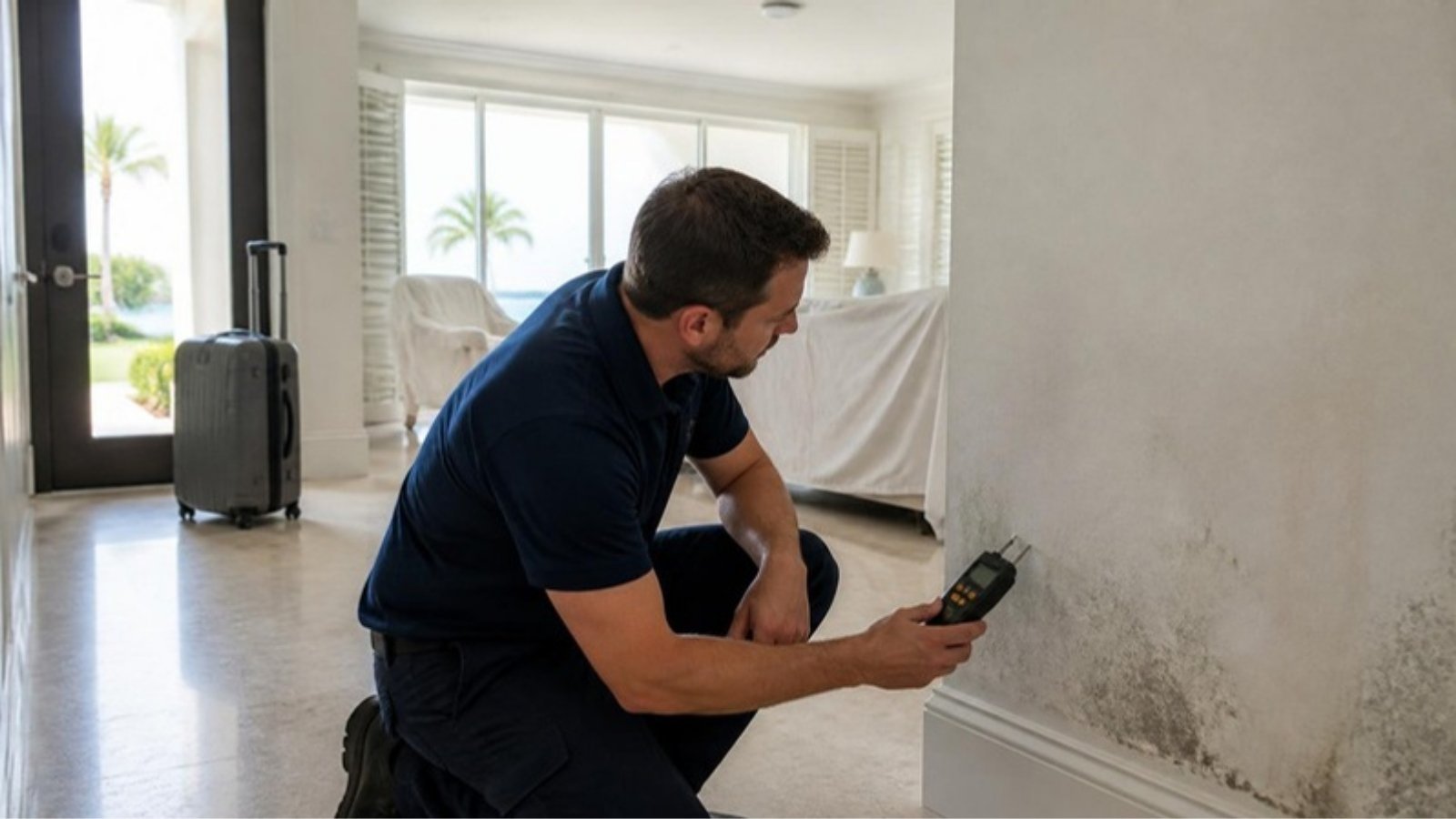
- Moisture meters. Pin meters measure moisture between two probes pushed into the material. Pinless meters read through the surface without leaving holes. Readings are compared against the same material in a dry, unaffected part of the house, which sets the drying target for that job.
- Thermal imaging cameras. Wet materials usually read cooler than dry ones as water evaporates, so a thermal camera shows the likely outline of the wet area across a whole wall. It does not measure moisture, so every suspicious spot gets confirmed with a meter.
Readings taken at several heights up the wall show how far the water wicked, and that map decides where drywall gets cut. Our article on the science of moisture mapping goes into more detail.
Flood cuts: opening the wall so the cavity can dry
When the lower part of a wall is wet and the upper part is not, the common approach is a flood cut. A horizontal strip of drywall is removed along the bottom of the wall, a little above the highest wet reading, so the cavity is open to air. The baseboards come off first, and any wet insulation comes out. Air movers and dehumidifiers can then dry the studs, the bottom plate, and the back of the remaining drywall directly.
There is no single correct height for a flood cut. It depends on how far the moisture wicked, the water category, and practical details like where new drywall will join the old. A cut made at a fixed height without readings can leave wet drywall above the line, or take out good drywall that never needed to go.
A full flood cut is not always necessary. When the drywall is solid, the water was clean, and drying starts quickly, technicians may remove the baseboard, drill small holes in the drywall behind it, and push dry air into the cavity. The holes are covered once the baseboard goes back on.
Why painting over a water stain does not work
A water stain is the visible edge of a problem. Paint over it before the wall is dry and a few things happen:
- The stain bleeds back. Water stains often show through ordinary paint, which is why painters reach for a stain-blocking primer.
- Primer hides the mark, not the water. A fresh paint film over a damp wall slows drying even more.
- Mold keeps growing on the back of the board, out of sight until the smell shows up or the paint blisters again.
- The evidence disappears. A painted-over stain with wet drywall behind it is harder to explain to an insurer or a buyer than a documented repair.
We explain how mold returns after a repair that looked finished in Why Mold Keeps Coming Back After Water Damage.
How Edwards Property Remediation dries or replaces wet drywall
Our IICRC-certified technicians decide each wall from the water category, the condition of the board, and the readings. A typical visit goes in this order:
- Confirm the source and the category. Once the water is stopped, we pin down where it came from and which category it is.
- Emergency water extraction. Standing water comes off floors, carpet, and pad so the walls stop wicking it up.
- Moisture mapping. Meters and thermal imaging show which walls are wet, how high, and how far into neighboring rooms.
- Documentation before removal. Each affected wall is photographed and its readings recorded before anything is cut out.
- Controlled removal. Drywall soaked with Category 3 water, board that is crumbling or sagging, moldy sections, and wet insulation come out. Flood cut heights are set by the readings, and areas with mold are contained first.
- Advanced structural drying. Air movers and dehumidifiers dry the cavities, the framing, and the drywall that stays. We log readings at the same marked spots on each visit and finish when materials match the dry standard for that house. Our article on living with structural drying equipment explains what to expect while it runs.
- Treatment and mold checks. Antimicrobial treatment is applied where the water category or the timeline calls for it. If growth turns up, the area goes through our mold remediation process under containment.
- Ready to close up. Once the readings confirm the structure is dry, your contractor can hang new drywall, tape, and paint without sealing moisture into the wall.
Document before anything is removed
Once drywall is in a dumpster, nobody can measure it. Before removal, wet areas should be photographed with readings visible, cut lines marked and measured, and the water source recorded, so an adjuster can see why each section came out. If your adjuster wants to see the damage first, ask how soon they can come, because a wall left wet too long can start growing mold. Coverage depends on your policy. Our guide to building an insurance-ready water damage file lists what to collect, and our insurance-ready documentation service explains what we provide.
Frequently asked questions
How high up the wall does water damage go?
Often higher than the waterline. Drywall wicks water upward, so moisture can reach well above the level where water stood on the floor. The only way to know how high is to take moisture meter readings at several heights, because the surface can look and feel dry where the board is still wet.
Can drywall be saved after it gets wet?
Sometimes. Drywall that got wet with clean water, is still firm, shows no mold, and starts drying quickly with proper equipment can often be dried in place. Drywall soaked by sewage or floodwater, or drywall that is soft, crumbling, sagging, or moldy, usually has to be removed.
How long does wet drywall take to dry?
It depends on how wet it is, what is behind it, the finish on its surface, and the drying equipment used. Household fans dry the surface and leave the core and the wall cavity wet. Professional drying is finished when moisture readings match unaffected materials in the same house, not after a set number of days.
Can I just paint over a water stain on drywall?
Not until the source is fixed and a moisture meter confirms the wall is dry. Paint over a damp wall traps moisture inside, the stain can bleed back through, and mold can keep growing on the back of the board.
Will insurance pay to replace wet drywall?
It depends on your policy and the cause of the water. Photograph the damage, keep the moisture readings, and contact your insurer before materials are thrown away, as long as that does not mean leaving the wall wet for days. Your agent or adjuster can tell you what your policy covers.
Wet walls after a leak or storm?
Edwards Property Remediation provides 24/7 emergency water damage response across Palm Beach County, including Greenacres, Lake Worth, West Palm Beach, Boca Raton, and Delray Beach. If a wall in your home or rental is stained, swollen, or still damp days after a leak, call (754) 221-6945, email info@eprllc.net, or book an appointment online.