
One of the most frustrating experiences for South Florida homeowners is dealing with mold that returns after water damage has supposedly been fixed. You clean the visible growth, dry the area, and assume the problem is solved. Only to find musty odors and new mold spots weeks or months later.
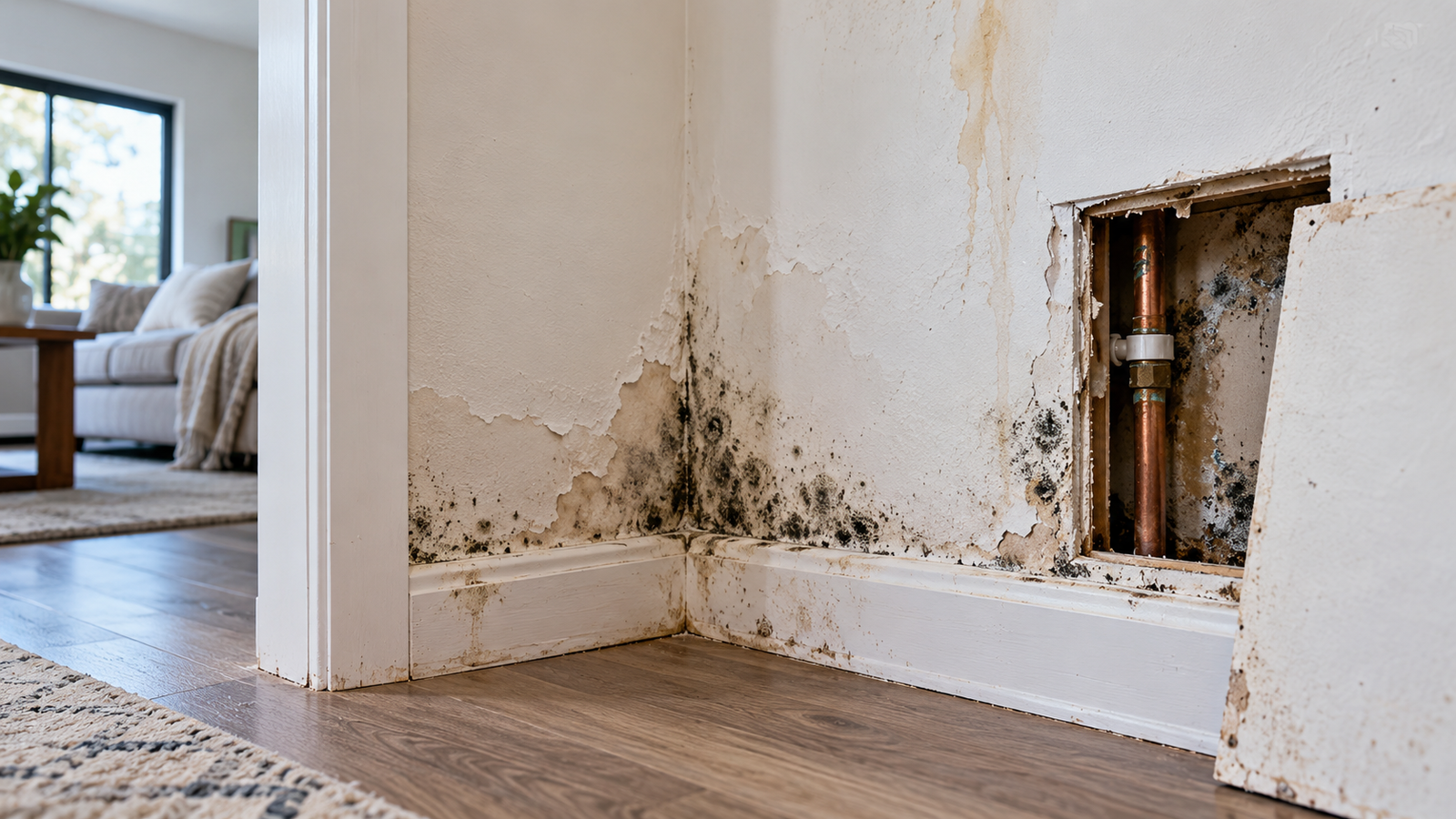
EPR (Environmental Pro Restoration) has handled thousands of water damage and mold cases across Broward, Palm Beach, and Miami-Dade counties. In the vast majority of recurring mold situations, the root cause is incomplete drying, missed moisture sources, or inadequate remediation. This article explains why mold keeps coming back and how professional restoration prevents it from returning.
The Real Reasons Mold Returns
Mold needs three things to grow: moisture, a food source (organic materials like drywall or wood), and suitable temperatures. In Florida’s humid climate, the moisture piece is the hardest to eliminate completely. Here are the most common reasons mold returns after water damage:
1. Incomplete Drying of Structural Materials
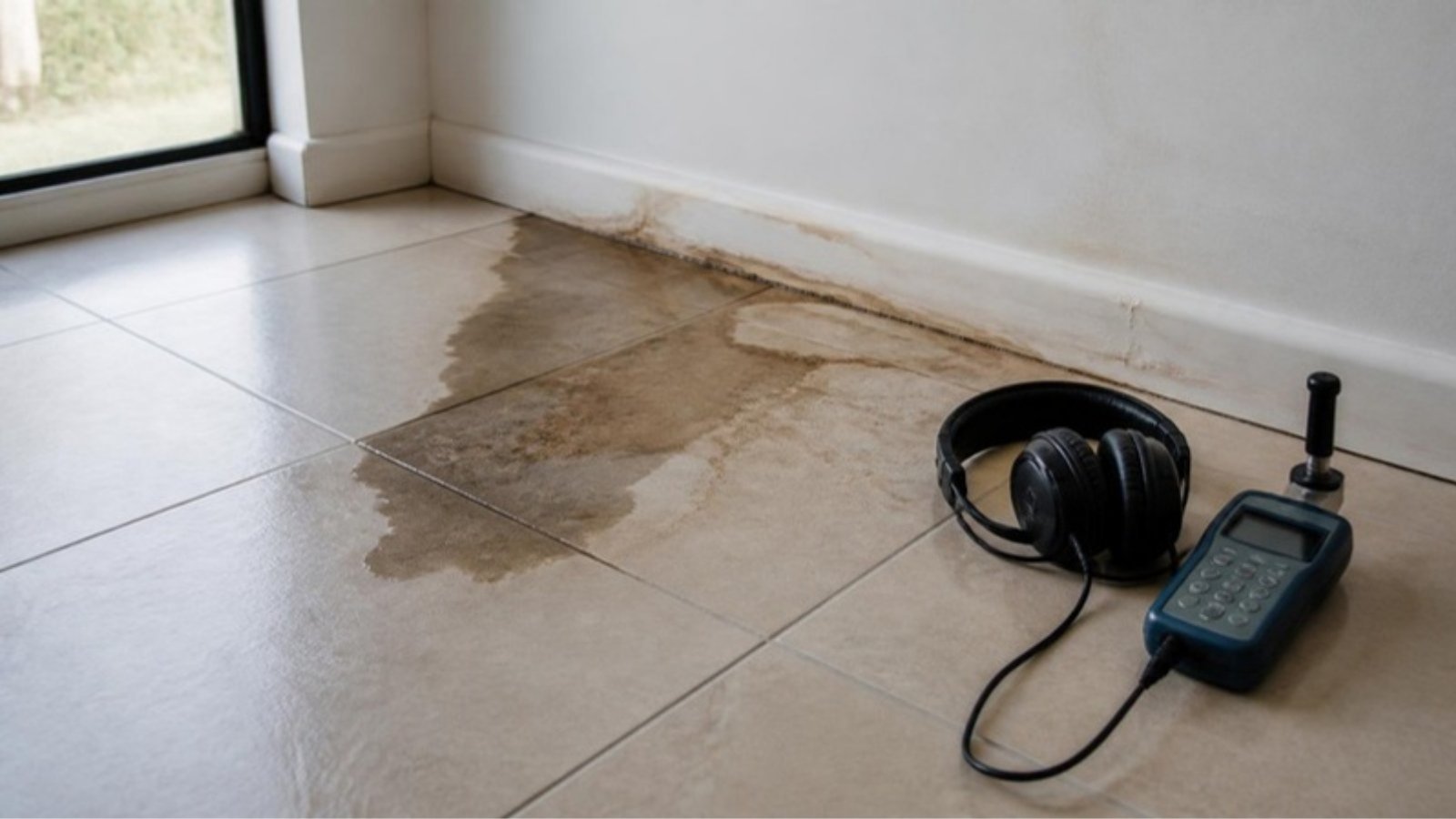
Surface drying is not enough. Water can remain trapped inside wall cavities, under flooring, in insulation, and within wood framing. When humidity rises or the air conditioner cycles, that residual moisture reactivates mold growth.
2. Hidden Moisture Sources That Were Never Found
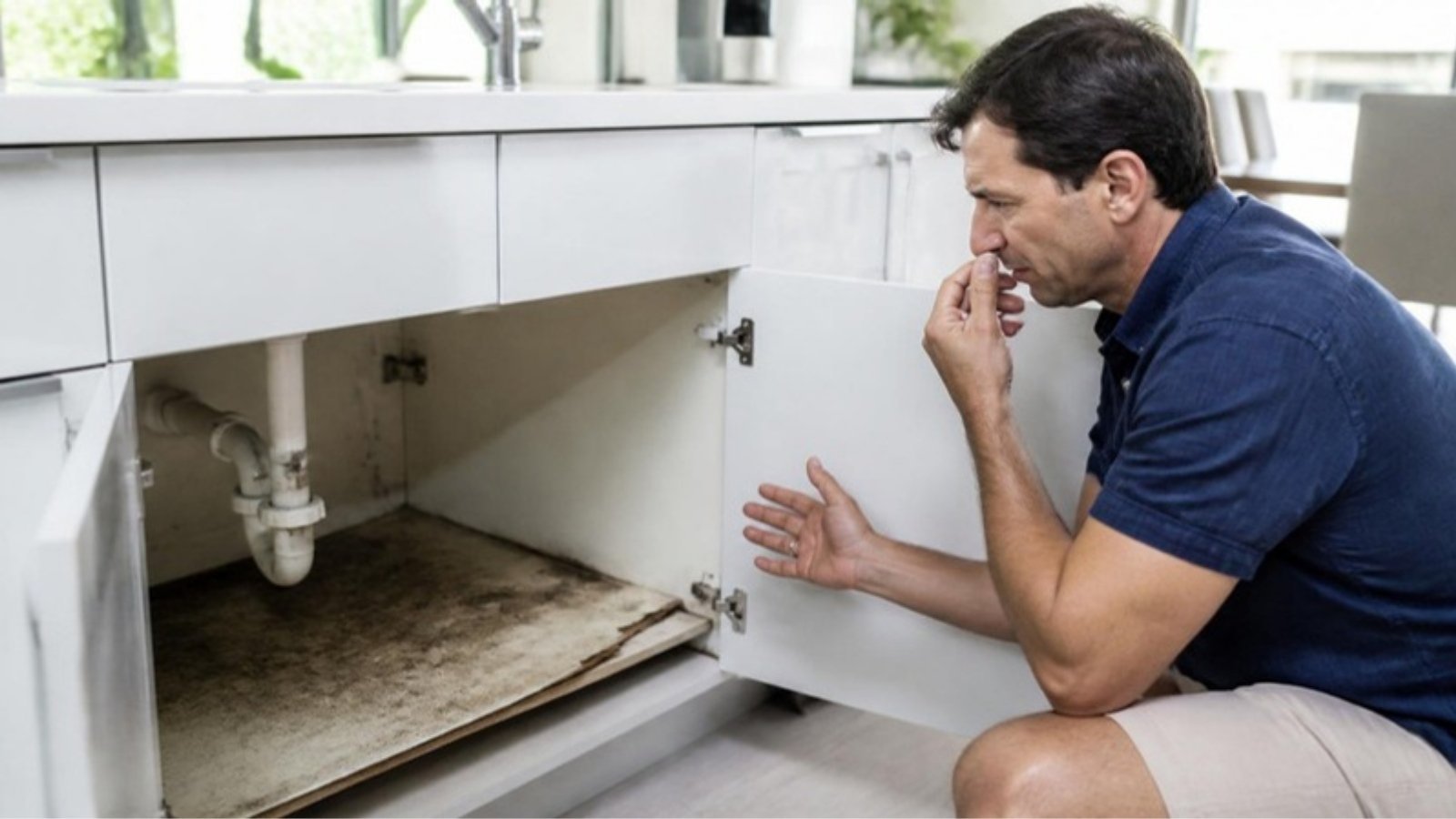
A single visible leak is often not the only problem. Secondary sources — slow plumbing leaks, roof intrusion, condensation inside walls, or HVAC drain issues — can continue feeding moisture long after the original event.
3. Inadequate Containment During Cleanup
If moldy materials are removed without proper containment and negative air pressure, spores spread to clean areas of the home. Those spores later find new moisture and start growing again.
4. Failure to Address the HVAC System
Your air conditioning system can distribute mold spores throughout the house. If ducts, coils, and air handlers are not properly cleaned and sanitized, the system becomes a continuous source of contamination.
5. Using the Wrong Cleaning Methods
Household bleach and surface cleaners often fail to kill mold at the root, especially on porous materials. The visible growth disappears temporarily, but the underlying colony remains active.
6. High Indoor Humidity That Never Gets Controlled
Even after materials are dried, indoor humidity above 55–60% creates conditions where mold can re-establish itself. Florida’s climate makes humidity control essential.
7. Insufficient Post-Remediation Verification
Without independent testing to confirm that moisture and spore levels have returned to normal, homeowners have no way to know whether the problem was truly resolved.
Why DIY and Incomplete Professional Jobs Lead to Recurrence
Many homeowners attempt to handle water damage themselves or hire general contractors who lack specialized restoration training. These approaches frequently miss critical steps:
- No professional moisture mapping
- Inadequate drying equipment and monitoring
- Incomplete removal of contaminated materials
- No antimicrobial treatment of remaining surfaces
- No HVAC sanitization
- No final verification testing
The result is a temporary improvement followed by returning mold and ongoing air quality issues.
How EPR Prevents Mold from Coming Back
EPR follows a comprehensive, science-based process designed to eliminate the conditions that allow mold to return:
1. Advanced Moisture Mapping
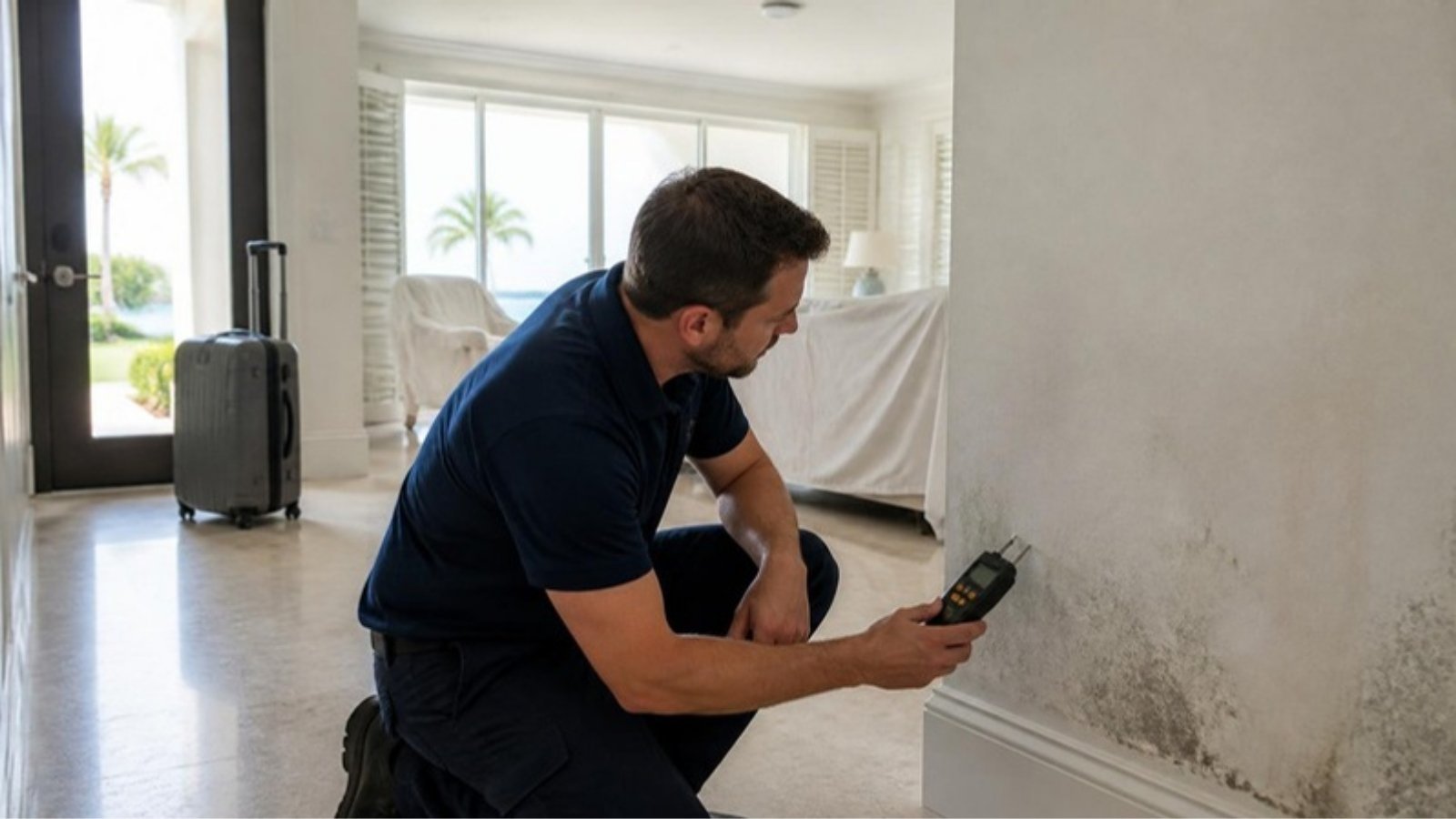
We use thermal imaging and professional moisture meters to locate all wet materials, including hidden areas behind walls and under floors.
2. Complete Water Removal and Controlled Drying
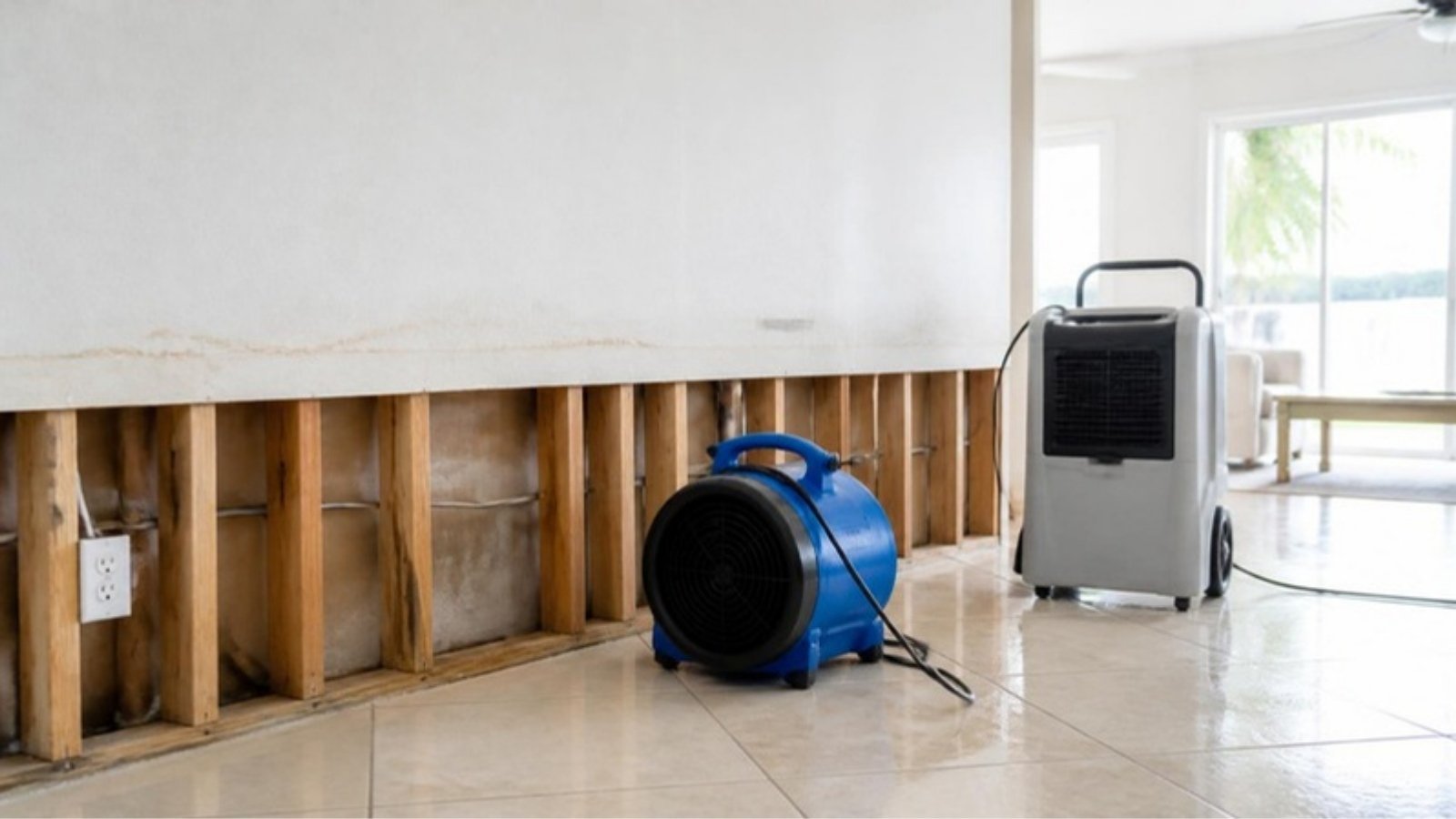
Industrial extractors, dehumidifiers, and air movers are used to bring structural materials down to safe, documented moisture levels.
3. Proper Containment and Safe Removal
Contaminated materials are removed under controlled conditions to prevent cross-contamination.
4. Thorough Antimicrobial Treatment
Remaining surfaces are treated with professional-grade solutions that address mold at the source.
5. HVAC System Cleaning and Sanitization
We clean and treat the air handling system so it no longer circulates spores.
6. Independent Post-Remediation Testing
Third-party verification confirms that moisture and microbial levels have returned to normal before we consider the job complete.
This methodical approach addresses the root causes rather than just the visible symptoms.
Real Results for South Florida Homeowners
Clients who previously experienced recurring mold often report lasting relief after EPR’s full process. One family in Boca Raton had mold return three times after different contractors worked on a water damage claim. After EPR completed thorough moisture mapping, structural drying, and HVAC sanitization with verification testing, the mold did not return.
These outcomes are typical when the underlying moisture and contamination are fully addressed.
Prevention Tips After Professional Remediation
To keep mold from returning:
- Maintain indoor humidity below 55%
- Address any new leaks immediately
- Change HVAC filters regularly
- Ensure proper ventilation in bathrooms and kitchens
- Schedule periodic professional inspections if your home has a history of water issues
EPR can provide customized maintenance recommendations based on your home’s specific conditions.
Frequently Asked Questions
Why did mold come back after I cleaned it myself?
Surface cleaning rarely removes moisture trapped inside materials or addresses spores that have spread to other areas. Professional drying and verification are usually required for lasting results.
How long does professional remediation take?
Most projects are completed in 5–14 days, depending on the extent of the damage and the size of the affected area.
Will my insurance cover the work needed to prevent recurrence?
Many policies cover water damage restoration and the resulting mold remediation when it stems from a covered event. EPR works directly with insurance companies and provides detailed documentation.
How can I be sure the mold is really gone?
Independent post-remediation testing provides laboratory confirmation that spore levels have returned to normal outdoor baseline ranges.
What makes EPR different from other companies?
We combine advanced moisture detection technology, IICRC-certified processes, HVAC sanitization, and independent verification testing to deliver complete, lasting solutions.
Stop the Cycle of Returning Mold
Mold that keeps coming back is almost always a sign that the original water damage was not fully resolved. Incomplete drying, hidden moisture, and untreated contamination create the perfect conditions for recurrence.
If you are dealing with returning mold or want to ensure a recent water damage event is properly resolved, professional assessment is the most effective next step.
Call +1 (754) 221-6945 or email info@eprllc.net today for 24/7 emergency response or a thorough evaluation.
Visit EPR LLC or connect with us on Facebook for real case studies and helpful resources.
Trust EPR to eliminate the conditions that allow mold to return and restore a healthy, dry home environment.
2 Responses