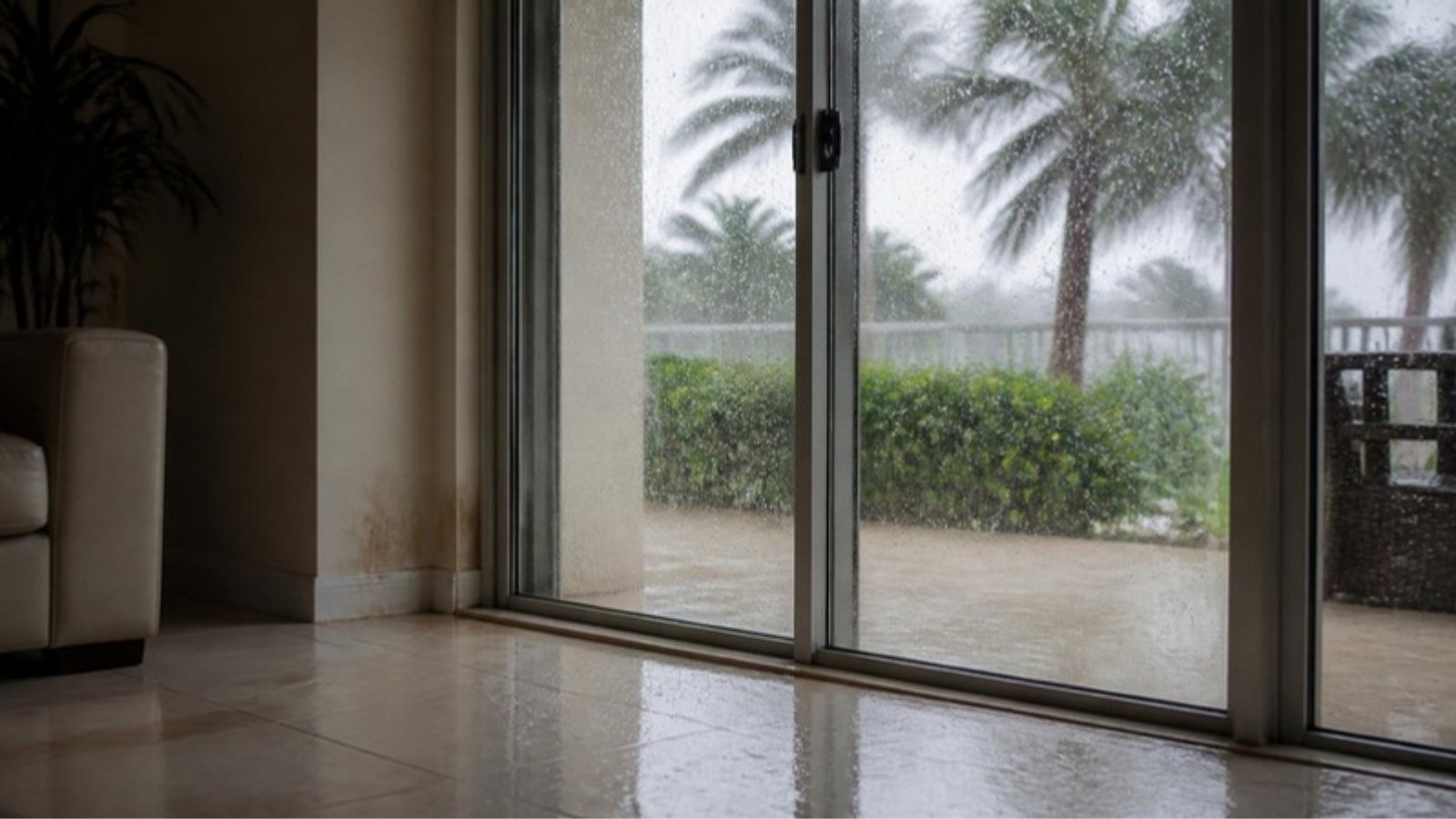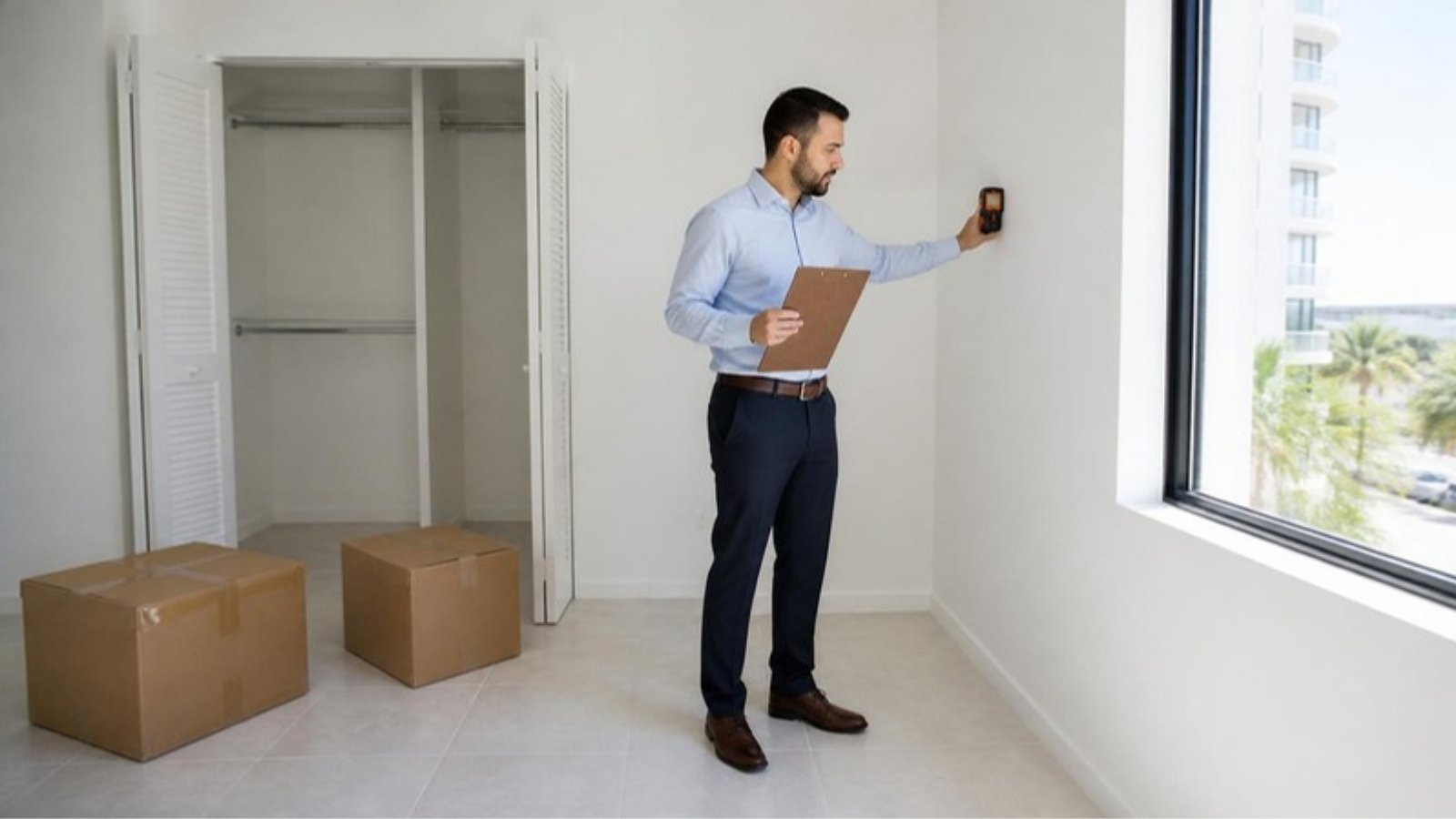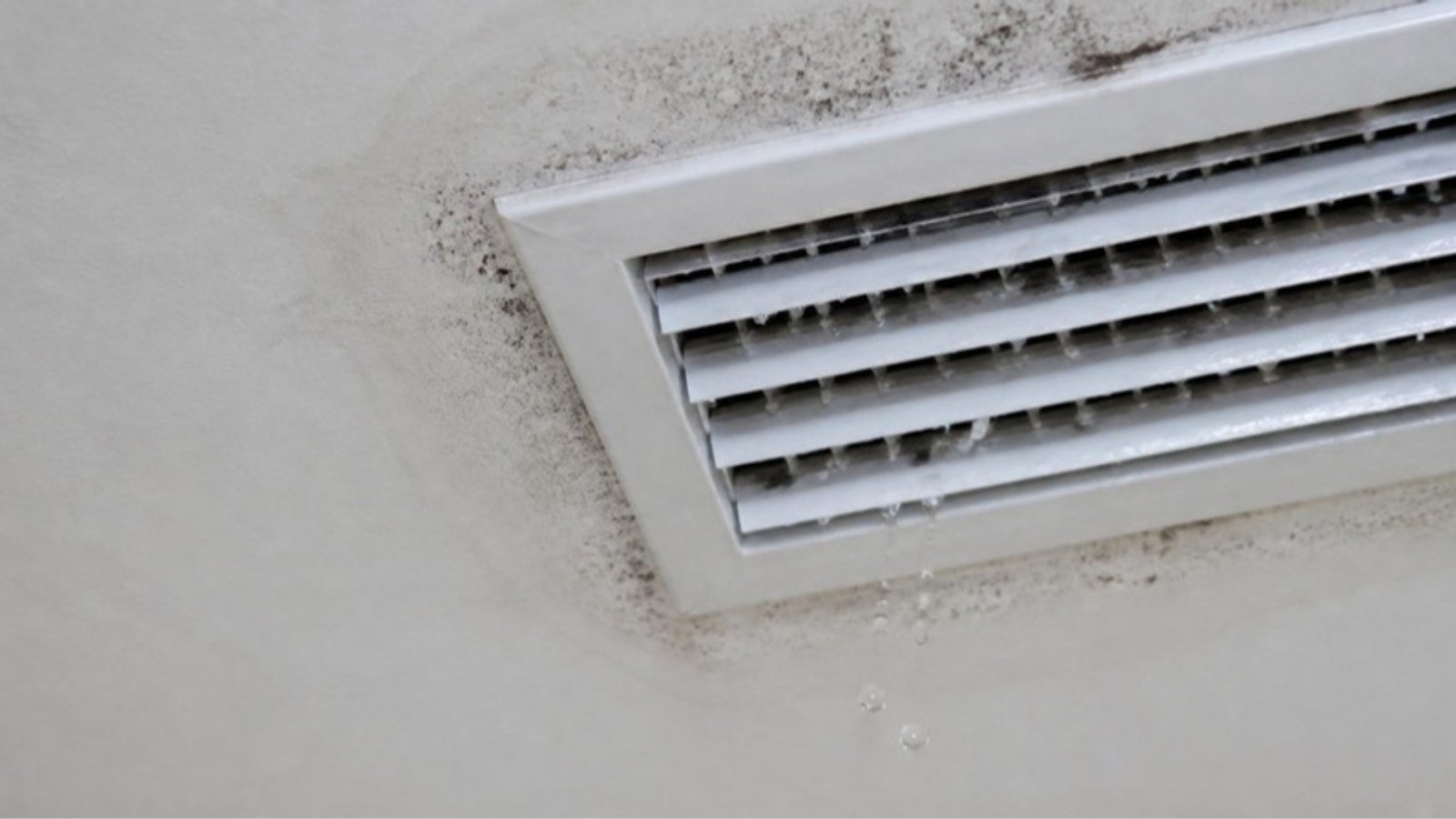
The air handler in a Boynton Beach condo clogged its drain line in August while the owners were up north. By the time a neighbor noticed the smell, water had wicked into the guest room carpet along one wall. The armchair in the corner had grey-green speckles across the back cushion, the clothes in the closet smelled sour, and a box of tax files on the closet floor had gone soft at the bottom.
Once the leak is fixed, everyone asks which of these things can be kept. This guide explains how restoration technicians sort mold-contaminated belongings, what usually happens to furniture, clothing, documents, and electronics, how to handle moldy items safely, and what to record for your insurance company before anything goes to the curb.
Porous, semi-porous, non-porous: how to sort mold-contaminated belongings
Whether an item can be saved depends less on how bad it looks than on what it is made of. On hard materials, mold grows on the surface. In soft, absorbent materials it grows into them, where wiping cannot reach. Restoration crews sort contents into three groups:
- Non-porous: glass, metal, glazed ceramic, hard plastic, and stone. Mold sits on the surface, and these items are usually cleanable.
- Semi-porous: finished solid wood, some leather, and laminate. Mold can get a short way in at scratches, joints, and unfinished edges. Many of these items clean up, but each one needs a close look.
- Porous: fabric, foam, carpet and padding, paper, cardboard, unfinished wood, and particleboard. Mold grows deep into these materials, and once growth is visible they are usually discarded unless the item is washable or valuable enough to justify a specialist.
Time and water type matter too. Mold can start growing on damp materials within 24 to 48 hours, so a rug dried the same day fares far better than one that sat damp for two weeks. Porous items soaked by sewage or outdoor floodwater (IICRC Category 3, or black water) are usually thrown out whether or not mold has appeared. Our article on how fast mold can grow after flooding and storm damage covers the timeline.
What usually happens to common household items
These are typical outcomes, not promises. Condition, water source, and how long the growth has been there all affect the answer.
Hard furniture, glass, and metal
Solid wood furniture with an intact finish usually cleans up. HEPA-vacuum it, wipe it with a damp cloth and mild detergent, and let it dry completely. Check drawer bottoms, cabinet backs, and the undersides of tabletops, which are often unfinished and are where growth hides. Particleboard or MDF that has swollen or crumbled at the edges is rarely worth saving. Glass, metal, and ceramic items such as lamps, frames, and dishes generally just need cleaning.
Clothing, linens, and other washables
Washable fabrics are often salvageable if the growth is caught early. Brush off loose growth outdoors, launder with regular detergent in the warmest water the care label allows, and dry completely. If a stain or musty smell survives a second wash, the fibers are likely holding growth that will not come out. Tell a dry cleaner about the mold before handing over dry-clean-only items.
Mattresses, upholstered furniture, and carpet padding
These are the items that most often go. Foam, batting, and padding hold water deep inside, out of reach of surface cleaning. A mattress, sofa, upholstered chair, or rug pad with visible growth, or one that stayed wet for more than a day or two, is usually discarded. A valuable or sentimental piece can sometimes be stripped to the frame and rebuilt by an upholsterer. Carpet padding is almost always replaced. Cardboard boxes go too; move their contents into plastic bins once you have sorted them.
Leather
Leather is case by case. Finished leather shoes, belts, and handbags with light surface growth can often be cleaned outdoors with a soft brush and a leather cleaner, then conditioned once they are dry. Suede, unfinished leather, and pieces where growth has stained or stiffened the hide are much harder to recover. Leather sofa cushions have foam inside and follow the upholstery rules above.
Electronics
Do not plug in or switch on wet electronics to see whether they still work. Water inside a television, computer, or appliance can short the circuits, and powering it on can turn a repairable item into a dead one. Leave it unplugged and have a qualified repair technician look at it. If a hard drive holds files you need, call a data recovery service first.
Documents, books, and photographs
Paper is porous, and paper with visible mold growth is usually discarded unless it is irreplaceable. The job is separating the two quickly.
- Replaceable papers such as bank statements, manuals, and routine files: scan or copy what you need, then bag and discard the originals. Before you throw away originals of wills, deeds, or vehicle titles, ask your attorney or the issuing office what they need.
- Wet papers and books you want to keep: freezing is a recognized conservation step that stops mold growth and buys time. Seal them in freezer bags and freeze them until a professional can dry them. Do not pull apart wet pages that have stuck together.
- Photographs: keep wet prints flat and do not peel apart prints that have stuck together. Some older photographic formats can be damaged by freezing, so check with a conservator before you freeze family photos.
For anything irreplaceable, talk to a professional conservator before you clean or dry it yourself. The American Institute for Conservation keeps a public directory of conservators you can search by specialty and location.
Working safely while you sort
Handling moldy belongings stirs up spores. To keep them in one room:
- Wear an N-95 respirator, gloves, and goggles, as the EPA recommends for mold cleanup.
- Bag discarded items while you are still in the affected room, seal the bags, and carry them straight outside.
- Do not shake, beat, or brush moldy items indoors. Take them outside, away from open windows.
- Use a HEPA vacuum; a regular one can blow fine spores back out its exhaust.
- If you see growth on the air handler or vents, leave the AC off and have it inspected. The EPA advises against running a system that may be contaminated.
- Store cleaned items in a dry room away from the affected area.
- Keep anyone with asthma, allergies, or a weakened immune system out of the work area. If you have health symptoms you think are related to mold, see a doctor.
The EPA’s rough limit for do-it-yourself mold cleanup is about 10 square feet of growth. A room where furniture, a closet of clothes, and a stack of boxes are all affected usually adds up to more than that, and is a job for a remediation crew.
Photograph and list everything before it goes to the curb
Once a mattress is in the dumpster, it is hard to show an adjuster what it was. Before you discard anything:
- Photograph the room as you found it, then each item, with close-ups of growth and labels.
- Make an inventory: item, description, approximate age, where it was in the house, and what you paid if you know.
- Call your insurance company before discarding large or expensive items. Some adjusters want to see an item, or a fabric swatch, first.
- Keep receipts for laundering, dry cleaning, storage bins, and any specialist you hire.
- Photograph the moisture source, such as the leaking line, because the cause often matters to the claim.
Whether mold damage to contents is covered depends on your policy and on what caused the moisture. Our guide to building an insurance-ready water damage file shows how to organize all of this, and EPR’s insurance-ready documentation covers the photos, moisture readings, and scope notes we provide during a job.
Why cleaned belongings get moldy again
A common story: a homeowner washes every shirt in the closet, wipes down the dresser, and puts everything back. Six weeks later the closet smells musty again. The belongings were clean. The room was not.
If the leak is still dripping, the drywall behind the closet is still wet, or the room’s humidity stays above 60%, mold regrows on whatever is in the room, freshly washed clothes included. Settled spores can land on cleaned items, and an HVAC system carrying spores can spread them to rooms that were never wet. Fix the moisture source, remediate and dry the room, confirm it is clean, and only then bring belongings back. More on this pattern in why mold keeps coming back after water damage.
How EPR handles contents during mold remediation
Belongings are part of every mold remediation job. Our IICRC-certified technicians handle them in roughly this order:
- Walkthrough and sorting plan. We go room by room with you, note what is affected, and flag sentimental and high-value pieces early.
- Containment first. The work area is sealed off and put under negative air pressure so disturbed spores do not drift into clean rooms. Our article on negative air pressure in mold remediation explains how that works.
- Protecting unaffected items. Contents that are not contaminated are moved out of the work zone or covered in place, and anything leaving the containment is cleaned first.
- Cleaning what can be cleaned. Non-porous and most semi-porous items are HEPA-vacuumed and damp-wiped as part of our microbial cleaning process.
- Removing what cannot. Porous items with growth are bagged inside the containment, then photographed and listed, and we review that list with you.
- Coordinating with specialists. Valuable documents, artwork, and electronics are set aside for a conservator or repair technician of your choosing.
- Drying and return. Belongings come back only after the room is clean and dry.
We will tell you plainly what we expect can be cleaned and what probably cannot, though some outcomes are not known until an item has been cleaned and dried. The final call on anything sentimental is yours.
Frequently asked questions
Can I wash mold out of clothes?
Often, if the growth is caught early and the fabric is washable. Brush off loose growth outdoors, wash with regular detergent in the warmest water the care label allows, and dry completely. If a stain or musty smell remains after a second wash, the item probably will not come clean.
Should I throw away a mattress with mold on it?
In most cases, yes. Mattress foam and padding hold moisture deep inside, where surface cleaning cannot reach, and growth on the cover usually means more inside. Photograph it and check with your insurance company before it goes out.
Can wood furniture with mold be saved?
Usually, if it is solid wood with an intact finish. HEPA-vacuum it, wipe it with a damp cloth and mild detergent, and let it dry completely, paying attention to unfinished drawer bottoms and backs. Particleboard or MDF pieces that have swollen are rarely worth saving.
How do I save wet or moldy important papers?
Seal wet papers you want to keep in freezer bags and freeze them to stop mold growth and buy time, then have a professional dry them. Scan or copy routine papers and discard the moldy originals. For irreplaceable documents and photographs, consult a professional conservator first.
Does insurance pay for belongings damaged by mold?
It depends on your policy and on what caused the moisture. Some policies limit mold coverage. Photograph and inventory every item before discarding it, and ask your adjuster whether they want to inspect anything first.
Get help sorting mold-damaged belongings in Palm Beach County
Edwards Property Remediation works with homeowners and property managers across Palm Beach County, including Boynton Beach, Delray Beach, Boca Raton, West Palm Beach, and Lake Worth. If you are not sure what to keep, call (754) 221-6945, email info@eprllc.net, or book an appointment online. Emergency response is available 24/7.