
Service
Fire and Smoke Damage Restoration in Palm Beach County
Soot and smoke residue cleaning, odor removal and cleanup of the water left by firefighting.
- Mold Remediator MRSR2591
- Mold Assessor MRSA3666
- IICRC Certified Firm
Quick answer
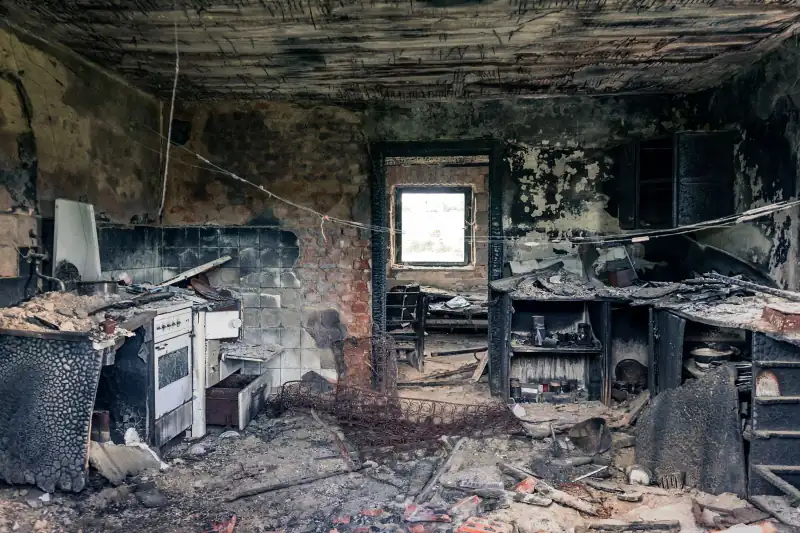
Fire damage restoration is the cleanup that follows a fire: removing soot and smoke residue from the structure and contents, removing the sources of smoke odor, and drying the water left by firefighting. Edwards Property Remediation, an IICRC Certified Firm based in Boca Raton, provides this service in Palm Beach County, Florida, following the IICRC S700 standard for fire and smoke damage. Rebuilding burned structure is done by a licensed contractor and is not part of this service.
A fire leaves three kinds of damage. There is what burned, there is the smoke and soot carried well beyond the room where the fire started, and there is the water used to put it out. Soot is acidic and keeps working on metal, glass, stone and painted finishes after the fire is out, so residue left in place can tarnish, etch or discolor those surfaces. Smoke follows air currents into closets, cabinets, attics and the AC system, and its odor settles into anything porous.
In South Florida, the water is its own emergency. Firefighting water soaks drywall, insulation and flooring, and in a closed, humid building those materials need to be dried within the 24 to 48 hours the EPA advises to prevent mold. Fire cleanup here usually starts with water extraction and drying, alongside removal of loose soot. The type of residue matters as well: dry soot from a fast, hot fire is handled differently from the sticky residue of a slow, smoldering fire or a kitchen grease fire.
Our work covers cleaning, drying and odor removal. We remove charred debris and materials that cannot be cleaned, clean the structure and contents that can, and take out the sources of odor instead of covering them with fragrance. We do not rebuild. Framing, roofing, electrical and finish work are done by a licensed contractor once cleaning is complete. We document what was cleaned and what was removed with photographs and a written scope.
What fire and smoke damage covers
Soot and smoke residue removal
HEPA vacuuming and dry soot sponges first, then wet cleaning of walls, ceilings, floors, fixtures and contents with the right cleaner for the residue.
Odor removal at the source
Charred and smoke-saturated materials are removed and remaining surfaces are cleaned, because odor stays as long as its source does.
Water extraction and drying
Firefighting water is extracted and the structure is dried with air movers and dehumidifiers, checked with daily moisture readings.
Removal of unsalvageable materials
Burned debris, wet insulation and porous materials too damaged to clean are removed and disposed of.
Air filtration during the work
Portable HEPA air filtration captures the soot particles that cleaning stirs up.
Job documentation
Photographs, moisture readings and a written scope of what was cleaned, dried and removed.
Signs you need fire and smoke damage
- A kitchen, electrical or appliance fire, even a small one
- Black or gray film on walls, ceilings or around AC vents
- A smoke smell that returns when the AC runs or the humidity rises
- Wet floors, walls or ceilings left by firefighting
- Tarnish or discoloration showing up on metal and stone after a fire
How fire and smoke damage restoration works
Wait for release and check safety
Work begins after the fire department releases the building. We check for structural, electrical and air hazards before anyone goes in to work.
Assess residue and water
We look at how far smoke traveled, test-clean small areas to identify the type of residue, and map the water left by firefighting with moisture meters.
Extract water and start drying
Standing water is removed and drying equipment is set, following the IICRC S500 standard, so wet materials do not sit while the cleaning is done.
Remove debris and unsalvageable materials
Charred debris and materials that cannot be cleaned are taken out. Removing them takes away a large share of the odor.
Dry-clean the loose soot
Surfaces are HEPA vacuumed and wiped with dry soot sponges before any liquid touches them. Water applied too early smears dry soot into paint and porous surfaces.
Wet clean structure and contents
Remaining residue is washed off with cleaners matched to the residue and the surface, working from the ceiling down. Salvageable contents are cleaned the same way.
Treat remaining odor and document
After the sources are gone, HEPA and carbon air filtration run to clear the air. Cleaned framing that still holds odor may be sealed before a contractor closes the walls. You receive the job record.
Good to know
Cleaning, not rebuilding
This service covers cleaning, odor removal and drying. Reconstruction of burned framing, roofing, electrical systems and finishes is done by a licensed contractor, and we do not offer it. The cleaning follows the IICRC S700 standard for fire and smoke damage (source: IICRC standards). EPR is an IICRC Certified Firm, and its listed technician certifications, WRT and ASD, apply to the water side of a fire loss.
The water from firefighting
The EPA advises drying wet materials within 24 to 48 hours to prevent mold growth (source: EPA). After a fire, that clock starts when the hoses stop, which is why extraction and drying begin at the same time as soot removal.
Homes built before 1978
Removing drywall, trim or other painted materials in housing built before 1978 falls under the EPA Lead Renovation, Repair and Painting rule (source: EPA). Edwards Property Remediation is an EPA Lead-Safe Certified Firm, number NAT-F290768-1. This covers lead-safe work practices during our own removal work. It is not a lead abatement service.
Related
Services that often go with this one
Water Damage Restoration
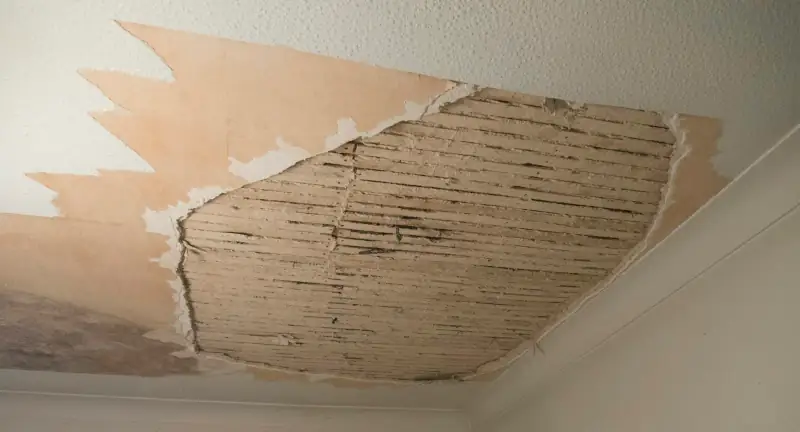
Water extraction, removal of materials that cannot be saved, drying and cleaning.
Learn more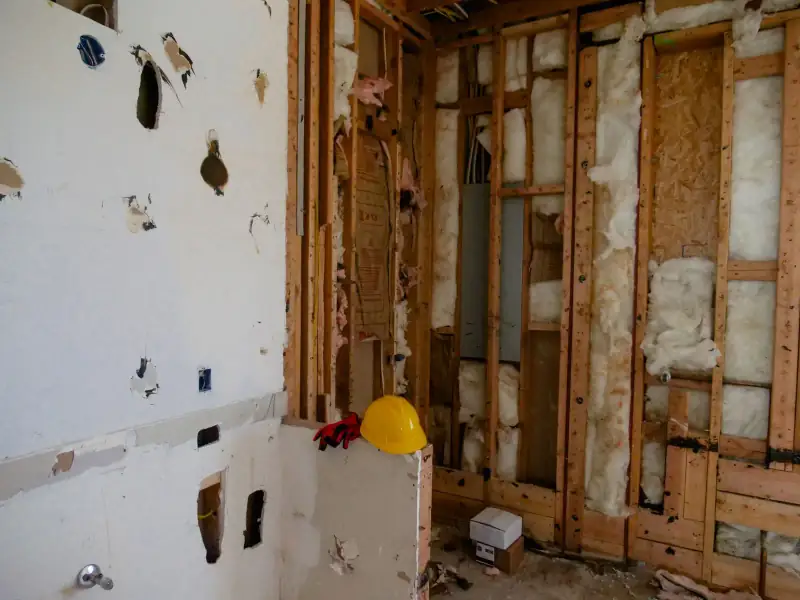
Advanced Structural Drying
Air movers and dehumidifiers placed and monitored with daily moisture readings until the structure is dry.
Learn more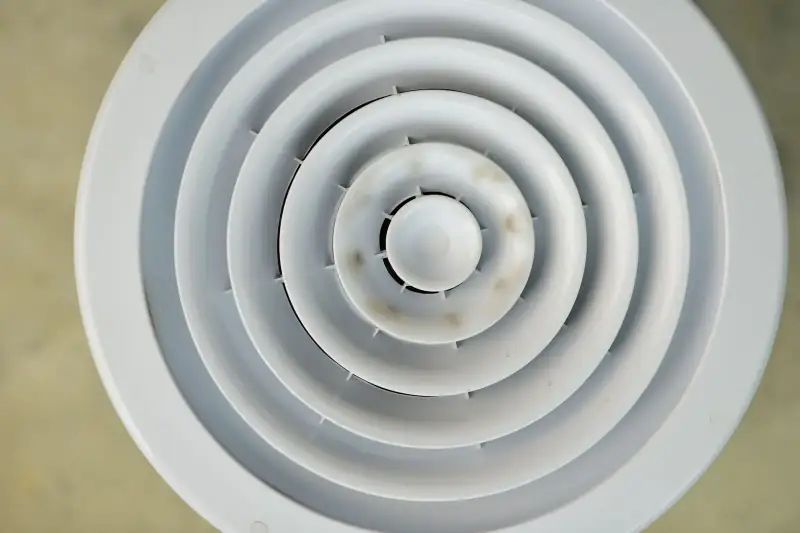
Indoor Air Quality Control
Finding what is in the air (moisture, mold spores, smoke residue, dust) and removing the source.
Learn moreQuestions
Fire and smoke damage questions
Something else? Call (754) 221-6945.
How much does fire damage restoration cost?
Edwards Property Remediation prices each fire job after seeing it. The cost depends on how far smoke and soot spread, the type of residue, how much firefighting water has to be extracted and dried, how many contents need cleaning and how much material has to be removed. A stove fire confined to a kitchen is a different job from smoke through a whole house. We put the scope in writing before work starts.
Does homeowners insurance cover fire and smoke damage?
Fire is one of the losses homeowners policies are generally written for, but what is paid, and for which items, depends on your policy and your insurer. Report the fire promptly and ask your adjuster what is needed before cleanup begins. We document the job with photographs, moisture readings and a written scope so you have a clear record for your claim.
How long does fire damage cleanup take?
It depends on the size of the fire, how far smoke traveled, the type of residue and how much water was used to put it out. Drying wet materials is measured in daily readings, and cleaning time grows with the number of rooms and contents affected. Rebuilding by a contractor is a separate phase that follows. We give an expected schedule in the written scope after the first inspection.
Can I clean soot and smoke damage myself?
Light residue from a small, contained incident can sometimes be handled by a careful homeowner. The common mistake is wiping soot with a wet cloth or household cleaner, which smears it into paint and makes staining permanent. Soot should be vacuumed with a HEPA vacuum and lifted with dry soot sponges first. Widespread residue, smoke in the AC system or firefighting water calls for professional cleanup.
How do you get the smoke smell out of a house after a fire?
By removing what holds it. Smoke odor lives in charred material, in soot film on surfaces and in porous items such as insulation, carpet pad and fabrics. Those are removed or cleaned first. Air filtration with HEPA and activated carbon then clears what is left in the air. Fragrances and sprays only cover odor for a while, and it returns when the humidity rises.
Do you rebuild after a fire?
No. Edwards Property Remediation handles the cleanup side: soot and smoke residue removal, odor removal, and extraction and drying of firefighting water. Reconstruction, including framing, roofing, electrical work, drywall and finishes, is done by a licensed contractor of your choice. Our written scope and photographs show what was removed and cleaned, which helps the contractor and your insurer see where the rebuild begins.
Is it safe to stay in a house after a small fire?
The fire department decides when a building can be re-entered. After that, it depends on how far smoke and water spread and whether power, gas and the AC system are working safely. Soot is easily tracked and stirred into the air, so limit movement through affected rooms and keep the AC off if smoke reached the system until it has been checked.
Why is water damage after a fire a bigger concern in Florida?
Because of the climate. In South Florida's heat and humidity, drywall, insulation and flooring soaked by fire hoses do not dry on their own in a closed building. The EPA advises drying wet materials within 24 to 48 hours to prevent mold growth. A fire loss that is left wet can turn into a mold problem as well, so drying starts with the cleanup.
Request service
Tell us what happened
Call if water is still moving or the building is not safe. For everything else, send the details and the office will get back to you.
- Florida-licensed mold remediator and mold assessor
- IICRC Certified Firm for water damage and structural drying
- Photographs, moisture readings and a written scope on every job
Open 24 hours · 980 N Federal Highway, Suite 110, Boca Raton, FL 33432
Request service
Goes straight to the EPR office in Boca Raton.