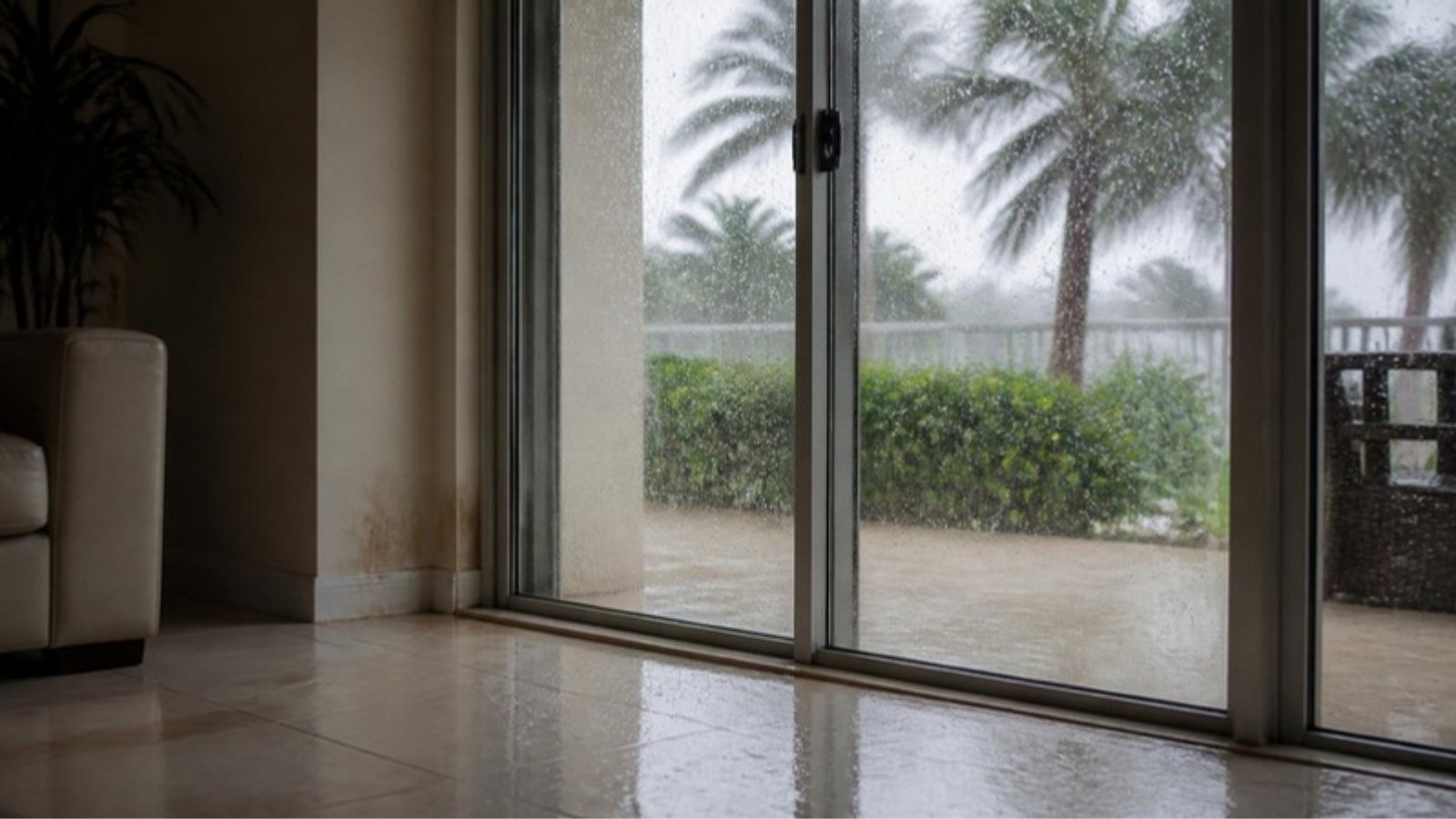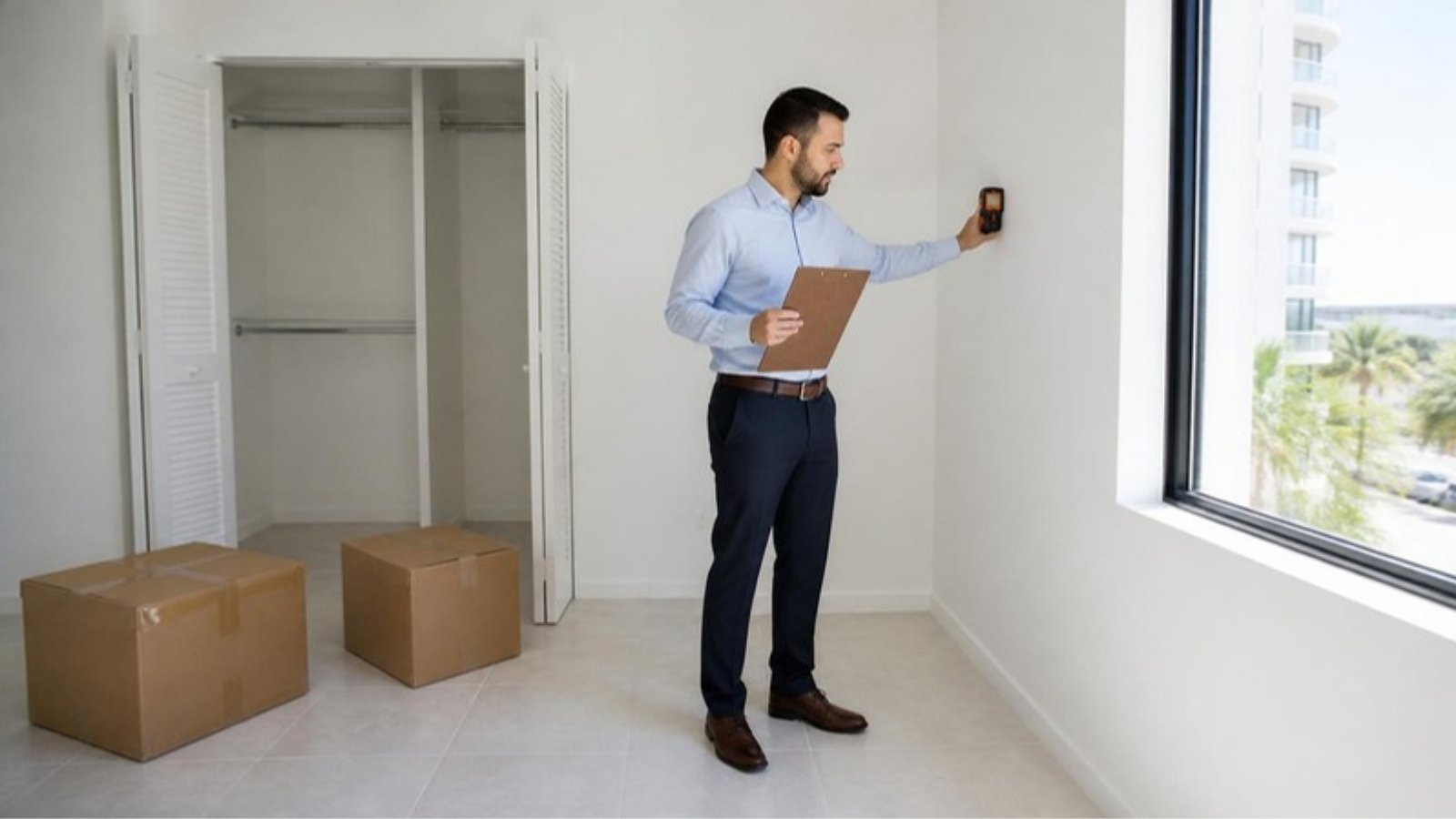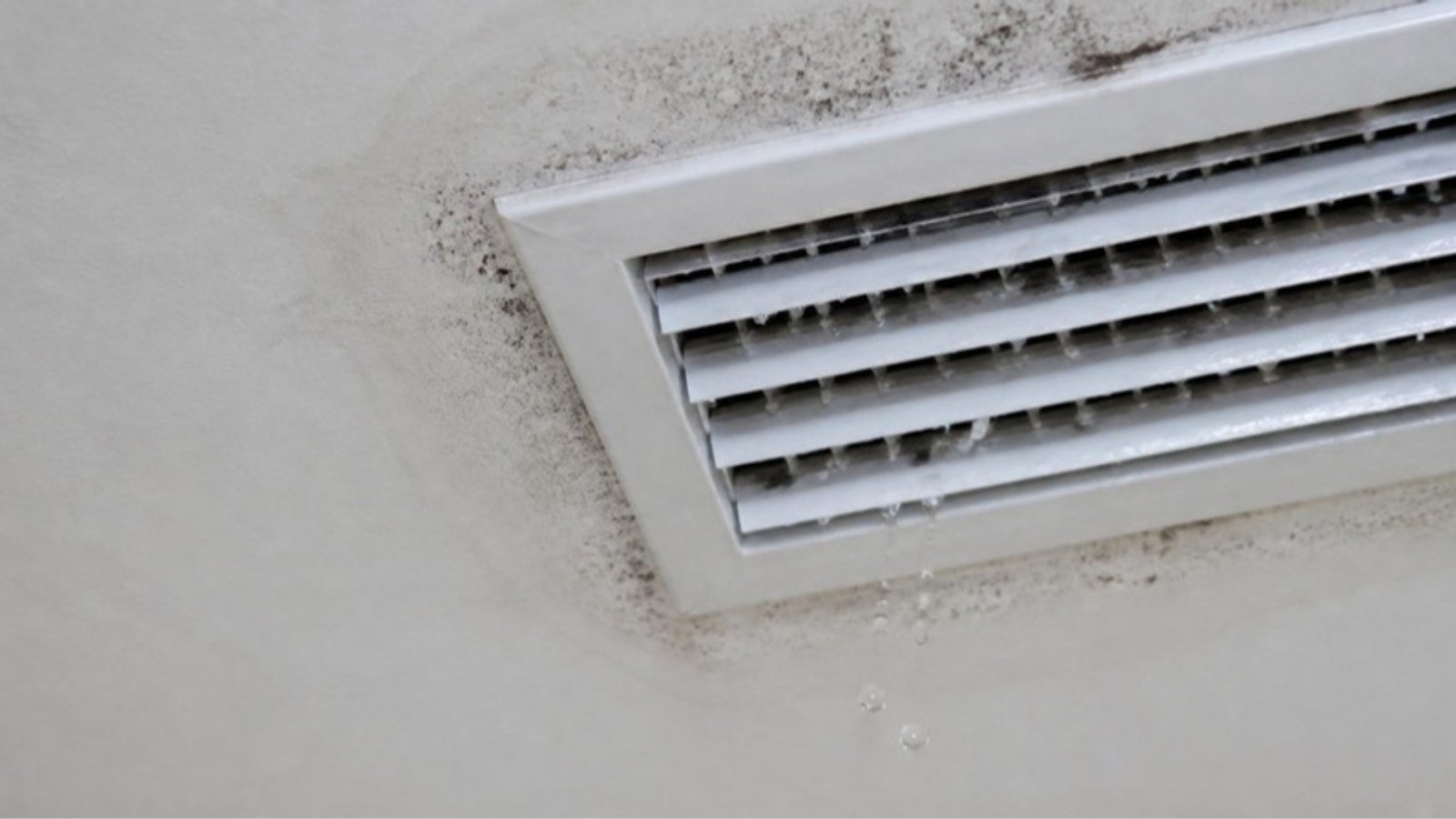
A tenant in a West Palm Beach duplex reports a musty smell in the back bedroom, and the property manager orders an inspection. A few days later a long PDF arrives: photos of the air handler closet, a table of moisture readings, and a lab sheet with names like Cladosporium and Penicillium/Aspergillus next to columns of numbers.
Most people skip straight to the numbers, and on their own those numbers say very little. This guide walks through a mold inspection report section by section: what a complete report contains, what air, surface, and bulk samples can and cannot tell you, why the outdoor sample matters, and the red flags that mean a report deserves a second look. If you are still deciding whether you need testing at all, start with our comparison of mold testing vs. mold remediation.
What a complete mold inspection report should include
A useful report answers three questions: what was found, where, and what should happen next. Look for these parts:
- Scope and limitations. Why the inspection was done, which areas were inspected, and which were not, such as an attic that was not entered or wall cavities that were not opened. Conditions that day, such as whether the AC was running, belong here too.
- Visual findings by room. Each room or area with what the assessor saw: visible growth and its approximate size, water stains, damaged materials, and odors.
- Moisture readings with locations. Readings from walls, floors, ceilings, and cabinets, each tied to a specific spot, plus a reference reading from a dry area of the same material for comparison. Indoor relative humidity and temperature belong here too.
- Photos. Labeled pictures that match the written findings.
- Sampling method and locations. What type of samples were taken and exactly where, and for air samples, how long the pump ran and at what flow rate.
- Lab results. The laboratory’s own report, attached in full, with the lab’s name and sample IDs that match the locations.
- Interpretation. A plain-language explanation of what the findings and results mean together.
- Recommendations. What should be done, where, and why. Good recommendations name the moisture source to fix, the areas to remediate, how the work should be contained, and how success will be judged afterward.
Give the moisture section extra attention. Mold needs water, so a report that finds mold but never explains where the water came from has told only half the story. Our article on the science of moisture mapping explains how those readings are gathered.
Air, surface, and bulk samples: what each one can and cannot tell you
Most reports include one or more of three sample types, and each answers a different question. Our mold testing page explains when sampling tends to be useful in the first place.
Air samples
A pump pulls a measured volume of air through a small cassette for a set number of minutes. Spores in the air stick to a slide inside, and the lab counts and identifies them under a microscope. This is usually called a spore trap sample.
- Can tell you: what was floating in the air at that spot during those minutes, and how one room compares with another and with outdoor air.
- Cannot tell you: where the mold is growing, whether the spores counted were alive, or what the air will be like tomorrow. Counts shift with foot traffic, time of day, weather, and whether the AC was running.
Some assessors also sample the air inside a suspect wall cavity through a small hole.
Surface samples
A tape lift or swab collects material from a visible spot, such as a stain on a ceiling or a fuzzy patch on a baseboard.
- Can tell you: whether a discoloration is mold growth or something else, such as dirt or soot, and which types are present on that surface.
- Cannot tell you: how much is in the air you breathe, or anything about surfaces that were not sampled.
Bulk samples
A small piece of the material itself, such as drywall, carpet, or insulation, is cut out and sent to the lab.
- Can tell you: whether that material is colonized, which helps when deciding whether it needs to be removed.
- Cannot tell you: anything beyond that one piece. It also means cutting into the material.
Some samples are cultured, meaning the lab grows them in a petri dish. Culture results are reported in colony-forming units (CFU) and can identify some molds to the species level. They only show what was alive and able to grow on that dish, though, and they take longer to come back.
The outdoor control sample: the baseline for everything else
Outdoor air in South Florida always contains mold spores, so there will always be some inside. The real question is whether the indoor air looks different from the outdoor air in a way that points to a source inside the building.
That is why a proper set of air samples includes at least one outdoor sample, taken the same day and at about the same time as the indoor samples. Assessors then compare:
- Totals. In a home without a mold problem, indoor counts are usually similar to or lower than outdoor counts, especially with the AC running and filtering the air.
- The mix of types. Indoor air normally contains roughly the same kinds of spores as the outdoor sample. A type that makes up a much larger share indoors than outdoors suggests something is growing inside.
- Water-damage indicators. Some molds, such as Stachybotrys and Chaetomium, grow mainly on materials that have stayed wet for a long time. Finding them indoors, even in small numbers, usually prompts a closer look for wet materials.
Reading the lab results: mold types, counts, and the missing “safe” number
The lab sheet is usually a table. For each sample you will typically see:
- Mold types, usually by genus. Names such as Cladosporium, Penicillium, Aspergillus, and Stachybotrys are genera, the level above species. Spore trap results often group Penicillium and Aspergillus together because their spores look nearly identical under a microscope.
- Counts. Air samples are usually reported as a raw count and as a concentration in spores per cubic meter of air. Tape lifts are often reported in categories such as rare, few, moderate, or many.
- Notes on the slide. Many labs rate the amount of background debris on a spore trap slide. Heavy debris can hide spores, so a sample with heavy debris may undercount.
Here is the part that surprises people: there is no federal “safe” level of mold. The EPA has not set standards or threshold limits for airborne mold or mold spores. Any report that says a count is “above the safe limit” should explain what it is comparing against. In practice, interpretation comes from comparison and context: indoor versus outdoor, one room versus another, before versus after remediation, all weighed against what the assessor saw, smelled, and measured with a moisture meter.
It is also fair to ask whether the lab is accredited for environmental microbiology, for example through AIHA’s EMLAP program.
Red flags in a mold inspection report
Some gaps should make you slow down:
- No limitations stated. Every inspection has limits. A report that does not list them is overstating what it covered.
- No moisture source identified, or no moisture readings at all.
- Indoor air samples with no outdoor control.
- Vague sample locations, such as “living area,” with no way to match them to a photo or floor plan.
- No lab report attached, or results retyped into the assessor’s own table with no lab named.
- Recommendations that do not match the findings. Whole-house remediation when the findings point to one bathroom wall. No action when the photos show visible growth. A spray or fogging treatment offered in place of fixing the water problem.
- Medical conclusions. An inspection report can describe conditions in a building. It cannot diagnose anyone. If you have health symptoms, see a doctor.
- No license number for the assessor.
Check licenses, and plan for clearance testing
Florida licenses mold assessors and mold remediators through the Department of Business and Professional Regulation (DBPR). Ask for the license number of the assessor who wrote your report and of the company that will do the remediation, and look both up with DBPR’s online license search before work starts.
The inspection report is also the reference point for the end of the job. After remediation, post-remediation verification, sometimes called clearance testing, checks that the work area is clean and dry. It usually combines a visual inspection, moisture readings, and new samples compared with the original results and an outdoor baseline. It is often done by an independent assessor. Our article on why post-remediation testing matters covers what that visit involves.
How EPR uses a mold inspection report to plan remediation
When you hand us a report, our IICRC-certified technicians treat it as a map, not a script:
- Review the report with you. We go through the findings, the sample locations, and the recommendations, and point out anything that looks incomplete, such as a missing moisture source.
- Confirm the moisture. Moisture meters and thermal imaging show how far the water has spread, which is often farther than the visible growth.
- Stop the source. Remediation does not hold if the leak, condensation, or humidity problem is still there, so the cause gets fixed first or alongside the work.
- Set containment. Affected areas are sealed off under negative air pressure so cleanup does not push spores into clean rooms.
- Remediate. Porous materials with growth are removed, and the remaining surfaces are cleaned as part of our mold remediation process.
- Dry the structure. Advanced structural drying brings wall cavities, subfloors, and cabinets down to documented moisture levels.
- Document for clearance. Photos, moisture readings, and scope notes go into a file you can share with the assessor doing post-remediation verification, your insurance company, or your tenants.
Frequently asked questions
What is a normal mold spore count for a house?
There is no federal standard, because the EPA has not set limits for airborne mold. Assessors judge results by comparing indoor samples with an outdoor sample taken the same day and by looking at which types are present. Indoor results that are similar to or lower than outdoor results, with a similar mix of types, are generally read as typical.
Why did my report include an outdoor air sample?
The outdoor sample is the baseline. Outdoor air always contains mold spores, so indoor results only mean something when compared with what was outside at the same time.
Can an air test tell me where the mold is?
No. An air sample shows what was in the air at that spot during the minutes the pump ran. Finding the source takes a visual inspection, moisture readings, and sometimes surface or wall-cavity samples.
My air test came back normal, but I can see mold. What does that mean?
Visible growth still needs to be dealt with, along with the moisture that caused it. An air sample is a snapshot, and it can miss growth that was not releasing many spores at that moment or that is sealed behind a surface.
How do I check whether a mold assessor is licensed in Florida?
Florida’s Department of Business and Professional Regulation (DBPR) licenses mold assessors and mold remediators. Ask for the license number and look it up with DBPR’s online license search.
Questions about a mold report for your Palm Beach County property
Edwards Property Remediation works with homeowners and property managers across Palm Beach County, including West Palm Beach, Jupiter, Lake Worth, Boca Raton, and Delray Beach. If you have a report in hand and need a remediation plan that matches it, call (754) 221-6945, email info@eprllc.net, or book an appointment online. Emergency response is available 24/7.