
Service
Indoor Air Quality Control in Palm Beach County
Finding what is in the air (moisture, mold spores, smoke residue, dust) and removing the source.
- Mold Remediator MRSR2591
- Mold Assessor MRSA3666
- IICRC Certified Firm
Quick answer
Indoor air quality control is the work of finding what is degrading the air in a building, such as excess humidity, mold growth, smoke residue or settled dust, and removing that source. Edwards Property Remediation provides it in Palm Beach County, Florida, and its president, Michael Edwards, holds Florida Mold Assessor license MRSA3666 and Florida Mold Remediator license MRSR2591. The work centers on source removal and moisture control, with HEPA filtration used while the work is done.
Buildings in South Florida are closed up and air conditioned for most of the year. That keeps the heat out, but it also means the same air recirculates, and whatever is in the building stays in it: moisture from a slow leak, spores from growth inside a wall or an air handler closet, residue from an old fire, or fine dust from a renovation. The usual complaints are a smell that will not go away, rooms that feel damp or stuffy, and dust that returns soon after cleaning.
Air quality problems have sources, and the work is to find them. We start with humidity and moisture readings, because the EPA advises keeping indoor humidity below 60 percent, ideally between 30 and 50 percent, and most mold and odor problems trace back to moisture. Then we inspect the places sources hide: under sinks, behind furniture on exterior walls, around windows, in closets and at the air handler. Where a sample would answer a question, it goes to a laboratory.
Once the source is known, it is removed. Depending on what we find, that can mean drying a wet area, HEPA vacuuming and wiping settled dust, or cleaning smoke film from surfaces. Portable HEPA air filtration runs during the work to capture what gets stirred up. If the source is mold covering more than 10 square feet, Florida law means we act as either the assessor or the remediator on that property, and an independent company fills the other role.
What indoor air quality covers
Humidity and moisture readings
Relative humidity in each room and moisture meter readings on walls, floors and ceilings, to find where the building is damp.
Source inspection
A visual check of plumbing walls, windows, closets, the air handler closet and other places where growth, residue or dust builds up.
Sampling where it helps
Air or surface samples sent to a laboratory when a result would change what needs to be done.
HEPA air filtration
Portable HEPA air filtration devices run during cleaning to capture airborne particles.
HEPA vacuuming and surface cleaning
Settled dust, soot film and residue are HEPA vacuumed and damp wiped from surfaces and contents.
Written findings
Readings, photographs and a plain account of what was found, what was removed and what another trade needs to repair.
Signs you need indoor air quality
- A musty, smoky or stale odor that lingers
- Rooms that feel damp or stuffy with the AC running
- Condensation on windows or around supply vents
- Dust that returns soon after cleaning
- Symptoms that seem to ease when you leave the building
- A home that sat closed up with the AC off
How indoor air quality control works
Describe the problem
You tell us what you notice, where and when: after rain, when the AC starts, in one room or all of them. The pattern narrows down the source.
Measure humidity and moisture
We record relative humidity and temperature in the rooms and take moisture readings on building materials.
Inspect for sources
We check for leaks, damp materials, visible growth, smoke residue and heavy dust, including around the air handler and its drain line.
Sample if it answers a question
Where the inspection leaves a question open, air or surface samples are taken and sent to a laboratory.
Report and agree on the scope
You get the findings in writing. If mold over 10 square feet is involved, we confirm which role we take on your property, assessor or remediator, and an independent company takes the other.
Remove the source
Wet materials are dried or removed, and dust or residue is HEPA vacuumed and cleaned, with HEPA air filtration running. Leaks and AC faults are referred to a plumber or HVAC contractor.
Re-check the readings
Humidity and moisture are measured again after the work, and the results are added to the record.
Good to know
The humidity target
The EPA advises keeping indoor relative humidity below 60 percent, ideally between 30 and 50 percent, to help prevent mold growth (source: EPA). In an air conditioned Florida building, humidity above that range usually points to a moisture source, an AC problem or outdoor air leaking in.
Florida mold law and our role
Under Fla. Stat. 468.8419, a company may not remediate mold in a structure it assessed in the last 12 months, or assess a structure it remediated in that time (source: Florida Statutes). If an air quality problem turns out to be mold covering more than 10 square feet, we act as the assessor or as the remediator on that property, and an independent licensed company does the other part.
Health questions
The CDC notes that some people are sensitive to mold and may have symptoms such as a stuffy nose, wheezing, or itchy eyes or skin (source: CDC). We find and remove building sources. We do not diagnose health conditions, and questions about symptoms belong with a doctor.
Related
Services that often go with this one
Mold Remediation
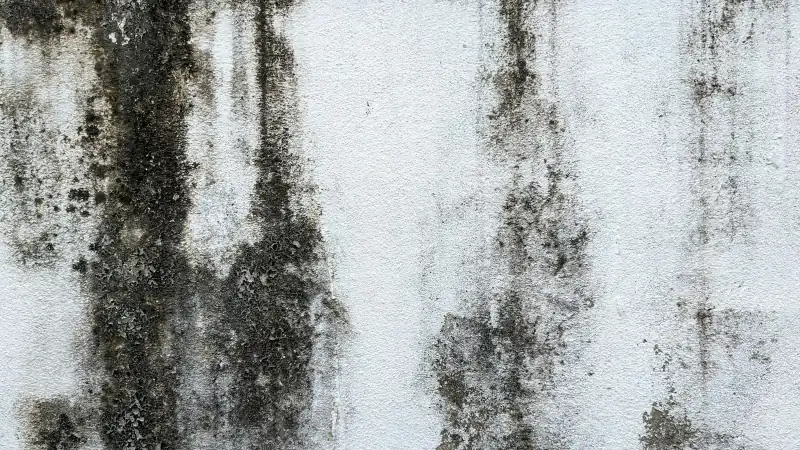
Containment, removal of mold-damaged material, HEPA cleaning and drying of the area the mold grew in.
Learn more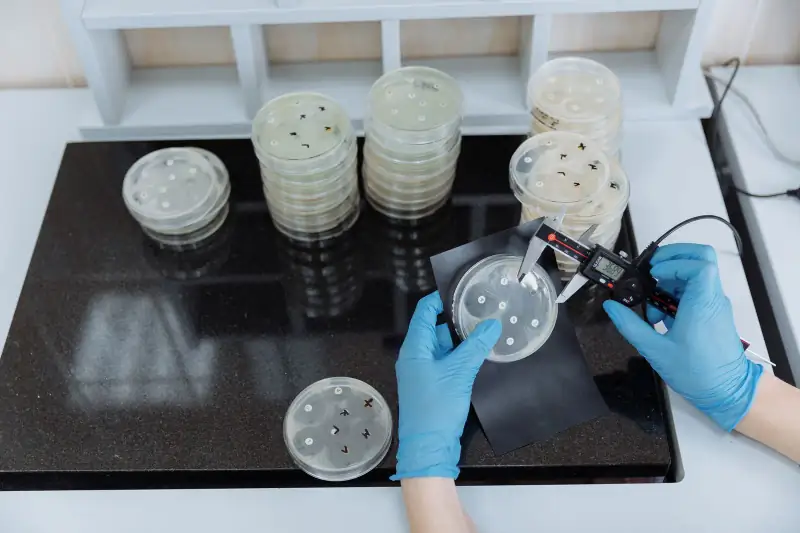
Mold Testing
Moisture checks plus air and surface samples sent to a laboratory, with a written report.
Learn more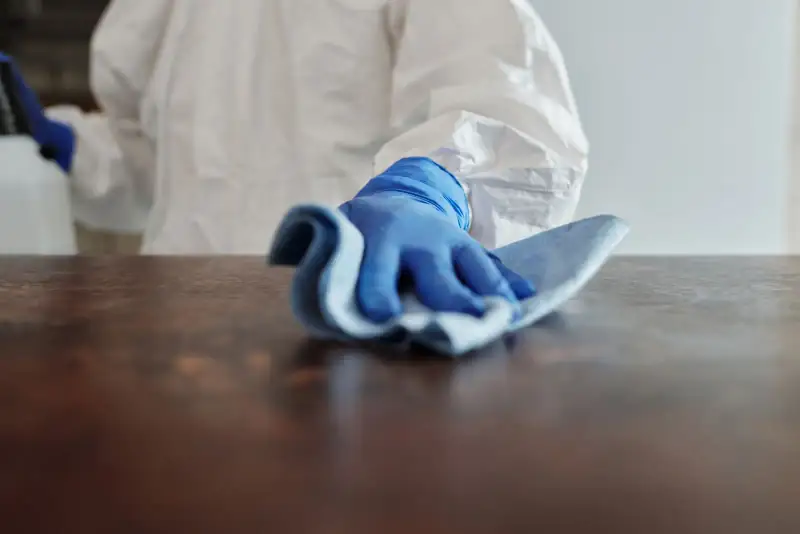
Sanitization & Disinfection
Cleaning followed by an EPA-registered disinfectant applied for its full label contact time.
Learn moreQuestions
Indoor air quality questions
Something else? Call (754) 221-6945.
How much does indoor air quality service cost?
Edwards Property Remediation prices this work after seeing the property, because the cost depends on what the source turns out to be. An inspection with humidity and moisture readings is a small job. Laboratory samples add to it, and so does any drying, cleaning or removal that follows. The size of the building and the number of rooms affected matter too. We put the scope in writing first.
Does homeowners insurance cover indoor air quality work?
Usually it depends on the cause. If the air problem comes from a water loss or fire that your policy covers, the related cleanup may be part of that claim. Problems from long-term humidity or maintenance issues are often treated differently. Your policy and your insurer decide. We provide readings, photographs and a written scope so you have a clear record to show them.
How long does it take to fix an indoor air quality problem?
It depends on the source. Finding it takes a site visit, plus laboratory turnaround if samples are needed. Fixing it can be as short as cleaning and drying one area, or as long as a full mold remediation or smoke cleanup in several rooms. Repairs by a plumber or HVAC contractor add their own schedule. We set out the expected timing in the written scope.
Do air purifiers fix indoor air quality problems?
A portable HEPA air purifier can lower the amount of airborne particles in a room, and it is a reasonable step to take. It does not remove a source. If drywall is damp, mold is growing in a closet or smoke residue coats the surfaces, the purifier filters the air while the source keeps adding to it. The lasting fix is to dry, clean or remove the source.
What should the humidity be inside a house in Florida?
The EPA advises keeping indoor relative humidity below 60 percent, ideally between 30 and 50 percent, to help prevent mold. In South Florida that depends on the air conditioning doing its job. Readings that stay above 60 percent with the AC running suggest a leak, an oversized or faulty AC system, a blocked drain line or humid outdoor air getting in.
How do I know if mold is affecting the air in my home?
The common clues are a musty smell, visible growth, a history of leaks and damp readings on walls or floors. An inspection with moisture readings finds most problems, and air samples can compare indoor spore types and counts with outdoor air. The EPA notes there are no federal limits for mold spores, so results are read by comparison and alongside what the inspection shows.
Do you clean air ducts?
No. Duct cleaning and AC repair are not services Edwards Property Remediation offers. A licensed HVAC contractor handles ductwork, coils, drain lines and equipment. Our part is the building: finding moisture, mold, smoke residue or dust and removing it. If the inspection points to the AC system as the source, we tell you so and note it in the written findings.
Can indoor air quality be tested?
Yes, for specific things. Humidity and temperature are measured on the spot. Mold is checked with air and surface samples analyzed by a laboratory and compared with an outdoor sample. A test is most useful when it answers a defined question, such as whether a room differs from outdoors. The EPA states that no federal limits exist for mold spores, so there is no federal pass or fail number.
Request service
Tell us what happened
Call if water is still moving or the building is not safe. For everything else, send the details and the office will get back to you.
- Florida-licensed mold remediator and mold assessor
- IICRC Certified Firm for water damage and structural drying
- Photographs, moisture readings and a written scope on every job
Open 24 hours · 980 N Federal Highway, Suite 110, Boca Raton, FL 33432
Request service
Goes straight to the EPR office in Boca Raton.