
Boca Raton · Palm Beach County, FL
Mold remediation and water damage restoration in Palm Beach County
Edwards Property Remediation (EPR) is a Florida-licensed restoration company in Boca Raton. We remove mold, dry and restore water-damaged buildings, and clean up after fire and smoke, for homes and businesses across Palm Beach County.
- Licensed mold remediator and assessor
- IICRC Certified Firm
- Open 24 hours
- Homes and businesses
Request service
Tell us what happened. The office will call you back.
About EPR
Restoration work, documented from the first reading to the last
South Florida humidity turns a small leak into a mold problem quickly, and the damage is usually larger than what you can see. We find where the water went, remove what cannot be saved, dry what can, and keep a record of each step.
Photographs. Every affected room before work starts, each stage of removal, and the finished area.
Moisture readings. Taken on the wet material and on the same material in a dry part of the building, so the numbers mean something.
Written scope. What is being removed, what is being dried in place, what equipment is set and where.
Daily log. Readings and equipment changes for each day of drying, until the wet material matches the dry reference.
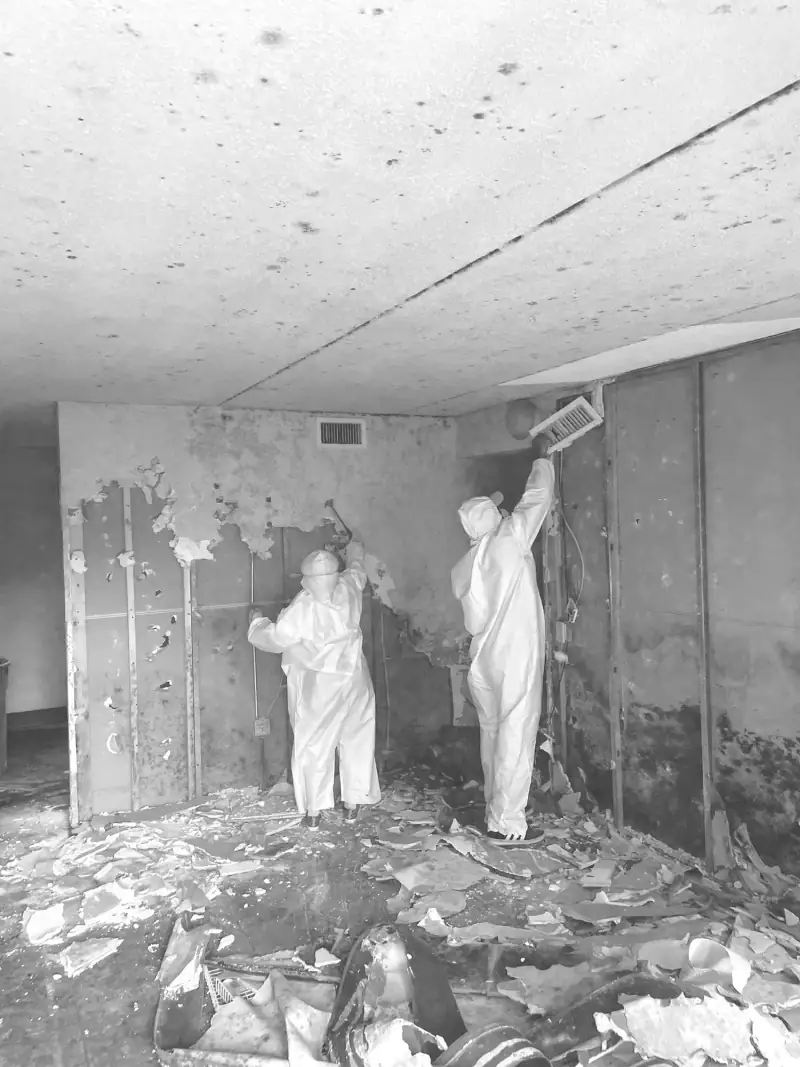
EPR job photos
What we do
Restoration services
Mold, water, fire and indoor air. Pick what you are dealing with, or call and describe it.
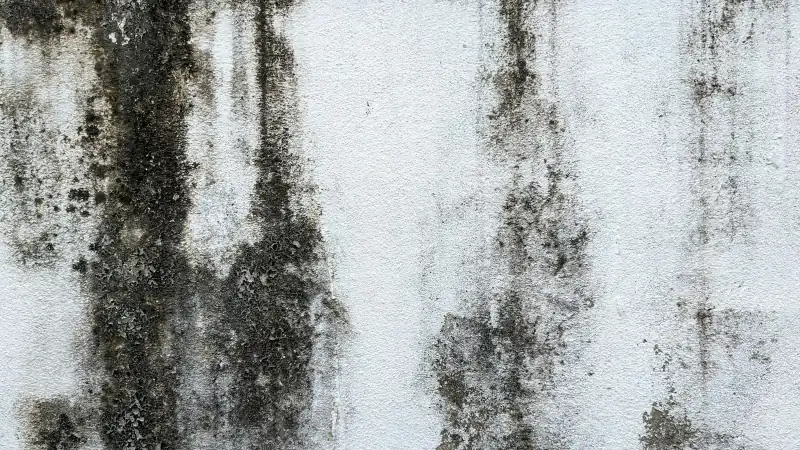
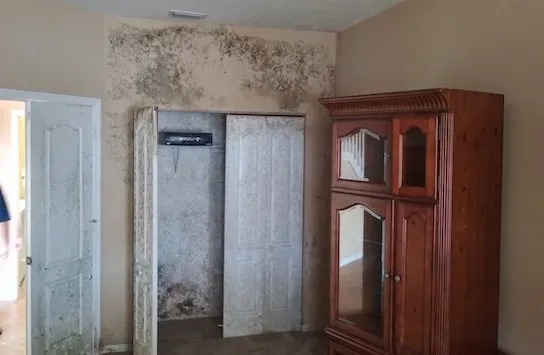
Mold Remediation
Containment, removal of mold-damaged material, HEPA cleaning and drying of the area the mold grew in.
Learn more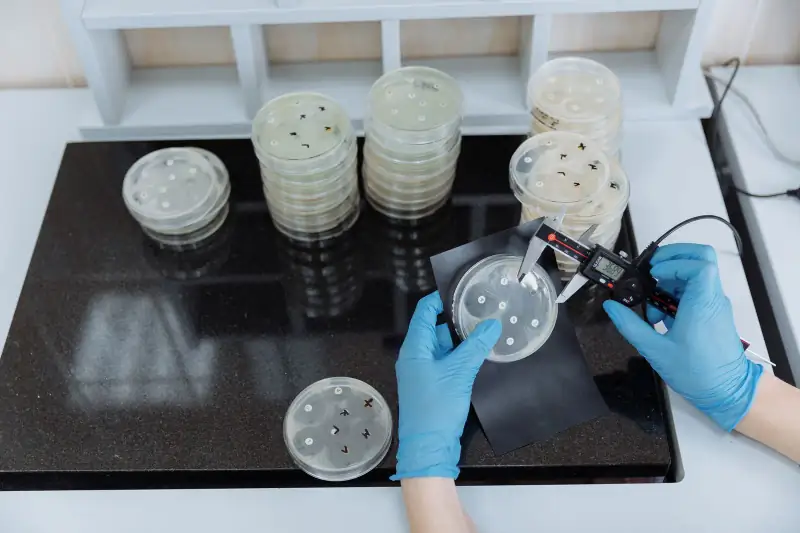
Mold Testing
Moisture checks plus air and surface samples sent to a laboratory, with a written report.
Learn more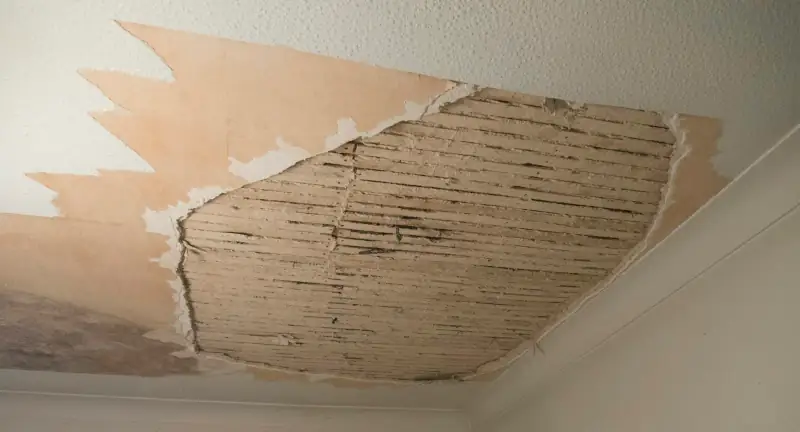
Water Damage Restoration
Water extraction, removal of materials that cannot be saved, drying and cleaning.
Learn more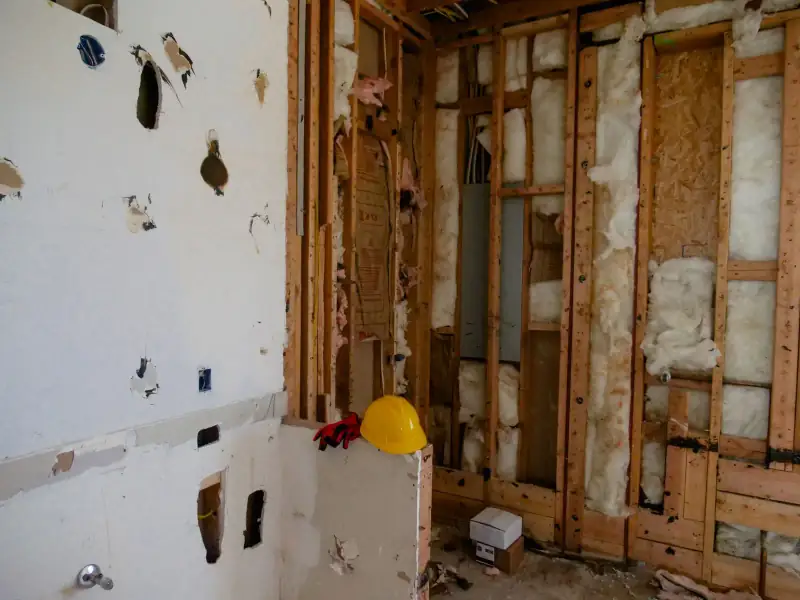
Advanced Structural Drying
Air movers and dehumidifiers placed and monitored with daily moisture readings until the structure is dry.
Learn more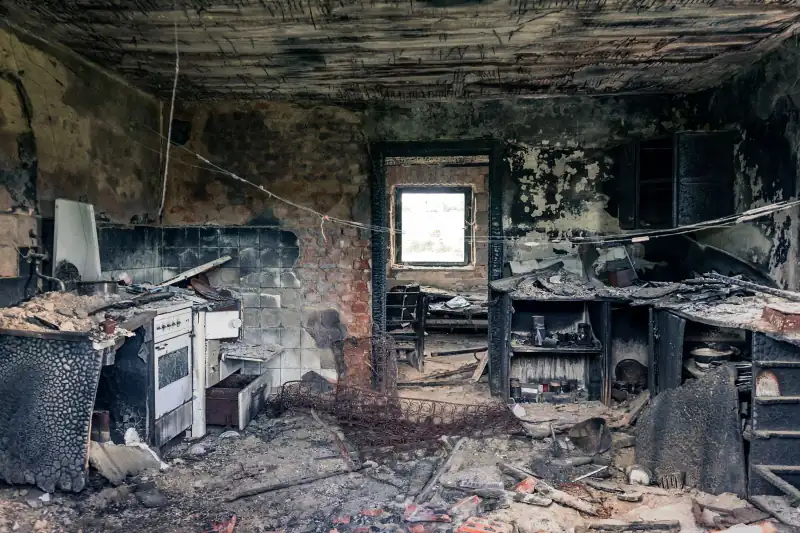
Fire Damage Restoration
Soot and smoke residue cleaning, odor removal and cleanup of the water left by firefighting.
Learn more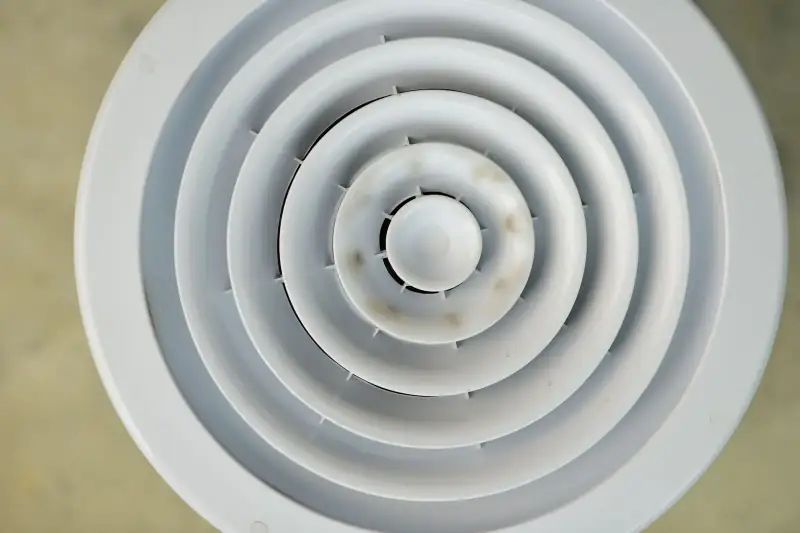
Indoor Air Quality Control
Finding what is in the air (moisture, mold spores, smoke residue, dust) and removing the source.
Learn more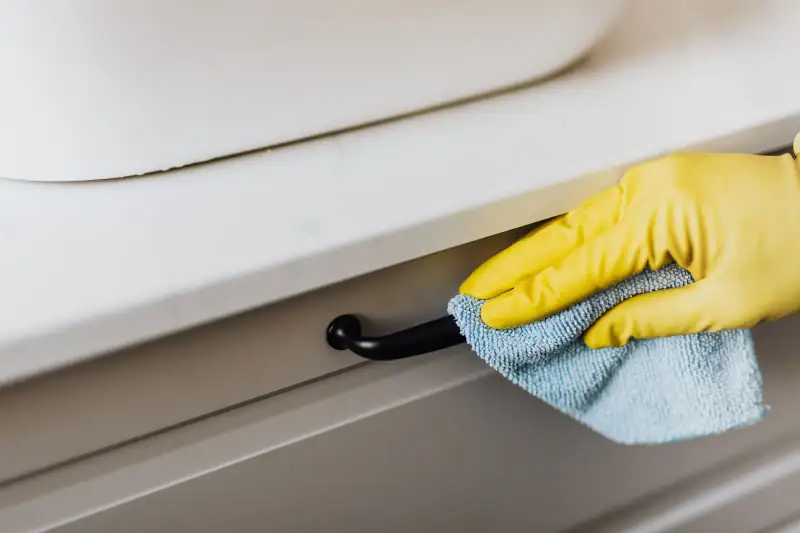
Microbial Cleaning
Detailed cleaning of surfaces and contents after contaminated water, sewage backups or mold work.
Learn more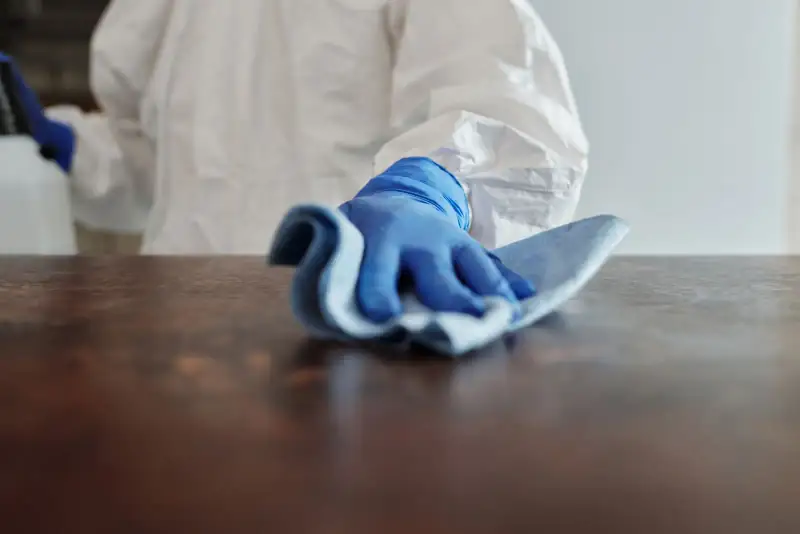
Sanitization & Disinfection
Cleaning followed by an EPA-registered disinfectant applied for its full label contact time.
Learn moreThe first hour
What to do before anyone arrives
Pick what you are dealing with. Each list follows the public agencies named under it.
What to do in the first hour after a water leak
For clean water from a supply line, water heater or appliance. Storm surge, sewage and toilet overflows are contaminated: stay out and call.
- Step 1
Make it safe
Stay out of rooms where water has reached outlets or a ceiling is sagging. If the breaker panel is dry and you can reach it without stepping in water, switch off power to the wet area.
- Step 2
Stop the water
Close the valve at the fixture or the main shutoff, usually where the water line enters the house or at the meter box near the street.
- Step 3
Photograph it first
Take wide shots of every room, then close-ups of the source, the water line on walls and each damaged item, before anything is moved.
- Step 4
Lift what you can
Rugs, cushions, papers and electronics go to a dry room. Put foil or plastic under furniture legs so stain does not bleed into wet flooring.
- Step 5
Get air moving
Run the air conditioning, open cabinet and closet doors, and set up fans. The EPA advises drying wet materials within 24 to 48 hours to prevent mold.
- Step 6
Call for extraction and drying
Water inside walls, under flooring and in cabinet bases does not dry with household fans. It needs extraction, dehumidifiers and moisture readings.
What to do when you find mold
Mold needs moisture. Until the moisture is found and stopped, cleaning only resets the clock.
- Step 1
Leave it alone
Do not brush, scrape or sand it dry, and do not aim a fan at it. Disturbing growth sends spores through the rest of the building.
- Step 2
Find the moisture
Look for a leak, a sweating AC line or vent, a clogged condensate drain, or a room that stays humid. Fix or shut off what you can.
- Step 3
Hold the humidity down
Keep the air conditioning running to pull humidity out, unless you know or suspect the AC system itself has mold in it. In that case the EPA says to leave it off, because it can spread mold through the building. Aim for indoor humidity below 60 percent, ideally 30 to 50 percent.
- Step 4
Keep sensitive people out
Anyone with asthma, allergies or a weakened immune system should stay out of the room until it is dealt with.
- Step 5
Measure and photograph it
The EPA treats about 10 square feet (roughly 3 feet by 3 feet) as the line between a patch most people can clean themselves and a job for a professional.
- Step 6
Call for an assessment
Growth that covers more than that, comes back, or sits in drywall, insulation or ductwork needs containment and removal, not a wipe-down.
What to do after a house fire is out
Soot is acidic and keeps damaging metal, glass and finishes after the fire is out. The first moves are mostly about what not to touch.
- Step 1
Wait to be let in
Go back inside only when the fire department says the building is safe to enter.
- Step 2
Leave the air system off
Running the air conditioning or heat pulls soot through the ducts and into rooms the fire never reached.
- Step 3
Do not wipe the walls
Soot smears and sets when it is rubbed or washed with water. It needs to be lifted dry before any wet cleaning.
- Step 4
Photograph and list
Record every room and make a list of damaged contents before anything is thrown out. Your insurer will ask for it.
- Step 5
Call your insurer
Report the loss and ask what emergency work is covered, such as board-up, water removal and securing the property.
- Step 6
Call for cleanup
Water from firefighting has the same 24 to 48 hour mold window as any other water loss, so drying starts alongside soot removal.
Why EPR
Check us before you hire us
Every claim on this page can be looked up. The license numbers are in the Florida DBPR database, and the certifications are in the IICRC and EPA directories.
Licensed for both sides of a mold job
Florida licenses mold remediation and mold assessment separately. Michael Edwards, EPR's president, holds both: Remediator MRSR2591 and Assessor MRSA3666.
Certified firm
EPR is an IICRC Certified Firm, with technician certifications in water damage restoration and applied structural drying, and an EPA Lead-Safe Certified Firm.
Every job documented
Photographs, moisture readings and a written scope, so you and your insurer can see what was wet, what was removed and when it was dry.
A local company
A Florida corporation since 2018, with its office on N Federal Highway in Boca Raton and work across Palm Beach County.
Know the numbers
Three numbers that decide most jobs
30–50
percent is the ideal indoor relative humidity. Above 60 percent, mold has what it needs.
Source: U.S. EPA
10
square feet is where Florida law starts treating mold removal as licensed remediation work.
Source: Florida Statutes 468.8411
Service areas
Based in Boca Raton, working across Palm Beach County
The office is at 980 N Federal Highway, Suite 110, Boca Raton. Each city has its own page.
- Boca Raton
- Delray Beach
- Boynton Beach
- Lake Worth
- Greenacres
- West Palm Beach
- Jupiter
- Wellington
- Palm Beach Gardens
- Royal Palm Beach
- Riviera Beach
From the blog
Read this before you call anyone
Mold
Dehumidifiers in Florida Homes: Settings and Sizing That Keep Mold Away
Dehumidifier settings for Florida homes: the humidity target that keeps mold away, why AC alone falls short, portable vs. whole-home units, sizing, and upkeep.
Read the postMold
How to Read a Mold Inspection Report
The lab numbers in a mold report mean little on their own. Here is what a complete report contains, what each sample type can and cannot show, why the outdoor sample matters, and which red flags deserve a second look.
Read the postMold removal
Mold on Furniture, Clothing, and Documents: What Can Be Saved
Whether a moldy item can be saved depends mostly on what it is made of. Here is how restoration technicians sort furniture, clothing, documents, and electronics, and what to photograph before anything goes to the curb.
Read the postQuestions
Questions people ask first
Something else? Call (754) 221-6945.
What does Edwards Property Remediation do?
Edwards Property Remediation (EPR) handles mold remediation and mold testing, water damage restoration and structural drying, fire and smoke damage restoration, microbial cleaning, sanitization and indoor air quality work for homes and businesses in Palm Beach County, Florida.
Is Edwards Property Remediation licensed?
Yes. Michael Edwards, the company's president, holds Florida Mold Remediator license MRSR2591 and Mold Assessor license MRSA3666, both searchable on the Florida DBPR license lookup. The company is an IICRC Certified Firm and an EPA Lead-Safe Certified Firm (NAT-F290768-1).
Which areas do you serve?
Our office is at 980 N Federal Highway, Suite 110, in Boca Raton. We work throughout Palm Beach County, including Boca Raton, Delray Beach, Boynton Beach, Lake Worth, Greenacres, West Palm Beach and Jupiter.
How quickly does mold grow after water damage?
The EPA advises drying wet materials within 24 to 48 hours to prevent mold growth. In South Florida humidity, wet drywall, flooring and cabinets that are not dried in that window are the most common start of a mold job.
Should I test for mold before remediation?
Not always. Visible growth has to be removed whatever species it is. Testing is most useful when you smell mold but cannot find it, when a buyer, tenant or insurer needs a result on paper, or to confirm an area is clean after the work.
Can the same company test for mold and remove it in Florida?
Florida licenses the two jobs separately, and EPR holds both licenses: Mold Remediator MRSR2591 and Mold Assessor MRSA3666. Under Florida Statutes 468.8419, though, a company may not remediate a structure it assessed in the previous 12 months, or assess one it remediated in the previous 12 months. So on any one property we act as the assessor or as the remediator, and an independent company does the other.
Does homeowners insurance cover mold or water damage in Florida?
It depends on the policy and the cause. Sudden, accidental water damage such as a burst pipe is commonly covered, while long-term leaks and flood water are commonly excluded, and many Florida policies cap mold coverage. Your agent or the policy itself is the only reliable answer. We document the job with photographs, moisture readings and a written scope so you have a clear record for the claim.
What should I do while I wait for help after a leak?
Shut off the water if you can do it safely, keep away from wet electrical outlets, photograph the damage before moving anything, lift rugs and belongings out of the water, and keep the air conditioning running. The steps on this page go through it in order.
Request service
Tell us what happened
Call if water is still moving or the building is not safe. For everything else, send the details and the office will get back to you.
- Florida-licensed mold remediator and mold assessor
- IICRC Certified Firm for water damage and structural drying
- Photographs, moisture readings and a written scope on every job
Open 24 hours · 980 N Federal Highway, Suite 110, Boca Raton, FL 33432
Request service
Goes straight to the EPR office in Boca Raton.