
Service
Sanitization and Disinfection in Palm Beach County
Cleaning followed by an EPA-registered disinfectant applied for its full label contact time.
- Mold Remediator MRSR2591
- Mold Assessor MRSA3666
- IICRC Certified Firm
Quick answer
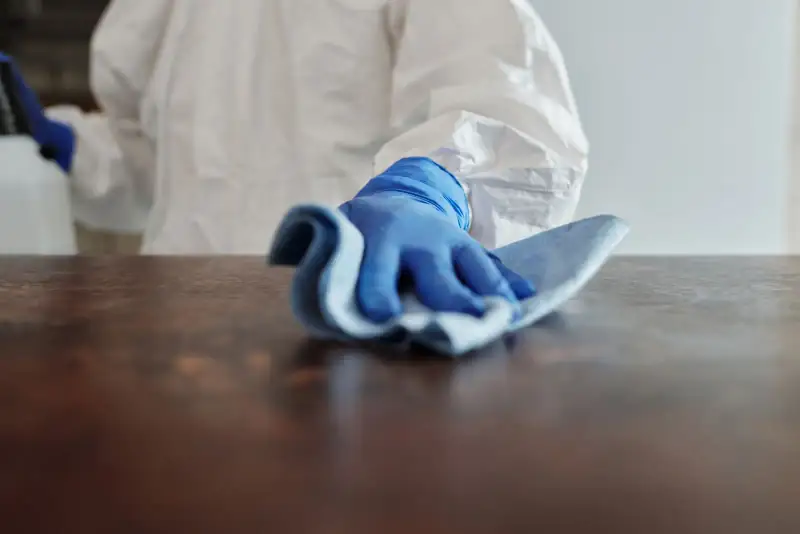
Sanitization and disinfection is a two-part service: surfaces are cleaned first, then treated with an EPA-registered disinfectant that stays wet on the surface for the full contact time on its label. Edwards Property Remediation, an IICRC Certified Firm based in Boca Raton, provides it for homes and commercial spaces in Palm Beach County, Florida. A disinfectant only performs as its label states when it is applied to a clean surface for the full contact time.
Shared spaces collect what people bring into them. Door handles, light switches, counters, faucets, railings and elevator buttons are touched all day in offices, waiting rooms, gyms, condo common areas and rental units. In Palm Beach County, seasonal residents and short stays mean many properties change occupants often. Owners and managers ask for a documented treatment between occupants, or after someone in the building has been sick.
Three terms get mixed up. Cleaning removes dirt and organic matter with detergent and water. Sanitizing lowers the number of bacteria on a surface. Disinfecting uses an EPA-registered product to kill the bacteria and viruses named on its label. Cleaning comes first every time, because soil shields organisms and uses up the product. A disinfectant sprayed over a dirty surface does little, however much of it is used.
The detail that decides the result is contact time. Every EPA-registered disinfectant states how long a surface must stay visibly wet, and that time differs from product to product. We choose a product registered for the organisms of concern and suited to the surface, apply it so the surface stays wet for the full label time, and record the product, its EPA registration number and the areas treated. Disinfection treats surfaces as they are that day. It does not protect them afterward.
What sanitization and disinfection covers
Cleaning before treatment
Surfaces are cleaned with detergent to remove dirt, grease and organic matter so the disinfectant can reach the surface.
EPA-registered disinfectant
A product registered with the EPA is applied by the method its label allows and kept wet for the full label contact time.
High-touch surface detail
Handles, switches, faucets, railings, counters, appliance fronts and shared equipment are treated one by one.
Product matched to the surface
We check the label against the material, since some products are not suited to stone, electronics, fabrics or food-contact surfaces.
Treatment record
A written record of the date, the areas treated, the product used and its EPA registration number.
Signs you need sanitization and disinfection
- A turnover between tenants, guests or owners
- Someone in the home or workplace has been ill
- Shared areas in a condo building, office or gym
- The last step after a contaminated water cleanup
- A property manager or employer needs a written record of treatment
How sanitization and disinfection works
Walk the space and set the scope
We go through the rooms with you, list the surfaces and areas to be treated and note anything sensitive, such as electronics, artwork or food preparation areas.
Choose the product
We select an EPA-registered disinfectant whose label covers the organisms of concern and the surfaces involved, and confirm its contact time.
Clean first
Surfaces are cleaned with detergent and wiped to remove visible soil. This step is what allows the disinfectant to work.
Apply the disinfectant
The product is applied by the method on its label, with enough of it to wet the whole surface evenly.
Hold the contact time
The surface stays visibly wet for the full time on the label. If it dries early, the product is applied again.
Wipe or rinse where the label requires
Food-contact surfaces and other items the label names are rinsed or wiped after the contact time. Other surfaces are left to air dry.
Record the treatment
You receive a written record of what was treated, when, and with which product and EPA registration number.
Good to know
Label contact time
EPA-registered disinfectants must be used according to their labels, and the label states the contact time: how long the surface has to stay wet for the product to work as registered (source: EPA). Contact times vary by product and by organism. Wiping a surface dry before that time is up means the treatment was not completed.
What disinfection does not do
Disinfection treats the surfaces that are there on the day. It does not keep a surface disinfected once people use the space again, and it does not replace regular cleaning. It also does not remove mold growth or fix the moisture behind it. That is mold remediation.
Scope of this service
This service covers routine and precautionary disinfection of homes, offices and shared spaces, and the final treatment after a contaminated water cleanup. Trauma and crime scene cleanup is a separate specialty that we do not offer.
Related
Services that often go with this one
Mold Remediation
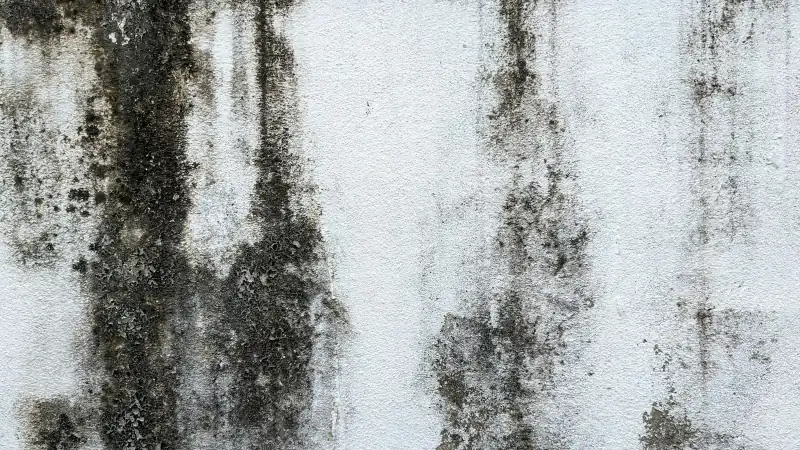
Containment, removal of mold-damaged material, HEPA cleaning and drying of the area the mold grew in.
Learn more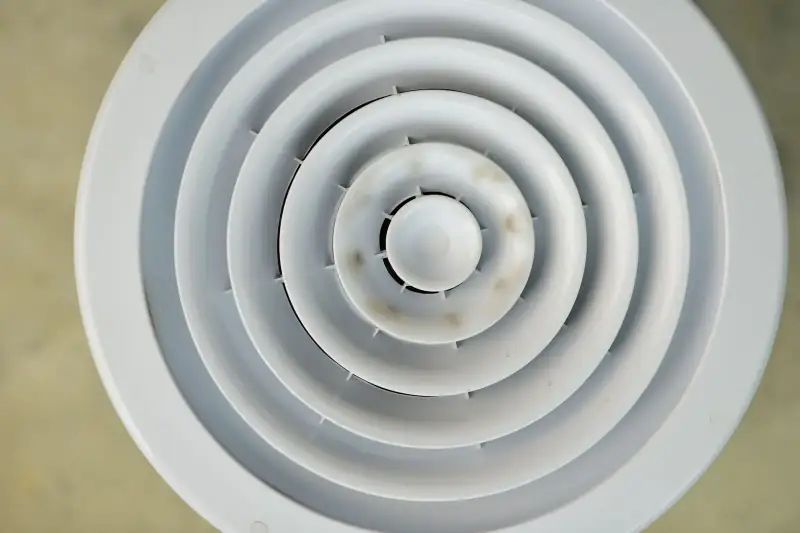
Indoor Air Quality Control
Finding what is in the air (moisture, mold spores, smoke residue, dust) and removing the source.
Learn more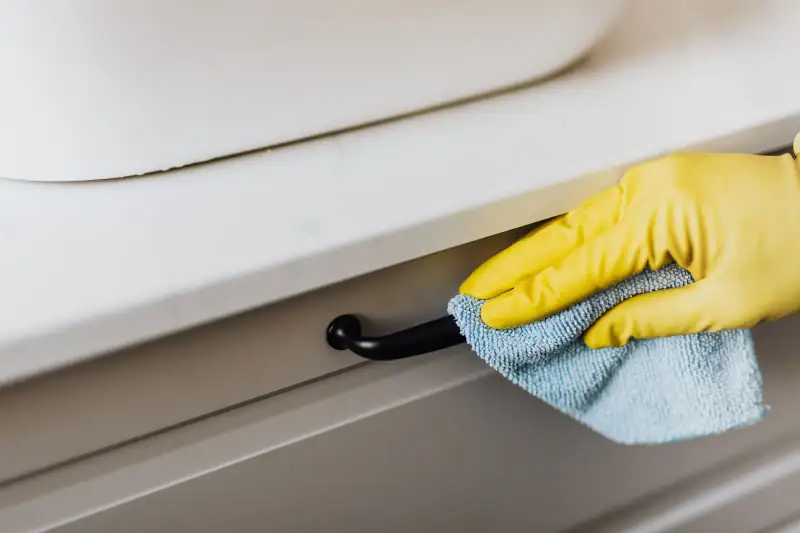
Microbial Cleaning
Detailed cleaning of surfaces and contents after contaminated water, sewage backups or mold work.
Learn moreQuestions
Sanitization and disinfection questions
Something else? Call (754) 221-6945.
How much does a disinfection service cost?
Edwards Property Remediation prices each disinfection job after learning about the space. The cost depends on the square footage, the number of rooms and high-touch surfaces, how much cleaning is needed before the disinfectant can be applied, and whether it is a single visit or a repeating schedule. An empty rental unit is a different job from a furnished, occupied office. We put the scope in writing first.
Does insurance cover sanitization and disinfection?
Precautionary disinfection is normally an owner's or a business's own expense. When disinfection is the final step of a water loss that your policy covers, it may be included in that claim. Your policy and your insurer decide. We provide a written record of the areas treated, the product used and its EPA registration number, which you can submit or keep on file.
How long does a disinfection service take?
It depends on the size of the space, how much has to be cleaned first and the contact time of the product. Cleaning is usually the longer part. The disinfectant then has to stay wet on each surface for its full label time before the surface dries or is wiped. We tell you the expected duration, and when the rooms can be used again, when we set the scope.
Can I disinfect my home myself?
Yes. For everyday needs, a household disinfectant with an EPA registration number on the label works when it is used as directed. Clean the surface first, apply enough product to keep it wet for the contact time on the label, and follow the label's safety directions. A service makes sense for large or shared spaces, turnovers and situations where a written record of treatment is needed.
What is the difference between cleaning, sanitizing and disinfecting?
Cleaning removes dirt and organic matter with detergent and water. Sanitizing reduces the number of bacteria on a surface. Disinfecting uses an EPA-registered product to kill the bacteria and viruses listed on its label, when the surface stays wet for the label contact time. Cleaning always comes first, because sanitizers and disinfectants do not work well on dirty surfaces.
What is disinfectant contact time, and why does it matter?
Contact time, also called dwell time, is how long a surface must stay visibly wet with a disinfectant for it to work as its label states. It is printed on the label of every EPA-registered product and varies from product to product. If the product is wiped off or dries before that time has passed, the surface has not been disinfected to the label claim.
Does disinfecting kill mold?
Disinfecting a surface does not solve a mold problem. Mold grows where materials are damp, and it has to be physically removed while the moisture is fixed. The EPA notes that dead mold can still cause allergic reactions in some people, so killing it is not enough. In Florida, removing more than 10 square feet of mold is mold remediation, which is a separate, licensed service.
How should a seasonal or rental home in Palm Beach County be disinfected between occupants?
Start with a full cleaning, then disinfect the surfaces people touch: handles, switches, faucets, counters, remotes and bathroom fixtures, keeping each wet for the label contact time. In a home that sits empty, humidity matters as much. Leave the AC set to control humidity and have someone check the property, because a closed, damp house grows mold that no disinfectant visit will fix.
Request service
Tell us what happened
Call if water is still moving or the building is not safe. For everything else, send the details and the office will get back to you.
- Florida-licensed mold remediator and mold assessor
- IICRC Certified Firm for water damage and structural drying
- Photographs, moisture readings and a written scope on every job
Open 24 hours · 980 N Federal Highway, Suite 110, Boca Raton, FL 33432
Request service
Goes straight to the EPR office in Boca Raton.