The last tenant handed back the keys to a two-bedroom condo in West Palm Beach on the 31st, and the next lease starts on the 15th. The carpet cleaner is booked and the painter is coming Tuesday. Before either of them starts, someone should spend an hour in that empty unit looking for water.
This tenant turnover moisture checklist is for property managers, landlords, and HOA and condo managers in Palm Beach County. It covers why turnover is the best inspection window you get, what to check area by area, how to document it, what to do if you find mold, and how to fit remediation and verification into the gap between leases.
Why turnover is the best time to look for leaks and mold
For the length of a lease, you see a unit on the tenant’s terms. Furniture covers the walls, closets are full, and the space under the kitchen sink is packed with supplies. Some tenants never report a slow drip or a musty closet.
Turnover is the one time the unit is empty. Every wall, closet floor, and cabinet base is visible, and you can run every fixture and watch it. It is also the last chance to fix a problem before someone moves in and it becomes a dispute, a habitability complaint, or a bigger repair. In South Florida, where indoor humidity and AC condensate are year-round issues, a problem that started during the last lease has often had months to spread.
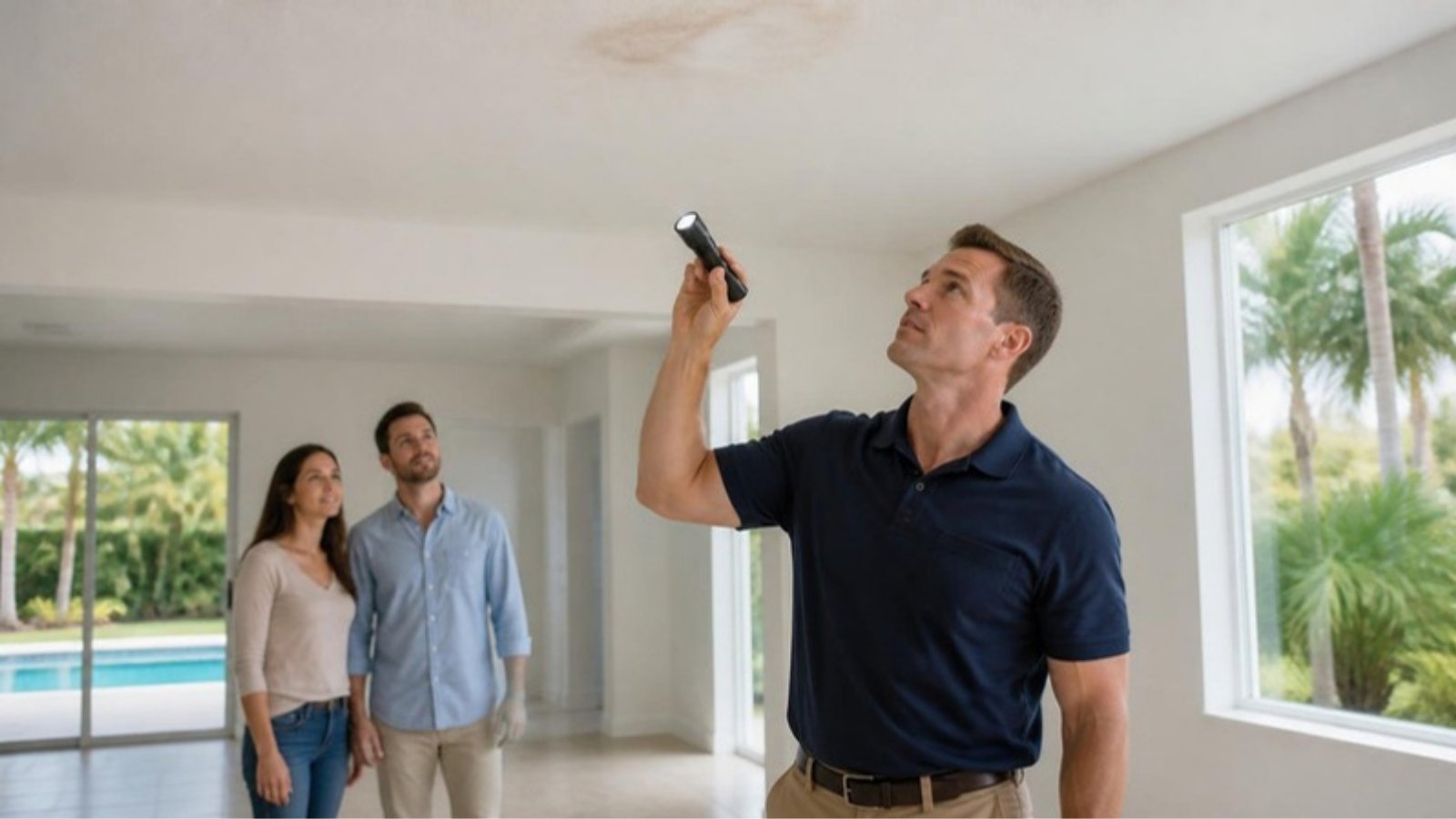
Bring a moisture meter, a strong flashlight, a phone camera, and the move-in report from the last lease. When you get a reading that seems high, compare it to the same material in a part of the unit you know is dry. Comparison tells you more than any single number.
The tenant turnover moisture checklist, area by area
AC closet and condensate line
- Water, rust lines, or algae in the drain pan under the air handler
- The float switch in place and working, not disconnected or taped up
- Stains or soft drywall on the closet walls, the closet floor, and the ceiling of the room below
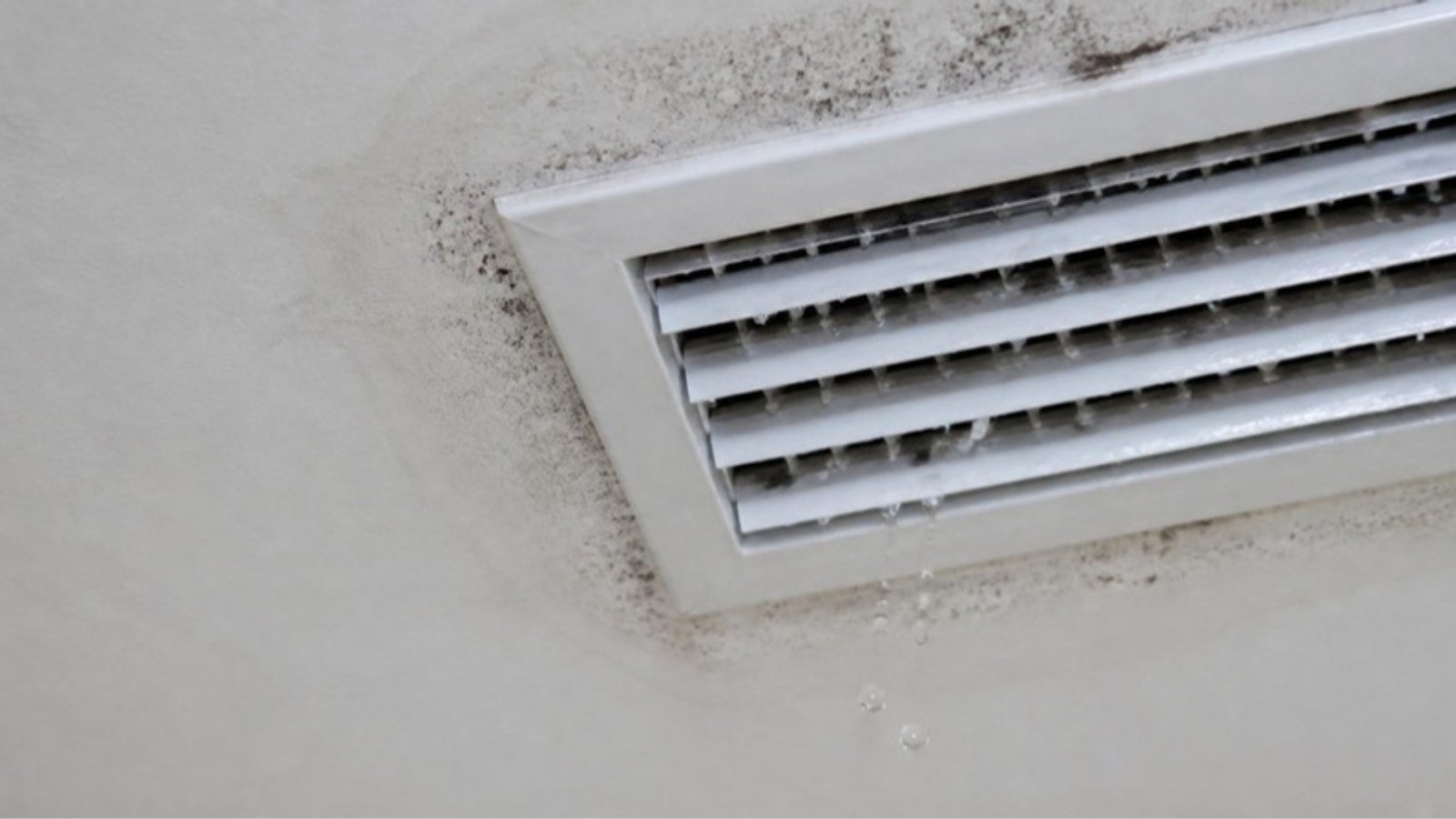
- Dark growth on the return grille, the filter rack, or the cabinet panels
- A filter that was never changed during the lease
- Whether the condensate line drains freely. Have it flushed and treated during turnover if it has not been done recently.
Under kitchen and bathroom sinks
- Swelling, delamination, or stains on the cabinet floor
- Supply lines and shut-off valves for drips, corrosion, or mineral crust
- Drain joints and the dishwasher connection while water runs
- The toe-kick and flooring in front of the cabinet
Toilets, tubs, and showers
- Rock each toilet gently. It should not move, and the floor around the base should be firm and dry.
- Caulk and grout lines around tubs and showers, and the wall on the other side of the shower
- Ceiling stains below any bathroom on a second floor
Water heater
- Rust or water in the pan, and corrosion at the base of the tank
- The relief valve discharge line for drips
- Drywall and flooring around the heater closet
Washer box and laundry
- Washer hoses for bulges or cracks
- The wall box valves for drips, and the wall below the box for stains
- The floor and baseboard behind the machine, which is rarely seen during a lease
Windows and sliding doors
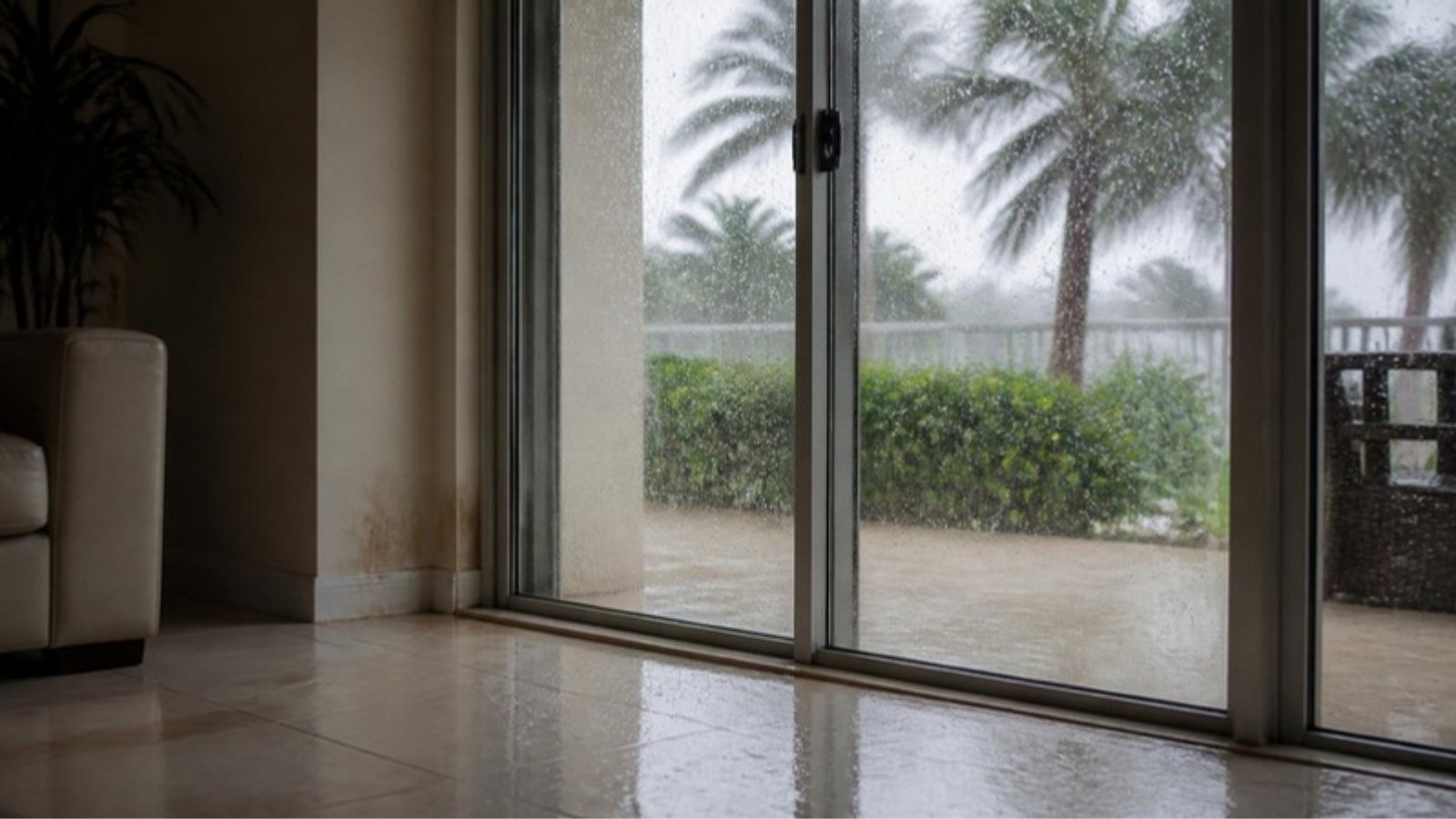
- Sliding door tracks packed with sand and debris, and weep holes that do not drain
- Stains or soft drywall under window corners
- Carpet and tack strip near sliders. Pull back a corner and look for rust or staining.
- Laminate or wood flooring lifting near the door
Ceilings below upper units
- Rings, bubbling paint, or sagging drywall, especially under a neighbor’s bathroom, kitchen, laundry, or AC closet
- Patches of fresh paint you do not remember approving
Closets and the walls where furniture stood
- The back walls and floors of closets, particularly on exterior walls
- The walls behind where the bed, dresser, and couch stood. Spots that went a year without air movement are where growth often shows up first.
- Baseboards along exterior walls for swelling or separation
Finish by running every faucet, shower, and tub for a minute and flushing every toilet, then check under the sinks again. If a musty smell fades after the drains have been run, dry traps were the likely cause. If it stays, keep looking. Our article on the top causes of water damage in South Florida rentals covers the usual sources in more depth.
Photograph it the same way every time
Photos are only useful if you can compare them later, so use the same routine at every move-out and move-in:
- Same order, same angles. Walk the unit in the same sequence each time, with a wide shot of each room and close-ups of the checklist areas.
- Dates on everything. Use a camera app that records the date and time, and keep the original files rather than screenshots.
- Readings in the frame. When you take a moisture reading, photograph the meter display next to the spot you measured.
- Compare move-out to move-in. Put the two sets side by side. A stain that was there at move-in is a maintenance item. A new one needs a cause.
- Write down what you cannot photograph. Odors, a toilet that rocks, or a valve that weeps when opened.
If you plan to charge a tenant for damage, check your lease, HOA documents, and Florida landlord-tenant law with counsel. Good photos help whichever way that goes.
If you find mold, stop before anyone paints
Turnover schedules are tight, and the easy move is to let the painter prime over a few dark spots. Do not do it. The EPA advises against painting or caulking over moldy surfaces. The growth is still there under the paint, and if the moisture source is still there too, it comes back, often after the new tenant has moved in.
- Stop work in that area. Tell the painter, the flooring crew, and the cleaners to skip it until you know what you are dealing with.
- Document it. Photos, approximate size, moisture readings, and where it is in relation to plumbing, windows, and the AC.
- Isolate it. Close the room. Do not dry-brush, sand, or run fans that blow across the growth. If it is on the air handler, the return, or the vents, leave the AC off and have it inspected. The EPA advises against running an HVAC system that you know or suspect is contaminated with mold.
- Find the source. Mold is a moisture problem first. A plumber, HVAC technician, or roofer may need to fix the cause before cleanup makes sense.
- Size the job. The EPA’s guidance is that areas smaller than about 10 square feet can often be cleaned by someone with proper protection once the moisture is fixed. In a rental, professional documentation may be worth having even for small areas, so the next tenant and your file both show it was handled. Larger areas, wet wall cavities, HVAC involvement, or sewage call for professional mold remediation.
Our article on landlord mold responsibilities in Florida covers the wider picture.
When the water comes from a neighbor or a common element
In condos and townhomes, the source is often outside the unit: an upstairs toilet, a shared stack, a roof, or an exterior wall. Who is responsible for what depends on the cause and on the association’s governing documents.
- Report it to the association or its manager in writing, with dated photos and moisture readings
- Ask for access to check the unit above or beside, or for the association to arrange it
- Keep a log of every call, email, and visit, with names and dates
- Avoid closing up walls or ceilings until the source is confirmed fixed and the area is dry
Check your lease, HOA documents, and Florida landlord-tenant law with counsel on who pays for what. For the communication side, see our guide to condo water damage coordination and our multi-unit water loss communication checklist.
Fitting remediation and verification into the turnover schedule
Sequence matters more than speed. A workable order:
- Moisture check on day one, before any other vendor touches the unit
- Source repairs by the plumber, HVAC contractor, or roofer
- Remediation under containment, if there is growth
- Structural drying to documented moisture levels
- Post-remediation verification: a visual check, moisture readings, and, where appropriate, air or surface sampling
- Drywall, paint, flooring, and cleaning
- Move-in
Drying time depends on the materials and how wet they are, so a moisture map is a better planning tool than a guess. If the work will run past the lease start date, decide early. A short delay is a better outcome than a new tenant moving in around containment and drying equipment. Our article on why post-remediation testing matters explains the verification step.
Keep the file with the unit
Store each turnover’s checklist, photos, readings, invoices, remediation scope, verification report, and HOA correspondence in a file that stays with the unit, not with the tenant. The next manager, buyer, or insurer will ask for it. Our insurance-ready documentation page shows how we organize ours.
How Edwards Property Remediation works with property managers
- Turnover moisture checks. Moisture mapping of flagged areas and the usual trouble spots, with photos and readings you can drop into the unit file.
- Mold testing when it is warranted, such as an odor with no visible source or a baseline before a new lease.
- Containment, remediation, and drying scheduled around your turnover dates and other vendors.
- Documentation for owners, associations, and insurers.
- 24/7 emergency response when a leak happens mid-lease.
Frequently asked questions
What should I check first during a tenant turnover?
Start with the AC closet and the cabinets under the sinks. Condensate overflows and slow plumbing drips are common sources of hidden water in rentals, and both are easy to check in an empty unit.
Can maintenance staff clean small mold spots during turnover?
The EPA’s guidance is that areas smaller than about 10 square feet can often be cleaned by someone with proper protection once the moisture source is fixed. Clean and dry the surface rather than painting over it, and record what was done. Larger areas, wet wall cavities, HVAC involvement, or sewage call for a professional.
Who is responsible when water comes from the unit above?
It depends on the cause and on the association’s governing documents. Report it to the association in writing with dated photos, ask for the source unit to be checked, and check your lease, HOA documents, and Florida landlord-tenant law with counsel.
Do I need testing after remediation before the new tenant moves in?
Post-remediation verification confirms the work area is clean and dry before walls are closed and the unit is re-rented. It can include a visual check, moisture readings, and, where appropriate, air or surface sampling. It also gives you a record for the unit file.
Is a musty smell in an empty unit always mold?
Not always. Drains that go unused can lose the water in their traps and let sewer odor into the unit. Run water in every fixture and flush every toilet. If a musty smell remains after that and after airing the unit out, look for moisture in closets, under sinks, and around the AC.
Turning over a unit in Palm Beach County
Edwards Property Remediation works with property managers, landlords, and associations across Palm Beach County, including West Palm Beach, Lake Worth, Greenacres, Boynton Beach, Delray Beach, and Boca Raton. If a turnover walkthrough found a stain, a high reading, or growth behind where the furniture stood, call (754) 221-6945, email info@eprllc.net, or book an appointment before the next lease starts.