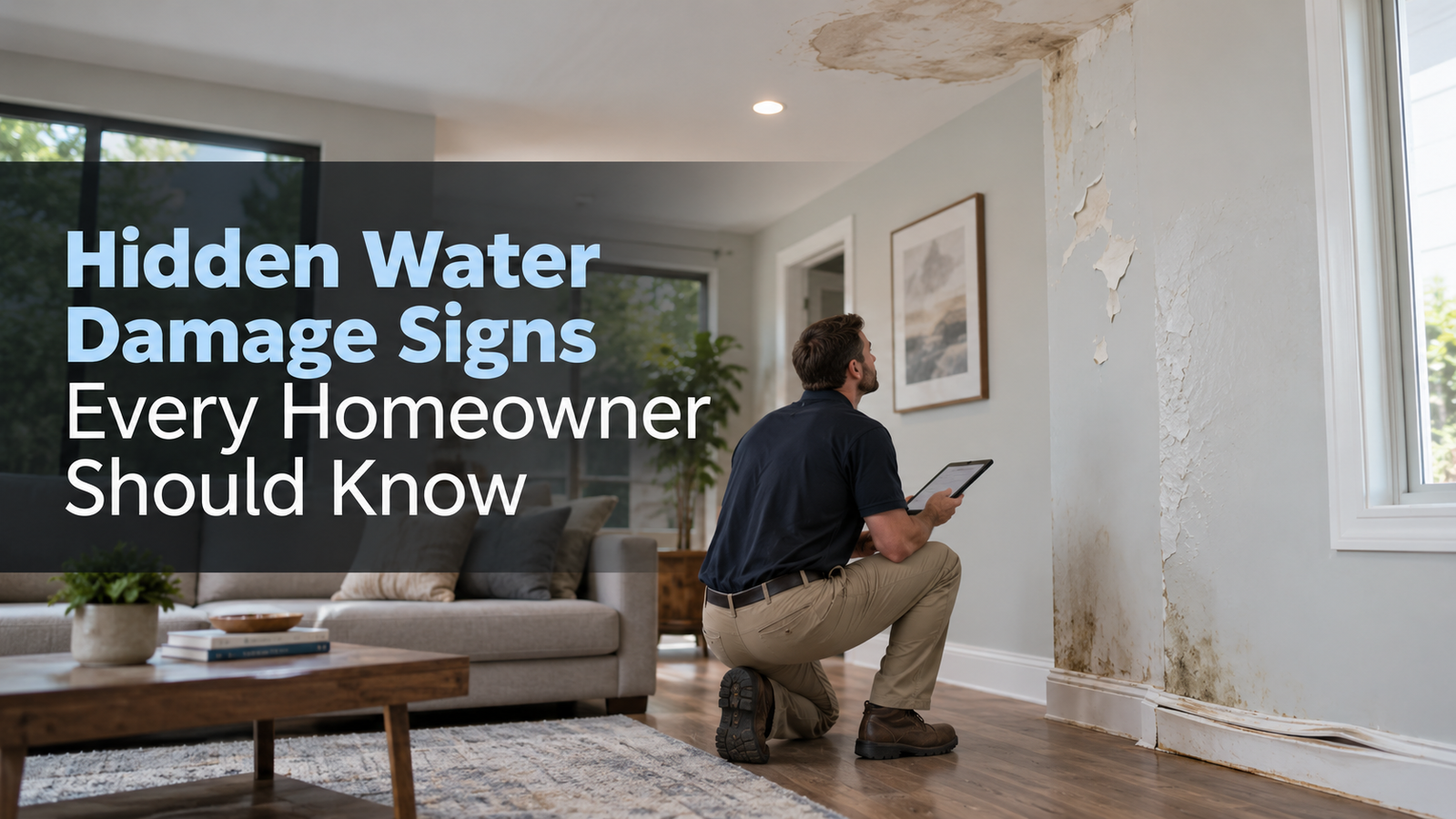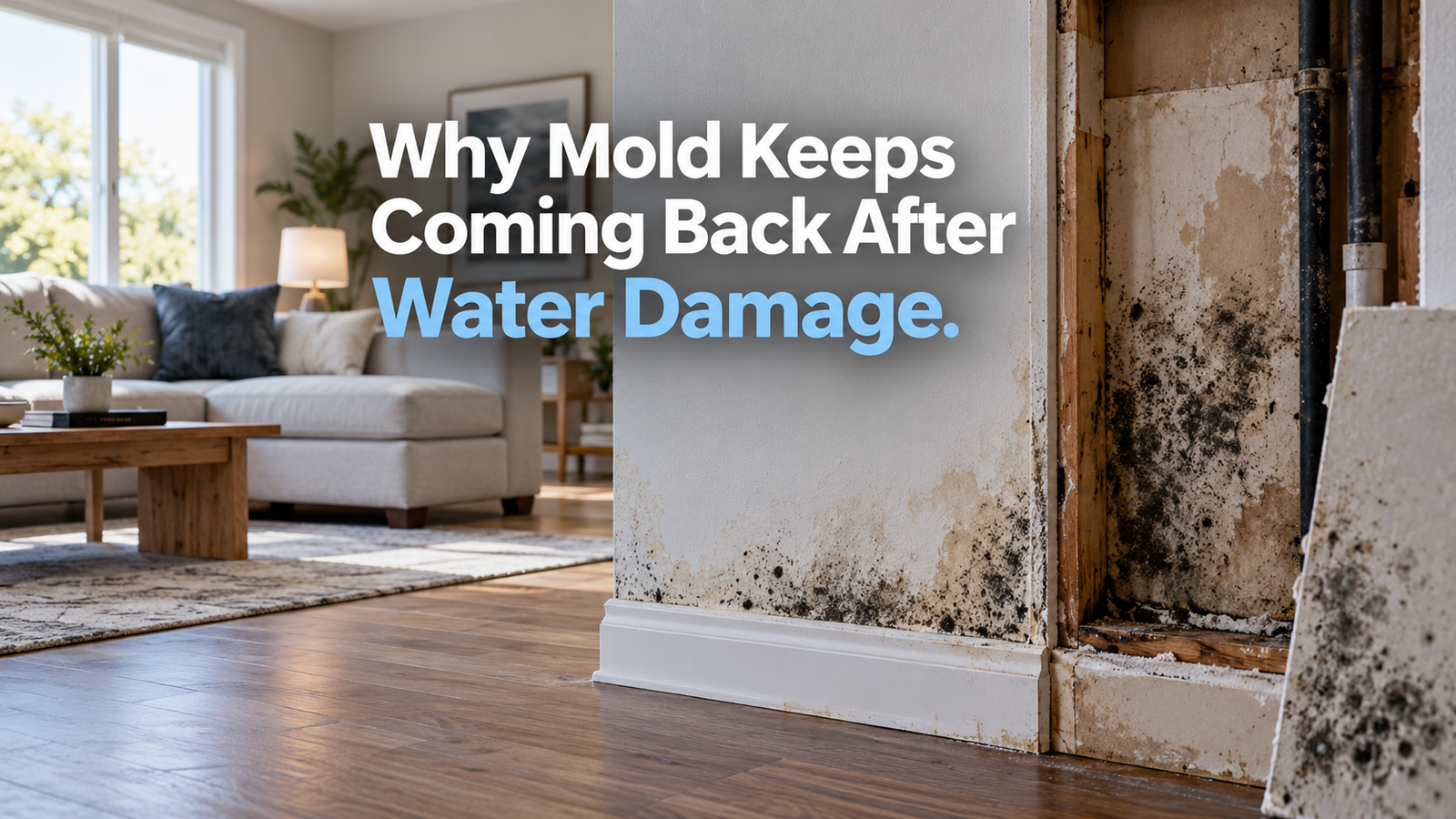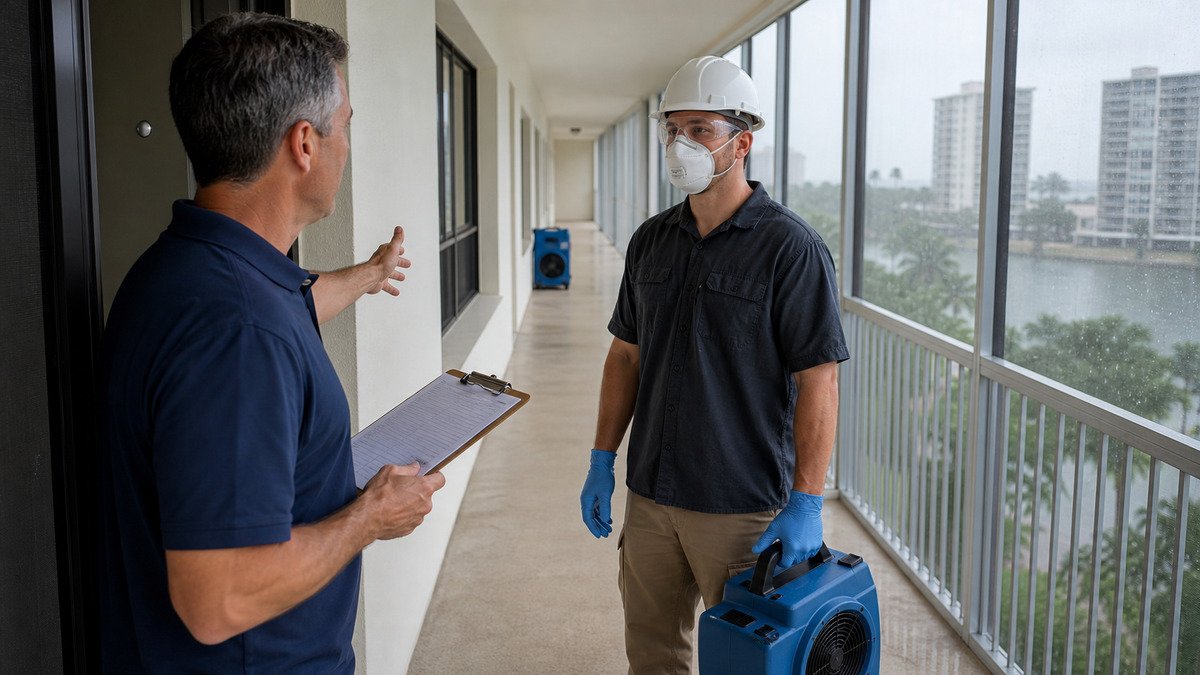
Insurance-ready water damage documentation organizes restoration facts such as the loss timeline, observed affected areas, photographs, moisture-related findings, authorized work, progress, and service records in a clear property file. It supports communication, but it does not guarantee coverage, determine liability, interpret a policy, or replace an adjuster’s decision. Edwards Property Remediation offers insurance-ready water damage documentation alongside emergency extraction, structural drying, and water damage restoration so the record can reflect the actual service sequence.
A useful record begins with the loss narrative
The narrative should state when the property was last known dry, when water was discovered, the known or suspected source, and the actions taken to stop additional entry. It should identify the affected building, unit, rooms, and relevant occupants or contacts. Facts should be attributed when necessary: an occupant may report when a stain appeared, while a plumber may later confirm a failed component. Keeping those sources distinct makes the record more reliable.
If the source or timing is uncertain, the documentation should say so rather than fill the gap with an assumption. Later findings can be added with their own dates. A transparent evolving record is more useful than a polished story that hides uncertainty. Owners can help by preserving original photographs, maintenance requests, invoices, and source-repair documents for the restoration team to reference within the project file.
- Discovery time and last-known-dry information
- Known, suspected, and confirmed source details kept distinct
- Affected building, unit, room, and access information
- Immediate actions and responsible contacts
Photographs should show context as well as detail
An organized photo set normally moves from establishing views to room views and then to close details. A close image of staining has limited meaning if the viewer cannot tell which wall or room it belongs to. Labels should use consistent room names, dates, and project phases. Original files should be preserved even when copies are resized or annotated for a report.
Safety comes before completeness. Neither owners nor technicians should enter an energized wet area, stand beneath unstable materials, or disturb suspected microbial growth merely to obtain an image. Access limitations belong in the record because they explain what could not be observed. Follow-up images can be added when conditions permit, clearly separated from initial and progress documentation.
Moisture information needs location and timing
A moisture-related note is useful when it identifies the room, material or assembly, approximate location, date, project phase, and relevant comparison or method used by the professional. A number without context can be misleading. Documentation should also distinguish a noninvasive observation from information gathered after materials were accessed. The report’s language should remain within what the inspection and tools can support.
Moisture records help inform drying and material decisions; they are not structural, electrical, environmental, or medical conclusions. Concealed conditions may remain uncertain when access is unavailable or outside the scope. Edwards Property Remediation’s advanced structural drying service provides the operational context for tracking affected materials over time, while the documentation records how those project decisions were made.
Emergency and ongoing work should be separated
The file should distinguish immediate source-control coordination and water extraction from later drying, cleaning, removal, or rebuilding. Record what was authorized during the emergency visit and what required a separate decision. This prevents an after-hours extraction authorization from being mistaken for approval of every possible restoration activity. It also shows which conditions were addressed first and which remained pending.
For each phase, retain the proposed scope, owner authorization, work notes, relevant photographs, and changes. If the scope expands because water migrated farther than first visible or a material cannot be managed as planned, record the new observation and decision. A clear change trail is more useful than silently replacing the original scope with a final version.
Equipment and monitoring records explain the drying process
Where drying equipment is used, the project record may identify equipment locations, monitoring visits, material observations, environmental conditions relevant to the plan, and changes made by the responsible team. Owners should report power loss, moved equipment, new water, or blocked access because those events can affect the process. They should not interpret individual readings or adjust equipment without direction.
A documented endpoint should state what the restoration team evaluated and the basis for ending that phase. It should not imply that unrelated source repairs, reconstruction, or specialist evaluations are complete. If an area was inaccessible or a condition remained outside the scope, the closeout record should make that limitation visible rather than bury it in general language.
Contents, cleaning, and removal need their own trail
When contents or building materials are moved, cleaned, or removed, document their original location, observed condition, handling decision, and destination when that activity is within scope. Photographs and item groupings can provide context without claiming a value. Owners should identify important, regulated, or unusually sensitive property before work so appropriate handling or referrals can be discussed.
Do not discard materials solely to make the scene appear orderly before documentation. At the same time, immediate hazards may require prompt handling. The project team should explain how safety, sanitation, access, and documentation will be balanced. Valuation, coverage, and ownership disputes belong to the relevant insurer or adviser, not to an unsupported statement in a restoration record.
Know what insurance-ready does not mean
“Insurance-ready” describes organization and clarity for insurance-related communication; it is not a promise that every cost will be covered or that a claim will be approved. Policies, facts, deductibles, exclusions, duties, and carrier decisions vary. The restoration company can describe observed conditions and performed work, while the insurer interprets coverage and the appropriate qualified professionals address legal or technical conclusions outside restoration.
Owners should contact their insurer or representative for claim instructions and preserve all requested records. Ask whether the carrier has specific submission, inspection, or communication requirements. Do not delay reasonable safety or source-control steps while assembling a perfect package, but maintain a dated record of what was done and why.
Prepare for a documentation-focused service call
Have the property address, affected areas, discovery timeline, source status, access contact, photographs, and available repair information ready. Explain whether extraction or other restoration work has already occurred and identify the companies involved. If tenants, common areas, or neighboring units are affected, note the relevant contacts and any unresolved access limits without speculating about responsibility.
Edwards Property Remediation can discuss insurance-ready water damage documentation as part of the property response and explain what its records will cover. Ask for the proposed service scope, deliverables, timing, exclusions, and process for corrections or added findings. A well-defined documentation service helps everyone work from the same facts while respecting the insurer’s separate decision-making role.
Related resources
- Review the dedicated service for organizing restoration evidence — Insurance-Ready Water Damage Documentation.
- Connect initial extraction records to the opening loss timeline — Emergency Water Extraction Services.
- Understand the monitoring details that give drying records context — Advanced Structural Drying Services.
- Place individual documents within the complete property recovery sequence — Water Damage Restoration.
Frequently asked questions
Do I need a claim number before emergency documentation begins?
Not necessarily for creating a factual loss record, but contact the insurer for reporting and submission instructions. Immediate safety and source-control needs should not wait on paperwork.
Who should keep the original photographs and invoices?
The property owner or authorized manager should preserve originals in a controlled file and share copies through the channels requested by the insurer and project team.
How are errors in a report corrected?
Request a dated clarification or corrected version that preserves the change trail. Avoid silently replacing source records or rewriting the original event timeline.
Can tenant statements be included without exposing private information?
Relevant observations can be attributed and limited to the loss question. Personal, medical, financial, and unrelated details should remain in the appropriate restricted record.
How will I receive the completed water damage file?
Confirm the format, delivery contact, included documents, expected milestone, process for questions, and whether later drying or closeout records will be issued separately.
Take the next step with Edwards Property Remediation
Owners beginning a property-specific documentation review can choose Book Appointment.