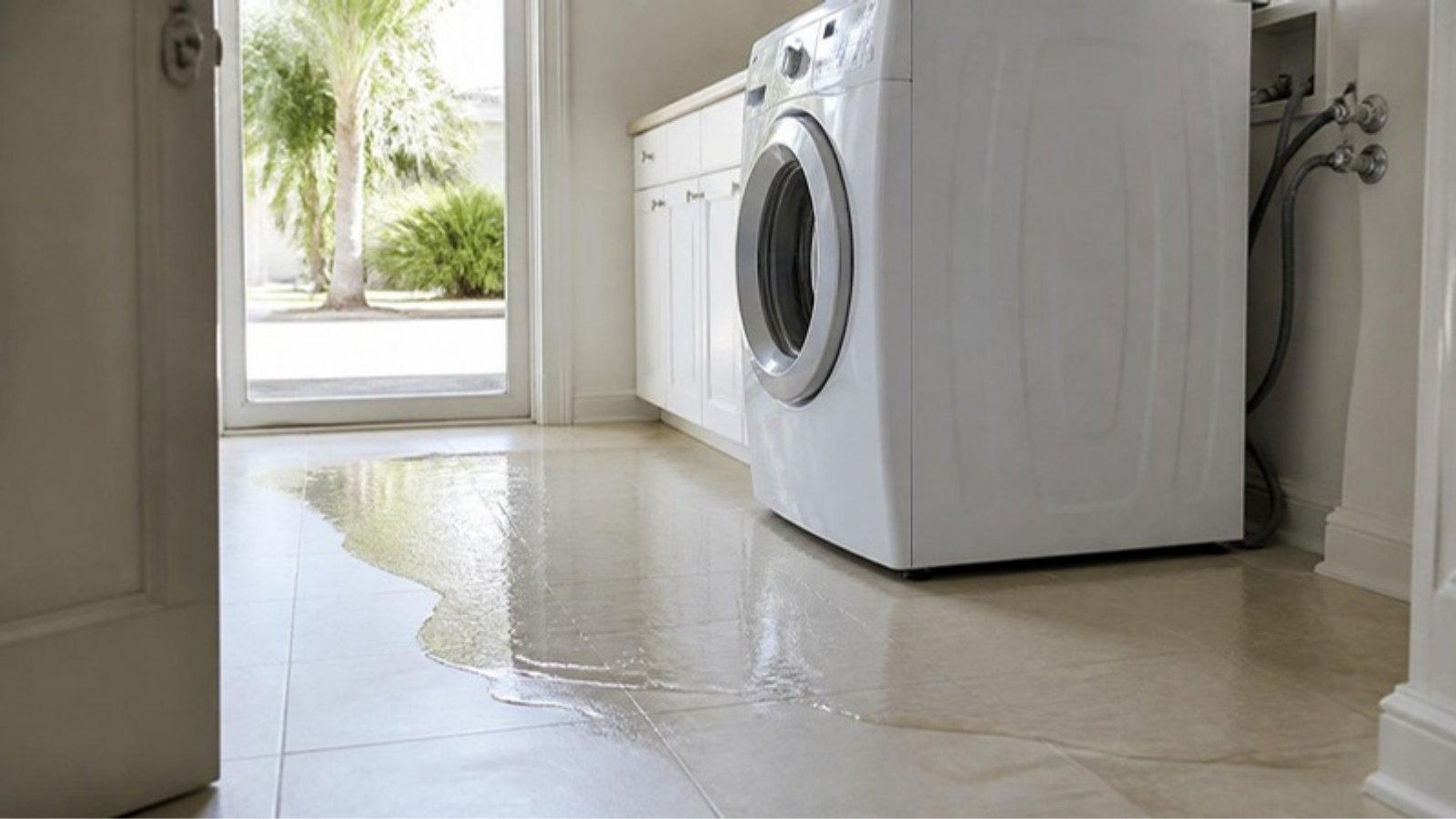
In many Boynton Beach and Lake Worth houses, the water heater stands in a corner of the garage next to the laundry door, and nobody looks at it until something goes wrong. The first clue is usually small: a damp patch on the garage floor that never quite dries, a rust ring under the tank, or carpet in the bedroom on the other side of the garage wall that feels cool underfoot. By then, a slow water heater leak may have been feeding the slab, the bottom of the wall, and the next room for weeks.
This article covers the warning signs that a tank is starting to fail, the difference between a slow seep and a sudden rupture, what to do in the first few minutes, and which materials around the heater get wet first. It also explains where the plumber’s job ends and where water extraction and drying begin.
Where Florida water heaters sit, and why location matters
Most South Florida homes are built on a concrete slab with no basement, so the water heater ends up on the main living level or above it. Where it sits decides what a leak will reach.
- Garage. A common spot in single-family homes. Water spreads across the slab, soaks anything stored on the floor, and wicks into the drywall on the wall shared with the house.
- Utility or laundry closet. Common in townhomes, condos, and newer houses. The heater sits inside the living space, so a leak reaches baseboards, drywall, carpet, and laminate quickly.
- Upper-floor condos. In a mid-rise or high-rise, a failed tank can send water into the unit below. Our guide to coordinating condo water damage in South Florida explains who usually handles what.
- Attic. Less common, but an attic tank that leaks soaks insulation and comes through the ceiling, often with no warning until a stain appears.
Slow seepage versus sudden failure
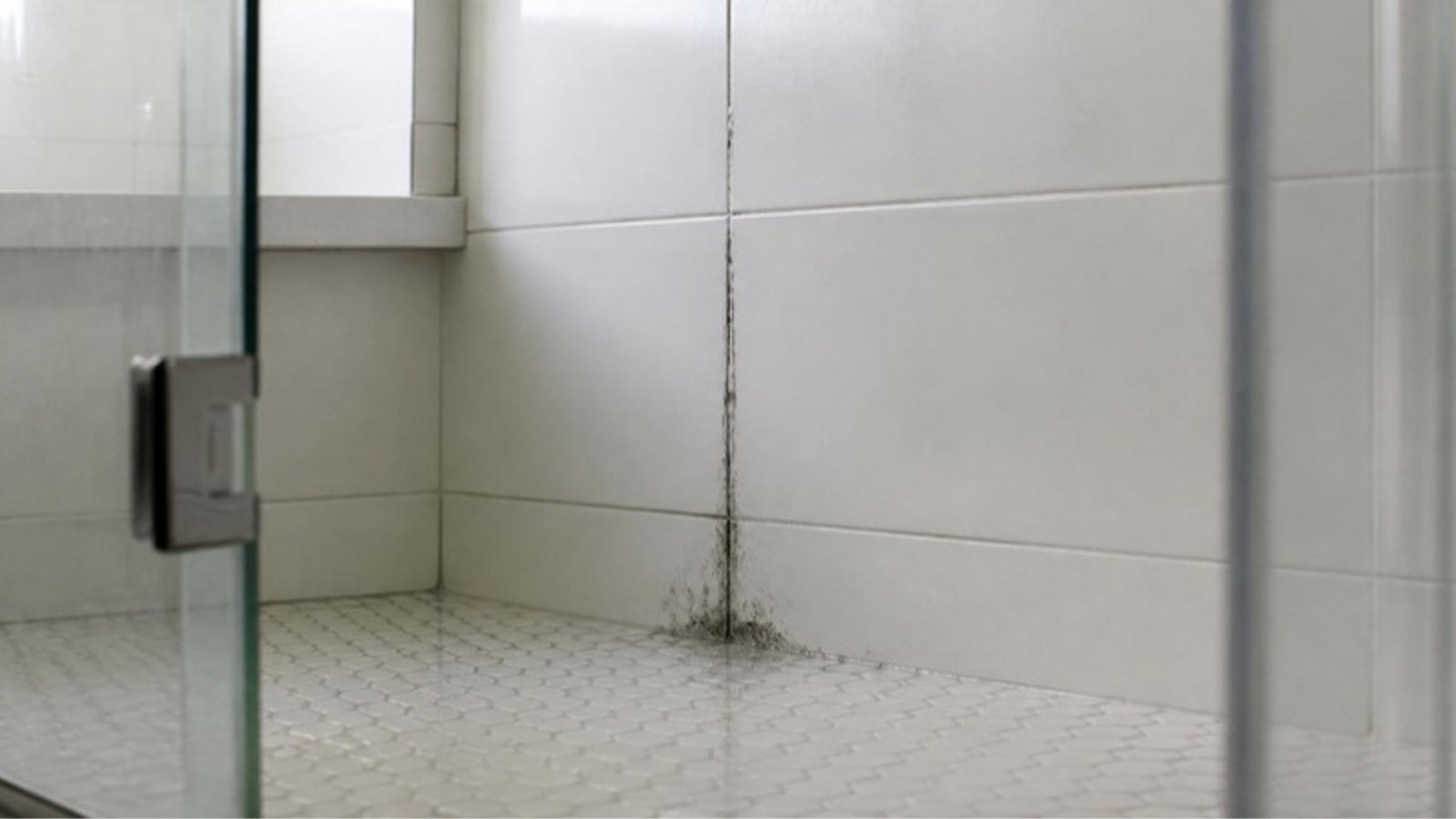
Slow seepage is the more common problem. A fitting at the top of the tank weeps, the drain valve at the bottom drips, or the relief valve lets out a little water now and then. The water evaporates or soaks in before anyone sees a puddle, but over weeks it swells baseboards and keeps the bottom of the drywall damp. Mold can start growing on wet materials within 24 to 48 hours, and a slow leak keeps them wet far longer than that.
Sudden failure happens when the tank itself gives out, usually after corrosion has worked through the steel from the inside. The heater dumps the water it holds and then keeps going, because the cold supply line refills the tank as fast as it drains. A rupture while you are at work or away for the weekend can spread across several rooms.
Tank water starts out clean, which the IICRC classifies as Category 1, but water that sits or runs across a garage floor can degrade to Category 2 or 3, which changes the cleanup. Our article on the three categories of water damage explains the difference.
Warning signs of a water heater leak
Most tanks give some notice before they fail. Walk past yours once a month and look for these:
- Moisture, puddles, or white mineral crust on the floor around the base
- Water in the drain pan, or a rust line showing it has held water before
- Drips, or green and white crust, on the pipe fittings at the top of the tank
- A drain valve near the bottom that drips or has a wet stain under it
- Rust on the outer jacket, especially along the bottom edge
- Rusty or discolored water from the hot taps only
- Popping or rumbling sounds while the heater runs
The temperature and pressure relief valve
Every tank water heater has a temperature and pressure relief valve, usually called the T&P valve. It sits near the top of the tank, with a discharge pipe running down the side, and opens to release water if the temperature or pressure inside climbs too high. The discharge pipe should never be capped or plugged. A valve that drips, or water at the end of that pipe, can mean the valve is worn or that pressure or temperature is running too high. Either way, call a licensed plumber, and check the floor and wall where that pipe discharges.
Rust, sediment, and age
Minerals in the water settle to the bottom of the tank as sediment, which causes the popping and rumbling sounds. Inside the tank, a sacrificial anode rod corrodes so the steel does not. Once that rod is used up, the tank starts to rust, and rust at the base is a sign that failure is getting closer.
Many tank water heaters start showing these problems at roughly a decade old. If you do not know the age of yours, the manufacture date is usually coded into the serial number on the label, and a plumber can read it for you.
What to do the moment you find a water heater leak
- Stay out of water near electrical. If water has reached outlets, cords, or the electrical panel, do not walk through it. If you cannot reach the breaker from a dry spot, call an electrician or your electric utility.
- Shut off the cold water supply. Close the valve on the cold inlet pipe at the top of the heater. If there is no valve, or it will not close, shut off the main water valve to the house.
- Turn off the energy source. For an electric heater, switch off its breaker. For a gas heater, turn the gas control to off following the instructions on the unit. If you smell gas, leave the house and call your gas utility or 911 from outside.
- Let the water cool. Tank water can be hot enough to scald. Keep your hands away from the leak, and leave draining the tank to the plumber.
- Take photos and video. Get the heater, its label, the puddle, and wet walls and flooring before you move anything. Your insurer may ask for them.
- Call a plumber for the heater and a restoration company for the water. These are two different jobs: the plumber repairs or replaces the heater, and we deal with what the water left behind.
What gets wet first, and what you cannot see
Water spreads along the floor first, then climbs into whatever it touches. This is roughly the order we find it in:
- Baseboards. MDF and particleboard baseboards swell and split along the bottom edge.
- The bottom of the drywall. Drywall wicks water upward like a paper towel, and the back side, inside the wall cavity, stays wet the longest.
- Cabinets. In a laundry room or near a kitchen, water runs under the toe-kick into particleboard cabinet bases, which swell and rarely recover.
- Flooring in adjacent rooms. Carpet pad holds water. Laminate and engineered wood trap it underneath, where it travels along the slab before the boards cup.
- Stored items in the garage. Cardboard, paper, and fabric start growing mold quickly in a humid garage.
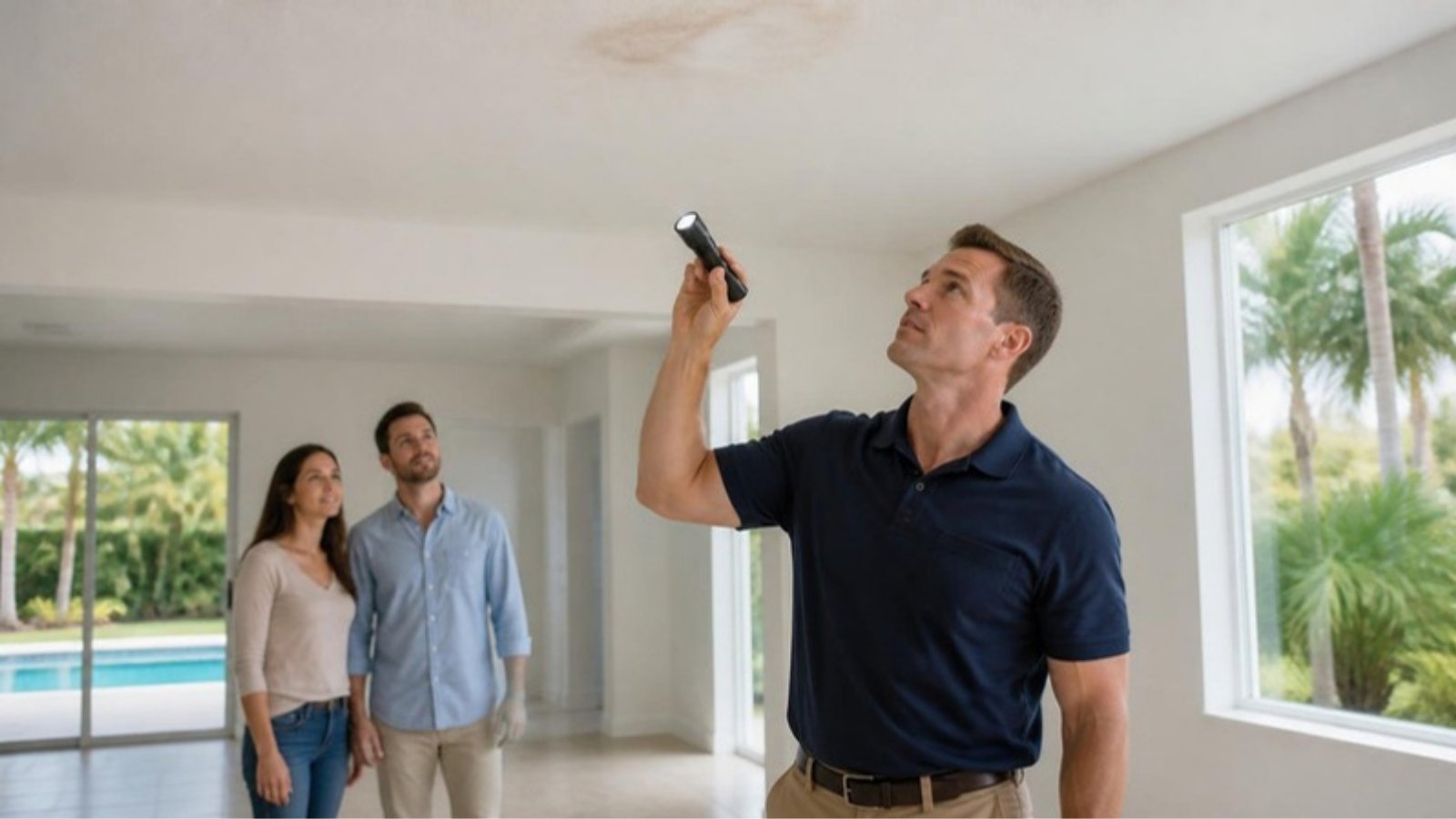
Moisture meters and thermal imaging show where the water actually went, which is often farther than the puddle suggested. Our guide to hidden water damage signs covers what to watch for in the days after a leak.
How Edwards Property Remediation handles water heater damage
Once the plumber has stopped the leak, our IICRC-certified technicians take over the drying side:
- Moisture mapping. We check the floor, walls, cabinets, and adjacent rooms with moisture meters and thermal imaging, and confirm the water category.
- Emergency water extraction. We pull standing water off the slab and out of carpet and pad.
- Controlled removal. Materials that cannot be dried in place, such as soaked pad or swollen baseboards, are removed. When a wall cavity is wet, we cut the drywall a short distance up so air can reach inside.
- Advanced structural drying. Air movers and dehumidifiers dry the slab, wall cavities, and cabinets. We take readings throughout and stop when materials reach dry standards, not when they look dry.
- Mold checks. If the leak was slow and growth has started, the area is contained and remediated before anything is rebuilt.
- Documentation. Photos, moisture readings, and a written scope go into a file for your insurance company. Our insurance-ready water damage documentation page explains what that file includes.
Preventing the next leak
What a drain pan can and cannot do
A drain pan is a shallow tray under the heater that catches drips and small leaks. A pan with a drain line piped outdoors or to a floor drain can handle a slow leak for a long time. One without a drain line holds only a little water before it overflows, and no pan can keep up with a ruptured tank that the supply line keeps refilling. A pan full of water that nobody looks at is just a slower leak.
Habits that catch leaks early
- Put a leak sensor in the pan or beside the heater. Wi-Fi sensors alert your phone while you are at work or out of town.
- Ask a plumber about an automatic shut-off valve that closes the supply when a sensor detects water.
- Have the tank flushed once a year by a professional. Flushing clears sediment, and the plumber can check the anode rod and relief valve on the same visit.
- Plan for replacement. If your tank is around a decade old and showing rust, replacing it before it fails is far simpler than drying out the rooms around it.
Frequently asked questions
Is a small puddle under my water heater an emergency?
It may not be an emergency yet, but it should not wait. A dripping drain valve, loose fitting, or relief valve can all get worse. Call a plumber to find the source and check nearby baseboards and walls for moisture. If the water is spreading or the tank itself is wet, shut off the cold supply and treat it as urgent.
Why is water coming out of the pipe on the side of my water heater?
That pipe is the discharge line for the temperature and pressure relief valve. Water there means the valve opened or is not sealing, which can point to a worn valve or to temperature or pressure that is too high. Have a licensed plumber check it, and never cap or plug that pipe.
Can I dry a water heater leak myself with fans?
For a small spill on tile or sealed concrete caught right away, fans and towels may be enough. Once water has reached baseboards, drywall, carpet, laminate, or cabinets, household fans usually dry the surface while the material underneath stays wet. A moisture meter is the only reliable way to know when it is dry.
How long can a water heater leak go before mold starts?
Mold can begin growing on damp materials within 24 to 48 hours. A slow leak that has been dripping for weeks has often started growth behind baseboards or on the back of the drywall, even when the front of the wall looks clean.
Does homeowners insurance cover water heater leak damage?
It depends on your policy and the cause. Many policies treat a sudden failure differently from damage caused by a slow leak over time, and the heater itself may not be covered even when the water damage is. Read your policy, call your agent, and photograph the damage before cleanup begins.
Found water around your water heater?
Edwards Property Remediation provides 24/7 emergency water damage response across Palm Beach County, including Boynton Beach, Lake Worth, West Palm Beach, Greenacres, and Boca Raton. Call (754) 221-6945, email info@eprllc.net, or book an appointment online.