
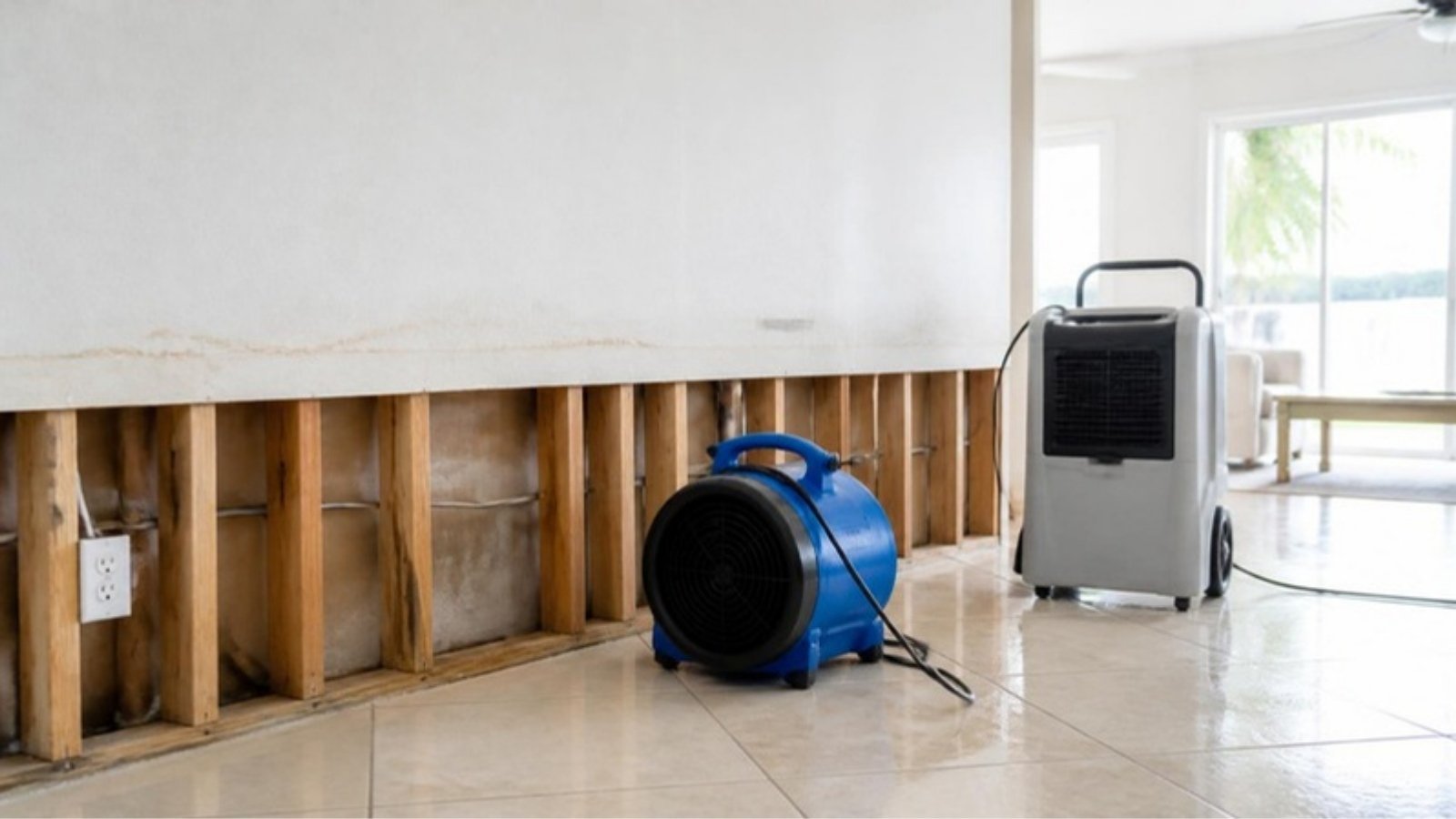
Water damage is one of the most common and costly problems South Florida homeowners face. The real danger often isn’t the obvious flood or bursts pipe. It’s the hidden moisture that quietly spreads behind walls, under floors, and inside ceilings. By the time visible stains or mold appear, the damage is frequently more extensive and expensive to repair.
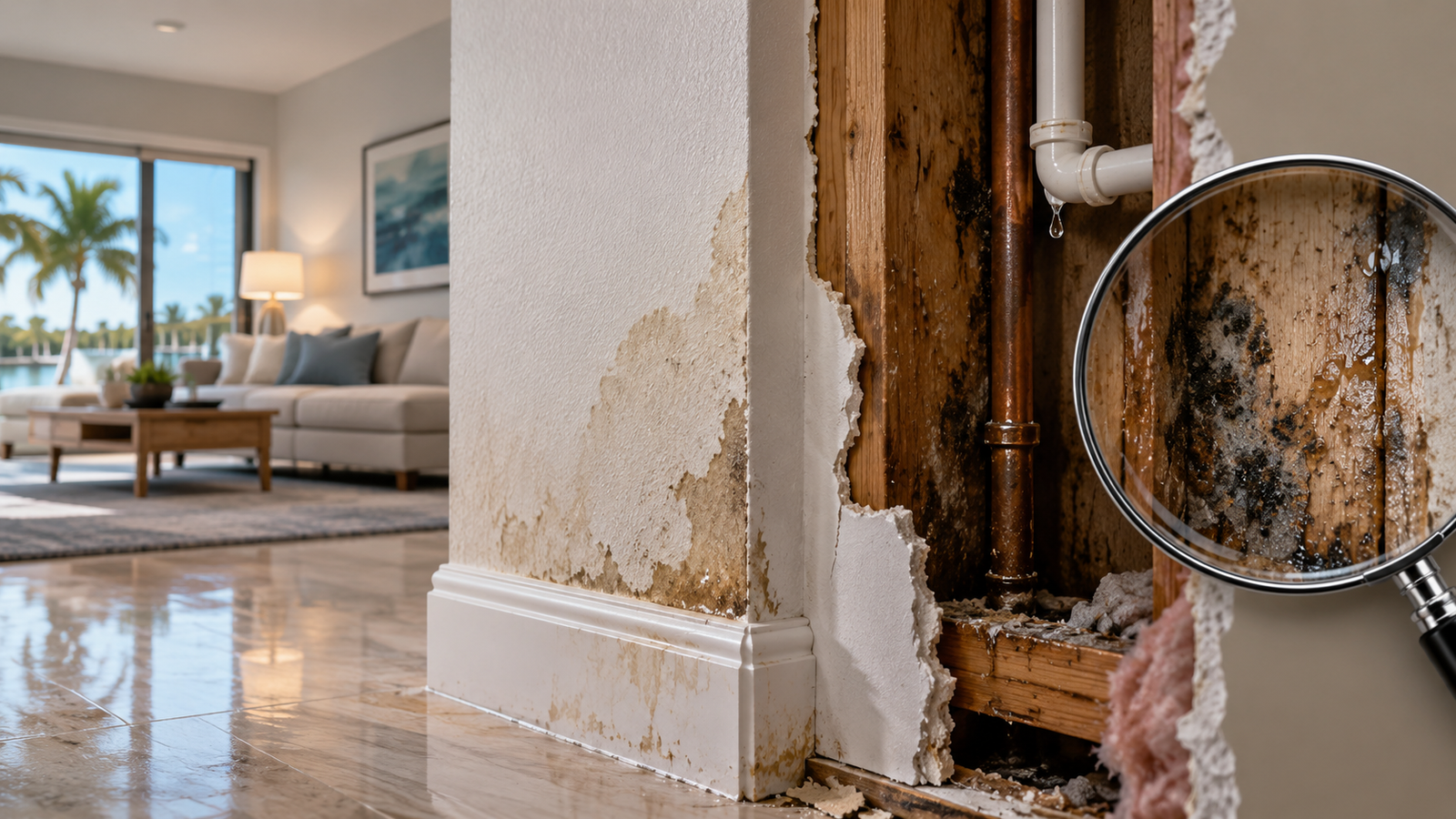
EPR (Environmental Pro Restoration) has restored thousands of homes across Broward, Palm Beach, and Miami-Dade counties. Our experience shows that early detection of hidden water damage can save homeowners thousands of dollars and protect their family’s health. This guide outlines the most important warning signs every homeowner should recognize.
Why Hidden Water Damage Is So Dangerous
In Florida’s humid climate, moisture does not dry out quickly on its own. Even small, slow leaks can create ideal conditions for mold growth within 24–48 hours. Hidden water damage can:
- Weaken structural materials
- Promote mold and bacterial growth
- Damage insulation and electrical systems
- Lower indoor air quality
- Reduce property value
The sooner you identify the signs, the easier and less expensive the solution.
1. Musty or Earthy Odors
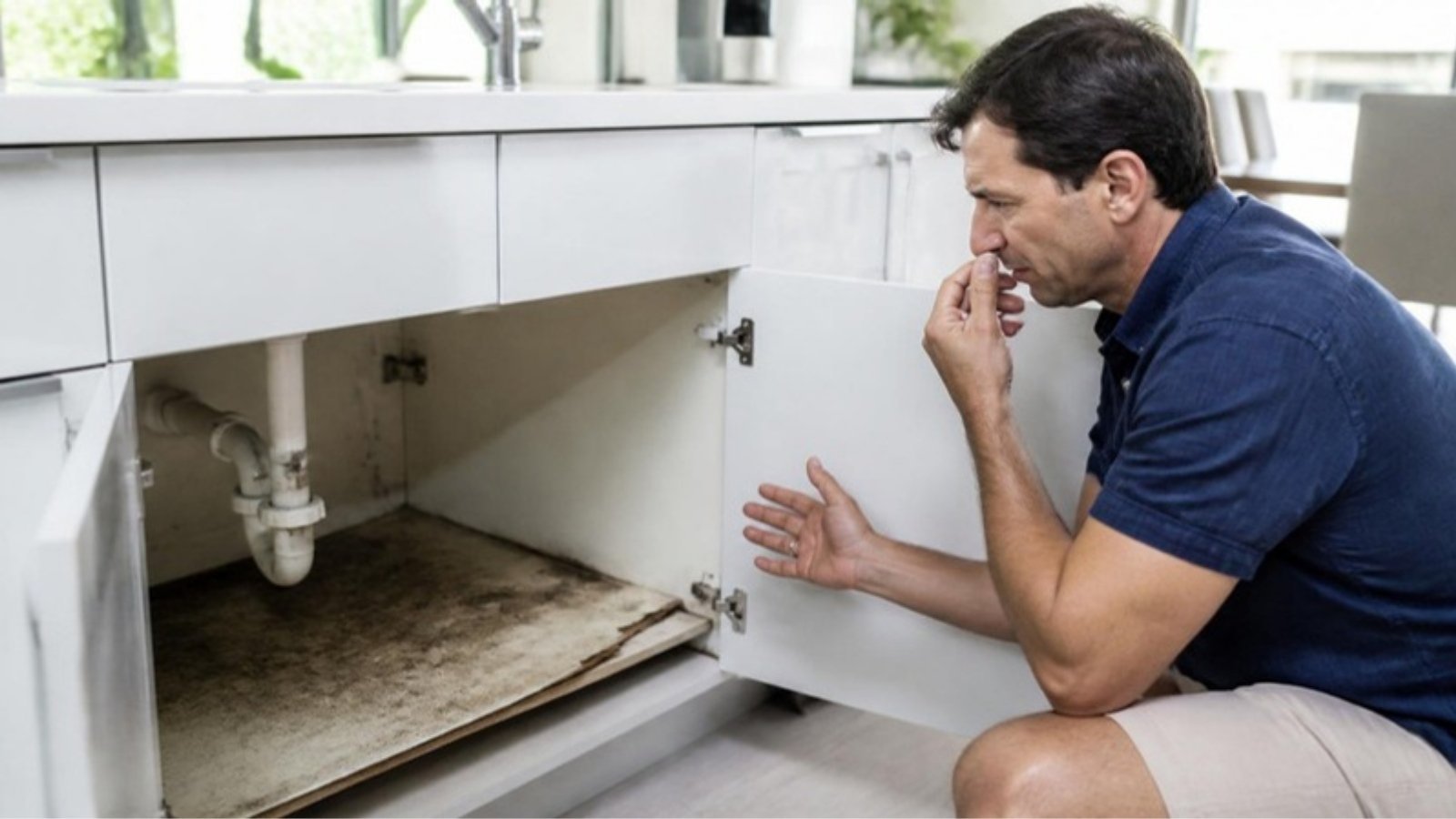
A persistent musty smell is one of the earliest indicators of hidden moisture. Even if you cannot see water or mold, the odor often means microbial growth is occurring in wall cavities, under flooring, or in the HVAC system. Do not ignore this warning sign.
2. Unexplained Allergy or Respiratory Symptoms
If family members experience increased sneezing, congestion, coughing, or fatigue that improves when they leave the house, hidden water damage and mold may be the cause. These symptoms are especially common when the air conditioning is running and circulating contaminated air.
3. Soft or Spongy Flooring
Walk across your floors and pay attention to areas that feel soft, springy, or uneven. This is a classic sign of moisture under the flooring, particularly in bathrooms, kitchens, laundry rooms, and near exterior walls.
4. Peeling, Bubbling, or Discolored Paint and Wallpaper
Paint and wallpaper that peel, bubble, or show discoloration often indicate moisture trapped behind the surface. In Florida homes, this is frequently seen on exterior-facing walls and ceilings after roof or window leaks.
5. Warped or Buckled Flooring
Wood and laminate flooring that cups, warps, or buckles is usually reacting to elevated moisture levels underneath. The problem may start small and spread if the moisture source is not addressed.
6. Stains on Ceilings or Walls
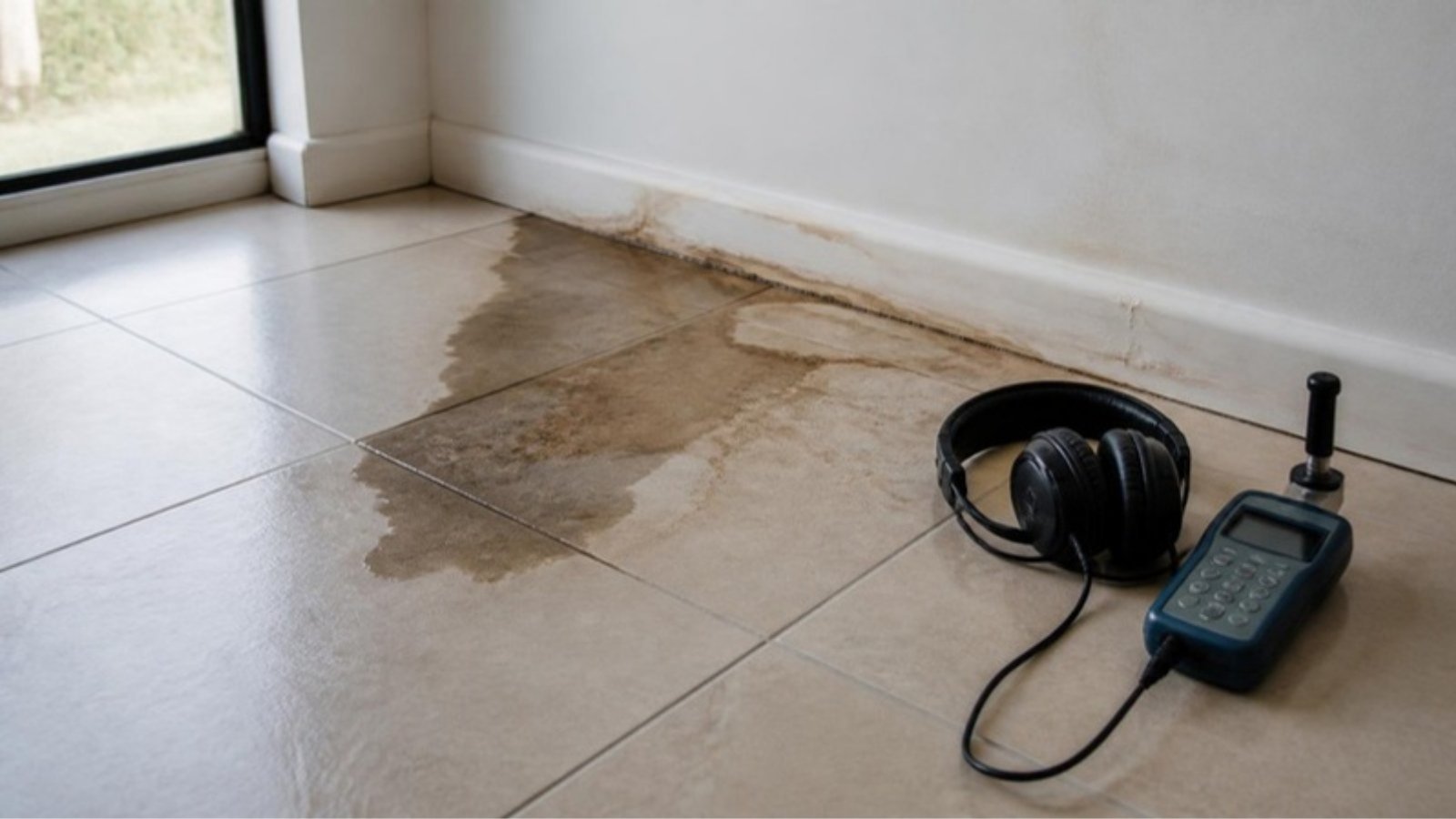
Yellowish or brownish stains are classic signs of water intrusion. Even if the stain appears dry, moisture may still be present inside the material. Ceiling stains are especially concerning because they often point to roof or upper-floor plumbing issues.
7. Condensation on Windows or Walls
While some condensation is normal in humid weather, excessive or constant moisture on interior surfaces can signal high indoor humidity or hidden leaks that are adding moisture to the air.
8. Visible Mold Growth (Even Small Spots)
Any visible mold is a clear indicator that moisture is present. What appears as a small spot on a wall or ceiling is often the tip of a larger problem behind the surface.
9. Higher Than Normal Humidity Levels
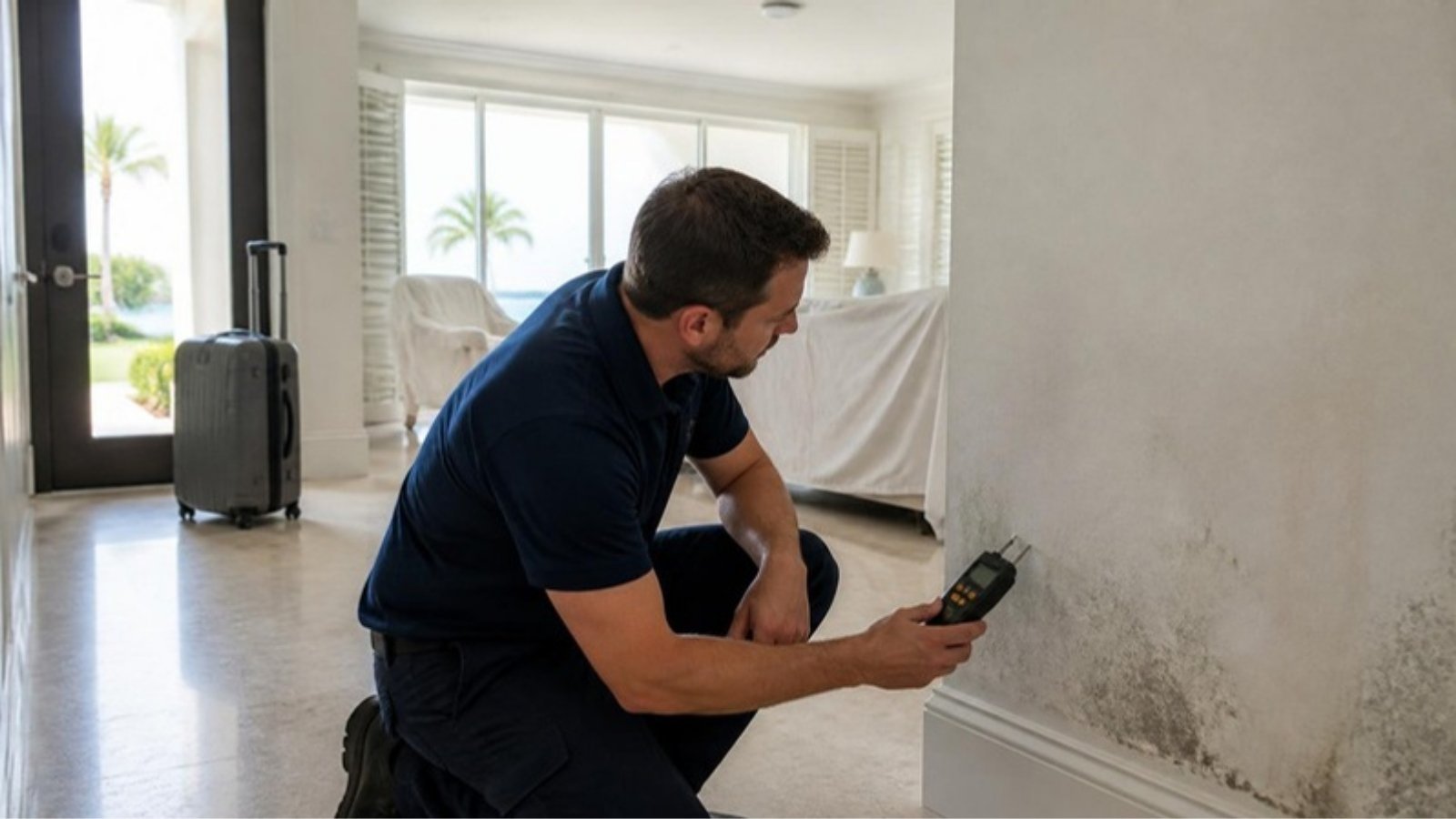
If your home feels persistently damp or your air conditioner struggles to keep humidity in check, hidden moisture may be contributing. Professional moisture mapping can reveal the source.
10. Increased Energy Bills Without Explanation
A sudden rise in cooling costs can sometimes be linked to moisture problems. Wet insulation loses effectiveness, forcing your HVAC system to work harder.
Additional Warning Signs to Watch For
- Cracked or uneven drywall
- Doors and windows that stick or no longer close properly
- Rust or corrosion on metal fixtures and HVAC components
- Soft spots in cabinets or baseboards
- Unexplained pooling of water near appliances or exterior walls
What to Do If You Notice These Signs
- Document Everything — Take clear photos and notes of the symptoms you observe.
- Avoid DIY Demolition — Cutting into walls without proper containment can spread contaminants.
- Call a Professional — Certified restoration companies have the tools and training to locate the source accurately.
- Act Quickly — The longer moisture remains, the greater the damage and the higher the cost.
How EPR Detects Hidden Water Damage
EPR uses advanced technology and proven methods:
- Thermal imaging cameras to detect temperature differences caused by moisture
- Professional moisture meters for precise readings in walls, floors, and ceilings
- Air quality testing when mold is suspected
- Thorough visual inspections of common problem areas
- Detailed documentation for insurance claims
Our process identifies both the location and the severity of the problem so we can recommend the most effective solution.
Why Professional Assessment Matters in South Florida
Florida’s climate accelerates water damage. What might remain stable for weeks in a drier region can become a serious mold issue in just a few days here. Professional assessment and rapid response are the most effective ways to limit damage and protect your family’s health.
Frequently Asked Questions
How can I tell the difference between old stains and active water damage?
Professional moisture meters and thermal imaging can determine whether moisture is still present. Visible dryness does not always mean the problem is resolved.
Should I contact my insurance company first?
It is wise to document the issue and then contact both a restoration professional and your insurance company. EPR can help with the documentation process.
Can hidden water damage affect my health even if I feel fine?
Yes. Some people are more sensitive than others. Prolonged exposure to elevated moisture and mold can impact indoor air quality for everyone in the home.
How long does it take to find the source of hidden water damage?
Most assessments can be completed in a single visit. More complex cases may require additional testing.
Is professional moisture mapping expensive?
The cost of a professional assessment is almost always far lower than the cost of delayed repairs and secondary damage.
Protect Your Home by Recognizing the Signs Early
Hidden water damage rarely announces itself with dramatic flooding. The warning signs are often subtle — a musty smell, a soft floor, a small stain, or unexplained health symptoms. Recognizing these early indicators and responding quickly is the best way to protect your home and your family.
If you have noticed any of the signs described in this article, do not wait for the problem to become worse.
Call +1 (754) 221-6945 or email info@eprllc.net today for a professional assessment.
Visit EPR LLC or connect with us on Facebook for real case studies and helpful resources.
Trust EPR to locate hidden water damage accurately and restore your home safely and thoroughly.
One Response