Two days after a late-season storm brushes Jupiter, a brown ring the size of a dinner plate shows up on the hallway ceiling. Nothing is dripping, the shingles look fine from the driveway, and the hallway is nowhere near the side of the house that took the wind. When the roofer gets up there, the problem is a cracked rubber boot around a plumbing vent pipe, two rooms away from the stain.
A roof leak after a storm rarely shows up where it starts. Water gets past the roofing, runs along the decking, trusses, and ductwork in the attic, and comes through the ceiling wherever it finds a low point. This article covers how wind-driven rain gets in, how to check the attic safely, which ceiling signs need action today, and how the work splits between your roofer and Edwards Property Remediation.
How wind-driven rain gets past a roof
Ordinary rain falls mostly straight down and runs off. In a tropical system or a strong squall line, wind drives rain sideways and even upward, into joints that stay dry in a normal shower. Hurricane season runs from June 1 to November 30, and late-season storms hit roofs that have already taken months of summer sun and rain. The usual entry points:
- Lifted or missing shingles. Wind breaks the seal under a shingle and lifts it. Some tear off. Others settle back, so the roof looks normal from the ground while the seal stays broken.
- Cracked or slipped tiles. On the tile roofs common across Palm Beach County, the tiles shed most of the rain, but the underlayment beneath them keeps water out of the decking. Underlayment wears with age and heat, and water past a broken tile finds every weak lap and fastener hole.
- Failed flashing. Metal flashing seals the joints where the roof meets a wall, a chimney, a skylight, or a vent. When the sealant dries out or the flashing pulls loose, rain runs straight behind it.
- Cracked vent boots. Plumbing vent pipes pass through the roof inside rubber or lead collars called boots. Rubber boots crack in the Florida sun and let water run down the outside of the pipe into the attic.
- Clogged gutters. On homes that have them, a gutter packed with leaves backs water up over the roof edge and into the fascia and soffit.
- Soffit and gable vents. In strong wind, rain can blow through attic vents and land on the insulation even when the roof itself is undamaged.
Why the ceiling stain is not under the leak
Water that gets through the roof deck rarely drops straight down. It clings to the underside of the plywood, runs downhill along the rafters or truss chords, and follows whatever it touches: a truss web, an electrical cable, a duct. It lets go at a low point, which can be several feet or a whole room away from where it came in.
Blown-in insulation adds another detour, soaking up the first water and spreading it sideways, so the wet area in the attic is often larger than the stain.
Drips often show up at light fixtures and smoke detectors, because the electrical box is a hole in the ceiling. A stain around an AC supply register may be roof water running along a duct, or an AC problem. Our article on how AC leaks cause water damage covers that side.
Checking the attic safely from inside
If you are steady on a ladder, a look through the attic hatch with a strong flashlight tells you a lot. South Florida attics get dangerously hot by afternoon, so go early in the day and tell someone you are up there.
Stay off the drywall. The ceiling between the joists will not hold your weight. If you go past the hatch, step only on the joists, truss chords, or solid boards laid across them. Watch for roofing nails poking through the deck, and do not touch wiring or junction boxes in a wet area.
What to look for:
- Wet, matted, or discolored insulation, usually in a patch
- Dark stains on the underside of the roof decking, and rust on nail tips coming through it
- Daylight through the roof. Switch off your flashlight and look for pinpoints of light around vent pipes and along the ridge.
- Water stains or droplets on top of the ductwork
- If your air handler is in the attic, water on its platform or in its drain pan, which can come from the roof or the AC
Photograph what you find. If you cannot get up there safely, skip it. A technician with a moisture meter and thermal camera can map the wet area from below.
Ceiling warning signs, and when to stay out of the room
Signs of ceiling water damage to watch for:
- Brown or yellow rings, often adding a new ring with each rain
- Bubbling or peeling paint, where water is collecting under the paint film
- Cracks along drywall seams or lifting joint tape
- Sagging, which means the drywall is saturated and losing strength
- Drips at light fixtures, ceiling fans, or smoke detectors
- A musty smell in one room after a few days of rain
Two of these need action right away.
Water at a light fixture. Turn off that circuit at the breaker and leave it off until an electrician has checked the fixture. Do not flip the wall switch to test it.
A sagging bulge that is holding water. Do not poke it without containment. A saturated ceiling can let go all at once and bring wet insulation and debris down with the water. Keep people and pets out from under it, put a tarp and buckets below, and let a restoration technician drain it in a controlled way. For more on stained ceilings, see our article on water damage and mold on your ceiling.
What to do first after you find a roof leak
- Catch the water. Put buckets, towels, and plastic sheeting under active drips.
- Move your belongings. Pull furniture, electronics, and rugs out of the room, and cover anything too heavy to move.
- Cut power to wet fixtures at the breaker.
- Photograph everything. Get the ceiling, the attic if you checked it safely, and any roof damage you can see from the ground. Pictures taken before cleanup start your insurance file.
- Get a roofer to tarp the roof. An emergency tarp keeps more water out until a permanent repair. Stay off a wet or storm-damaged roof yourself.
- Call your insurance company. Many policies expect you to take reasonable steps to prevent further damage, so keep receipts for tarps and emergency work. Our article on whether insurance covers hurricane water damage and mold remediation answers common questions.
- Call a restoration company to dry what got wet. Once the roof is tarped, drying does not have to wait for the permanent repair. Our guide to hidden moisture after a storm lists the signs a property needs professional drying.
Roofer vs. restoration: how Edwards Property Remediation handles roof leak damage
The roofer finds the entry point, tarps the roof, and makes the repair. We handle what the water touched on its way down: attic insulation, ceiling drywall, walls, flooring, and contents. A ceiling dried before the roof is sealed gets wet again in the next storm, so we coordinate timing with your roofer. Our IICRC-certified technicians usually work in this order:
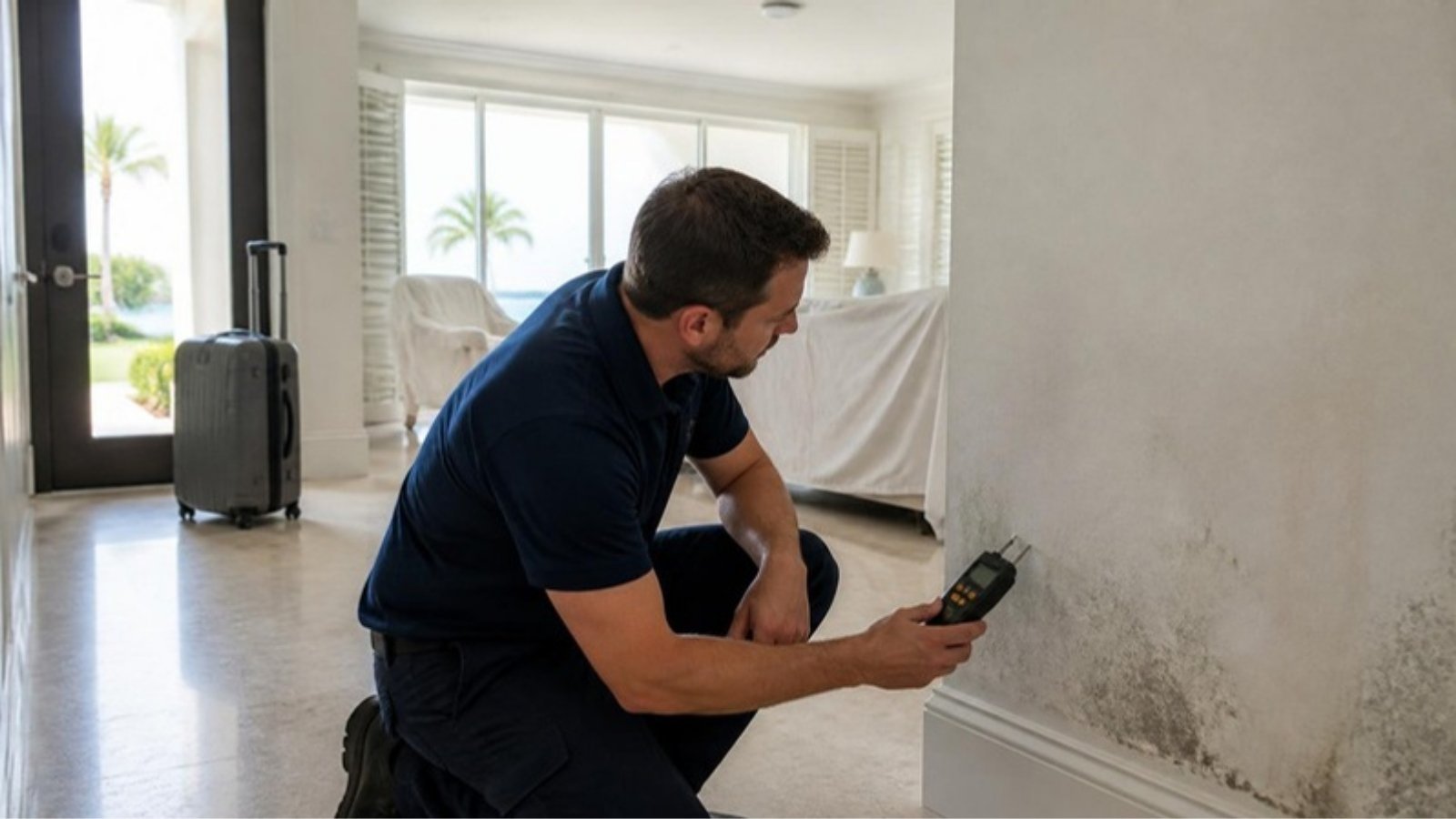
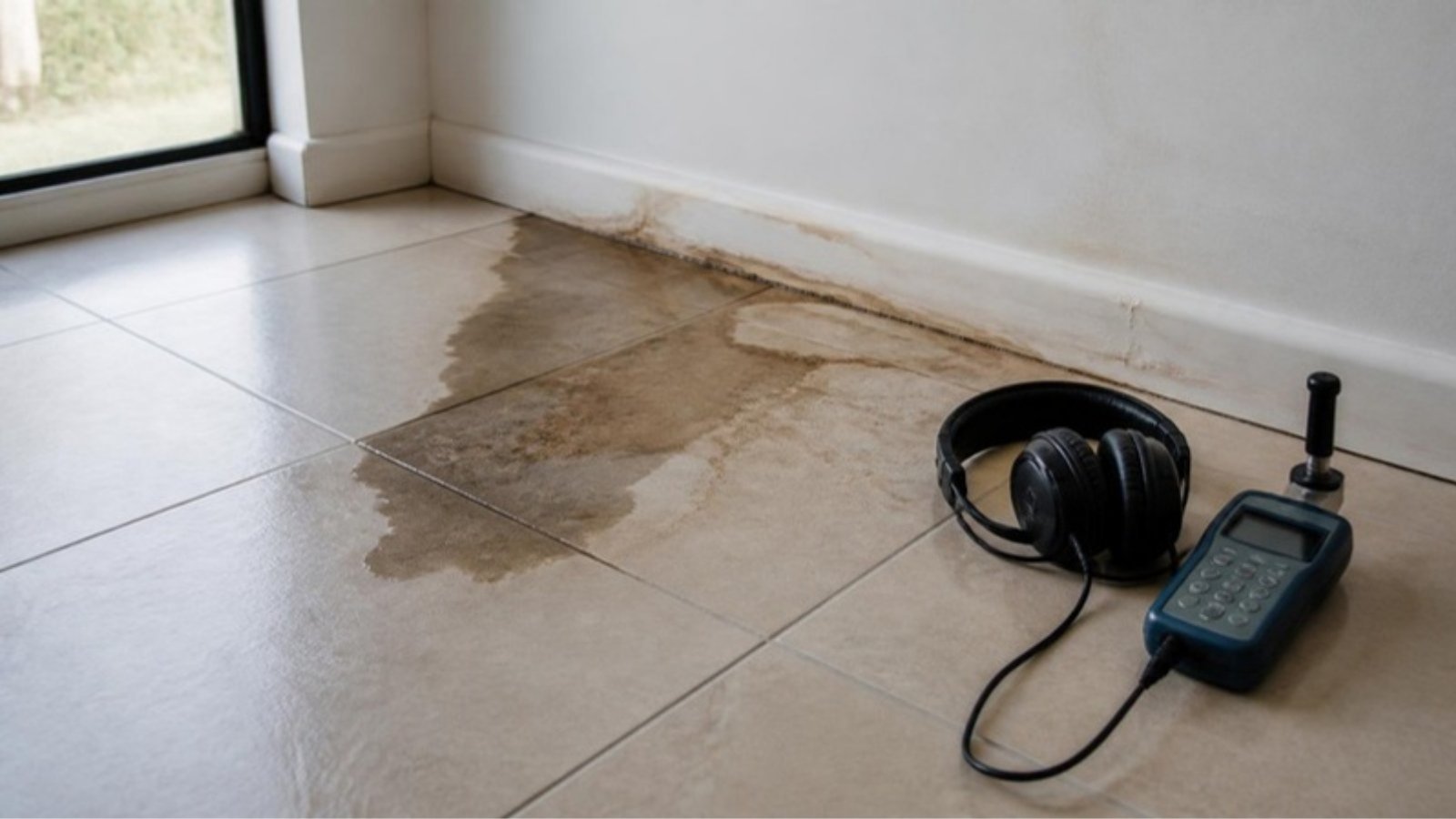
- Moisture mapping from the attic down. Moisture meters and thermal imaging trace the water path along the decking, framing, ceiling, and walls.
- Emergency water extraction where water reached carpet, rugs, or flooring.
- Wet insulation removal, explained below.
- Ceiling assessment. Sagging or crumbling drywall comes down under control. Firm drywall caught early can often be dried in place.
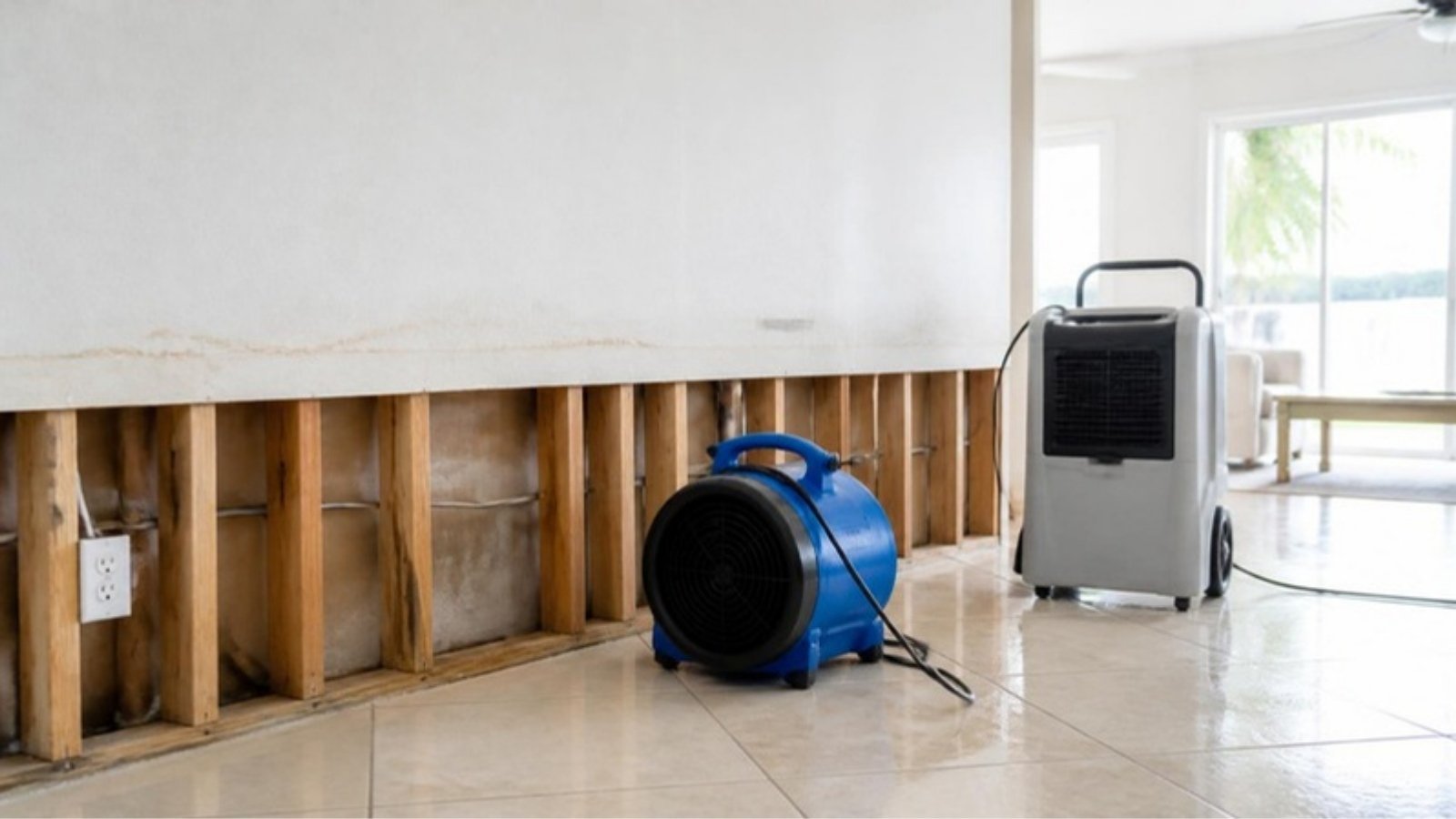
- Advanced structural drying. Air movers and dehumidifiers dry the framing, decking, ceiling, and wall cavities. We record readings throughout and stop when materials reach a dry standard, not when they look dry.
- Mold checks. A slow leak from an earlier storm may already have growth on the decking or the back of the drywall. If so, it is contained and handled through our mold remediation process before anything is closed up.
- Documentation. Photos, readings, and a written scope go into a file for your insurer. Our insurance-ready water damage documentation page explains what it includes.
Why wet attic insulation usually comes out
Lightly damp insulation can sometimes dry in place. Soaked insulation mats down, loses much of its insulating value, and holds water against the ceiling drywall and framing long after the room below seems dry. In a hot, humid Florida attic, that invites mold. The usual fix is to remove the soaked section, dry the area underneath, and install new insulation after the roof is repaired.
Preventing the next roof leak
- Have the roof inspected after any named storm, even if nothing is dripping. A lifted shingle or cracked tile can take weeks to show up as a ceiling stain.
- Ask about the small parts. Vent boots, flashing, and the sealant around skylights often wear out before the roof covering does, and they are far simpler to replace than a ceiling.
- Keep gutters and downspouts clear if your home has them, especially before the rainy season and after storms.
- Look in the attic before June 1 and again after big storms. A few minutes at the hatch can catch a new stain or wet insulation.
- Photograph your roof and attic before hurricane season, so storm damage is easier to document.
Our hurricane season property checklist for South Florida covers the rest of the house.
Frequently asked questions
Why is my ceiling leaking in a room nowhere near the roof damage?
Water that gets through the roof runs along the decking, trusses, wiring, and ductwork until it reaches a low point, then drops onto the ceiling. That point can be a room or more away from where the water came in. Attic insulation also spreads water sideways before the drywall shows a stain.
Can a water-stained ceiling be dried, or does it have to be replaced?
It depends on how wet it got and for how long. Firm drywall with a stain, caught early and dried with the right equipment, can often stay. Drywall that is sagging, soft, crumbling, or growing mold usually has to come out. A moisture meter, not the look of the surface, tells you whether it is dry.
Does wet attic insulation have to be replaced?
Lightly damp insulation at the edge of a small leak may dry. Soaked insulation usually needs to be removed, because it mats down, loses much of its insulating value, and holds water against the drywall and framing. New insulation goes in after the roof is repaired and the area below is dry.
Should I wait for the roofer before calling a restoration company?
No. Get the roof tarped so no more water comes in, then start drying the inside. Mold can begin growing on damp materials within 24 to 48 hours, and a permanent roof repair can take days or weeks to schedule.
Does homeowners insurance cover a roof leak after a storm?
It depends on your policy and the cause. Policies often treat sudden storm damage differently from leaks caused by wear and age, and the roof repair may be handled differently from the water damage inside. Photograph the damage before cleanup, keep receipts for emergency work, and ask your agent or insurer what applies to you.
Water stain after the last storm?
Edwards Property Remediation provides 24/7 emergency water damage response across Palm Beach County, including Jupiter, West Palm Beach, Boca Raton, Delray Beach, and Boynton Beach. If a storm left a stain on your ceiling or wet insulation in your attic, call (754) 221-6945, email info@eprllc.net, or book an appointment online.