On a clear October morning in a Delray Beach neighborhood near the Intracoastal, there is no rain in the forecast and the sky is blue. By mid-morning, saltwater is bubbling up through the storm drains, spreading across the street, and creeping up the driveway toward the garage door. A few hours later it drains away, leaving a line of debris at the curb and a damp stripe along the bottom of the garage wall.
That is king tide flooding, and many coastal neighborhoods in Palm Beach County deal with some version of it in the fall. This article explains what king tides are, how the water reaches streets, garages, and ground-floor units, why outside floodwater is handled differently from a clean water leak, what to do when it comes up, and how to prepare before the highest tides of the year.
What king tides are
“King tide” is not a scientific term. It is the common name for the highest predictable high tides of the year. Tides rise and fall with the pull of the moon and the sun, and they run highest when the moon is closest to Earth and lines up with the sun around a new or full moon. When those conditions overlap, high tide reaches noticeably higher than usual.
In Southeast Florida, king tides are highest in the fall, roughly September through November. Seasonal ocean conditions keep local sea levels a little higher at that time of year, so the astronomical peak lands on top of an already raised baseline. Because they follow the moon, king tides can be forecast months ahead, which gives property owners time to get ready.
How king tide flooding reaches your property
King tide flooding is often called sunny-day or nuisance flooding, because it can happen with no storm and no rain at all. The water comes up from below and in from the side, not down from the sky.
Storm drains running backward
Many coastal storm drains are built to empty into the Intracoastal Waterway or a canal. When the tide rises higher than a drain’s outlet, water flows the wrong way, up through the pipes and out of the street grates. That is why king tide flooding often starts at the curb inlets, with water bubbling up on a dry day. Some cities have added one-way valves to drain outfalls to limit this, but not every drain has one.
Low-lying streets along the Intracoastal
Streets near the Lake Worth Lagoon, the Intracoastal, and the canals connected to them can sit close to the level of the highest tides. During a king tide, the lowest stretches hold shallow saltwater around each high tide, and passing cars push wakes into driveways, yards, and garages.
Seawalls
Waterfront properties depend on seawalls. A seawall that is too low lets water come over the top, and one with cracks or failing joints lets it seep through and around. Once water gets behind a seawall, it can wash out the soil and spill into the yard. Have a marine contractor or engineer look at any wall that leans, shows cracks, or has soil sinking behind it.
Garages and ground-floor units
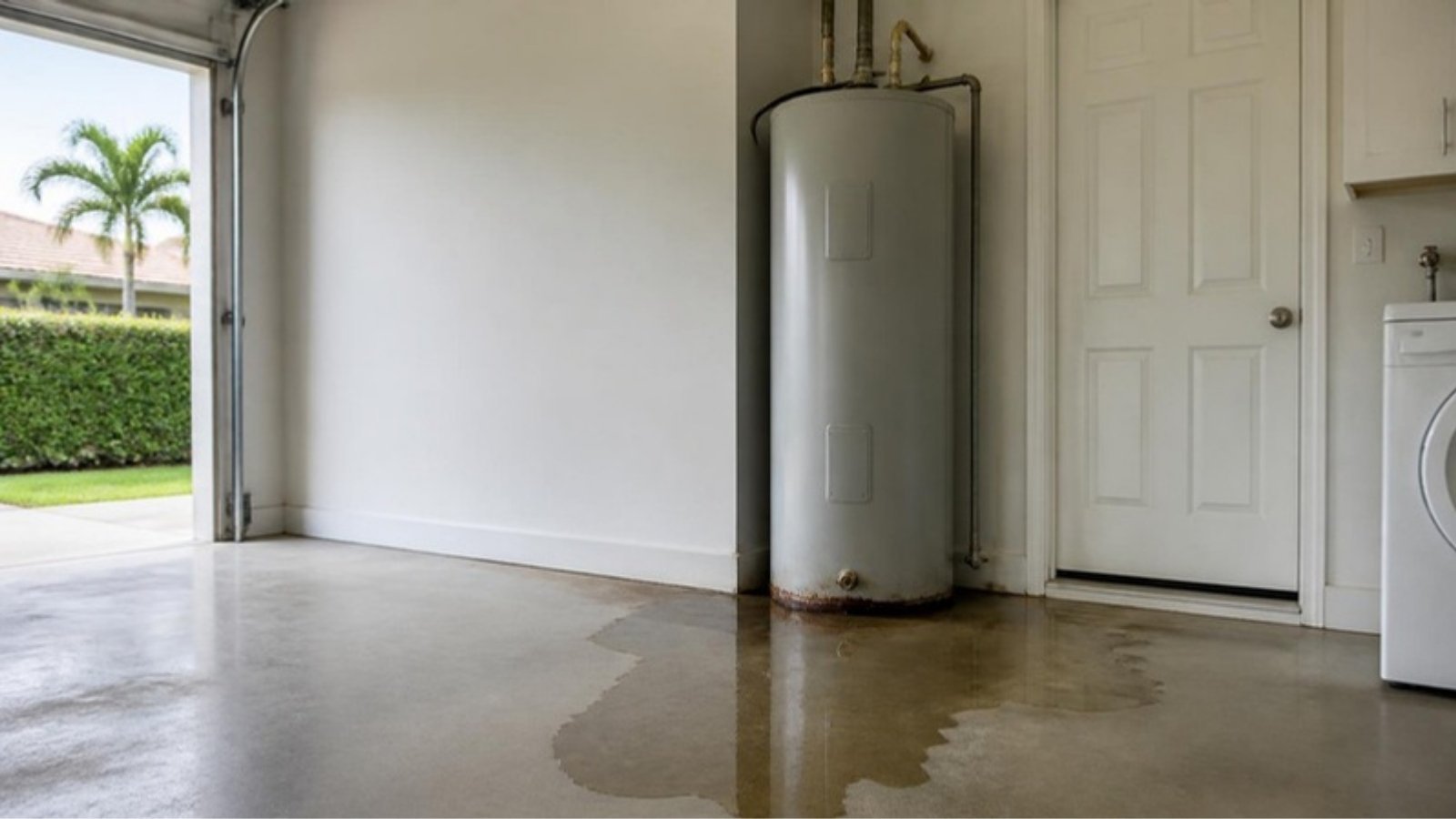
Garage floors are often a step lower than the living space, so the garage is usually the first part of a house that tidal water reaches. In condo and apartment buildings, ground-floor units, lobbies, mechanical rooms, and parking areas take the water first. Water that gets under a garage door soaks boxes, the bottom of the drywall, and anything stored on the floor, and from there it can reach the door into the house.
When a king tide meets a rainstorm
The worst flooding usually comes when heavy rain falls during a king tide. Normally, rainwater runs into the storm drains and out to the Intracoastal. When the outlets are underwater, the rain has nowhere to go, so streets that usually drain quickly stay flooded much longer. Onshore winds or a passing tropical system can also push water higher than the tide tables predict. Hurricane season runs from June 1 through November 30, and South Florida’s rainy season lasts until about mid-October, so the early part of king tide season overlaps both.
Why tidal floodwater is treated as Category 3
Water that comes in from outside is not clean water. The IICRC classifies seawater and other floodwater entering a building from outside as Category 3, the most contaminated category. By the time tidal water reaches a garage, it has run through storm drains and across streets and yards, picking up oil and fuel residue, fertilizer, animal waste, and debris. It can also carry sewage if nearby sewer lines or septic systems were affected.
That classification decides how the cleanup goes:
- Porous materials that floodwater touched are usually removed. Drywall, insulation, carpet and pad, upholstered furniture, mattresses, cardboard, and particleboard absorb contaminated water and cannot be reliably cleaned.
- Hard surfaces are cleaned and disinfected. Concrete, tile, metal, and sealed surfaces can usually be cleaned, disinfected, and dried.
- Drywall is cut above the wet line. Because drywall wicks water upward, the cut is based on moisture readings, not just the visible water mark.
- Saltwater adds its own damage. It is hard on metal fasteners, appliances, water heaters, and electrical components, which should be checked by the right professional before they are used again.
Our article on sanitizing flood-damaged homes covers what cleaning and disinfection involve after outside water gets in.
What to do when the water comes up
- Do not drive or wade through it. Shallow water hides potholes, open drain grates, and debris, and saltwater is hard on cars. If water covers the road, turn around.
- Stay clear of electrical hazards. Do not walk into a flooded garage or room if outlets, extension cords, appliances, or the electrical panel are in or near the water. If you cannot reach the breaker from a dry spot, call your electric utility or an electrician.
- Keep people and pets out of the water. Treat it as contaminated. If you have to touch it, wear rubber boots and gloves, and wash with soap and clean water afterward.
- Photograph the water line. Take photos and video while the water is there and again after it recedes. Capture the high-water marks on walls, garage doors, cabinets, and stored items, and the street outside. Timestamps help.
- Call your insurance company to report the loss, and ask what documentation they want before you throw anything away.
- Start drying out quickly once the water is gone. Mold can begin growing on damp materials within 24 to 48 hours, and fall humidity in Palm Beach County does not help. Move wet items out, open the garage, and get wet drywall and flooring assessed.
For a broader preparation list, see our guide on how to protect a West Palm Beach home from storm flooding.
A note on flood insurance
Standard homeowners policies generally exclude flood damage, and water rising from the street or coming over a seawall is usually treated as flood. Flood coverage is typically a separate policy, such as one through the National Flood Insurance Program (NFIP) or a private flood insurer. If you own a condo, ask your association what its policy covers and what it leaves to you.
Flood policies usually have a waiting period before coverage starts, so buying one the week a king tide is forecast will not help that week. What is covered depends on your own policy, so read it, ask your agent what counts as flood, and keep your records organized. Our article on building an insurance-ready water damage file walks through what to save.
How Edwards Property Remediation handles tidal flood cleanup
Our IICRC-certified technicians respond 24/7. A tidal flood job usually goes in this order:
- Safety check and assessment. We confirm the water has receded and the area is safe to enter, then map moisture in the garage, the walls, and any rooms the water reached.
- Documentation. Before anything is removed, we photograph the water lines, damaged materials, and moisture readings for your insurance file.
- Emergency water extraction. Standing water and water held in flooring are extracted.
- Removal of contaminated porous materials. Drywall, insulation, carpet, pad, and other porous materials that Category 3 water touched are removed and bagged.
- Cleaning and disinfection. The slab, framing, and hard surfaces are cleaned and treated through our sanitization and disinfection service.
- Structural drying. Dehumidifiers and air movers dry the framing, slab, and remaining materials to documented dry readings.
- Mold checks. If drying was delayed and growth has started, the affected area moves into our mold remediation process.
Preparing for king tide season
- Check the tide predictions. NOAA publishes tide predictions for stations along the Florida coast, and some local governments post king tide alerts each fall. Mark the highest tides on your calendar.
- Get things off the garage floor. Use shelving and plastic bins instead of cardboard boxes, and raise anything you would hate to lose.
- Ask a plumber about backflow protection. Check valves or backflow preventers on floor drains, yard drains, and some plumbing lines can keep tidal water from coming up where it should not. A licensed plumber can tell you what is appropriate and permitted for your property.
- Use door barriers. Removable flood barriers for garage and entry doors, or sandbags, can keep shallow water out. Set them up before the tide, not during it.
- Keep nearby drain grates clear of leaves and debris so water can leave once the tide drops.
- Have your seawall inspected if you are on the water, especially if it is older or shows cracks.
- Seal gaps at the bottom of the garage walls and around pipe and wire openings where water can seep in.
- Review your insurance before the season, not after the water arrives.
Frequently asked questions
When are king tides in Palm Beach County?
In Southeast Florida, king tides are highest in the fall, roughly September through November. Exact dates and heights change from year to year, so check NOAA tide predictions or local alerts for your area.
Can king tide flooding happen without rain?
Yes. That is why it is often called sunny-day flooding. Tidal water can rise through storm drains and over low seawalls and streets on a clear day. Rain during a king tide makes it worse, because the drains cannot empty.
Is king tide floodwater safe to clean up myself?
Treat it as contaminated. The IICRC classifies floodwater from outside as Category 3. Wear boots and gloves, keep children and pets away, and expect to remove porous materials such as drywall, carpet, and cardboard that the water touched. Hard surfaces need cleaning and disinfection, not just a rinse.
Does homeowners insurance cover king tide flooding?
Standard homeowners policies generally exclude flood, and tidal water entering from outside is usually treated as flood. Flood coverage is usually a separate policy, such as one through the NFIP. Check your own policy and talk to your agent, because coverage depends on what you have.
How fast can mold grow after a garage floods?
Mold can begin growing on damp materials within 24 to 48 hours. In a humid garage with wet drywall and cardboard, growth can start quickly, so get the water out and the materials dried or removed as soon as it is safe.
Tidal water in your garage or ground-floor unit?
Edwards Property Remediation handles flood cleanup, drying, and mold remediation for homeowners, condo associations, and property managers across Palm Beach County, including Jupiter, West Palm Beach, Lake Worth, Boynton Beach, Delray Beach, and Boca Raton. If high water got into your garage or building, call (754) 221-6945, email info@eprllc.net, or book an appointment online.