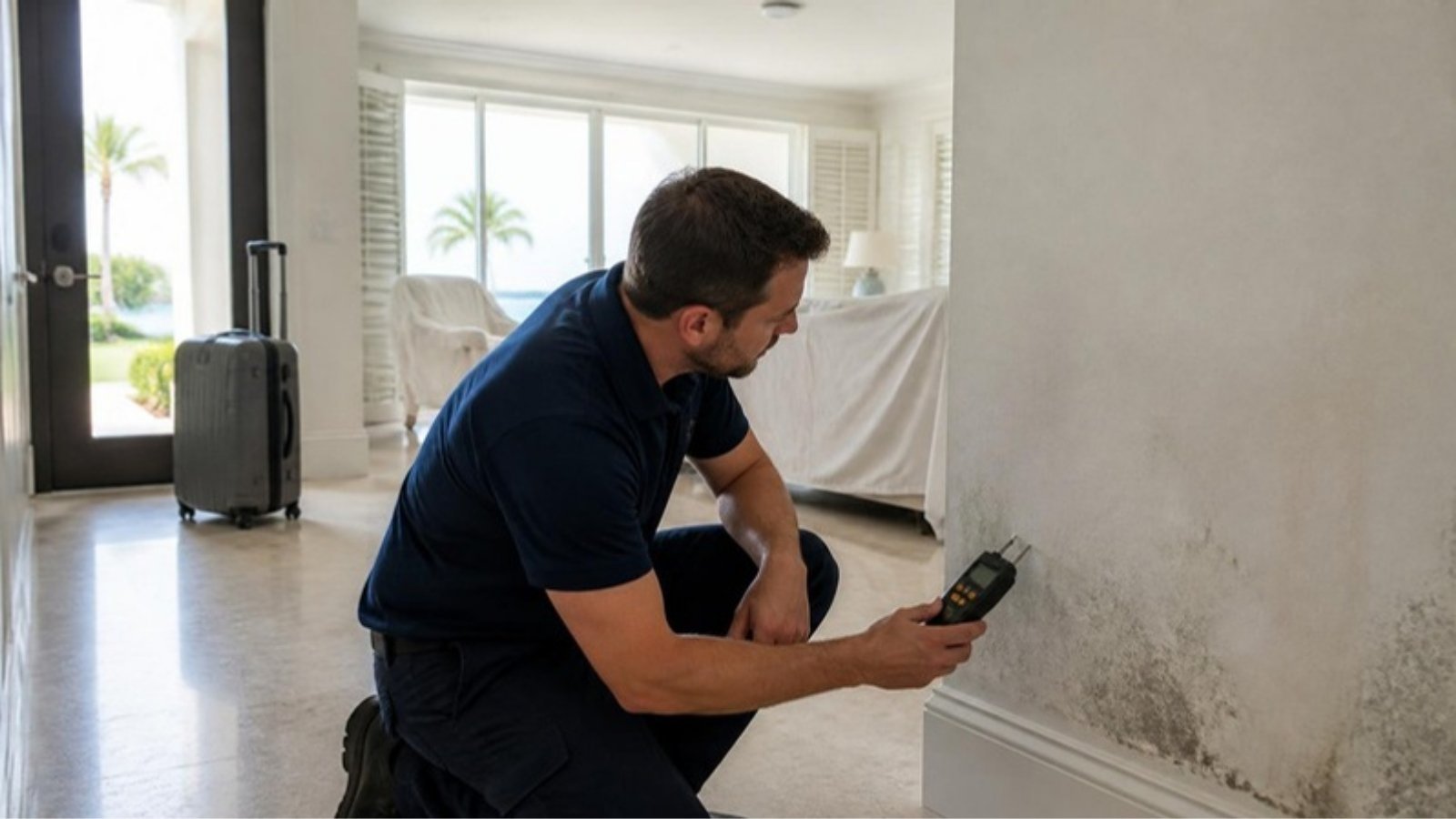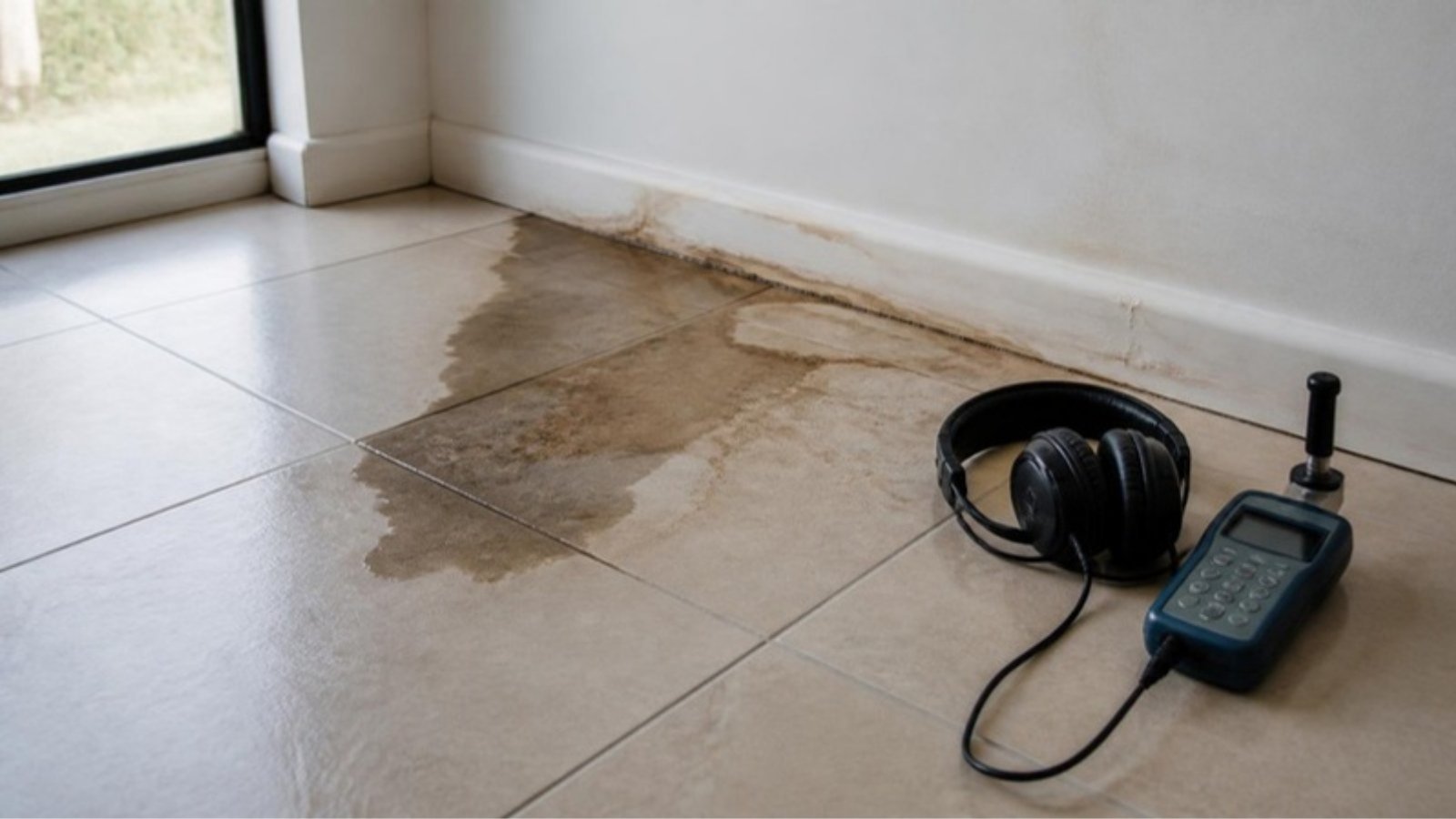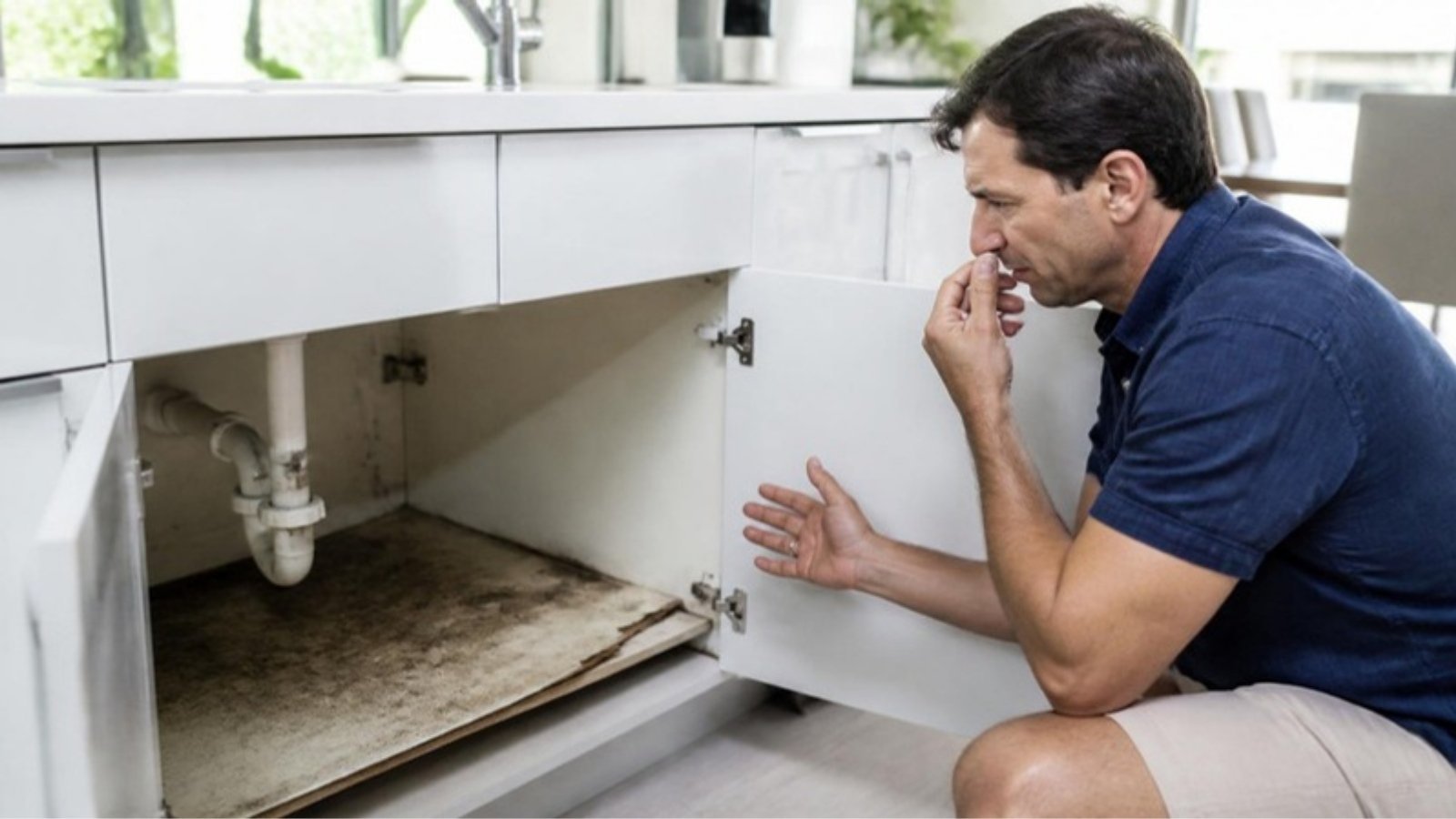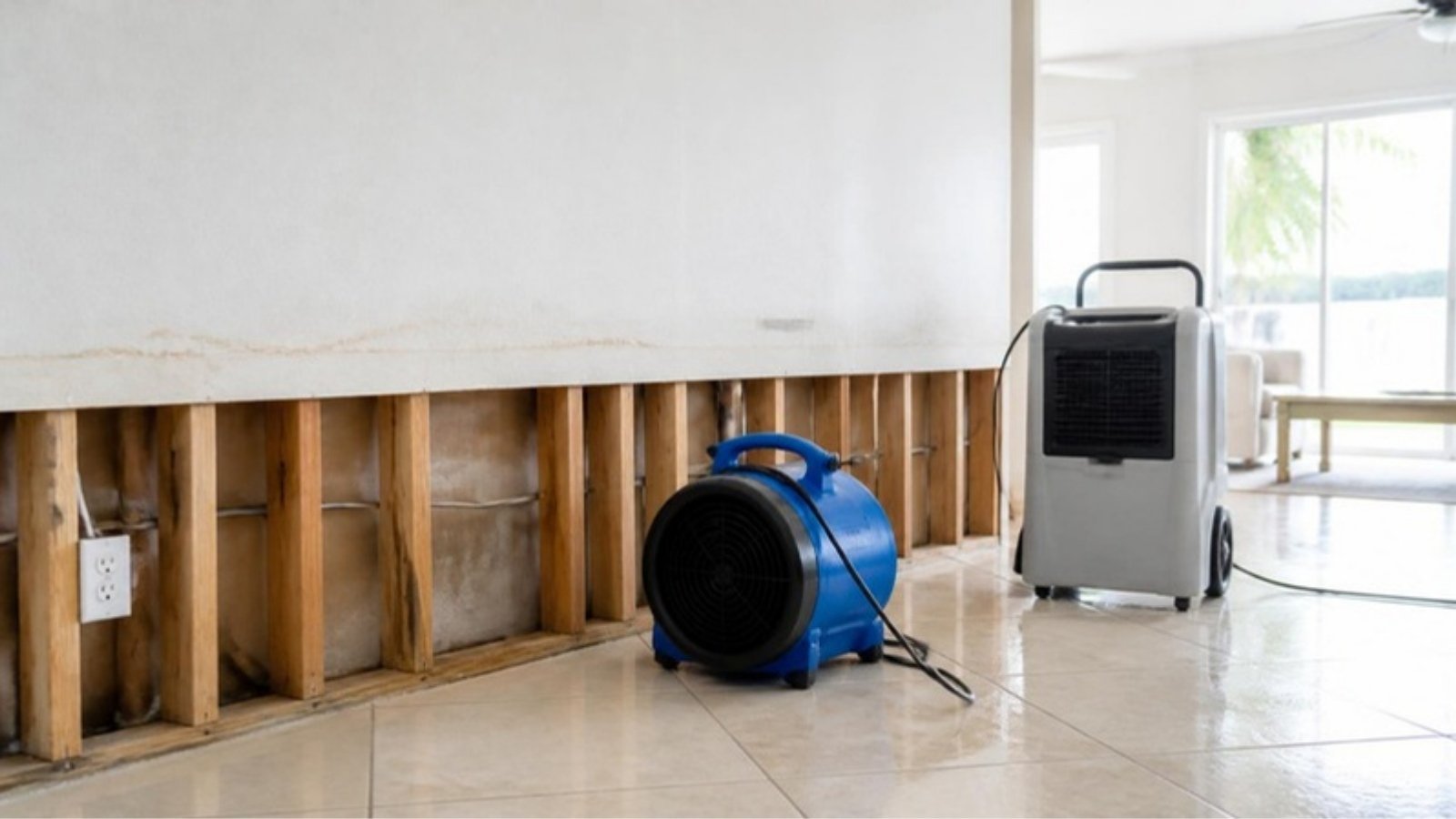
Mold testing identifies and documents conditions; mold remediation contains and removes affected materials. The right starting point depends on what is visible, the size of the concern, and the information needed for the property.
Treating every mold concern the same can waste time or leave important questions unanswered. A limited visible area may call for a different response than an unexplained odor, recurring moisture, or a widespread post-flood condition.
Mold Testing vs. Mold Remediation: an expert checklist
- Identify and stop the moisture source
- Document visible staining, odor, and affected rooms
- Decide whether independent testing is needed
- Define containment and removal scope
- Verify that drying and cleanup goals were met
Testing should answer a specific question, such as whether hidden areas require investigation or whether documented conditions support a remediation plan. Remediation should follow a defined scope and protect unaffected spaces.
How to make the next decision
Start with documented conditions rather than assumptions. Edwards Property Remediation provides information and services relevant to mold testing vs mold remediation; the correct scope still depends on the property, equipment, documents, or project conditions involved.
Review the related guidance on mold testing and mold remediation. These pages explain the available service context before you request a site-specific recommendation.
Questions to ask a provider
- What information do you need before recommending a scope?
- Which assumptions still need field verification?
- What is included, excluded, and documented?
- What conditions would change the recommendation?
Clear answers help customers compare scope and process instead of choosing from a headline alone. Keep records, photos, plans, model numbers, or ownership documents that are relevant to the service.
Frequently asked questions
Is mold testing always required before remediation?
No. The need depends on the situation and applicable requirements. Clear visible growth may be addressed through a defined remediation scope, while uncertain or disputed conditions may benefit from testing.
Does an air sample locate the moisture source?
No. Sampling can provide information about airborne conditions, but moisture inspection is still necessary to find and correct the source.
Can mold return after remediation?
It can if moisture returns. Long-term control depends on repairing leaks, managing humidity, and drying materials promptly.
Should occupants disturb suspected mold?
Avoid cutting, sanding, or aggressively cleaning a significant suspect area because disturbance can spread dust and spores.
Request a business-specific review
Use the Edwards Property Remediation contact or scheduling page to describe your situation and confirm the appropriate next step.