Indoor air can be 2–5 times more polluted than outdoor air, according to the EPA — and in West Palm Beach’s humid, year-round warm climate, that pollution often includes mold spores, VOCs, radon, and particulates that directly impact your family’s health.
At Edwards Property Remediation, Palm Beach County’s leading IICRC-certified restoration and air quality experts (500+ five-star reviews), we’ve conducted thousands of indoor air quality (IAQ) tests since 2018. This guide reveals the critical areas where testing matters most, the pollutants to watch for, and how professional testing protects your home.
Call +1 754-221-6945 for a free IAQ consultation — or text “AIRTEST” for instant scheduling.
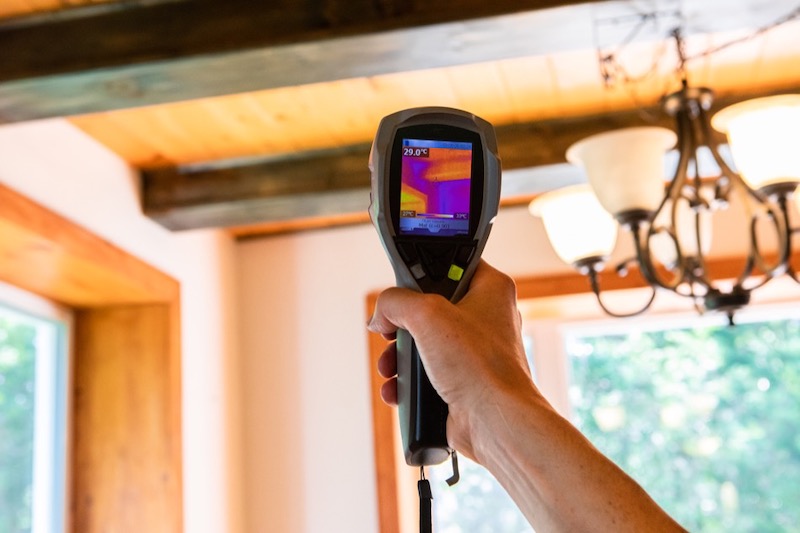
Why Indoor Air Quality Testing Is Essential in West Palm Beach
Palm Beach County’s unique environment — high humidity (average 74–88 %), frequent storms, and older building stock — creates perfect conditions for indoor pollutants.
Common Pollutants in Local Homes
- Mold Spores → From AC leaks and post-storm moisture
- VOCs → Off-gassing from new furniture, paint, carpets
- Radon → Naturally occurring in Florida limestone soil
- Particulates (PM2.5) → Wildfire smoke, pollen, dust mites
- Carbon Monoxide → Faulty appliances or generators
Health Impacts (EPA & CDC data)
- Respiratory issues & asthma exacerbation
- Allergies, headaches, fatigue
- Long-term risks: lung cancer (radon), heart disease (PM2.5)
Testing is the only way to know — you can’t see, smell, or taste most threats.
Where Indoor Air Quality Testing Matters Most
Not every room is equal. Here are the top 8 high-risk areas in West Palm Beach homes — prioritized by our 7+ years of local testing data.
1. HVAC Systems & Ductwork (Highest Priority)
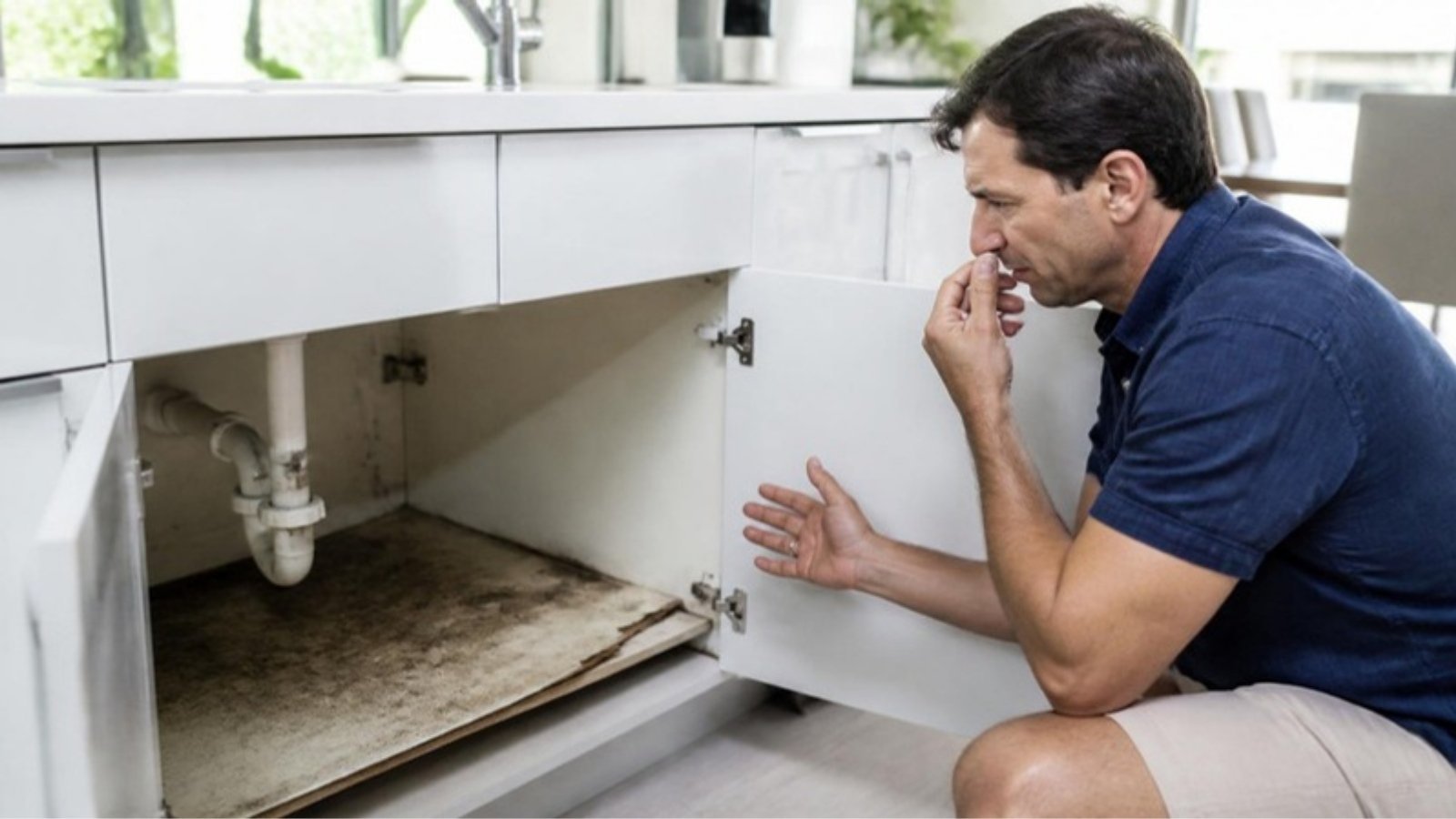
Why it matters: Your AC runs almost year-round, circulating air through ducts that accumulate dust, mold, and bacteria. Clogged condensate lines — the #1 mold source in Florida homes — blow spores everywhere.
Common Findings:
- Mold growth in drip pans
- Dust mite allergens
- Bacterial contamination
Testing Recommendation: Professional duct swab + air sampling every 2–3 years.

2. Bathrooms & Laundry Rooms
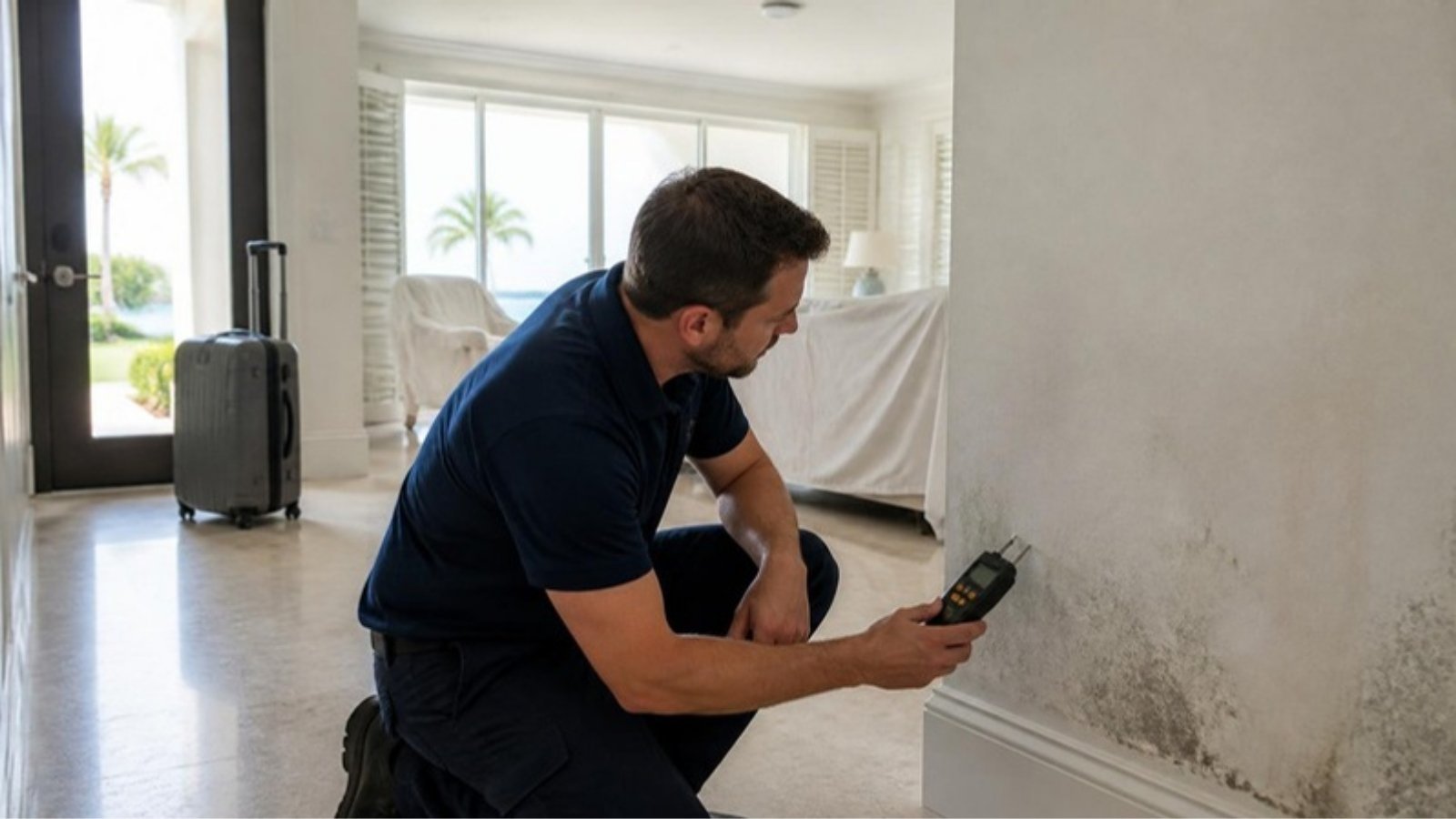
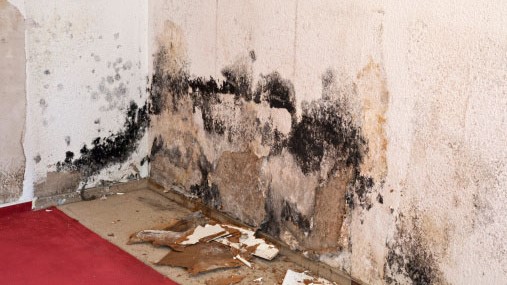
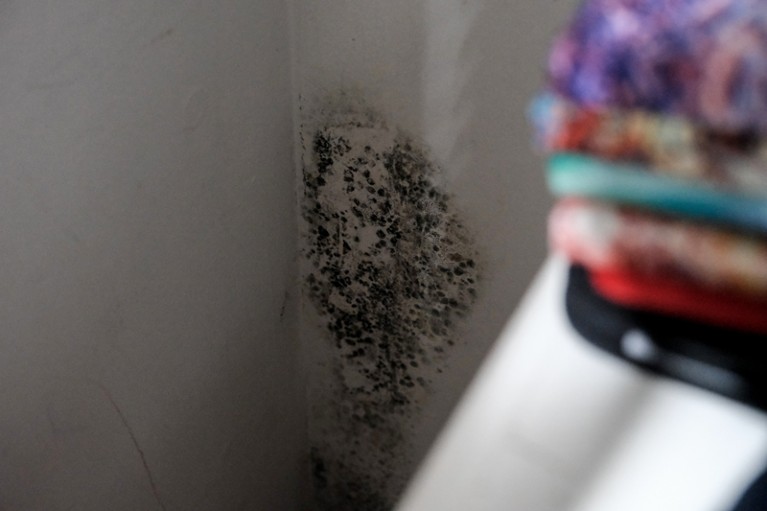
Why it matters: Daily showers + poor ventilation = chronic humidity >70 %. Exhaust fans often vent into attics, creating hidden mold colonies.
Common Findings:
- Surface & airborne mold (Aspergillus, Stachybotrys)
- VOCs from cleaning products
Testing Recommendation: Air sampling + surface swabs if you see grout discoloration or smell mustiness.
3. Kitchens
Why it matters: Cooking releases VOCs, particulates, and grease. Gas stoves add CO and NO2.
Common Findings:
- Elevated PM2.5 from frying
- Formaldehyde from cabinets
Testing Recommendation: CO monitor + VOC sampling if you cook frequently with gas.
4. Basements, Crawlspaces & Garages
Why it matters: Ground contact + poor ventilation = high radon and moisture.
Common Findings:
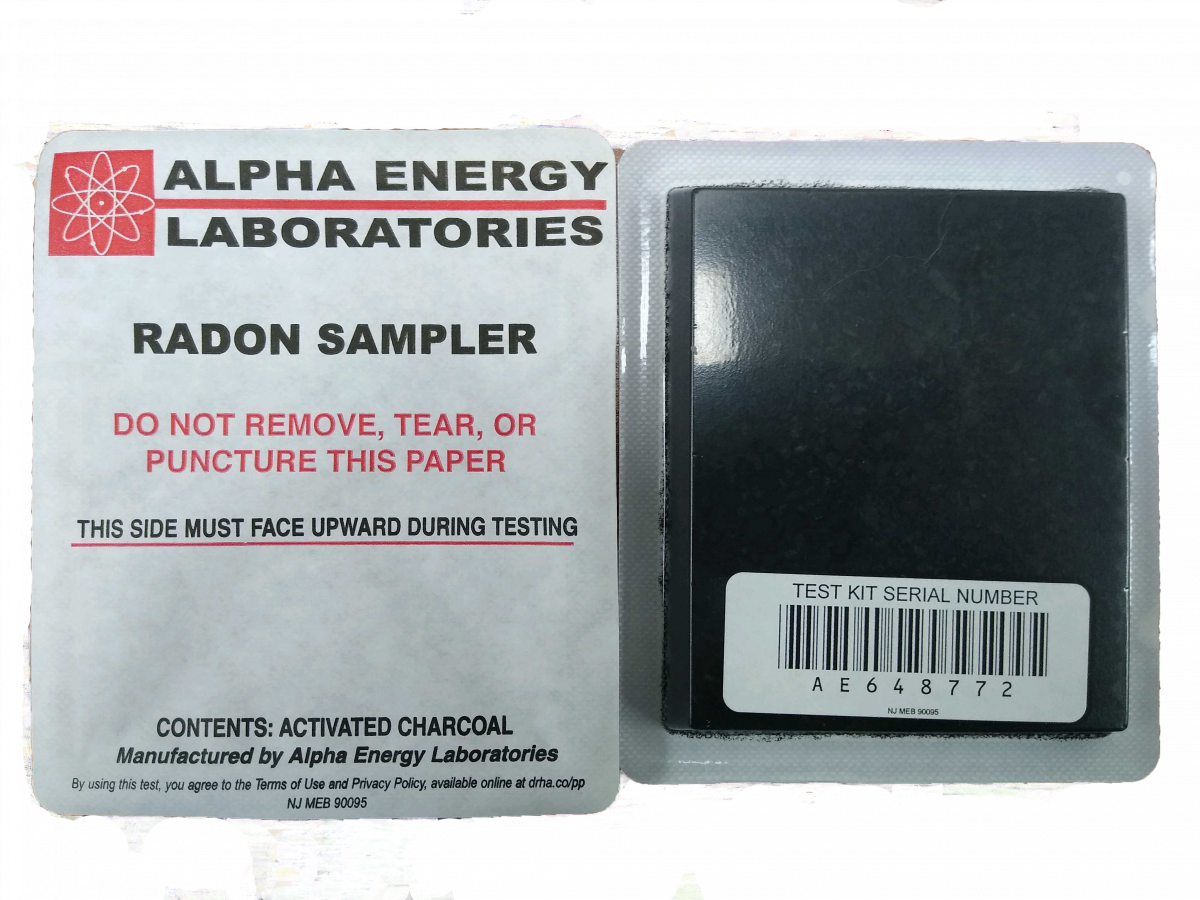
- Radon levels >4 pCi/L (Florida average 2.5–3.5, but hotspots higher)
- Off-gassing from stored chemicals
Testing Recommendation: Long-term radon test (90 days) + moisture reading.

5. Bedrooms & Living Areas
Why it matters: We spend 1/3 of life sleeping — breathing whatever circulates.
Common Findings:
- Dust mites in bedding
- VOCs from new furniture (see image below)
Testing Recommendation: Bedroom air sampling if allergies worsen at home.
6. Attics
Why it matters: Roof leaks + poor ventilation = hidden mold that drops spores below.
Common Findings:
- Fiberglass irritation + mold on rafters
Testing Recommendation: Attic inspection during annual roof check.
7. Newly Renovated or Furnished Rooms
Why it matters: “New home smell” = VOC off-gassing from paint, carpet, furniture.
Common Findings: Formaldehyde levels 5–10× safe limits in first 6 months.
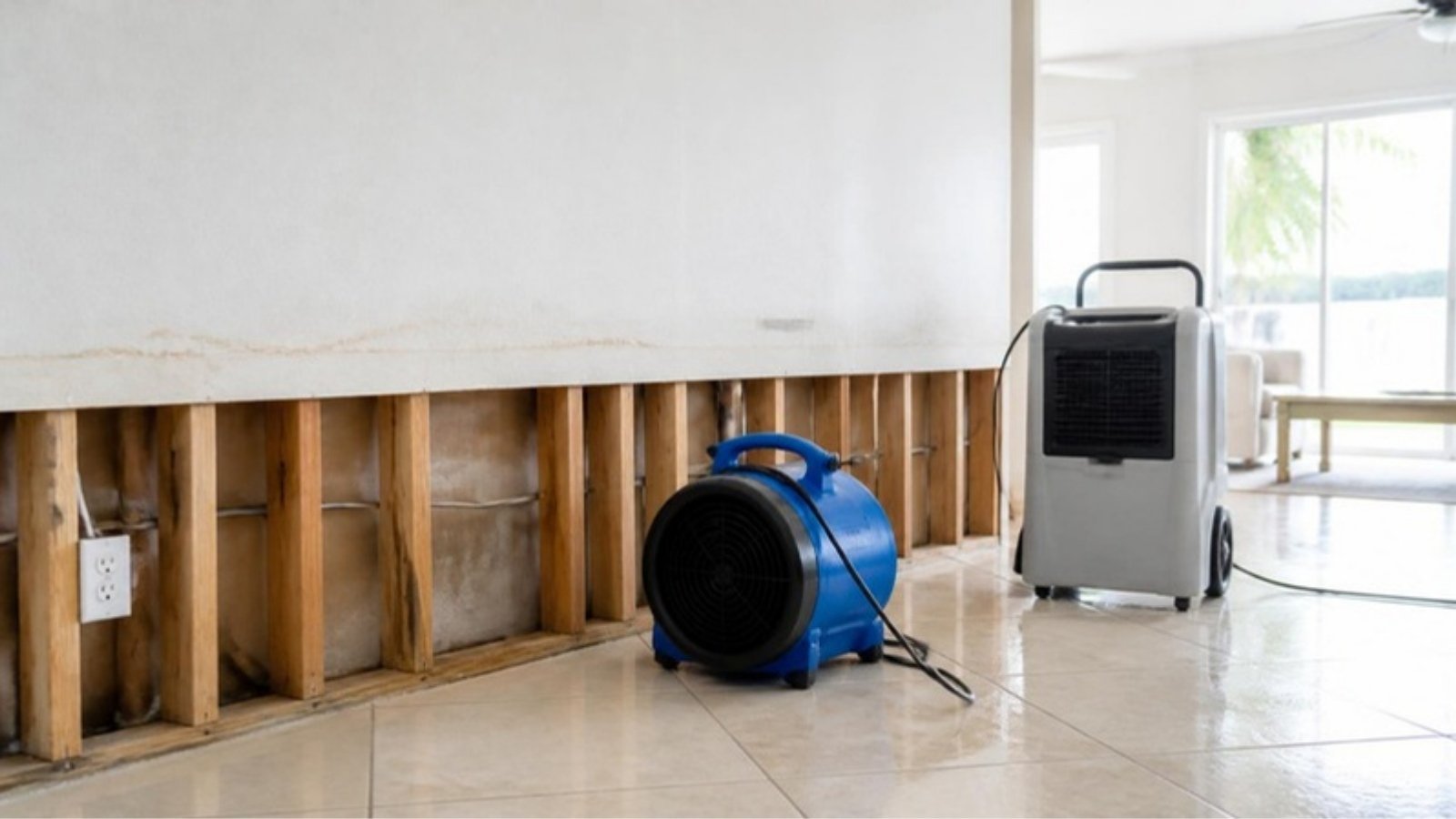
8. Post-Water Damage Areas
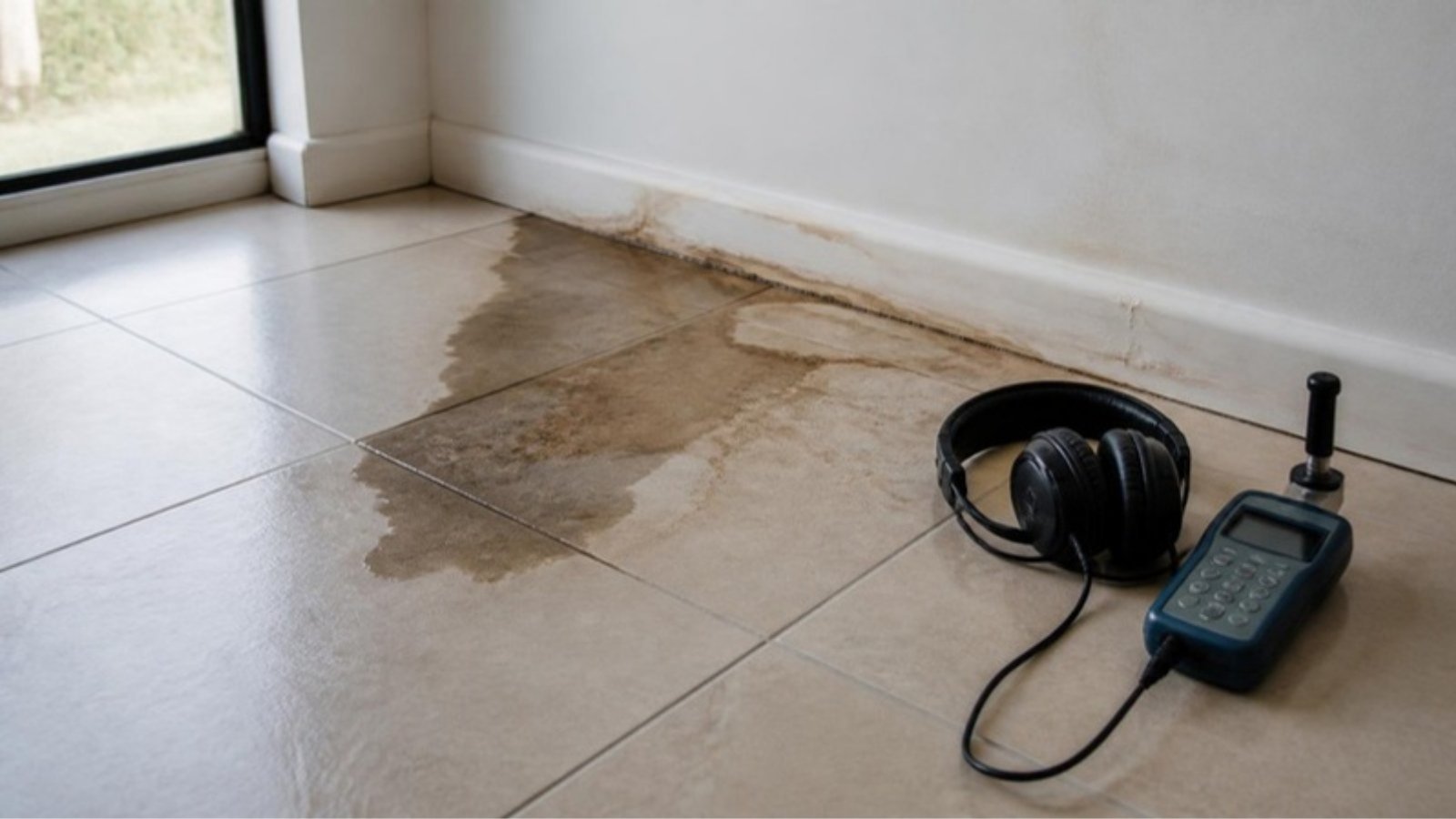
Why it matters: Even “dried” rooms harbor hidden moisture.
Testing Recommendation: Post-restoration clearance testing (we provide this free with every job).
How Professional IAQ Testing Works
- Initial Consultation – We discuss symptoms and concerns
- On-Site Assessment – Visual + thermal scan
- Targeted Sampling – Air, surface, or bulk as needed
- Lab Analysis – Accredited third-party lab
- Detailed Report – Pollutant levels + remediation plan
- Solutions – From duct cleaning to whole-home purification
Average Cost: $399–$799 (varies by home size) — often covered by insurance if tied to water damage.
When to Test Immediately
- Buying/selling a home
- After water damage or flooding
- Unexplained health symptoms
- New baby or elderly moving in
- Post-renovation “new smell” lasting >2 weeks
Free 2025 IAQ Resources from Edwards Property Remediation
Text any keyword to +1 754-221-6945:
- “AIRGUIDE” – 2025 Palm Beach IAQ Homeowner Handbook
- “RADON” – Free radon test kit eligibility check
- “MOLDTEST” – Schedule free visual mold inspection
- “DUCTCLEAN” – HVAC cleaning quote
Or visit https://eprllc.net/indoor-air-quality
Final Word
Indoor air quality isn’t a luxury — it’s a necessity in West Palm Beach’s challenging climate.
The areas that matter most are the ones you use every day: bedrooms, kitchens, bathrooms, and HVAC systems.
Testing there first protects your family’s health and catches problems before they become expensive disasters.
Edwards Property Remediation West Palm Beach’s premier IAQ experts | IICRC Firm #251947 | 500+ five-star reviews
24/7 Emergency: +1 754-221-6945 Email: info@eprllc.net Facebook: https://www.facebook.com/EPRLLC.NET/ Website: https://eprllc.net/
Breathe easier tomorrow — test today.
Frequently Asked Questions
Why is indoor air quality testing important in West Palm Beach?
West Palm Beach's humid climate and older buildings create conditions for mold, VOCs, radon, and particulates indoors, which can cause respiratory issues, allergies, and long-term health risks. Testing identifies these invisible threats to protect your family.
Which areas of a home should be tested for indoor air quality?
Priority areas include HVAC systems and ductwork, bathrooms, kitchens, basements or crawlspaces, bedrooms, attics, newly renovated rooms, and areas affected by water damage, as these spots commonly harbor pollutants.
What pollutants are commonly found in West Palm Beach homes?
Common indoor pollutants include mold spores from moisture, VOCs from furniture and paint, radon from limestone soil, particulates like pollen and dust mites, and carbon monoxide from faulty appliances.
How does professional indoor air quality testing work?
Testing involves consultation, on-site visual and thermal assessments, targeted air and surface sampling, lab analysis by accredited labs, and a detailed report with pollutant levels and remediation recommendations.
When should I schedule indoor air quality testing?
Test immediately when buying or selling a home, after water damage or flooding, if experiencing unexplained health symptoms, when a new baby or elderly person moves in, or if post-renovation odors persist beyond two weeks.