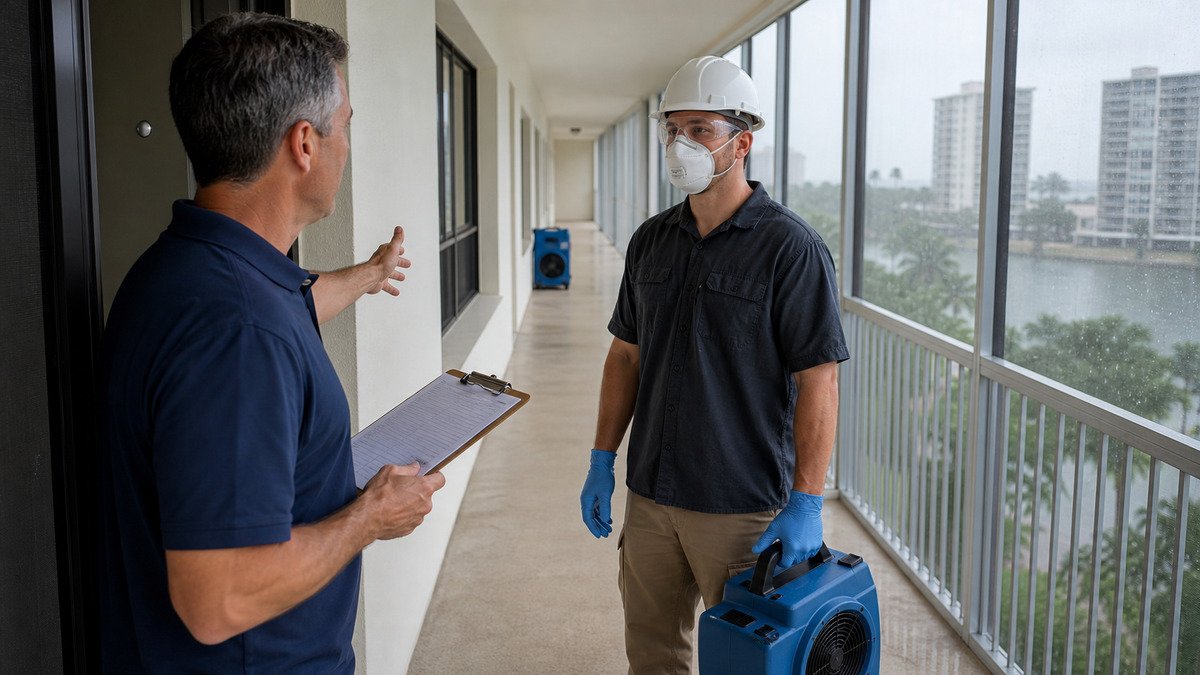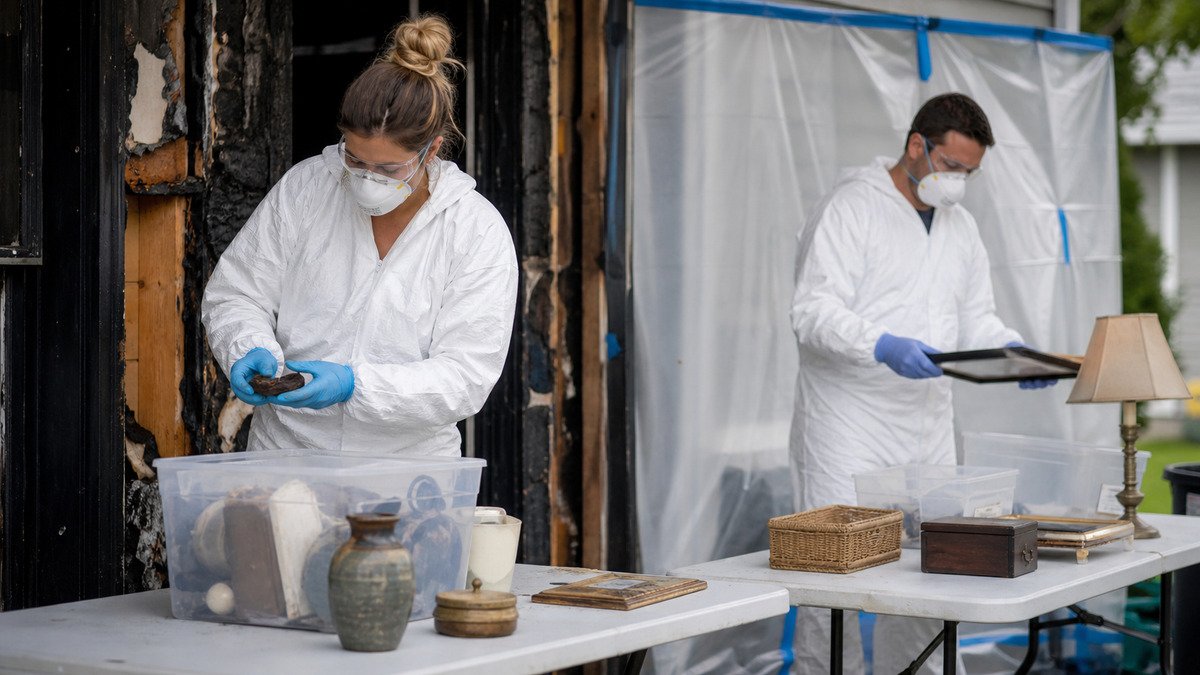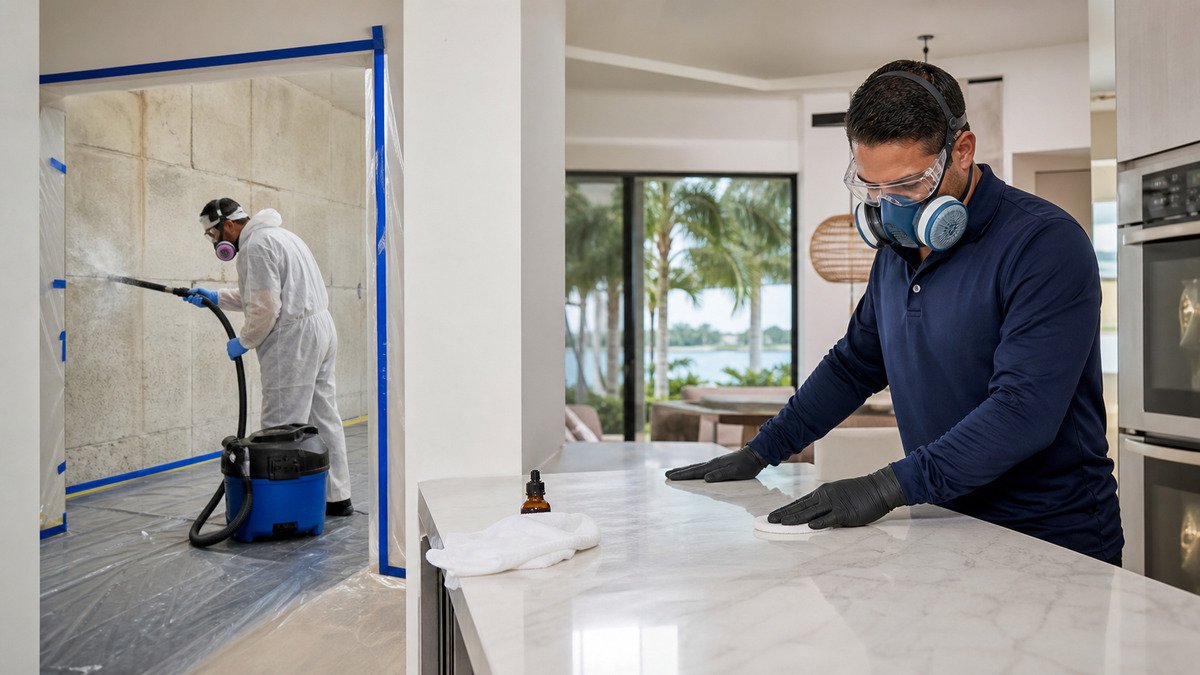
Water extraction removes accessible standing or pooled water during the emergency phase; water damage restoration manages the broader recovery, which may include evaluation, extraction, structural drying, cleaning, selective removal, documentation, and coordination with source repair or reconstruction. Extraction is often urgent, but it is not proof that walls, floors, or other assemblies are dry. Edwards Property Remediation provides both emergency water extraction and water damage restoration services and can define the appropriate sequence after inspecting the property.
The shortest answer is about scope
Extraction answers an immediate question: how can accessible bulk water be removed safely and efficiently from the affected area? Restoration answers a larger question: what must happen to manage the property damage from initial response through a documented stopping point? The services overlap, but they are not synonyms. A job may begin with extraction and continue into moisture evaluation, structural drying, cleaning, material decisions, and coordination with other trades.
The exact sequence depends on the source, affected materials, duration, migration, access, and hazards. A small contained event may require a narrower response than water that has moved through several rooms or levels. Customers should avoid purchasing from a fixed checklist before the site is evaluated. Instead, ask the provider to explain which phase is being authorized and what additional decisions remain.
- Extraction removes accessible bulk water
- Drying addresses moisture retained in materials and air
- Restoration coordinates the broader damage response
- Source repair and reconstruction may involve separate scopes
What happens during emergency extraction
The response begins with safe access and an understanding of the water source and affected area. Where conditions allow, extraction equipment removes water from accessible surfaces or systems. The team may document initial conditions, identify where water appears to have traveled, and note materials that need further evaluation. Electrical, structural, sewage, or other hazards can change how and when the area is entered.
Extraction can reduce the amount of water that must later evaporate, but it cannot reach every concealed cavity or prove a material has returned to an appropriate condition. Water may remain below flooring, behind finishes, in wall assemblies, or in porous contents. That is why an extraction visit should end with a clear explanation of next steps, not an unsupported declaration that the property is completely dry.
Water damage restoration can include inspection, moisture mapping or targeted measurements, extraction, a drying plan, cleaning, content coordination, selective material removal, progress documentation, and project communication. Not every property needs every activity. The scope should identify affected areas, current findings, assumptions, exclusions, and the condition that will be used to make each next decision.
Restoration does not automatically include plumbing repair, roof work, electrical clearance, structural engineering, environmental assessment, insurance coverage decisions, or reconstruction. Those tasks may require separate qualified parties. Ask who is responsible for the source, building systems, and finish repairs so the end of one scope does not leave an important item unassigned.
Why drying is a separate decision from extraction
After bulk water is removed, remaining moisture can migrate through porous materials and enclosed assemblies. A structural drying plan uses information about the materials and environment to select equipment placement, airflow, dehumidification, access, and monitoring. Equipment should not be added, moved, or removed according to guesswork. Progress and completion depend on relevant observations and measurements, not simply how the surface feels.
Drying also depends on source control and building conditions. Recurring water, an open roof, unavailable climate control, restricted access, or saturated materials may require changes to the plan. Edwards Property Remediation lists advanced structural drying as a distinct service, helping customers recognize that pumping or vacuuming up water is only one phase of a complete moisture response.
How material and water conditions affect both services
Hard flooring, carpet systems, drywall, insulation, cabinets, wood components, concrete, and contents hold and release water differently. The source and cleanliness of the water also influence safe handling and cleaning decisions. Property owners should not remove materials, run household fans, or spread items through unaffected rooms before the work area is evaluated, particularly when contamination or electrical hazards may be present.
Some materials may be dried in place under an appropriate plan; others may need access, cleaning, or removal. The decision is not based only on appearance or age. Ask what condition was observed, what information supports the proposed action, and whether the source repair is complete. The restoration provider should make clear when a decision depends on another trade or a later inspection.
Compare estimates by phase and outcome
When reviewing a proposal, identify whether it covers emergency extraction only or a broader restoration sequence. Look for the work areas, included services, documentation, monitoring, material handling, access assumptions, and exclusions. A lower headline price or shorter equipment list is not a meaningful comparison if the scopes end at different points. Request clarification before assuming two proposals describe the same work.
Ask how changes will be communicated if concealed moisture, inaccessible areas, recurring water, or material deterioration is discovered. Also ask what documents will show the performed work and current status. A provider can describe restoration conditions, but it should not guarantee insurance payment or make conclusions reserved for an insurer, engineer, electrician, hygienist, or other qualified professional.
Manage the handoff between phases
Keep people and pets away from work areas and equipment. Do not switch off, relocate, or cover drying equipment unless directed. Report new water, power loss, unusual equipment behavior, odors, or expanding staining promptly. Maintain safe access for scheduled monitoring and ensure the project contact can approve time-sensitive scope decisions. These steps support continuity without requiring the owner to interpret technical readings.
Keep the event timeline, source-repair records, photographs, authorizations, and service updates together. If another trade enters the area, coordinate with the restoration contact so equipment, barriers, or documentation are not disrupted. Good handoffs are especially important when extraction occurs after hours and a different team or decision-maker manages the next phase.
Visible standing water usually makes the need for an emergency response obvious, but the absence of standing water does not rule out retained moisture. Conversely, not every spill requires a complex restoration project. The correct decision comes from the source, scale, materials, migration, and site conditions. Begin with a clear description of what happened and request an evaluation of the affected areas.
Edwards Property Remediation can explain whether the immediate need is extraction, water damage restoration, advanced structural drying, documentation, or a combination. Ask for a phase-by-phase scope, safety and access instructions, and a list of items outside the company’s role. That gives owners a practical basis for authorizing the response without confusing an emergency service with the entire recovery.
Related resources
- Review the urgent service focused on removing accessible bulk water — Emergency Water Extraction Services.
- Understand the complete recovery framework beyond the emergency phase — Water Damage Restoration.
- Explore monitored drying for moisture remaining inside building materials — Advanced Structural Drying Services.
- See how field records can support later property loss communication — Insurance-Ready Water Damage Documentation.
Frequently asked questions
Can an extraction crew respond after normal business hours?
Availability must be confirmed directly. Provide the active source status, safe-access contact, affected floors or rooms, gate details, and known electrical or structural concerns.
May occupants stay elsewhere while extraction is underway?
Yes, but arrange authorized access and a reachable decision-maker. The property conditions and responsible authorities determine whether occupancy restrictions also apply.
Should furniture be moved before the crew arrives?
Leave heavy, wet, or electrically connected items in place. Identify priorities from a safe area and let the responding team coordinate movement and documentation.
What information helps the first phone assessment?
Share discovery time, source status, standing-water locations, affected levels, occupants, access constraints, utilities, prior actions, and any immediate hazards or authority restrictions.
Why might the team return after visible water is gone?
Follow-up may be needed to evaluate retained moisture, monitor drying, adjust equipment, review materials, document progress, or coordinate the transition to another service phase.
Take the next step with Edwards Property Remediation
Property owners arranging a response phase evaluation can choose Book Appointment.