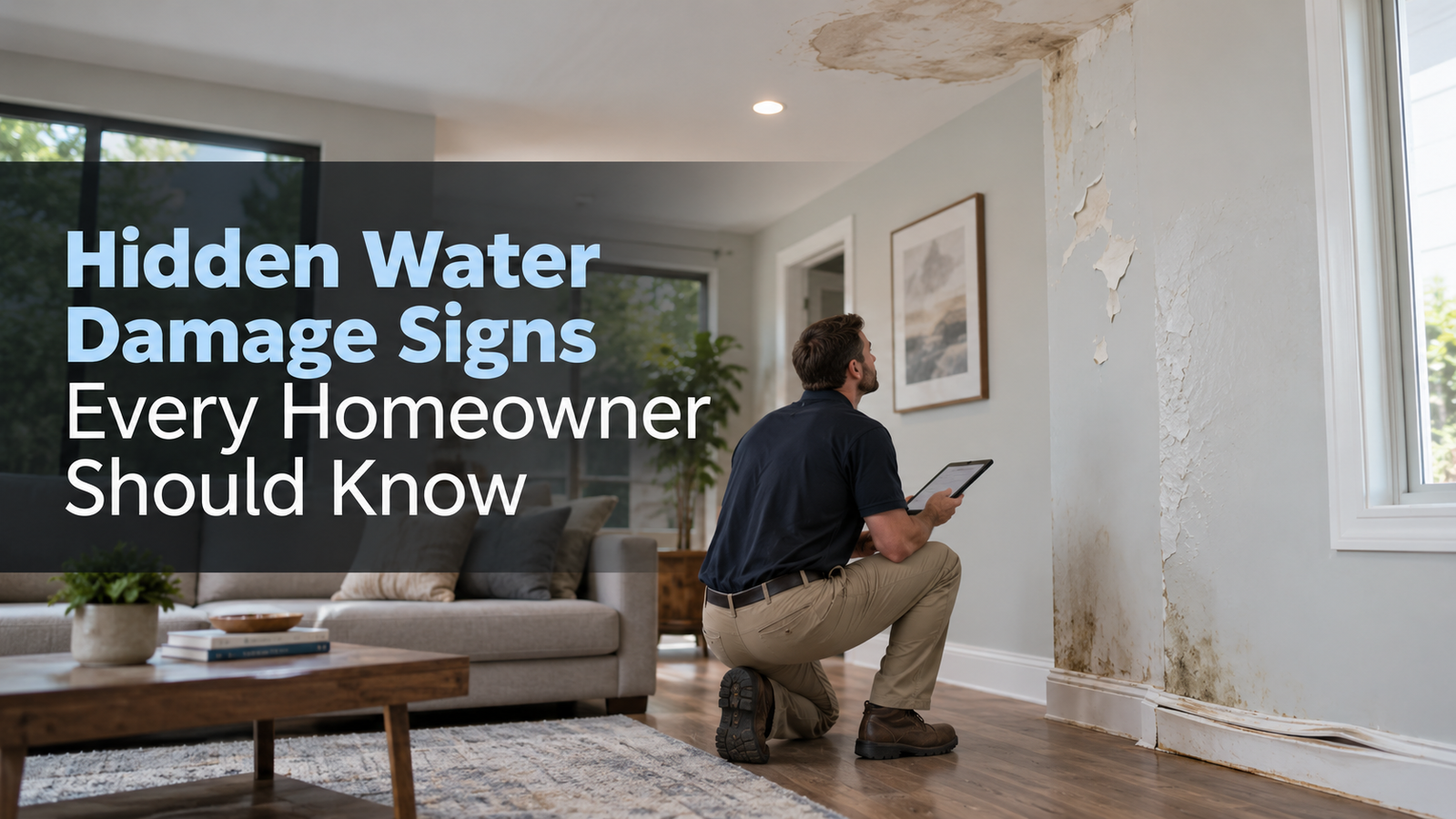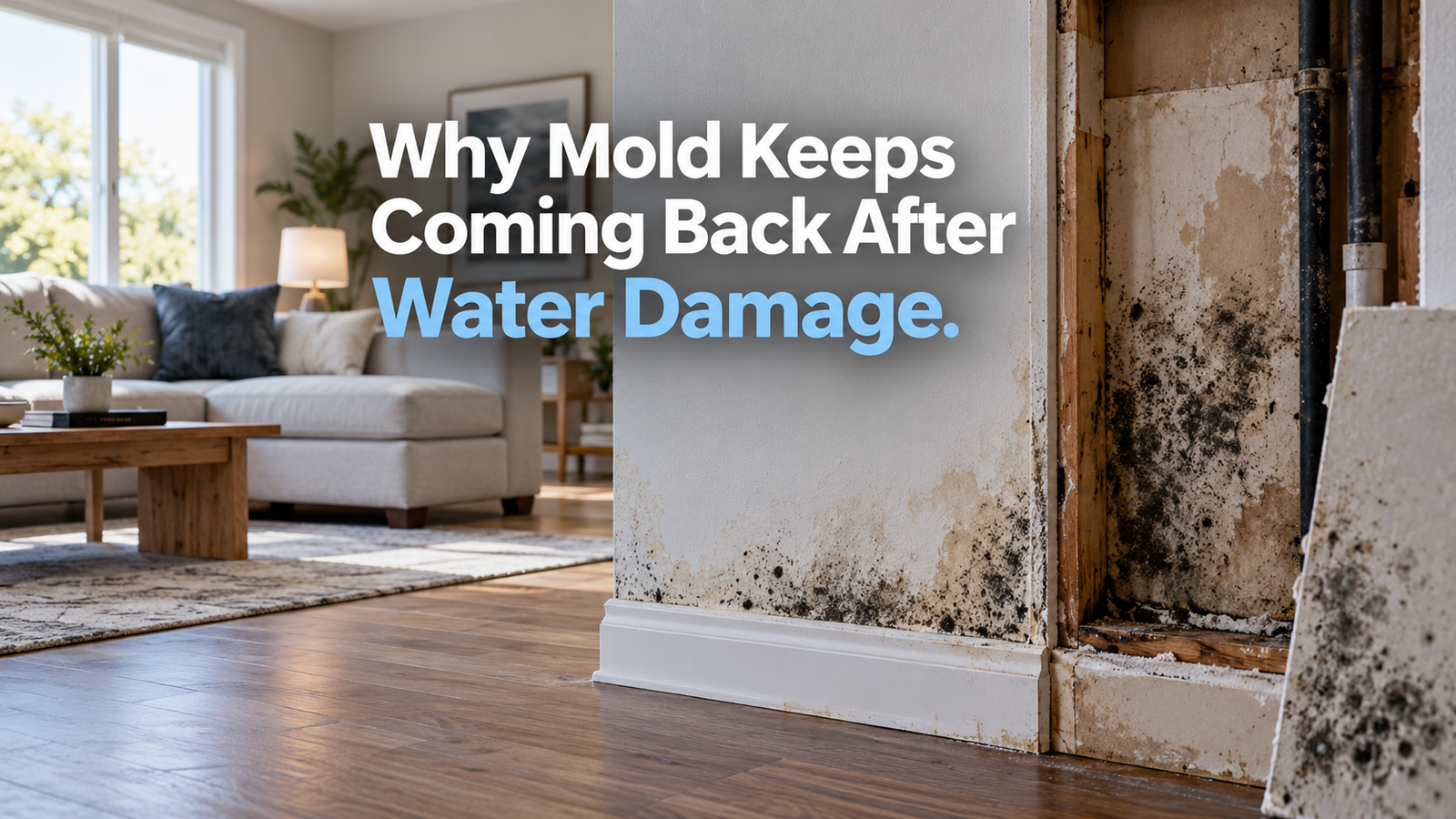
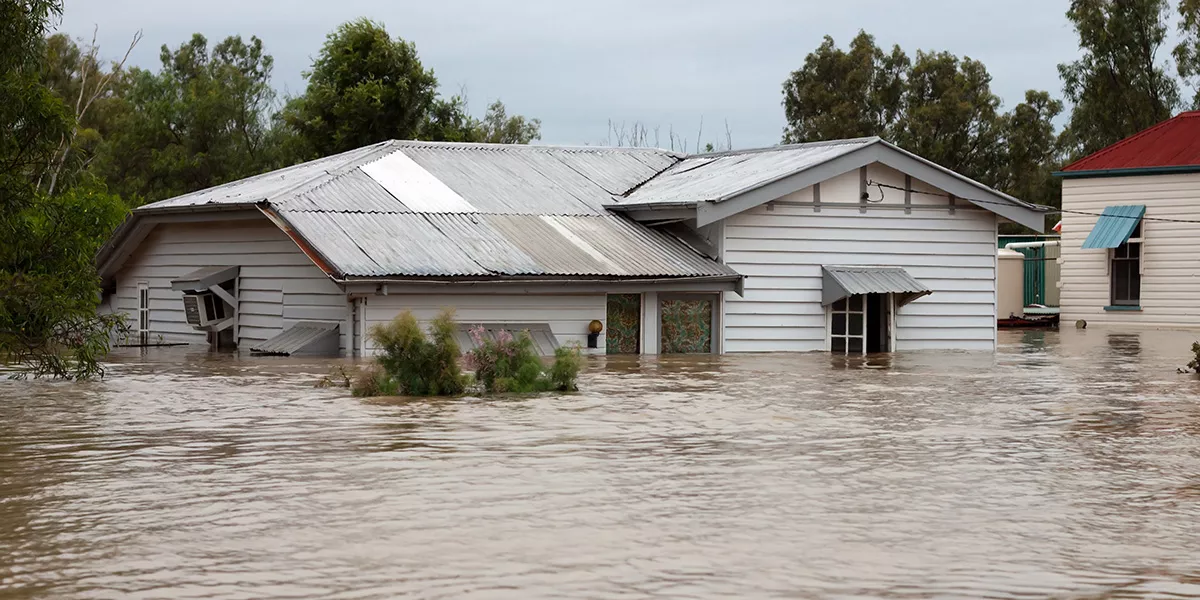
After floodwaters recede from your South Florida home, the visible damage is only the beginning. Hidden moisture and the bacteria, viruses, and mold it leaves behind can create serious health risks long after the water is gone. Proper sanitizing is not optional — it is essential for making your home safe to live in again.
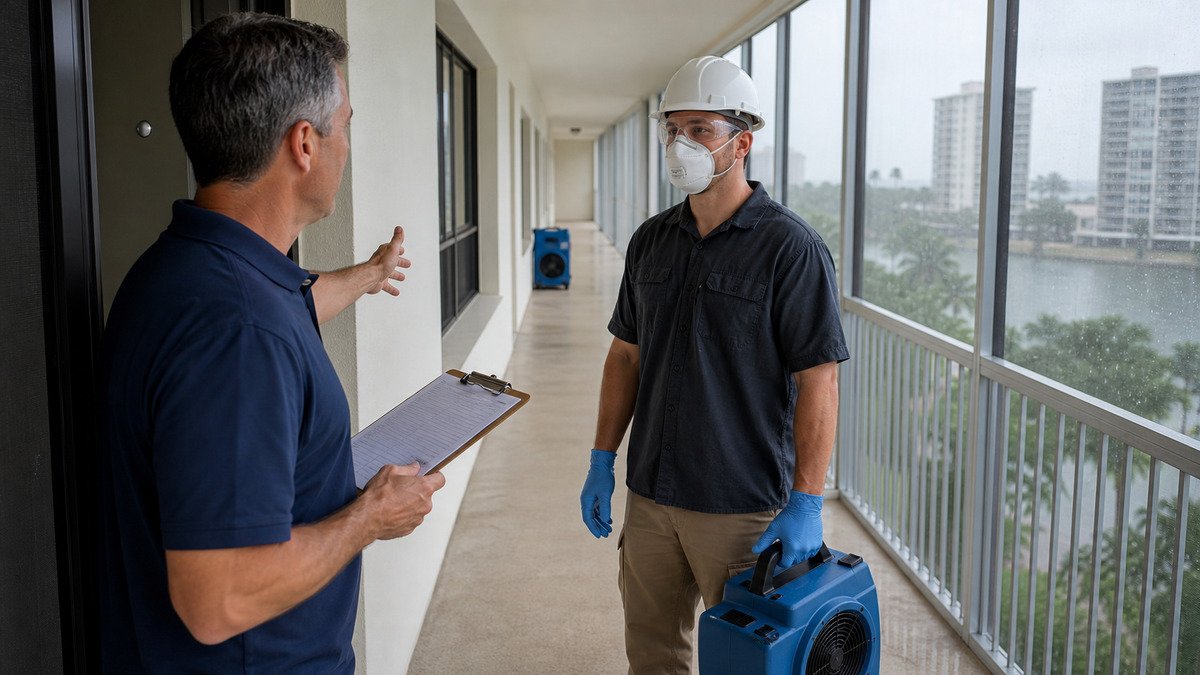
EPR (Environmental Pro Restoration) has restored hundreds of flood-damaged homes across Broward, Palm Beach, and Miami-Dade counties. With IICRC certification in water damage restoration and our Florida Mold-Related Services license (MRSR 3795), we understand exactly how to sanitize effectively while protecting your family’s health.
This article explains what professional sanitizing involves, why DIY methods fall short, and what every homeowner should know after flooding.
Why Proper Sanitizing Is Critical After Flooding
Floodwater is rarely clean. It often contains sewage, chemicals, bacteria, and pathogens. When it enters your home, it soaks into porous materials and creates ideal conditions for microbial growth.
Health Risks of Improper Sanitizing:
- Respiratory infections and worsened asthma
- Skin irritation and infections
- Long-term mold exposure leading to chronic illness
- Increased risk for vulnerable family members (children, seniors, immunocompromised)
Simply drying the home or removing wet carpet is not enough. Professional sanitizing targets the microscopic contaminants that remain.
What Professional Sanitizing Involves
EPR follows a thorough, science-based process:
1. Safety and Containment First We establish containment barriers and negative air pressure to prevent cross-contamination while we work.
2. Water Removal and Structural Drying Powerful extraction equipment removes standing water, followed by industrial dehumidifiers and air movers to dry the structure thoroughly.
3. Material Removal We remove all porous materials that cannot be effectively sanitized (wet drywall, insulation, carpet, etc.).
4. Detailed Cleaning and Sanitizing Hospital-grade antimicrobial solutions and HEPA vacuuming are used on all remaining surfaces, including framing, subfloors, and HVAC components.
5. HVAC System Sanitization Your air conditioning system is one of the biggest vectors for spreading contaminants. We thoroughly clean coils, ducts, and air handlers.
6. Post-Remediation Verification Independent air quality and surface testing confirms the home has been returned to safe, normal conditions.
This methodical approach ensures your home is not just dry — it is truly sanitized and safe.
Why DIY or General Contractor Sanitizing Falls Short
Many homeowners attempt to handle sanitizing themselves or hire general contractors who lack specialized restoration training. Common shortcomings include:
- Missing hidden contamination behind walls and under floors
- Using household cleaners that don’t kill mold and bacteria effectively
- Inadequate drying leading to hidden mold growth
- Failure to address HVAC system contamination
- Lack of proper documentation for insurance claims
These incomplete efforts often lead to recurring problems and higher long-term costs.
The EPR Advantage in Flood Restoration
- Rapid 24/7 Response — We arrive quickly when every hour matters
- Advanced Technology — Thermal imaging, professional moisture meters, and industrial drying equipment
- IICRC-Certified Technicians — Trained to the highest industry standards
- Insurance Collaboration — We work directly with all major carriers and provide clear documentation
- Whole-Home Focus — We address both visible and hidden contamination
- Verification Testing — Independent confirmation that your home is safe
Our local knowledge of South Florida building practices and climate helps us deliver more effective results than out-of-area companies.
Prevention Tips After Flooding
Once your home is restored, these steps help prevent future issues:
- Address the original water source immediately
- Improve drainage around your foundation
- Maintain proper grading away from the house
- Keep humidity below 55% with good AC use and dehumidifiers
- Schedule annual HVAC maintenance and duct inspections
Frequently Asked Questions
How long does professional sanitizing take? Most projects take 5–14 days, depending on the extent of the damage. We provide a clear timeline after the initial assessment.
Will my insurance cover sanitizing? Most homeowner’s insurance policies cover water damage restoration, including sanitizing. We work directly with insurers and provide detailed documentation.
Can I stay in my home during the process? In many cases yes, especially with proper containment. For severe flooding, we can help coordinate temporary relocation if needed.
How do I know my home is truly safe afterward? We provide independent third-party verification testing with clear lab reports showing contaminant levels have returned to normal.
What if mold has already started growing? We have extensive experience with mold remediation and can handle both water damage and mold issues comprehensively.
Act Quickly and Choose Professional Restoration
Flood damage requires fast, professional action to minimize long-term costs and health risks. DIY or incomplete sanitizing often leads to recurring problems and higher expenses.
If your home has been affected by flooding, don’t wait. The sooner you call a qualified restoration company like EPR, the more you can save and the healthier your home will remain.
Call +1 (754) 221-6945 or email info@eprllc.net today for 24/7 emergency response or a professional assessment.
Visit EPR LLC or connect with us on Facebook for real case studies and helpful resources.
Trust EPR to sanitize your flood-damaged home thoroughly and safely — protecting your family and your investment.