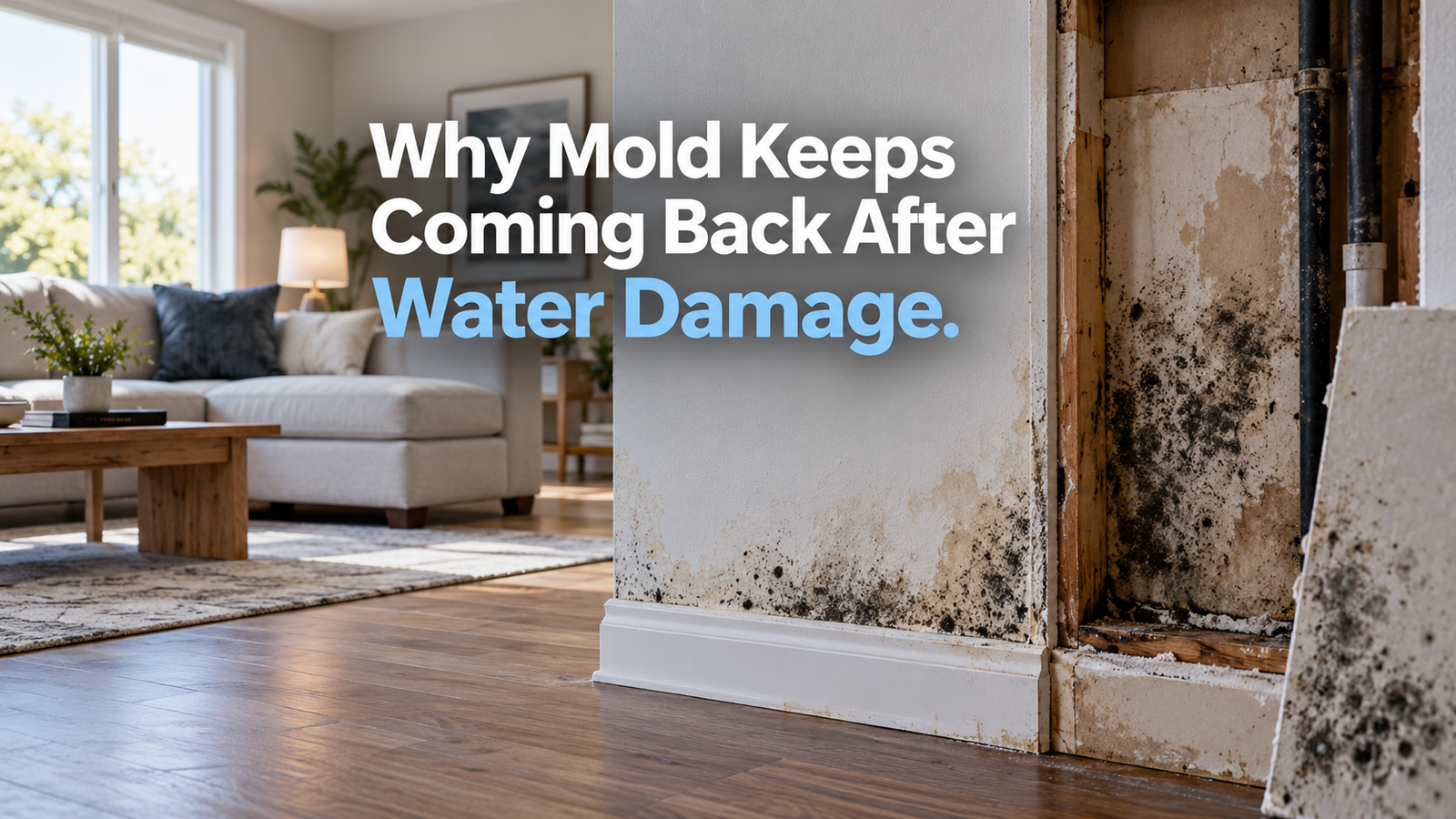
In South Florida’s humid climate, mold is a constant concern. What many homeowners don’t realize is that their HVAC system can act as a superhighway for mold spores, spreading them throughout the entire house, even to rooms that never had water damage. This silent distribution system can turn a small, hidden mold problem into a whole-home air quality issue.
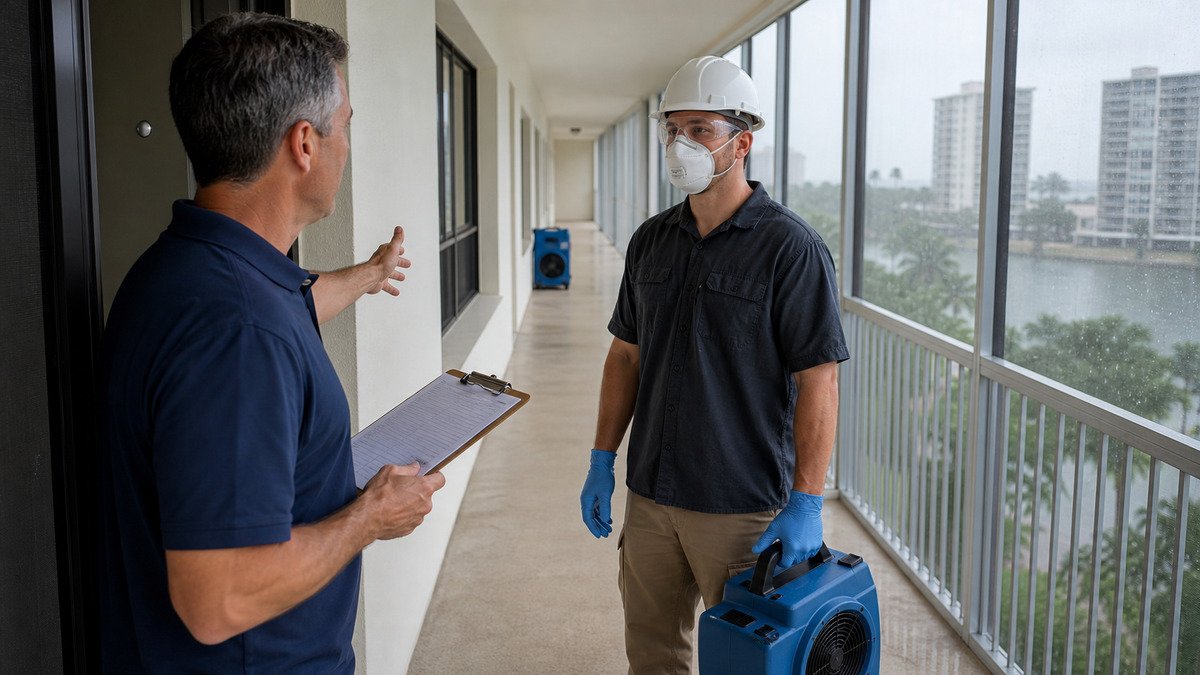
EPR (Environmental Pro Restoration) has investigated and remediated hundreds of cases where HVAC systems were actively spreading mold spores. With IICRC certification in mold remediation and indoor air quality, we understand exactly how spores travel through ductwork and how to stop them effectively.
This article explains how mold spores move through your HVAC system, why this is dangerous, and what you can do to protect your family’s health.
How Mold Spores Enter and Spread via HVAC
Mold spores are microscopic and lightweight. Once they become airborne, they can easily be pulled into your HVAC system:
Common Entry Points:
- Return air vents in rooms with active mold growth
- Leaky ducts or poorly sealed connections
- Dirty air filters that no longer trap particles
- Condensate drain pans that overflow or grow mold
- Outdoor air intake systems during humid conditions
Once inside the system, spores are pushed through supply ducts and distributed to every vent in your home. A single colony in an attic or crawlspace can contaminate the entire living space within hours of the system turning on.
Why HVAC Mold Spread Is Particularly Dangerous in Florida
Florida’s high humidity keeps mold spores viable longer. When your air conditioner runs, it creates the perfect conditions for spore transport:
- Constant airflow
- Cool, dark duct interiors
- Condensation inside the system
- Organic dust and debris for mold to feed on
This creates a continuous cycle: spores are pulled in, distributed, and then new colonies form in previously clean areas.
Health Risks of Circulating Mold Spores
Breathing mold spores can trigger or worsen:
- Allergic reactions (sneezing, itchy eyes, sinus congestion)
- Asthma attacks and respiratory issues
- Chronic fatigue and cognitive difficulties (“brain fog”)
- Skin irritation and headaches
- Increased risk of infections in vulnerable individuals
Children, seniors, and people with compromised immune systems are especially at risk. Because the HVAC distributes spores evenly, symptoms often appear throughout the house rather than in one room.
Signs Your HVAC Is Spreading Mold
- Musty or earthy smell when the AC turns on
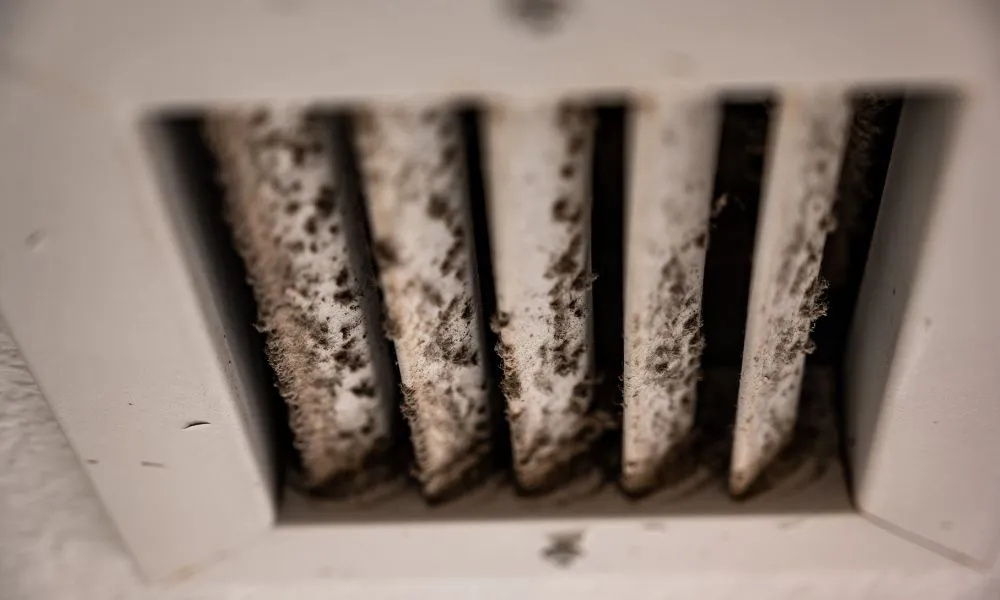
- Visible mold inside return vents or on-air filters
- Black or dark spots around vents
- Increased allergy or asthma symptoms when the system runs
- Frequent need to change air filters
If you notice these signs, professional inspection is essential — DIY cleaning rarely solves the root problem.
How EPR Detects and Solves HVAC Mold Issues
Our process is thorough and science-based:
- Comprehensive Inspection We use thermal imaging, moisture meters, and borescopes to examine ducts, coils, and drain pans without destructive cutting.
- Air Quality Sampling Professional testing identifies mold types and spore levels in different rooms and inside the HVAC system.
- Safe Containment and Removal We set up containment to prevent cross-contamination while removing affected materials and cleaning the system.
- System Sanitization High-level antimicrobial treatments and UV lights are used where appropriate.
- Post-Remediation Verification Independent testing confirms spore levels have returned to normal.
Many clients report noticeable improvement in air quality and allergy symptoms within days of proper remediation.
Prevention: Keeping Mold Out of Your HVAC
- Change air filters monthly (more often during high pollen seasons)
- Schedule annual professional HVAC maintenance
- Address any water leaks or moisture issues immediately
- Keep humidity below 55% with proper AC use and dehumidifiers
- Have ducts cleaned only by qualified professionals when needed
EPR offers maintenance programs that include HVAC system inspections specifically focused on mold prevention.
Frequently Asked Questions
How do I know if mold is in my ducts? Professional inspection and air sampling are the most reliable methods. Visible mold around vents is a strong indicator.
Can I just clean my own ducts? DIY duct cleaning is usually ineffective and can spread spores further if not done properly.
Will replacing my HVAC fix the problem? Not always. If mold is in the ductwork, the new system can become contaminated quickly.
How long does professional HVAC mold remediation take? Most projects are completed in 2–5 days, depending on the extent of contamination.
Is this covered by insurance? Many policies cover mold remediation when it results from a covered water event. We work directly with insurance companies and provide detailed documentation.
Protect Your Family’s Air Quality
Your HVAC system should improve comfort and air quality — not make hidden mold problems worse. Professional detection and remediation are essential when spores are circulating through your home.
If you suspect mold in your HVAC system or are experiencing persistent allergy symptoms, don’t wait.
Call +1 (754) 221-6945 or email info@eprllc.net today to schedule a professional air quality assessment.
Visit EPR LLC or connect with us on Facebook for helpful resources and real client stories.
Breathe easier knowing your home’s air is clean and safe — trust EPR for expert mold and HVAC remediation in South Florida.