Lingering odors in a home or commercial property are more than just unpleasant — they are often a sign of hidden contamination that continues to off-gas volatile organic compounds (VOCs), bacteria, mold byproducts, or protein residues long after the original source appears “gone.” In South Florida’s high-humidity climate, untreated odors quickly become permanent because moisture allows odor-causing microbes to thrive and re-contaminate surfaces. (Odor Removal)
EPR (Environmental Pro Restoration) has successfully eliminated persistent odors on more than 1,600 residential, commercial, and multi-family properties in Broward, Palm Beach, and Miami-Dade counties since 2010. We follow IICRC S540 (Fire & Smoke Damage), S520 (Mold), and odor-control best practices, using hospital-grade equipment and EPA-registered products that most general contractors do not have access to.
This guide explains the professional process used to permanently remove stubborn odors — and why DIY methods or “fogging only” approaches almost always fail long-term.
1. Odor Source Identification – You Can’t Fix What You Can’t Find
Persistent odors almost always come from one or more of these categories:
- Smoke & soot residues (fire, cigarette, cigar, cannabis, kitchen fires)
- Protein / organic decay (dead animals in walls/attic, pet urine, food spoilage)
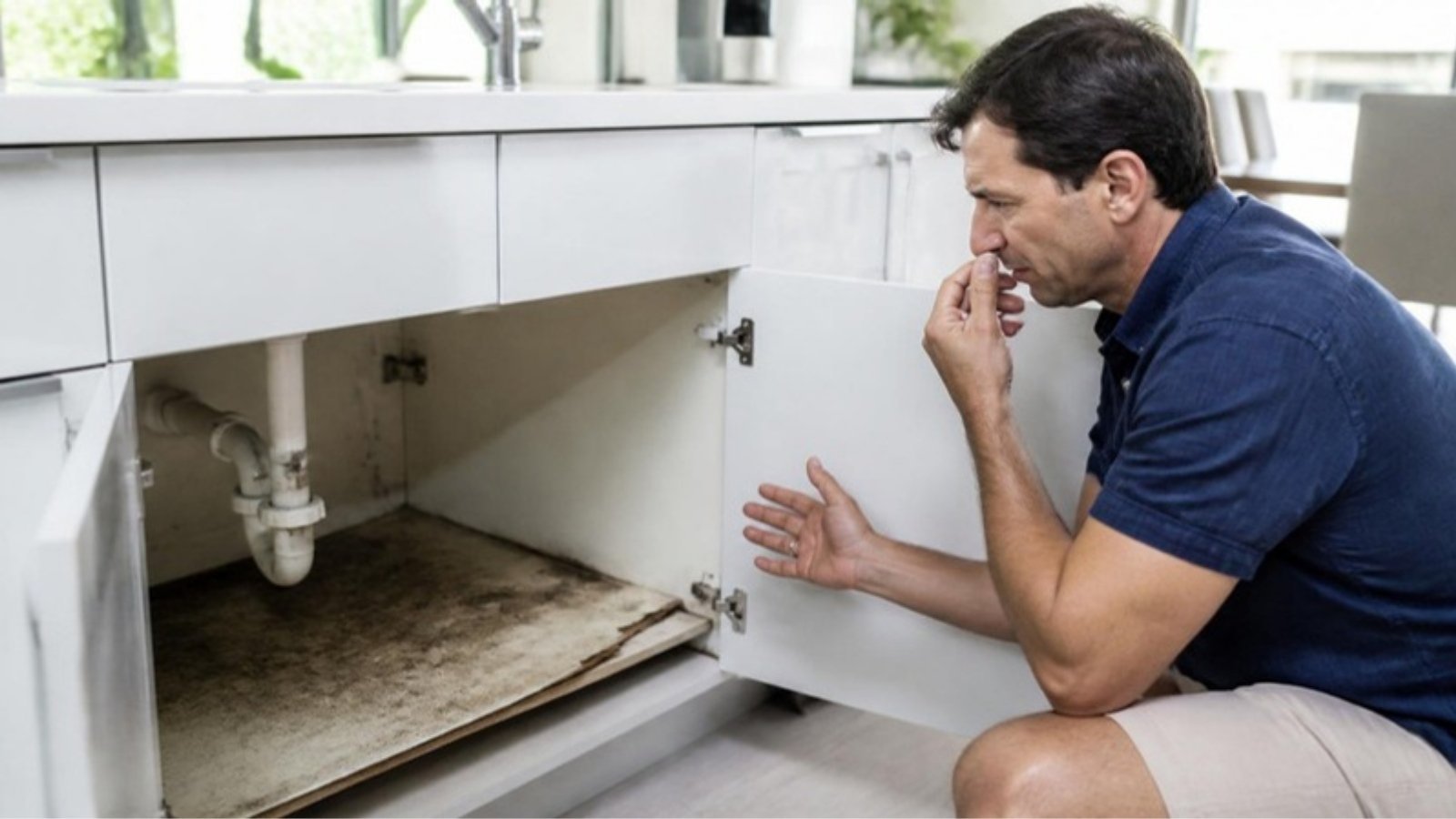
- Mold & microbial VOCs (hidden mold in walls, crawl spaces, HVAC)
- Sewage / black-water backups (urine, feces, bacteria)
- Chemical off-gassing (flood-damaged drywall, glue, paint, flooring adhesives)
- Cat / pet urine (crystallized uric acid salts deep in subfloor or drywall)
What EPR does on every odor job:
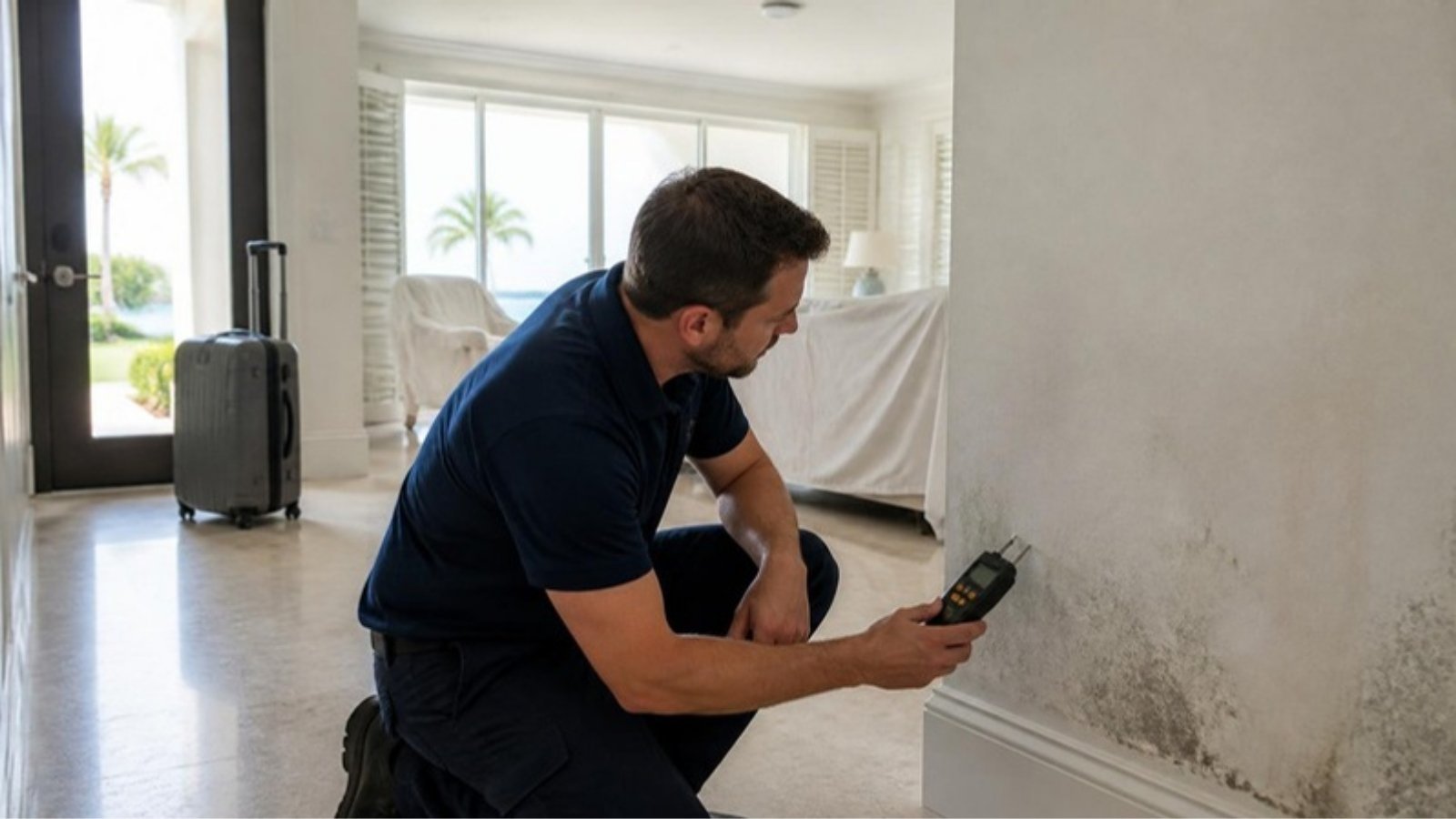
- Thermal imaging (FLIR) to locate hidden moisture sources
- Boroscope inspection inside wall cavities, ducts, and voids
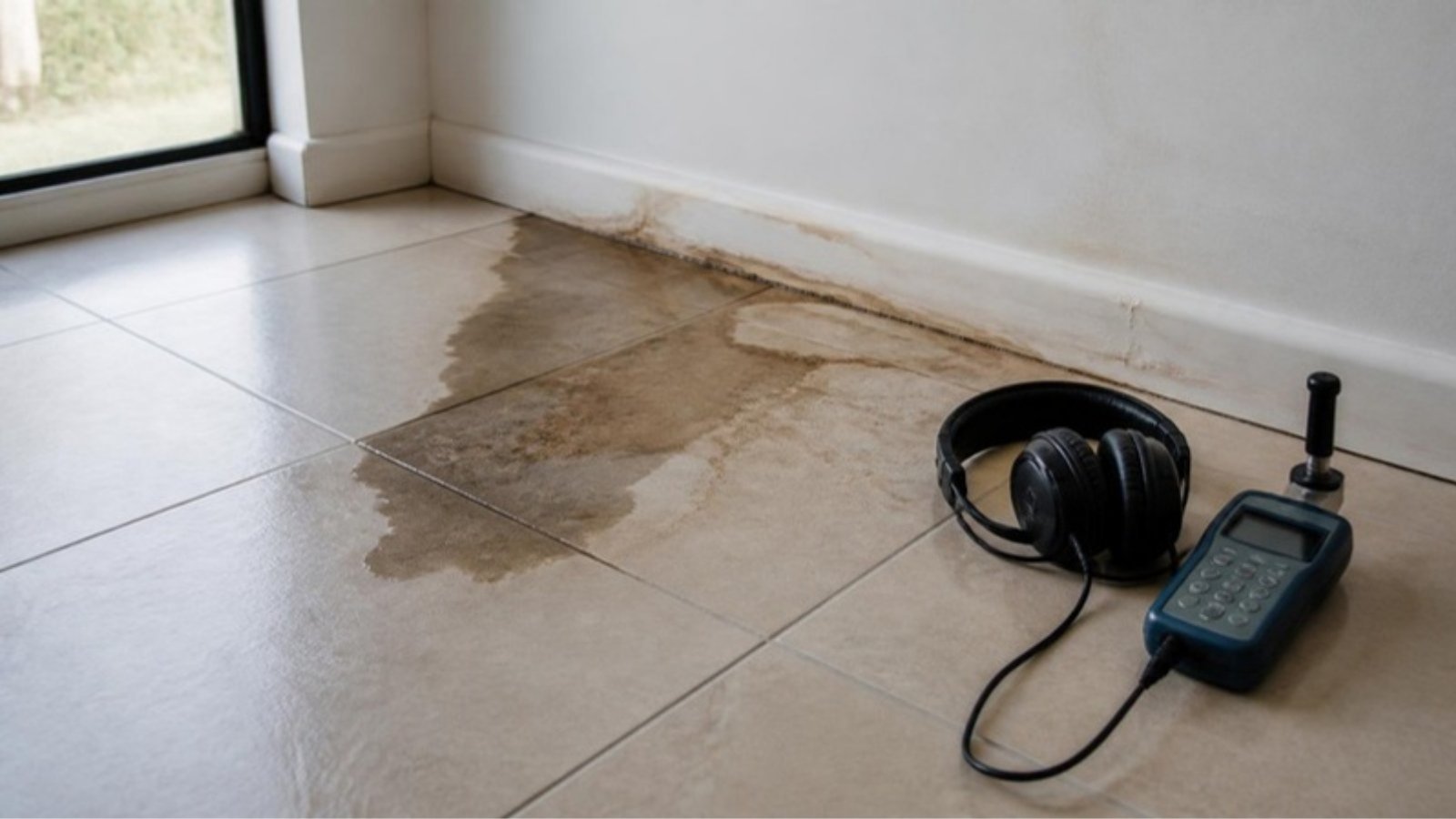
- Moisture mapping with pin & pinless meters
- Air sampling (VOC & microbial) when needed for documentation
- Surface pH & odor-source wipe testing
- Trained olfactory mapping (technicians are certified to identify odor types & locations)
Skipping source identification is why “we fogged it” jobs still smell bad 2–6 weeks later.
2. Source Removal – The Only Way to Stop the Smell Permanently
Fogging, ozone, or air fresheners mask odors — they do not remove the source.
Professional source-removal steps we take:
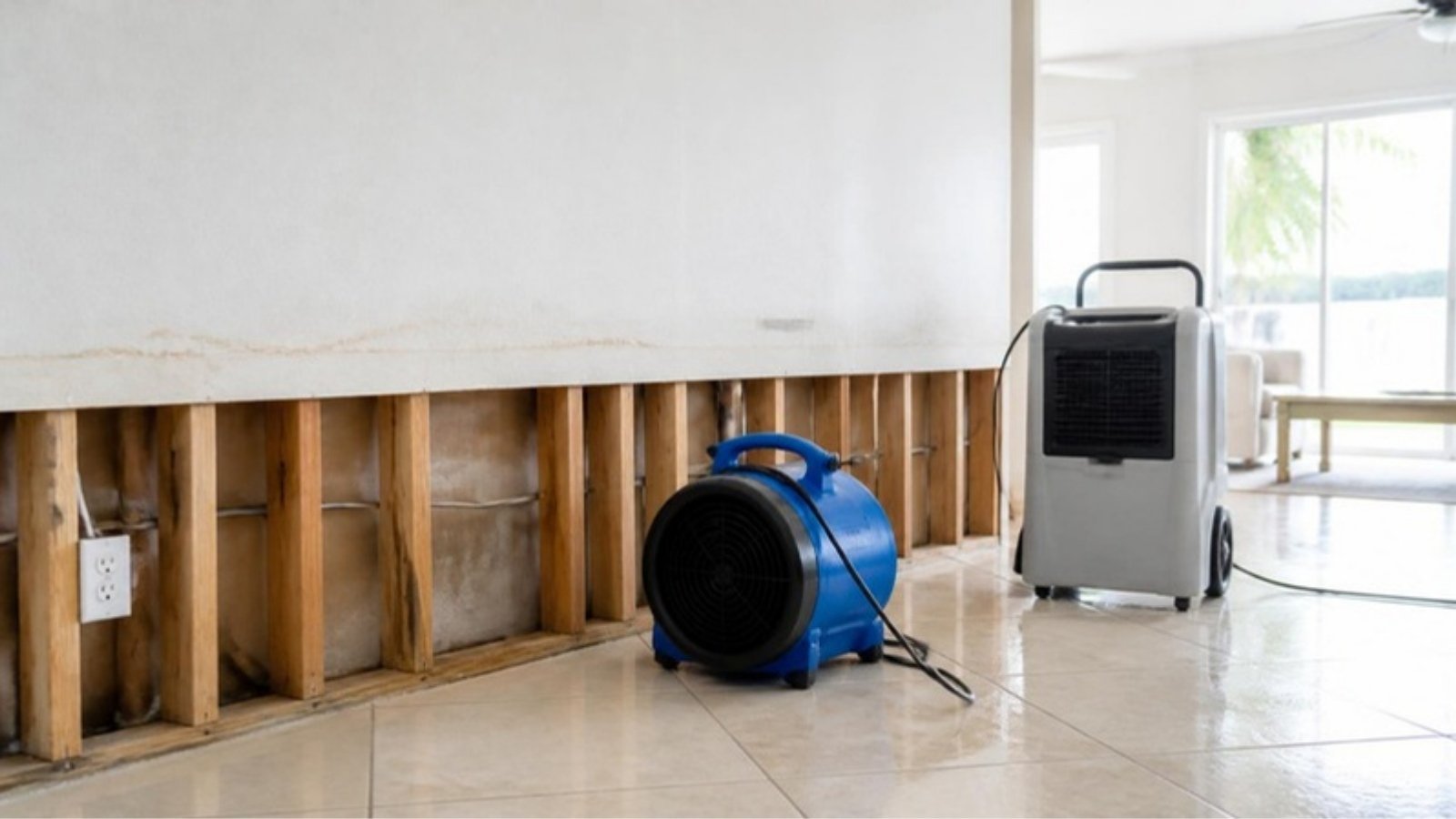
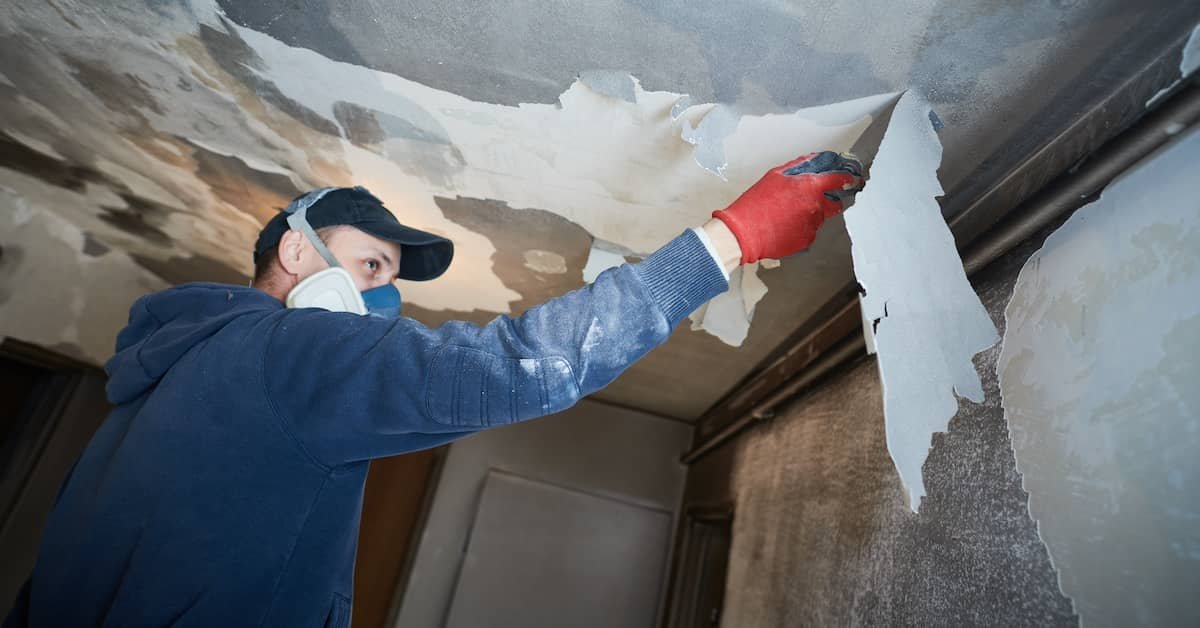
- Controlled demolition of contaminated porous materials (drywall, insulation, carpet padding, particle-board cabinets) — usually 12–18 inches beyond visible staining
- HEPA vacuuming of all soot, dust, and residue (99.97% efficiency at 0.3 microns)
- Enzymatic cleaners for protein & pet urine (breaks down uric acid crystals)
- Hydroxyl radical generation (no ozone) for safe, continuous deodorization in occupied spaces
- Soda blasting or dry-ice blasting on non-porous surfaces (wood beams, brick, metal)
All debris is double-bagged and disposed of as construction or biohazard waste when required. (Odor Removal)
3. HVAC System Decontamination – The Hidden Odor Reservoir
Smoke, pet dander, mold spores, and urine vapors travel through ductwork and re-contaminate the entire indoor environment every time the system runs.
Standard protocol:
- Negative-air containment on air handler
- Agitation tools + HEPA vacuuming of supply & return ducts
- Sanitization with EPA-registered botanical or hydrogen-peroxide fog
- Replacement of filters, insulation, and any contaminated components
- UV-C lights installed (optional) for ongoing microbial control
Uncleaned HVAC systems are the #1 reason odors return after “professional” treatment.
4. Odor Neutralization – Targeted, Not Blanket
After source removal, we use controlled neutralization methods:
- Hydroxyl generators (produce safe radicals that oxidize odor molecules) — safe for occupied spaces
- Thermal fogging with deodorant agents (after cleaning, in unoccupied areas)
- Vapor-phase biocide (EPA-registered for mold & bacteria) in wall cavities
- Sealants (odor-blocking primers) on affected drywall before reconstruction
We never rely on ozone in occupied structures — it is unsafe and ineffective against embedded residues.
5. Contents & Soft-Goods Restoration
Many odors cling to furniture, clothing, drapes, books, and electronics.
Restoration options we use:
- Ultrasonic cleaning for hard goods
- Ozone / hydroxyl chambers for soft contents
- Esporta wash system for water-safe fabrics
- Specialized dry-cleaning for non-washables
- Document & photo restoration partners
Most insurance policies cover contents pack-out & restoration — we coordinate directly with adjusters.
6. Final Clearance & Verification Testing
Before declaring the job complete:
- Post-remediation air sampling (VOC levels & particulate)
- Surface wipe sampling for residual soot / acids / proteins
- Odor inspection by trained technician
- Clearance certificate issued (accepted by insurance carriers & property managers)
Only after clearance do we allow occupants to return and HVAC to run normally.
Why South Florida Property Owners Trust EPR for Odor Elimination
- Florida Mold-Related Services license MRSR 3795
- IICRC Fire & Smoke Restoration Technician certifications
- 24/7 live answer & 60-minute dispatch guarantee (Broward/Palm Beach)
- Direct insurance billing & documentation accepted by all major carriers
- 4.9-star average across hundreds of verified reviews
Don’t Mask It — Remove It
Odors are a symptom of contamination that continues to degrade air quality and property value until the source is physically removed. Fogging, candles, or air fresheners only hide the problem — they do not solve it.
Call +1 (754) 221-6945 or email info@eprllc.net for 24/7 emergency response — we answer live, every day of the year.
Visit EPR LLC or message us on Facebook for real odor-elimination case studies.
The faster the source is removed, the lower the cost and the better the outcome. Let EPR restore clean, odor-free air to your property.
Frequently Asked Questions
What causes persistent odors in properties?
Persistent odors often come from smoke residues, protein decay, mold VOCs, sewage backups, chemical off-gassing, or pet urine deeply embedded in materials.
Why do DIY odor removal methods often fail?
DIY methods like fogging only mask odors temporarily without removing the source, allowing odors to return as underlying contamination remains untreated.
How does Edwards Property Remediation remove odors permanently?
They identify odor sources using thermal imaging and air sampling, remove contaminated materials, clean HVAC systems, neutralize odors with hydroxyl generators, restore contents, and conduct clearance testing.
Is HVAC cleaning important for odor removal?
Yes, HVAC systems can harbor smoke, mold spores, and pet dander that re-contaminate indoor air. Proper HEPA vacuuming, sanitization, and filter replacement are essential.
Does Edwards Property Remediation coordinate with insurance?
Yes, they offer direct insurance billing and documentation accepted by major carriers, often covering contents pack-out and restoration.