Lingering odors in a home or commercial property are more than just unpleasant — they are often a sign of hidden contamination that continues to off-gas volatile organic compounds (VOCs), bacteria, mold byproducts, or protein residues long after the original source appears “gone.” In South Florida’s high-humidity climate, untreated odors quickly become permanent because moisture allows odor-causing microbes to thrive and re-contaminate surfaces. (Odor Removal)
EPR (Environmental Pro Restoration) has successfully eliminated persistent odors on more than 1,600 residential, commercial, and multi-family properties in Broward, Palm Beach, and Miami-Dade counties since 2010. We follow IICRC S540 (Fire & Smoke Damage), S520 (Mold), and odor-control best practices, using hospital-grade equipment and EPA-registered products that most general contractors do not have access to.
This guide explains the professional process used to permanently remove stubborn odors — and why DIY methods or “fogging only” approaches almost always fail long-term.
1. Odor Source Identification – You Can’t Fix What You Can’t Find
Persistent odors almost always come from one or more of these categories:
- Smoke & soot residues (fire, cigarette, cigar, cannabis, kitchen fires)
- Protein / organic decay (dead animals in walls/attic, pet urine, food spoilage)
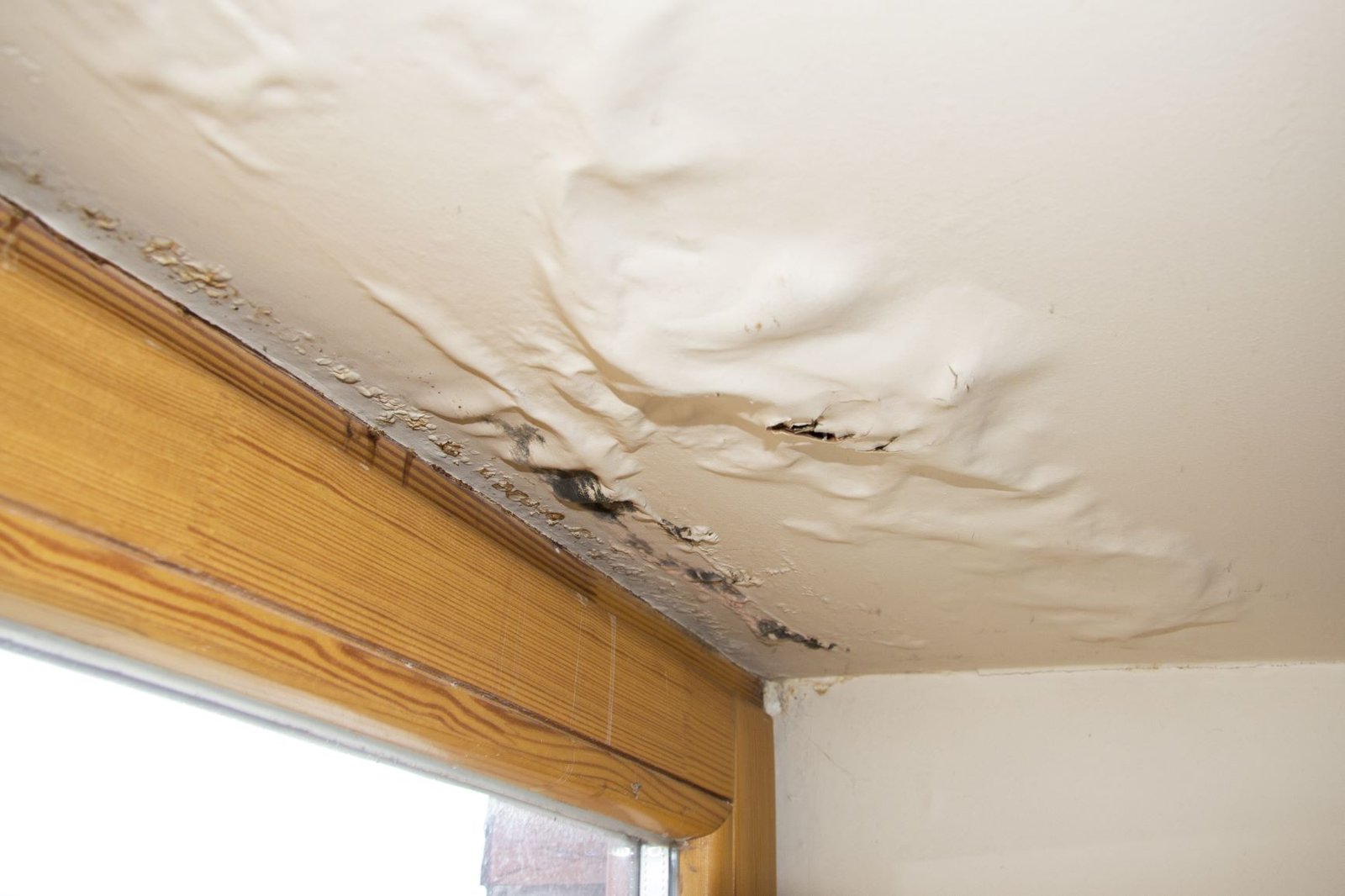
- Mold & microbial VOCs (hidden mold in walls, crawl spaces, HVAC)
- Sewage / black-water backups (urine, feces, bacteria)
- Chemical off-gassing (flood-damaged drywall, glue, paint, flooring adhesives)
- Cat / pet urine (crystallized uric acid salts deep in subfloor or drywall)
What EPR does on every odor job:
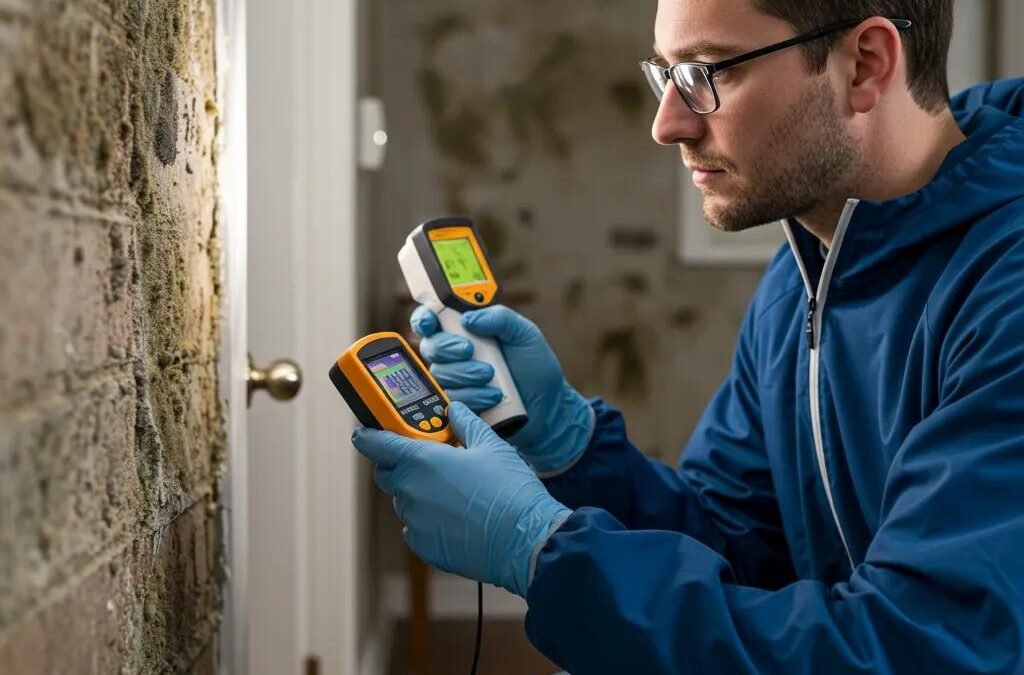
- Thermal imaging (FLIR) to locate hidden moisture sources
- Boroscope inspection inside wall cavities, ducts, and voids
- Moisture mapping with pin & pinless meters
- Air sampling (VOC & microbial) when needed for documentation
- Surface pH & odor-source wipe testing
- Trained olfactory mapping (technicians are certified to identify odor types & locations)
Skipping source identification is why “we fogged it” jobs still smell bad 2–6 weeks later.
2. Source Removal – The Only Way to Stop the Smell Permanently
Fogging, ozone, or air fresheners mask odors — they do not remove the source.
Professional source-removal steps we take:
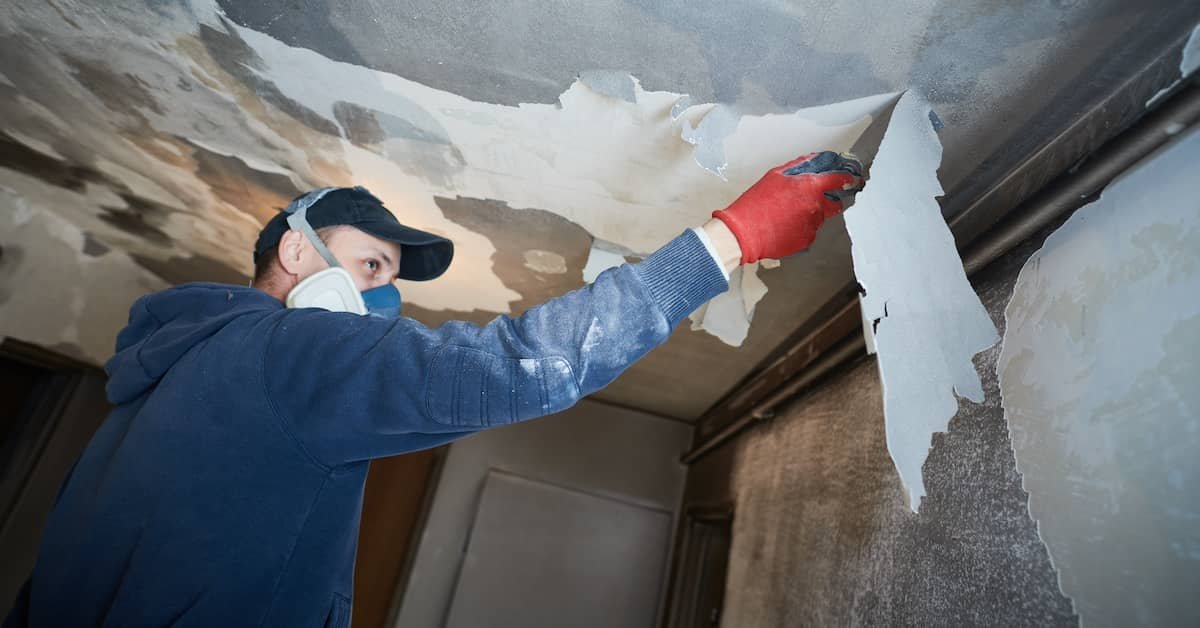
- Controlled demolition of contaminated porous materials (drywall, insulation, carpet padding, particle-board cabinets) — usually 12–18 inches beyond visible staining
- HEPA vacuuming of all soot, dust, and residue (99.97% efficiency at 0.3 microns)
- Enzymatic cleaners for protein & pet urine (breaks down uric acid crystals)
- Hydroxyl radical generation (no ozone) for safe, continuous deodorization in occupied spaces
- Soda blasting or dry-ice blasting on non-porous surfaces (wood beams, brick, metal)
All debris is double-bagged and disposed of as construction or biohazard waste when required. (Odor Removal)
3. HVAC System Decontamination – The Hidden Odor Reservoir
Smoke, pet dander, mold spores, and urine vapors travel through ductwork and re-contaminate the entire indoor environment every time the system runs.
Standard protocol:
- Negative-air containment on air handler
- Agitation tools + HEPA vacuuming of supply & return ducts
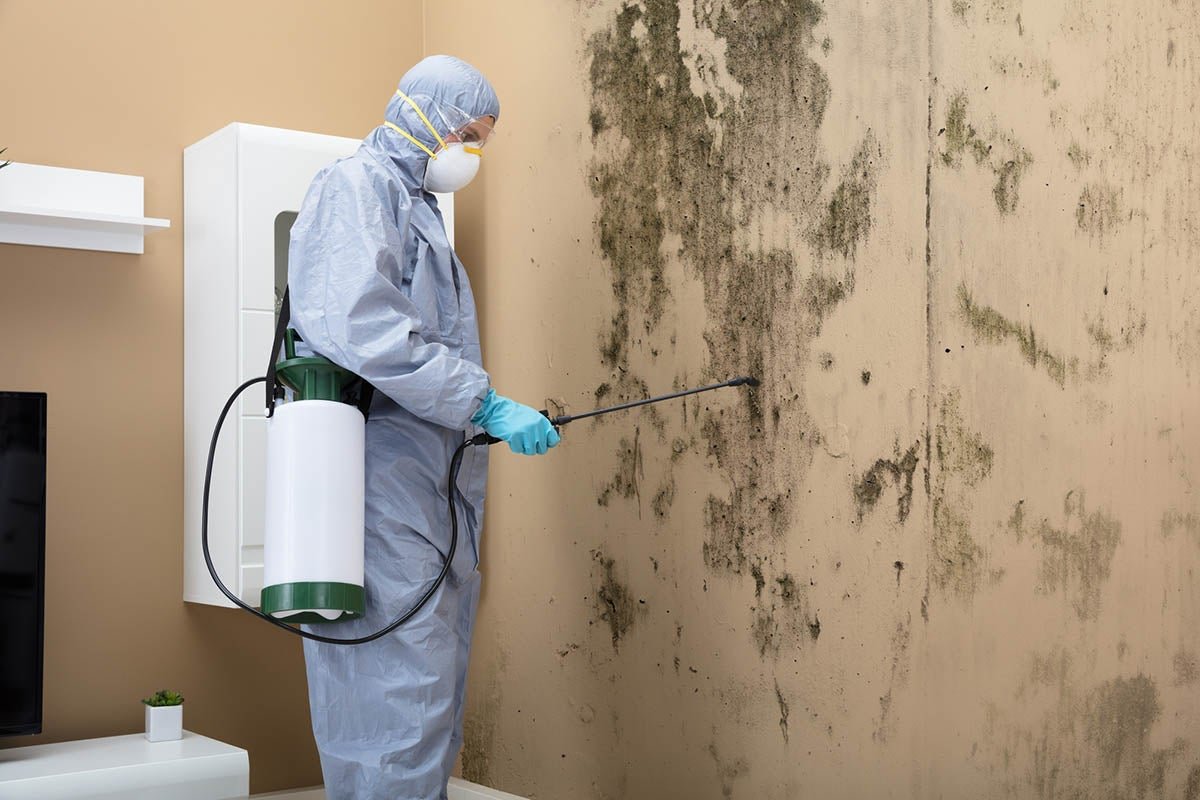
- Sanitization with EPA-registered botanical or hydrogen-peroxide fog
- Replacement of filters, insulation, and any contaminated components
- UV-C lights installed (optional) for ongoing microbial control
Uncleaned HVAC systems are the #1 reason odors return after “professional” treatment.
4. Odor Neutralization – Targeted, Not Blanket
After source removal, we use controlled neutralization methods:
- Hydroxyl generators (produce safe radicals that oxidize odor molecules) — safe for occupied spaces
- Thermal fogging with deodorant agents (after cleaning, in unoccupied areas)
- Vapor-phase biocide (EPA-registered for mold & bacteria) in wall cavities
- Sealants (odor-blocking primers) on affected drywall before reconstruction
We never rely on ozone in occupied structures — it is unsafe and ineffective against embedded residues.
5. Contents & Soft-Goods Restoration
Many odors cling to furniture, clothing, drapes, books, and electronics.
Restoration options we use:
- Ultrasonic cleaning for hard goods
- Ozone / hydroxyl chambers for soft contents
- Esporta wash system for water-safe fabrics
- Specialized dry-cleaning for non-washables
- Document & photo restoration partners
Most insurance policies cover contents pack-out & restoration — we coordinate directly with adjusters.
6. Final Clearance & Verification Testing
Before declaring the job complete:
- Post-remediation air sampling (VOC levels & particulate)
- Surface wipe sampling for residual soot / acids / proteins
- Odor inspection by trained technician
- Clearance certificate issued (accepted by insurance carriers & property managers)
Only after clearance do we allow occupants to return and HVAC to run normally.
Why South Florida Property Owners Trust EPR for Odor Elimination
- Florida Mold-Related Services license MRSR 3795
- IICRC Fire & Smoke Restoration Technician certifications
- 24/7 live answer & 60-minute dispatch guarantee (Broward/Palm Beach)
- Direct insurance billing & documentation accepted by all major carriers
- 4.9-star average across hundreds of verified reviews
Don’t Mask It — Remove It
Odors are a symptom of contamination that continues to degrade air quality and property value until the source is physically removed. Fogging, candles, or air fresheners only hide the problem — they do not solve it.
Call +1 (754) 221-6945 or email info@eprllc.net for 24/7 emergency response — we answer live, every day of the year.
Visit EPR LLC or message us on Facebook for real odor-elimination case studies.
The faster the source is removed, the lower the cost and the better the outcome. Let EPR restore clean, odor-free air to your property.