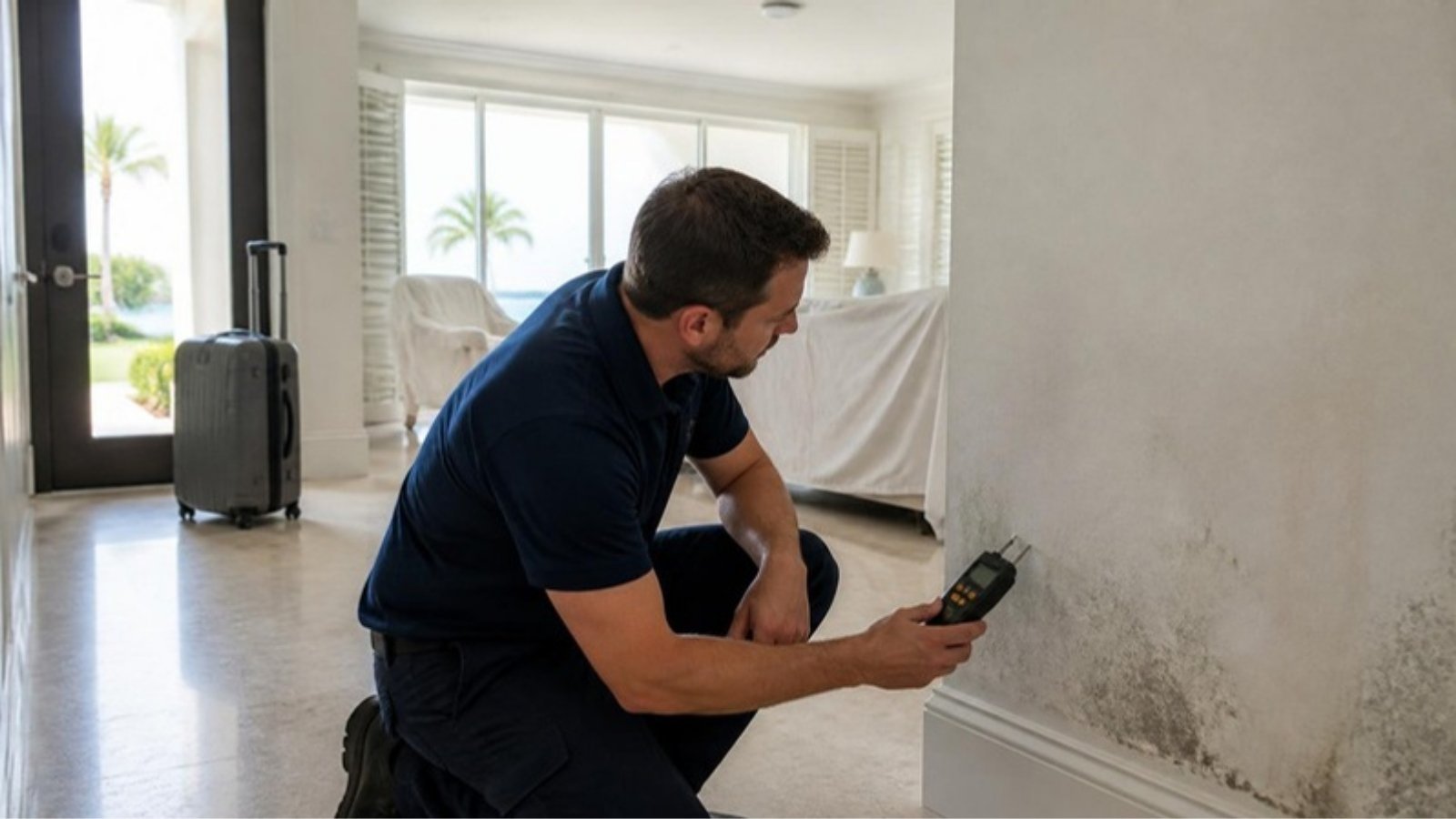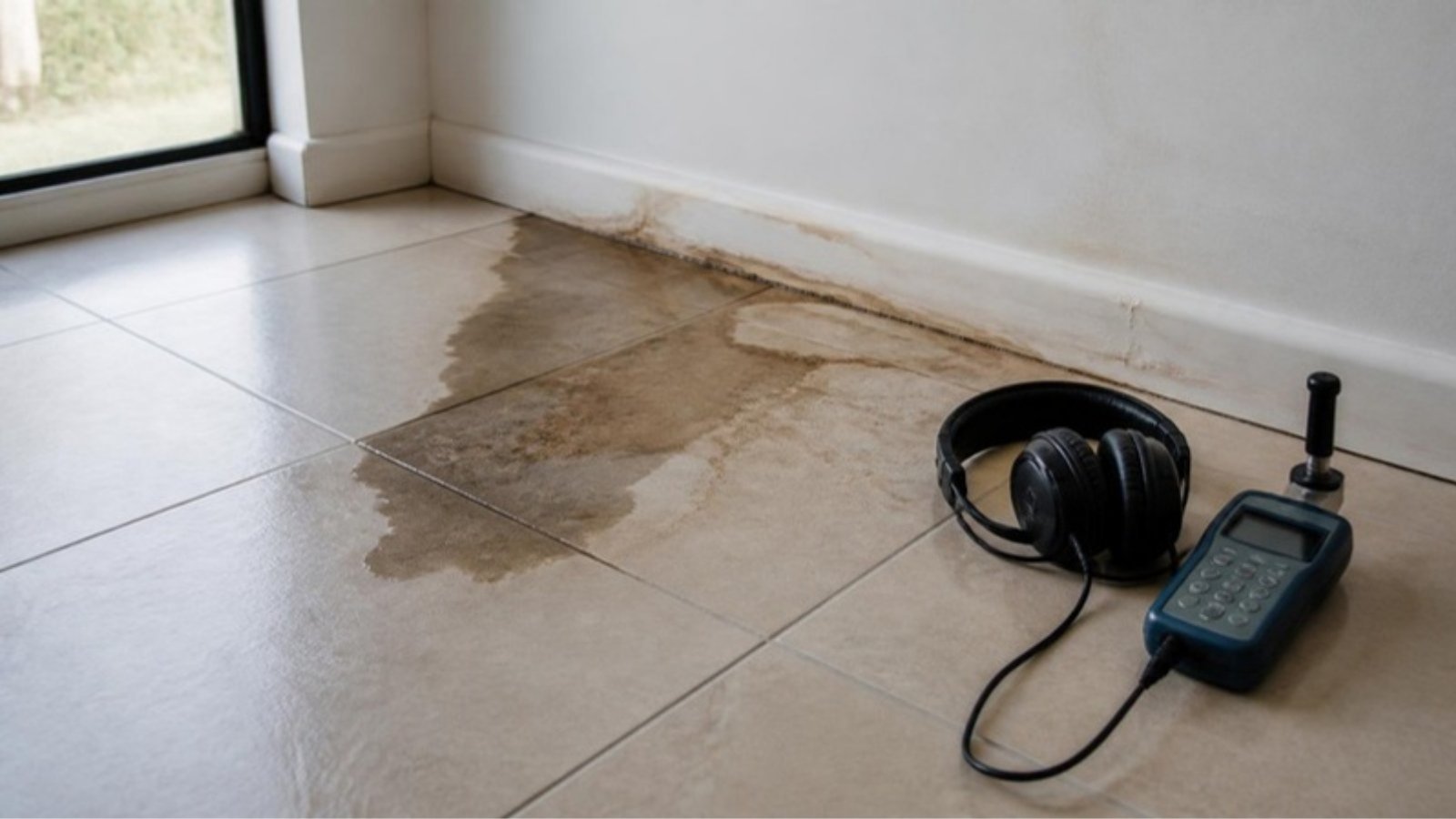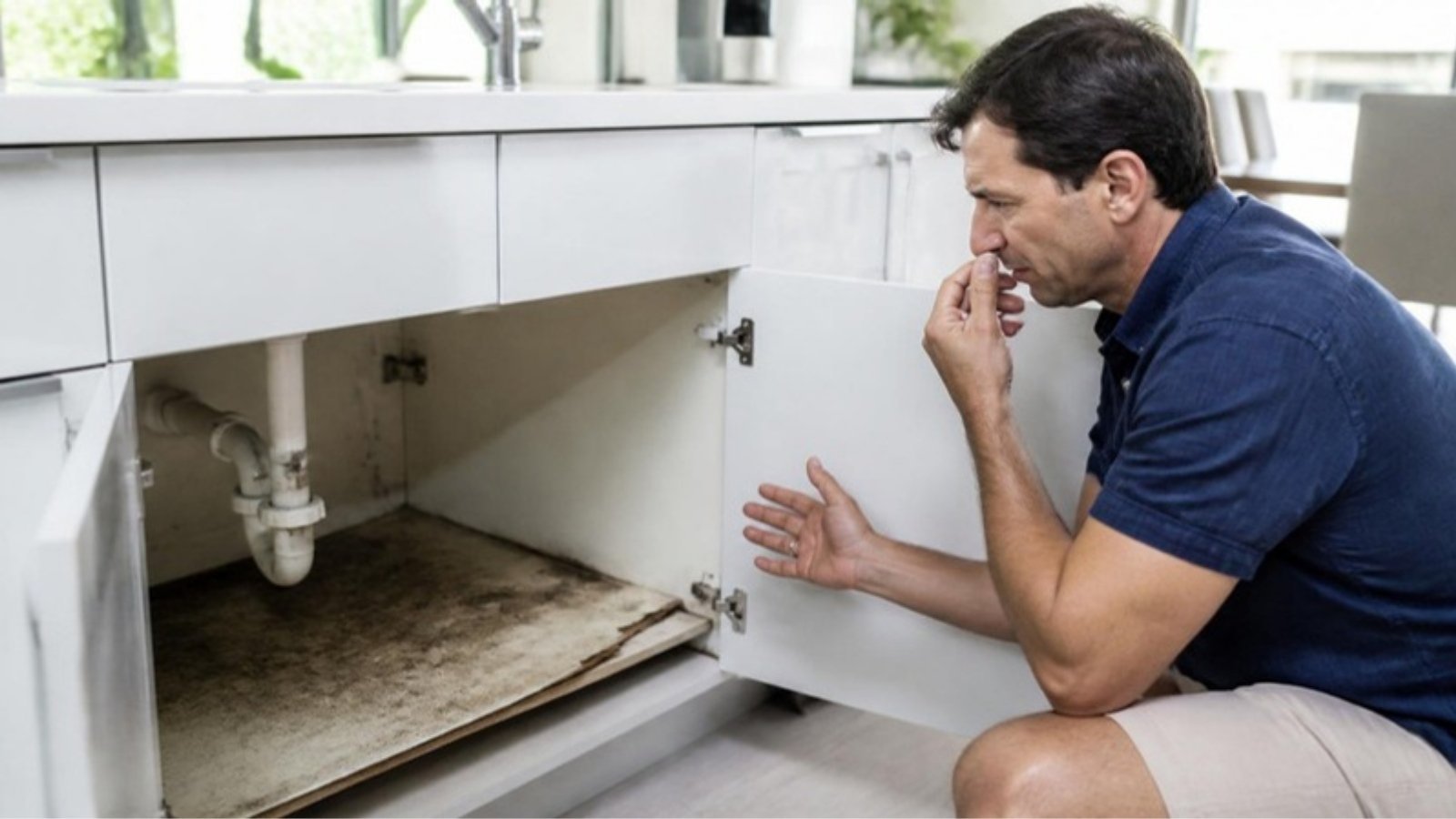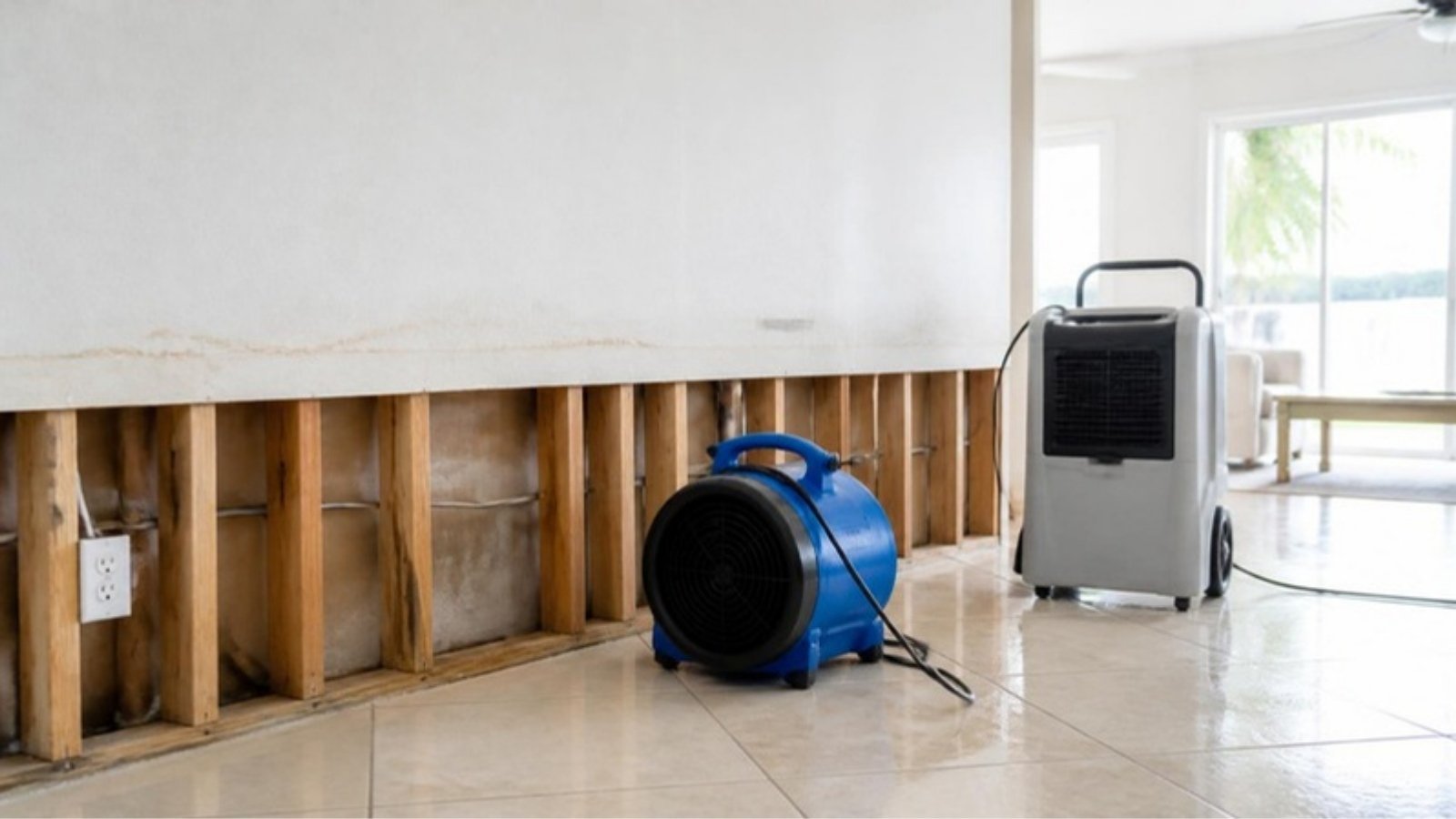
Smoke odor removal starts with identifying what burned, where residue traveled, and which porous materials absorbed contamination. Masking the smell does not remove the source.
Smoke can move through door gaps, HVAC pathways, wall cavities, fabrics, and unfinished wood. Different residues require different cleaning methods, so a careful inspection matters before deodorization begins.
How Smoke Odor Removal Works After a Property Fire: an expert checklist
- Confirm the property is safe to enter
- Identify affected rooms and residue types
- Remove unsalvageable source materials
- Clean surfaces using material-appropriate methods
- Deodorize remaining porous materials and verify results
Effective restoration follows source removal, cleaning, and deodorization in that order. Applying fragrance or ozone without first removing residue can leave contamination in place and may create additional safety concerns.
How to make the next decision
Start with documented conditions rather than assumptions. Edwards Property Remediation provides information and services relevant to smoke odor removal after fire; the correct scope still depends on the property, equipment, documents, or project conditions involved.
Review the related guidance on fire damage restoration and odor and smoke removal. These pages explain the available service context before you request a site-specific recommendation.
Questions to ask a provider
- What information do you need before recommending a scope?
- Which assumptions still need field verification?
- What is included, excluded, and documented?
- What conditions would change the recommendation?
Clear answers help customers compare scope and process instead of choosing from a headline alone. Keep records, photos, plans, model numbers, or ownership documents that are relevant to the service.
Frequently asked questions
Why does smoke odor return on humid days?
Porous materials can release trapped odor compounds as temperature and humidity change, especially when the source was not fully cleaned or sealed.
Can HVAC systems spread smoke residue?
Yes. If the system operated during or after the event, ducts, filters, and mechanical components may need evaluation.
Is every smoke-damaged item discarded?
No. Salvageability depends on the material, residue, exposure, value, and whether it can be cleaned safely and economically.
When should odor treatment begin?
After the site is safe and the primary residue and damaged source materials have been addressed.
Request a business-specific review
Use the Edwards Property Remediation contact or scheduling page to describe your situation and confirm the appropriate next step.