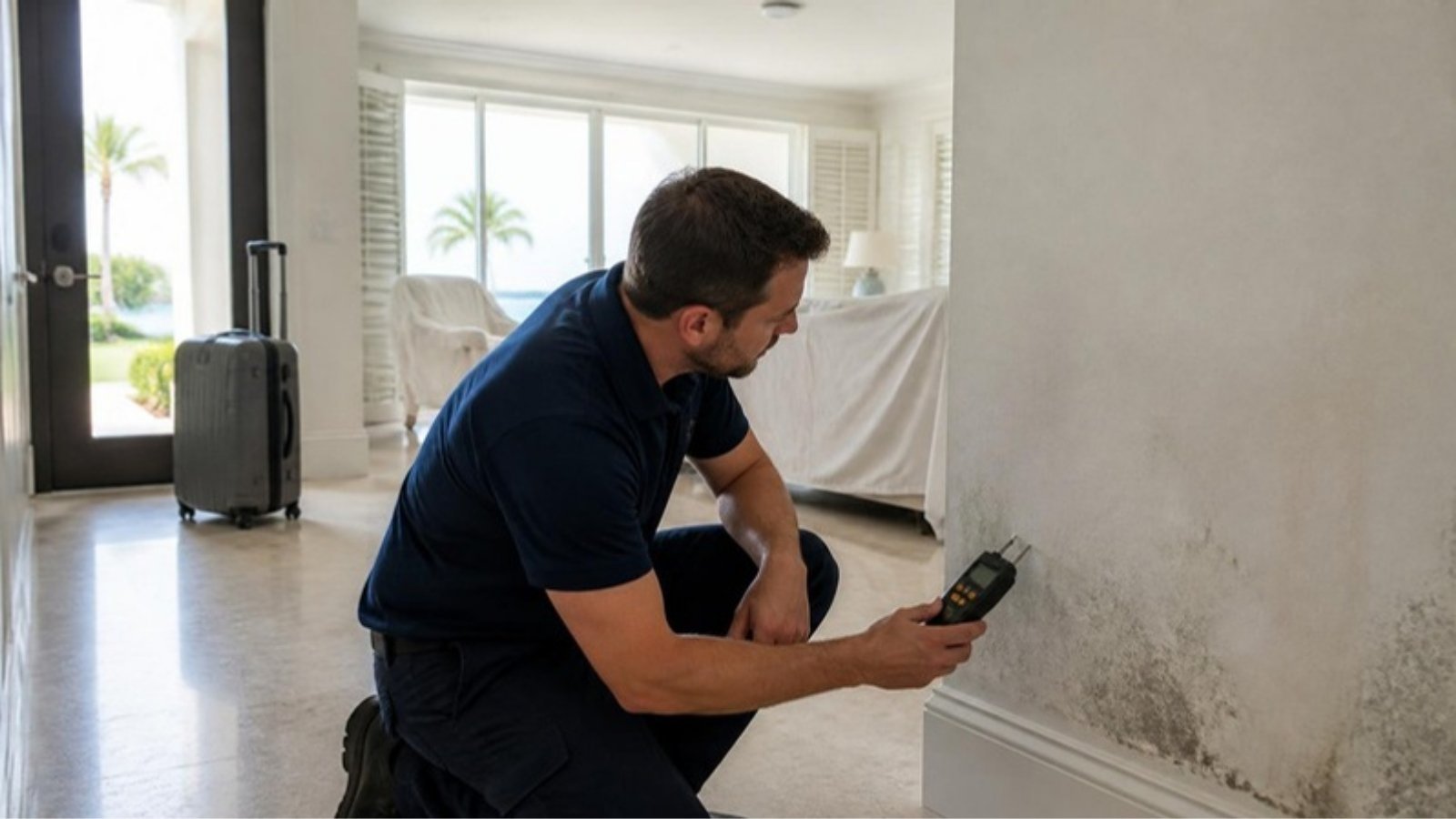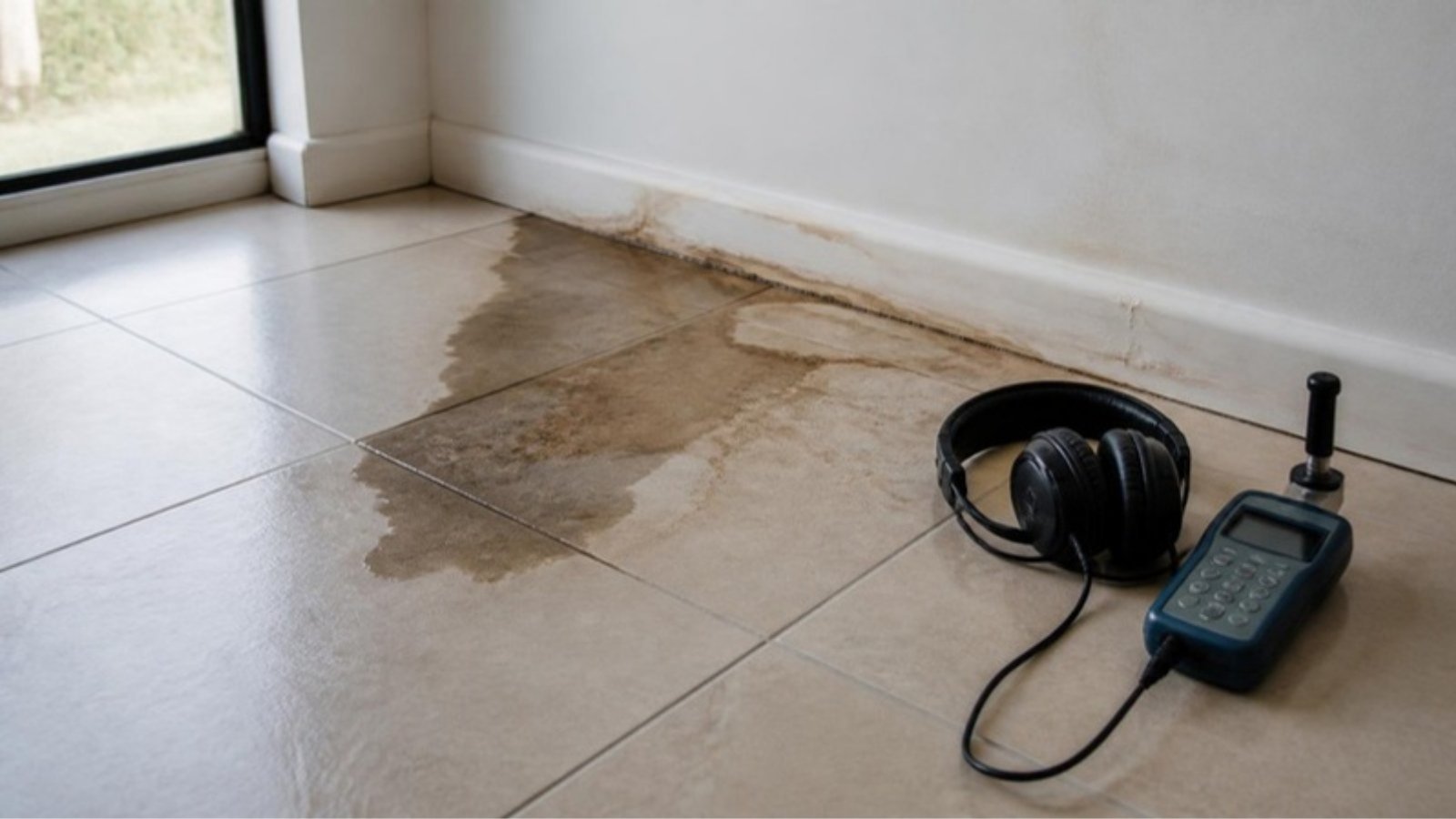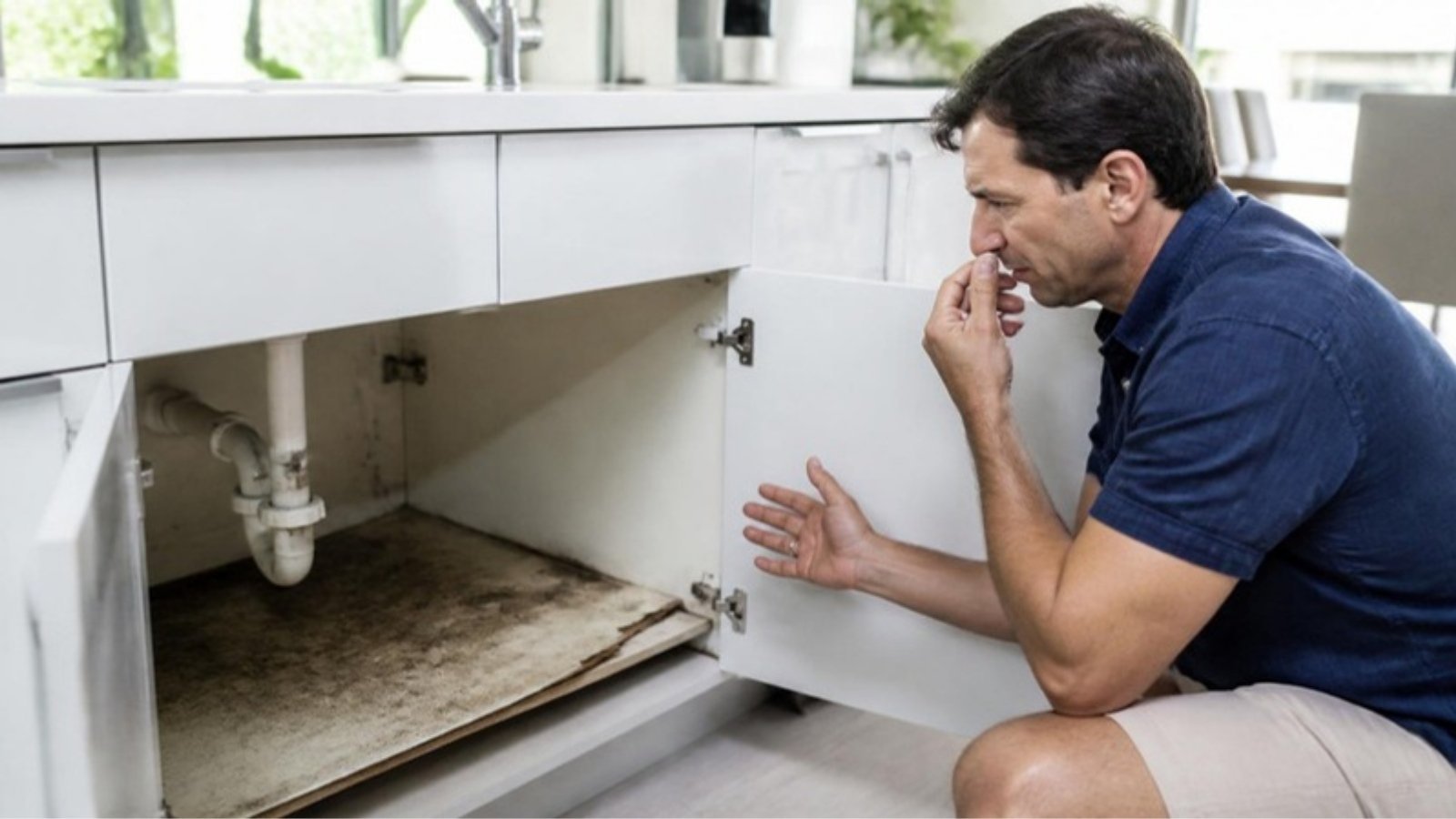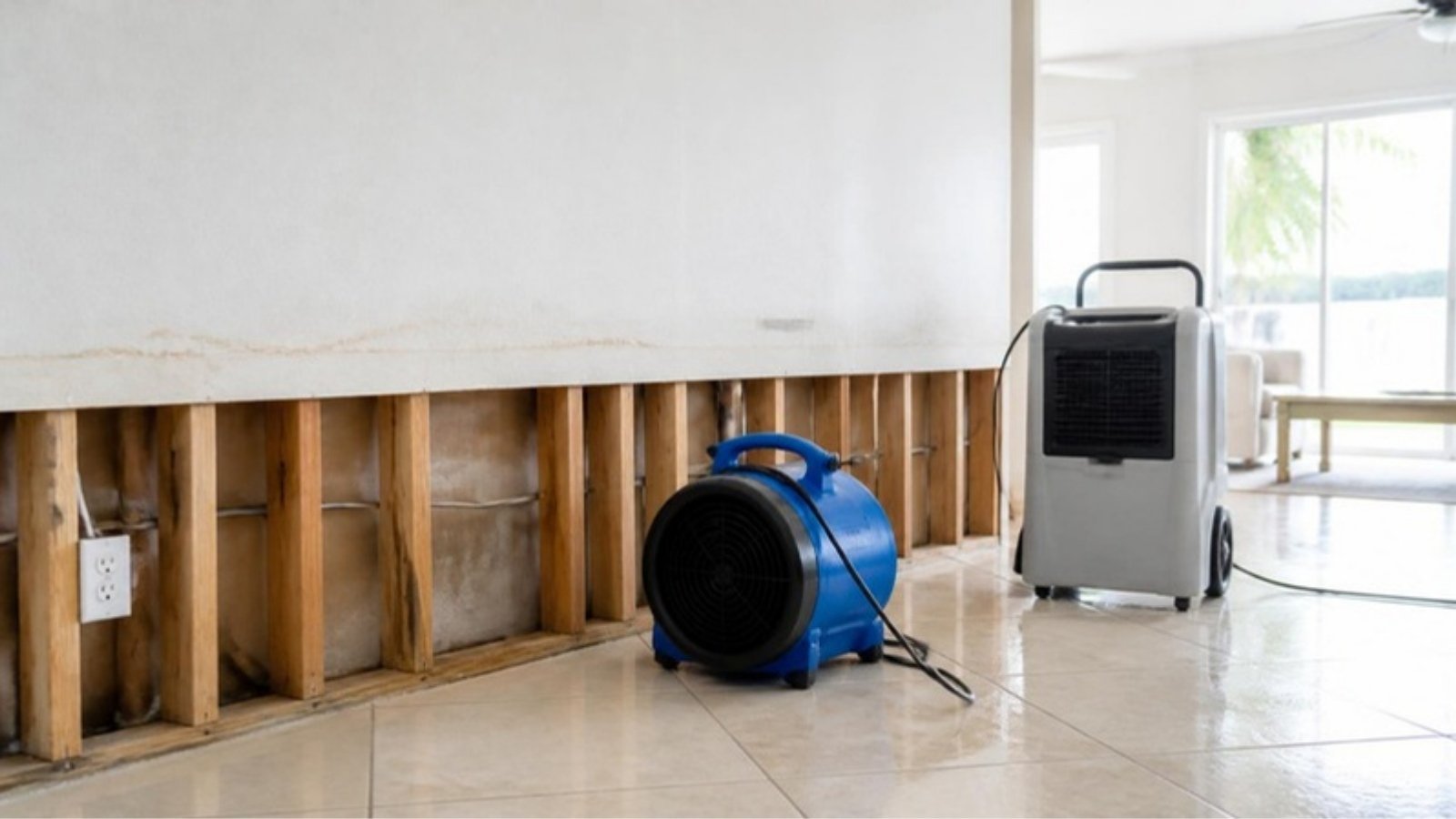
Professional structural drying is a measured process that removes hidden moisture from building materials—not simply a matter of placing fans in a wet room.
Moisture can remain inside drywall, subfloors, framing, insulation, and cabinets after visible water is gone. If those materials stay damp, finishes can fail and microbial growth may develop.
What Happens During Professional Structural Drying After Water Damage?: an expert checklist
- Document the affected rooms and the source of water
- Extract standing water before drying begins
- Measure moisture in both affected and comparison materials
- Use controlled airflow and dehumidification
- Recheck readings until the drying goal is reached
A reliable drying plan is adjusted from moisture readings rather than a fixed number of days. Equipment placement, temperature, humidity, and material type all affect progress.
How to make the next decision
Start with documented conditions rather than assumptions. Edwards Property Remediation provides information and services relevant to structural drying after water damage; the correct scope still depends on the property, equipment, documents, or project conditions involved.
Review the related guidance on water damage restoration and advanced structural drying. These pages explain the available service context before you request a site-specific recommendation.
Questions to ask a provider
- What information do you need before recommending a scope?
- Which assumptions still need field verification?
- What is included, excluded, and documented?
- What conditions would change the recommendation?
Clear answers help customers compare scope and process instead of choosing from a headline alone. Keep records, photos, plans, model numbers, or ownership documents that are relevant to the service.
Frequently asked questions
How long does structural drying take?
The timeline varies with the material, amount of water, weather, and how quickly extraction begins. Moisture readings are more reliable than a universal day count.
Can walls look dry while still holding moisture?
Yes. Paint and drywall surfaces may feel dry even when insulation, framing, or the back of the wallboard remains damp.
Are household fans enough after water damage?
They may help with a very small clean-water spill, but widespread or hidden moisture typically requires extraction, dehumidification, and professional monitoring.
What should property owners document?
Photograph affected areas, note when the loss was discovered, preserve relevant receipts, and keep drying reports supplied by the restoration provider.
Request a business-specific review
Use the Edwards Property Remediation contact or scheduling page to describe your situation and confirm the appropriate next step.