A multi-unit water loss communication plan should tell residents what is confirmed, which areas are restricted, when access is needed, how updates will arrive, and where questions or complaints should go. Property managers should maintain emergency contacts, accessibility and language preferences, vendor entry records, and a predictable update cadence while protecting resident privacy. This communication log supports coordination but remains separate from technical restoration measurements, insurance files, liability decisions, and legal notices. Edwards Property Remediation can provide service-status information within its restoration role.
Create one resident communication channel
Name one manager as the primary communication lead and one backup. Use the property’s established text, email, portal, phone, or posted-notice channels, then tell residents which source carries the current update. When several staff members answer independently, access times and safety instructions can conflict. A single lead can gather verified information from maintenance, Edwards Property Remediation, building professionals, and other vendors before issuing a concise resident-facing message.
Open a communication log that records when each notice was sent, its audience, delivery method, and any delivery failure. This is not the technical restoration record. It tracks whether occupants received operational information and what follow-up they requested. Keep draft speculation out of resident messages, and clearly label a time or access plan as preliminary when another inspection or authorization could change it.
- Primary and backup management contacts
- Approved channels for urgent and routine notices
- Audience and delivery status for every update
- A clear route for resident questions and complaints
Separate confirmed facts from pending questions
Resident updates should distinguish what management knows from what specialists are still evaluating. Useful facts include affected common routes, scheduled entry windows, equipment precautions, confirmed source-control status, and the next update time. Avoid naming a responsible party, promising coverage, diagnosing mold, or stating that an unseen unit is unaffected. Those conclusions may belong to an insurer, attorney, assessor, or other qualified professional.
If a previous notice changes, acknowledge the change directly: identify the earlier instruction, the new information, and the revised action. Do not quietly edit an online post and leave residents relying on the older version. Consistent versioning builds trust and helps staff answer questions. It also lets the restoration team focus on field conditions rather than resolving contradictions created by multiple informal messages.
Maintain emergency and alternate contacts
For every potentially affected unit, verify the resident’s preferred contact, an alternate contact if authorized, occupancy status, pet information, and a way to reach the owner when the unit is rented or vacant. Do not distribute the master contact list to residents or vendors. Give each vendor only the information needed for the approved visit, and use established key or access controls rather than sending sensitive codes through broad group messages.
Define when staff may use emergency access procedures and who authorizes them under the property’s governing documents and applicable requirements. This article cannot determine that authority. For a nonemergency inspection, obtain consent or provide notice through the correct property process. Record unsuccessful contact attempts and continue escalating through the approved channel instead of treating silence as consent.
Offer clear access windows and entry expectations
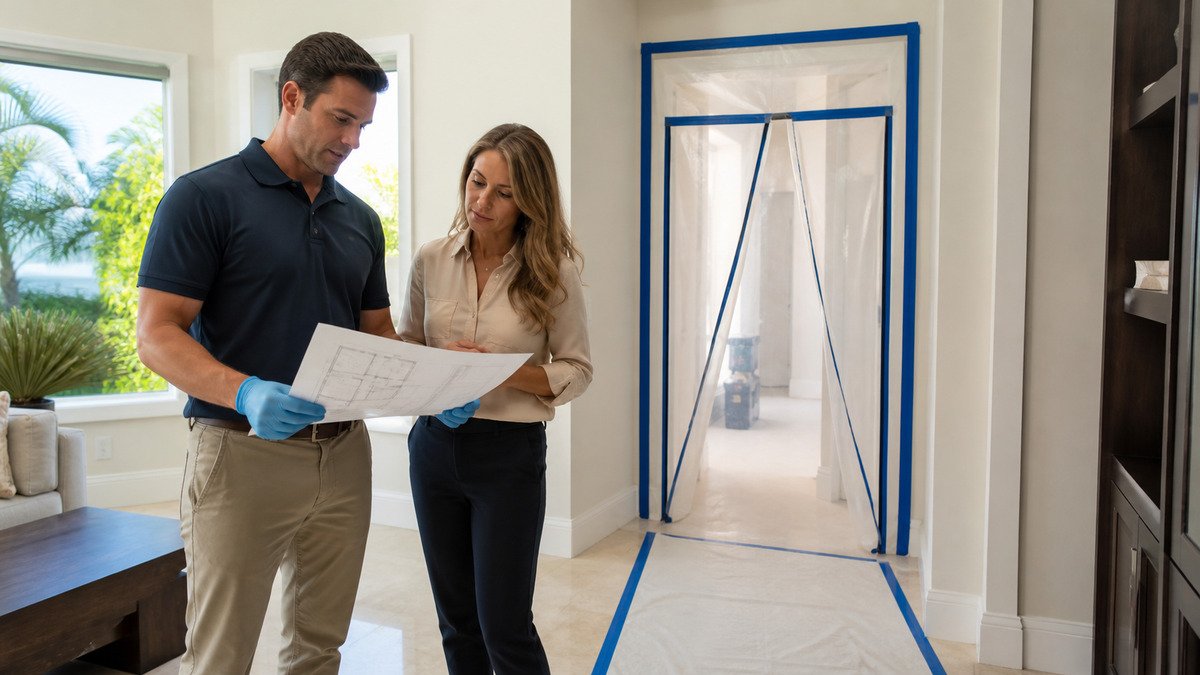
State the date, realistic arrival window, expected visit purpose, anticipated duration range when available, names or company identity of entrants, rooms requested, and whether the resident must be present. Avoid an exact arrival promise unless the vendor has confirmed it. Explain how a delay or reschedule will be communicated and whom residents should call if the proposed time creates a hardship.
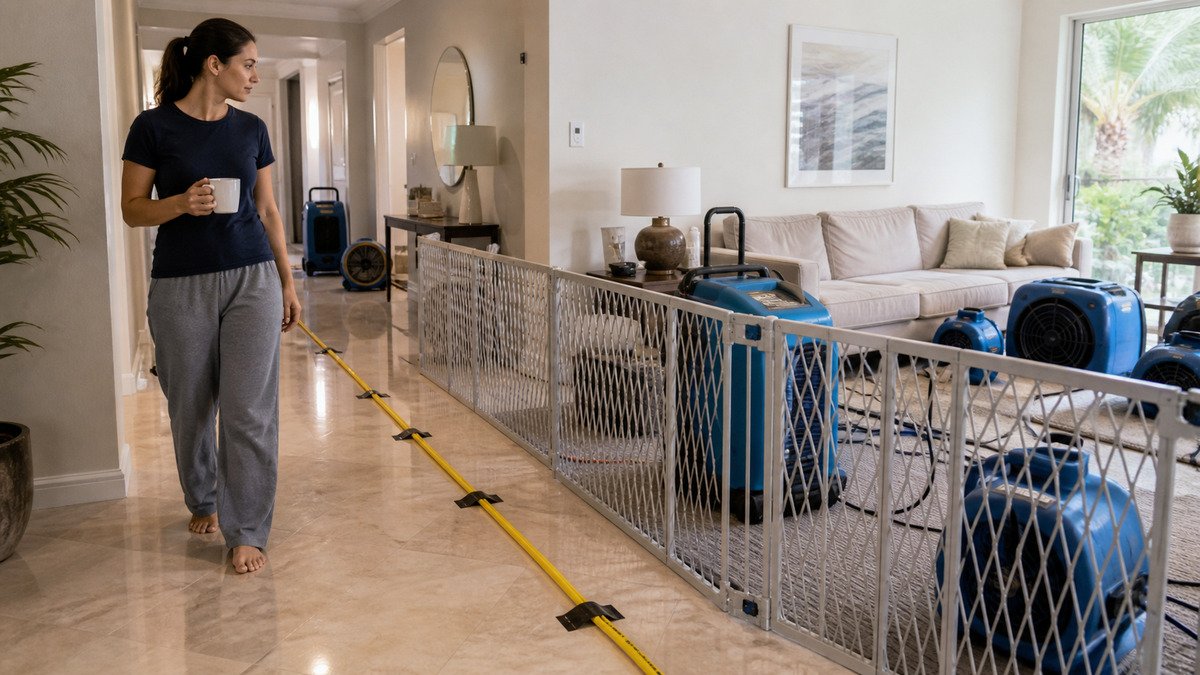
Ask residents to disclose access constraints such as locked interior rooms, alarms, mobility needs, sleeping schedules, remote work, pets, or a required escort. Do not ask them to move wet materials or cross a restricted zone to prepare. Coordinate safe entry with the restoration contact, and state that the requested inspection area may change only with new authorization or the property’s valid emergency process.
Plan for language and accessibility needs
Ask residents which language and communication format they use for essential property notices. A translated written notice, relay call, larger print, text message, or direct explanation may be necessary for meaningful access coordination. Do not assume a family member, child, neighbor, or another resident should interpret sensitive information. Follow the property’s established accessibility and language-support procedures and seek qualified assistance where required.
Emergency messages should remain short and action-oriented: where not to go, what route remains open, who to contact, and when another update will arrive. Provide the same operational information across formats so one group does not receive a less complete instruction. Keep medical details private; residents can state an accommodation need without management broadcasting the underlying personal information.
Communicate relocation and amenity impacts carefully
If a hallway, laundry room, parking area, elevator, mail area, office, or other amenity is restricted, identify the exact closure and available alternative. State the review time rather than an unsupported reopening guarantee. Where temporary relocation may be discussed, tell the resident which management or insurer contact handles that question; do not promise reimbursement, eligibility, or duration on behalf of another party.
Keep restoration status separate from housing, lease, legal, or insurance determinations. Edwards Property Remediation can explain work-zone access and service progress within its scope, but it does not decide a resident’s rights, policy benefits, or legal obligations. Property management should obtain appropriate guidance and communicate those separate decisions through the authorized channel.
Route complaints without losing field information
Give residents one route for urgent changes such as new water, a ceiling concern, loss of power, equipment alarms, or blocked access, and another route for routine scheduling or service complaints. Train staff to capture the unit, room, time, observation, contact information, and whether immediate danger was reported. Staff should not troubleshoot electrical equipment, diagnose contamination, or dismiss a report because another unit appears dry.
Assign each concern an owner and next response time. Forward field-relevant observations to the restoration or appropriate building contact without sharing unrelated personal details. If a complaint involves conduct, privacy, property damage, or disputed access, preserve the account and route it through management’s established process. Closing the communication loop matters even when the answer is that a specialist is still evaluating the issue.
Log vendor entry while protecting privacy
For each entry, record the date, arrival and departure, company or worker identity, units or common areas entered, management escort when applicable, and the operational purpose. Do not place technical readings, resident medical information, insurance documents, or photographs of private contents in a broadly accessible front-desk log. Those records belong in their appropriate restricted systems.
Agree on a regular update cadence during active work, even when the update is simply that restrictions remain unchanged and another review is scheduled. At closeout, tell residents which areas reopen, which vendors or repairs remain, where equipment rules still apply, and how to report a recurrence. Edwards Property Remediation can supply accurate restoration-status details for management to translate into a concise occupant notice.
Related resources
- Connect resident updates to the overall water damage response — Water Damage Restoration.
- Coordinate access notices around the initial water removal visit — Emergency Water Extraction Services.
- Prepare occupants for monitoring visits and installed drying equipment — Advanced Structural Drying Services.
Frequently asked questions
What if a resident cannot make the proposed access window?
Offer the approved alternatives, such as another confirmed window, an authorized representative, or the property’s established entry process. Record the arrangement and notify the vendor.
How should management handle bounced emails or disconnected phones?
Use the property’s approved alternate channels and emergency contacts, document each attempt, and follow applicable notice procedures. Avoid sharing the resident’s situation with neighbors.
Should commercial tenants receive different updates from residents?
They may need business-entry, customer-route, delivery, or operating-hour details, but every audience should receive the same confirmed restrictions and emergency reporting instructions.
Who sends updates after hours or on weekends?
Name the on-call manager and backup in advance. They should have current vendor contacts, affected-unit lists, approved message templates, and authority limits.
Where should residents send technical drying questions?
Management can route equipment, moisture, and restoration-method questions to the designated Edwards Property Remediation contact while retaining access and resident communications through management.
Take the next step with Edwards Property Remediation
Managers coordinating resident access during restoration can continue with Contact.