Introduction:
Water damage can strike your home at any time, and it often comes unexpectedly. Whether it’s due to a burst pipe, a leaky roof, a flooded basement, or a natural disaster, the consequences can be devastating.
However, knowing what steps to take when faced with water damage can make all the difference in minimizing the harm to your property and your wallet. In this comprehensive guide, we’ll walk you through the essential actions to take when dealing with water damage to your home.
- Safety First: Before you do anything else, prioritize safety. Ensure that all family members and pets are out of harm’s way. If the water damage is extensive or there are electrical hazards, it’s crucial to turn off the electricity and gas supply to your home. Wear appropriate protective gear, such as rubber gloves and boots, to avoid contact with contaminated water.
- Identify the Source: To effectively address water damage, you must identify the source of the water intrusion. Is it a burst pipe, a leaking roof, a faulty appliance, or external flooding? Pinpointing the cause will help you determine whether it’s a one-time incident or a recurring problem.
- Stop the Water Flow: Once you’ve identified the source, take immediate action to stop the water flow. This may involve shutting off the main water valve, repairing a burst pipe, or temporarily covering a leaking roof with tarps. Stopping the source will prevent further water from entering your home.
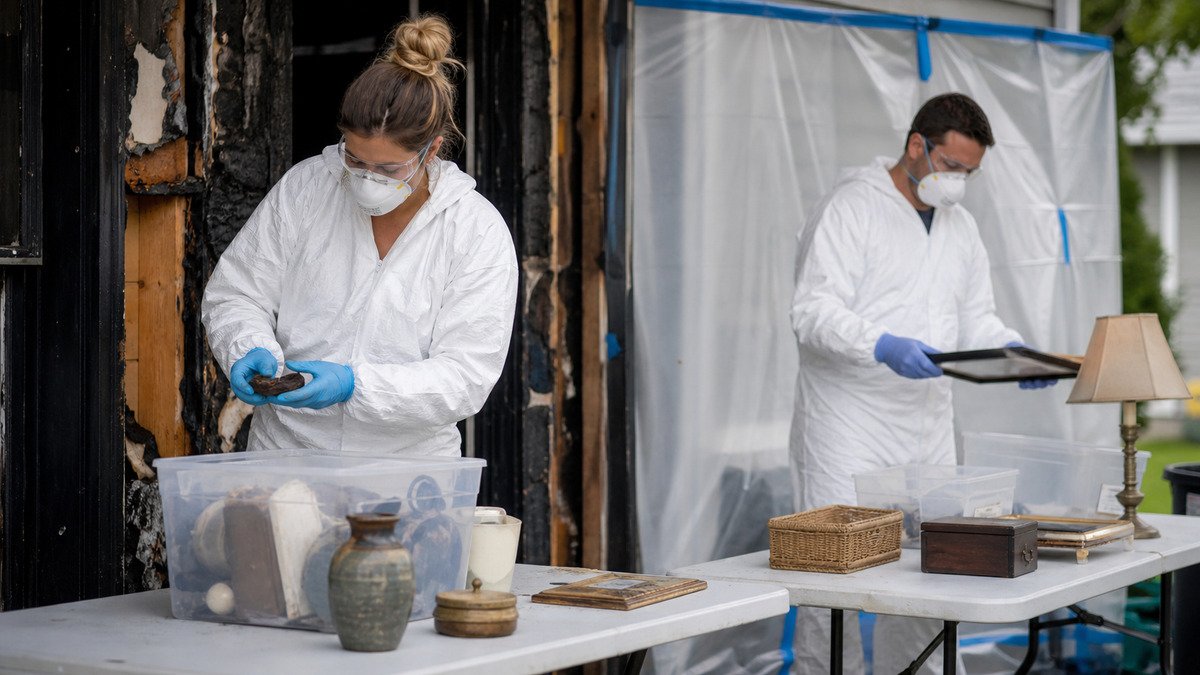
- Document the Damage: Document the extent of the water damage by taking photos and videos. This documentation will be invaluable for insurance claims and assessing the severity of the situation. Make a detailed inventory of damaged items, including their approximate value.
- Call Your Insurance Company: Contact your homeowner’s insurance company as soon as possible to report the water damage. Provide them with all the relevant information and follow their instructions for filing a claim. Be prepared to share your documentation and any receipts for emergency repairs.
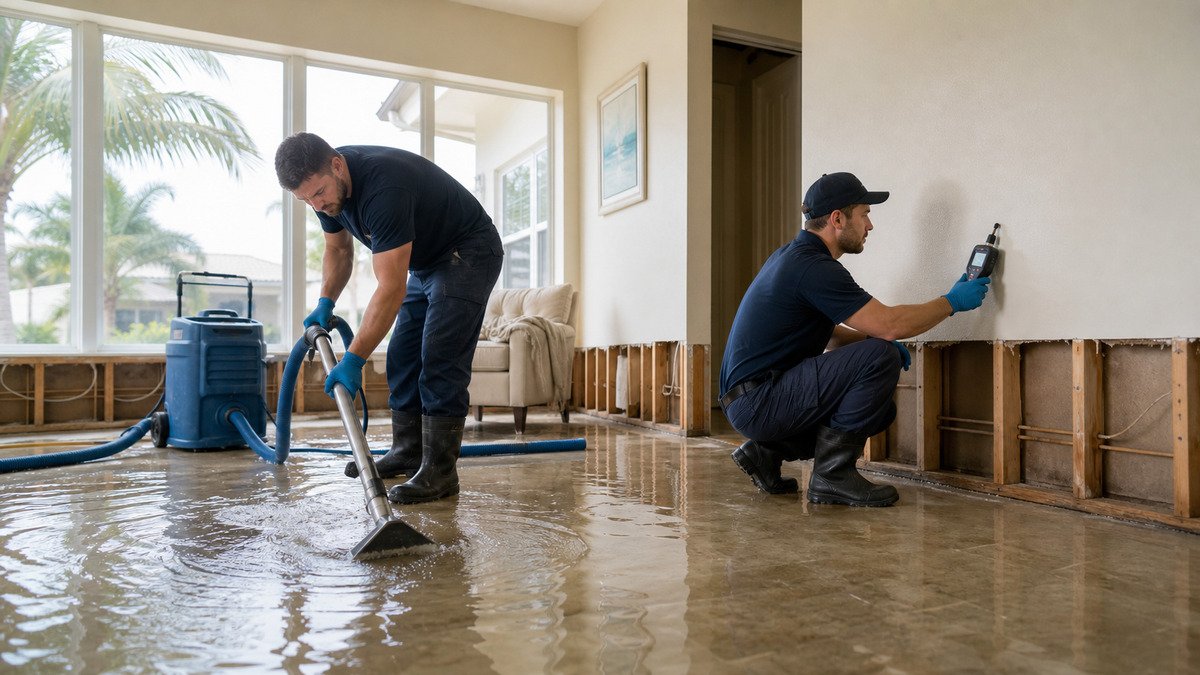
- Mitigate Further Damage: Act quickly to prevent further damage to your home. This may involve removing waterlogged items, drying out affected areas with fans and dehumidifiers, and placing plastic sheets or tarps to cover damaged roofs or windows. The faster you respond, the less likely you’ll encounter mold growth or structural damage.
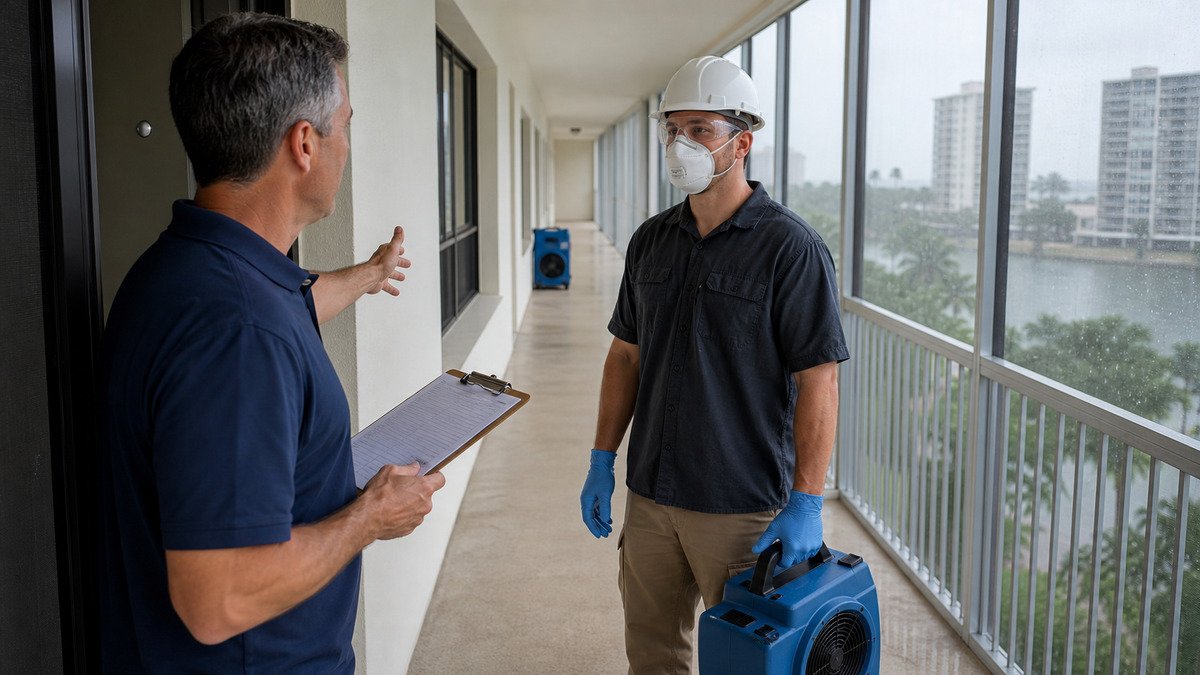
- Seek Professional Help: In many cases, it’s best to hire professionals experienced in water damage restoration. They have the expertise, equipment, and knowledge to assess the situation thoroughly and carry out necessary repairs. Their prompt intervention can save you time and money in the long run.
- Clean and Disinfect: Water damage often leads to contaminated water entering your home. Thoroughly clean and disinfect affected areas to prevent mold growth and ensure a safe living environment once the damage is repaired.
- Stay Organized: Keep all records, including receipts, invoices, and communication with your insurance company and restoration professionals, organized in a dedicated file. This will streamline the insurance claim process and help you keep track of expenses.
Conclusion:
Water damage to your home can be a stressful and overwhelming experience, but taking the right steps can mitigate the damage and help you recover more smoothly. By following these essential guidelines and seeking professional assistance when needed, you can minimize the impact of water damage and get your home back to its pre-damaged state sooner rather than later. Remember, swift and well-informed action is key to a successful recovery.
Frequently Asked Questions
What should I do first when I discover water damage in my home?
First, ensure everyone's safety by evacuating the area if necessary and turning off electricity and gas if hazards exist. Wearing protective gear is important to avoid contact with contaminated water.
How can I stop water damage from worsening?
Identify the source of water intrusion and stop it immediately, such as shutting off the main water valve or covering leaks. Quickly removing waterlogged items and drying affected areas helps prevent mold and structural damage.
Why is documenting water damage important?
Taking photos and videos of the damage and making an inventory of affected items is crucial for insurance claims and assessing repair needs. Proper documentation supports faster and more accurate claim processing.
When should I call a professional for water damage restoration?
If the damage is extensive or involves contaminated water, electrical hazards, or structural concerns, hiring experienced restoration professionals is recommended to ensure thorough assessment and effective repairs.
How can I prevent mold growth after water damage?
Promptly dry out affected areas using fans and dehumidifiers, clean and disinfect surfaces thoroughly, and remove waterlogged materials to reduce moisture and inhibit mold development.