Tips for Prevention and Remediation
Introduction:
South Florida’s warm and humid climate creates an ideal breeding ground for mold growth. Mold can thrive in homes, offices, and other properties, posing health risks and causing structural damage.
In this blog post, we will explore the common mold issues faced by South Florida residents and provide valuable tips for prevention and remediation.
Understanding the Causes:
- Humidity: South Florida’s high humidity levels contribute significantly to mold growth. Moisture in the air provides the perfect environment for mold spores to flourish.
- Water Intrusion: Frequent rainstorms and hurricanes in South Florida can lead to water intrusion in properties. Leaky roofs, windows, or plumbing issues can create damp areas that are prone to mold growth.
Prevention Tips:
- Control Indoor Humidity: Use dehumidifiers to maintain indoor humidity levels below 60%. Consider investing in a hygrometer to monitor humidity regularly.
- Proper Ventilation: Ensure that your property has adequate ventilation in areas such as bathrooms, kitchens, and laundry rooms. Proper airflow helps to reduce moisture levels and prevent mold growth.
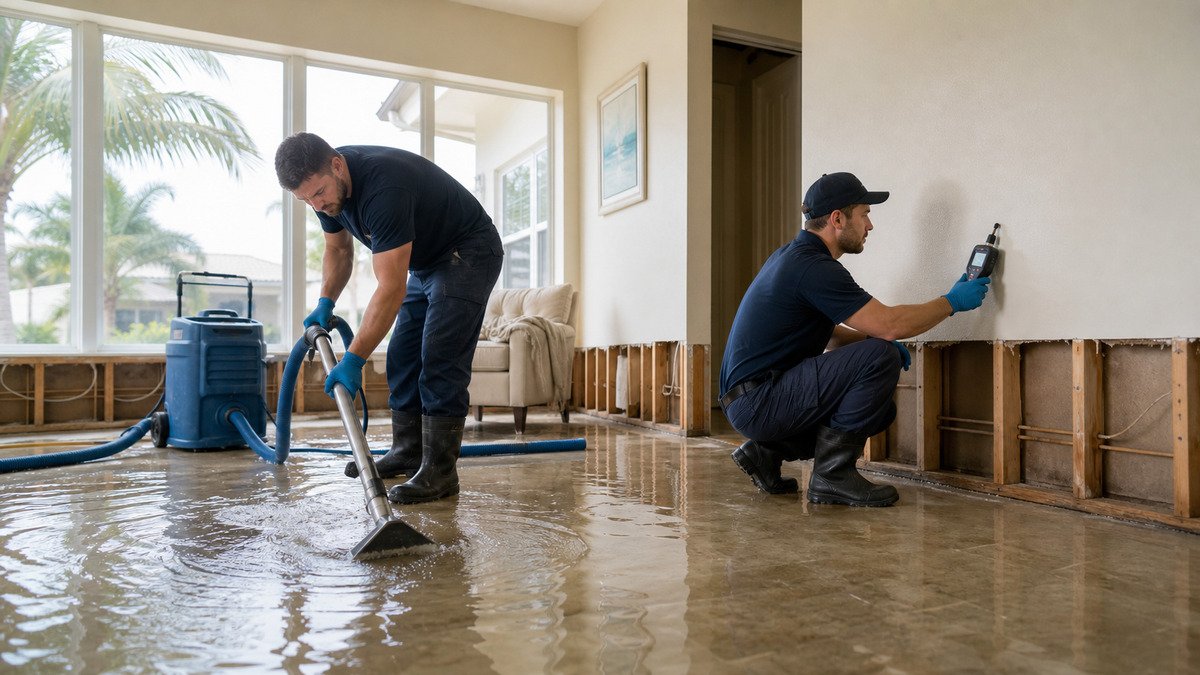
- Promptly Address Water Damage: If you experience water intrusion due to leaks or flooding, act quickly. Dry out affected areas within 48 hours to prevent mold growth. Consider professional water damage restoration services for extensive cases.
- Regular Inspections: Schedule regular inspections of your property to identify potential moisture sources or mold growth. Pay attention to areas like basements, crawl spaces, and attics.
Remediation Tips:
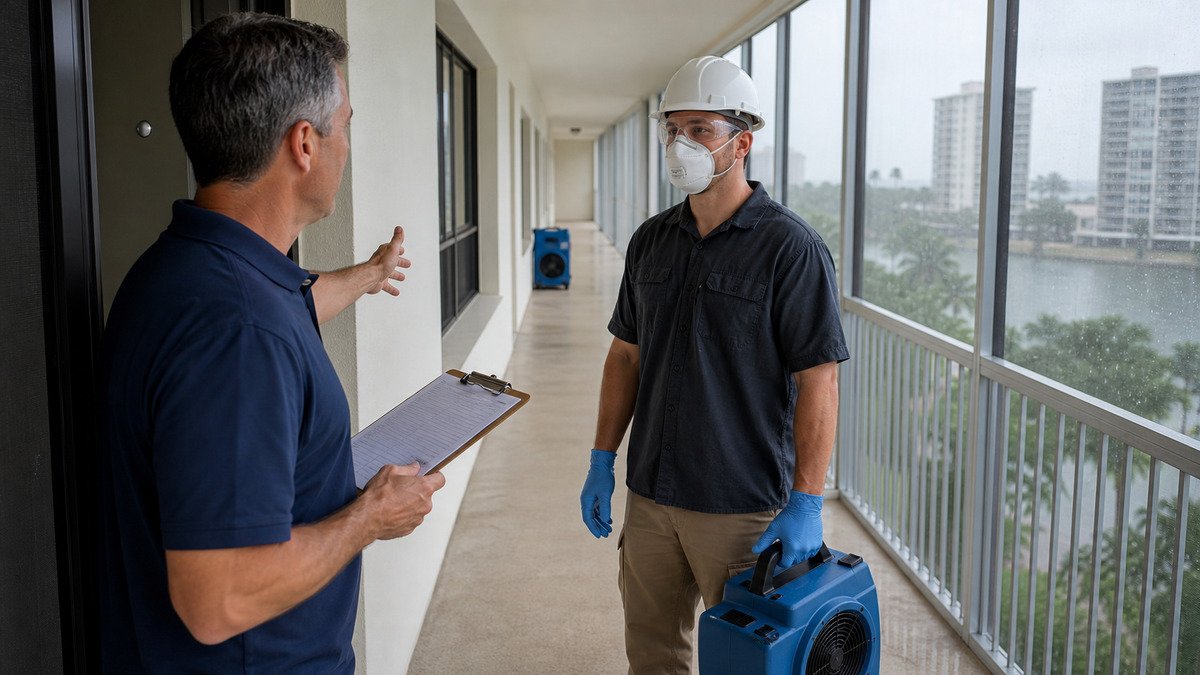
- Safety First: When dealing with mold remediation, prioritize safety. Wear protective gear, including gloves, goggles, and an N95 mask. If the infestation is extensive, it’s advisable to consult a professional mold remediation company.
- Contain and Remove Mold: Isolate the affected area to prevent mold spores from spreading. Remove and dispose of moldy materials properly.
- Non-porous surfaces can usually be cleaned with a mixture of detergent and water, while porous materials may need to be discarded.
- Address Underlying Issues: Identify and fix the underlying cause of mold growth, such as fixing leaks, repairing damaged pipes, or improving ventilation.
- Professional Assistance: For extensive or persistent mold problems, consider hiring a reputable mold remediation company. They have the expertise and equipment to effectively remove mold and prevent its recurrence.
Conclusion:
South Florida’s mold issues can be a significant concern for property owners. By implementing preventive measures and promptly addressing water damage, you can reduce the risk of mold growth.
In cases where mold has already become a problem, it’s important to follow proper remediation procedures or seek professional assistance. Remember, early detection and action are key to maintaining a healthy and mold-free environment in South Florida.
Frequently Asked Questions
What causes mold growth in South Florida?
Mold growth in South Florida is primarily caused by high humidity levels and frequent water intrusion from rainstorms or hurricanes, which create damp environments ideal for mold spores to thrive.
How can I prevent mold in my South Florida home?
Prevent mold by maintaining indoor humidity below 60% with dehumidifiers, ensuring proper ventilation in moisture-prone areas, promptly drying water-damaged areas within 48 hours, and scheduling regular property inspections.
What safety measures should I take during mold remediation?
Wear protective gear such as gloves, goggles, and an N95 mask. For extensive mold infestations, it is recommended to hire professional remediation services to ensure safe and effective removal.
When should I hire a professional mold remediation company?
Hire a professional if mold infestation is extensive or persistent, as they have the expertise and equipment to safely remove mold, address underlying causes, and prevent recurrence.
How quickly should water damage be addressed to prevent mold?
Water-damaged areas should be dried out within 48 hours to prevent mold growth. Prompt action is critical to avoid mold development and further property damage.