What Is Stachybotrys and What Does It Look Like?
Stachybotrys is a common mold found in indoor environments. You can notice Stachybotrys from its green-black tone, which is why it is commonly referred to as “black mold.” The mold also has a slightly spotted appearance.
How Does Stachybotrys Grow?
The Centers for Disease Control and Prevention says that Stachybotrys grows on various materials that have high cellulose contents, including fiberboard and drywall. The mold grows when there is a high level of moisture on these surfaces,
These cellulose compounds can produce Stachybotrys following prolonged exposure to moisture, including plumbing leaks, condensation forming in a spot, flooding, or high humidity levels. Such environments contain low nitrogen levels, making it easier for the mold spores to spread in the air and remain dormant.
What Does Stachybotrys Smell Like?
You will notice Stachybotrys from its distinct dark tone, but you must also feel its scent in cases where the mold might be hiding in a tight spot. Stachybotrys features an uncomfortable scent similar to rotting wood or leaves.
An air or surface test for the mold is necessary if you notice this scent.
What Health Risks Does Stachybotrys Produce?
Exposure to Stachybotrys produces physical symptoms similar to what you would find with any other mold. These include breathing difficulties, nausea, fatigue, headaches, coughing, and occasional vomiting.
Children, the elderly, and people with weak immune systems or mold allergies are at the greatest risk of harm.
How Do You Clean Stachybotrys?
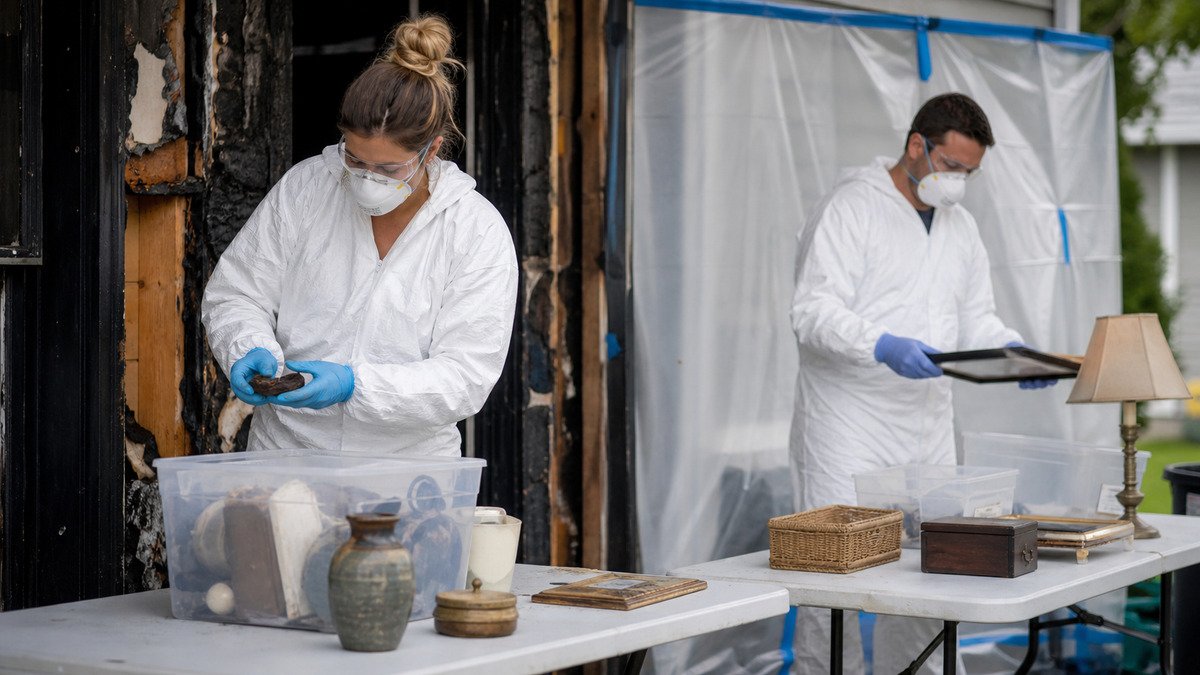
You’ll require the necessary protective materials before you start cleaning Stachybotrys. Be sure you wear a respirator before you start to keep from breathing the spores.
Wear safety glasses and gloves to avoid physical contact. You can also wear disposable coveralls to protect your health, plus plastic sheets can go around the area to keep the mold from spreading to other surfaces.
Will You Have To Discard Any Surfaces That Contain Stachybotrys?
You’ll need to throw away any porous surfaces that have been impacted by Stachybotrys, as the mold will have moved well into the surface to where it is impossible to clear the mold. You may require professional assistance at this point.
What Can You Do To Prevent the Growth of Stachybotrys?
Be sure you review any sources of moisture in your home and resolve any problems you find to keep Stachybotrys from growing any further. Any leaks or broken pipes in your home will require immediate fixing to prevent moisture from pooling and promoting mold growth.
Frequently Asked Questions
What is Stachybotrys?
Stachybotrys is a common indoor mold known as black mold due to its green-black color and spotted appearance. It grows on moisture-damaged cellulose materials such as drywall and fiberboard.
How does Stachybotrys grow?
Stachybotrys grows on materials with high cellulose content when exposed to prolonged moisture from leaks, flooding, condensation, or high humidity, especially in low nitrogen environments.
What health risks does Stachybotrys pose?
Exposure to Stachybotrys can cause breathing difficulties, nausea, fatigue, headaches, coughing, and vomiting. Children, elderly, and immunocompromised individuals are at higher risk.
How do you safely clean Stachybotrys mold?
Wear a respirator, safety glasses, gloves, and disposable coveralls. Use plastic sheeting to contain spores. Porous materials affected by Stachybotrys should be discarded, and professional help may be necessary.
How can Stachybotrys growth be prevented?
Prevent mold growth by fixing leaks, broken pipes, and moisture sources promptly. Controlling humidity and addressing water damage reduces the risk of Stachybotrys development.