Florida’s combination of year-round humidity (average 70–85%), frequent heavy rain, hurricane exposure, poor ventilation in older homes, and widespread use of stucco and concrete block construction creates ideal conditions for mold growth — often hidden inside walls, under flooring, in attics, crawl spaces, and HVAC systems. The EPA, CDC, Florida Department of Health, and IICRC all classify Florida as a high-risk state for indoor mold proliferation, and insurance carriers increasingly require documented mold inspections for coverage renewals or claims approval in many counties.

EPR (Environmental Pro Restoration) has conducted more than 4,100 mold inspections and remediation projects across Broward, Palm Beach, Miami-Dade, and Martin counties since 2010. We consistently see the same pattern: homes that schedule annual or bi-annual professional mold inspections catch problems early and resolve them for $1,500–$6,000, while homes that wait until visible mold or health symptoms appear face bills of $18,000–$85,000+ — and sometimes permanent structural damage or relocation.
This article explains the science, the most common hidden mold locations in Florida homes, the early warning signs almost everyone misses, and why regular professional inspections are now considered standard maintenance — not optional luxury — for responsible homeowners.
1. Florida’s Climate Creates Near-Constant Mold Risk
Mold needs four things to grow: moisture, warmth, organic material (drywall, wood, dust), and stagnant air. Florida supplies all four almost year-round:
- Relative Humidity rarely drops below 60% indoors without dehumidification
- Temperature stays in the 65–90 °F range — perfect for Aspergillus, Penicillium, Cladosporium, and Stachybotrys
- Building materials (drywall, wood framing, carpet padding, cellulose insulation) provide abundant food source
- Poor airflow in attics, crawl spaces, behind cabinets, and inside HVAC ducts allows spores to settle and colonize
University of Florida IFAS studies show that indoor RH above 60% for more than 48 hours allows visible mold colonies to form on organic surfaces. In South Florida, many homes exceed 65% RH for weeks or months without owners realizing it.
2. Most Mold in Florida Homes Is Hidden — Not Visible
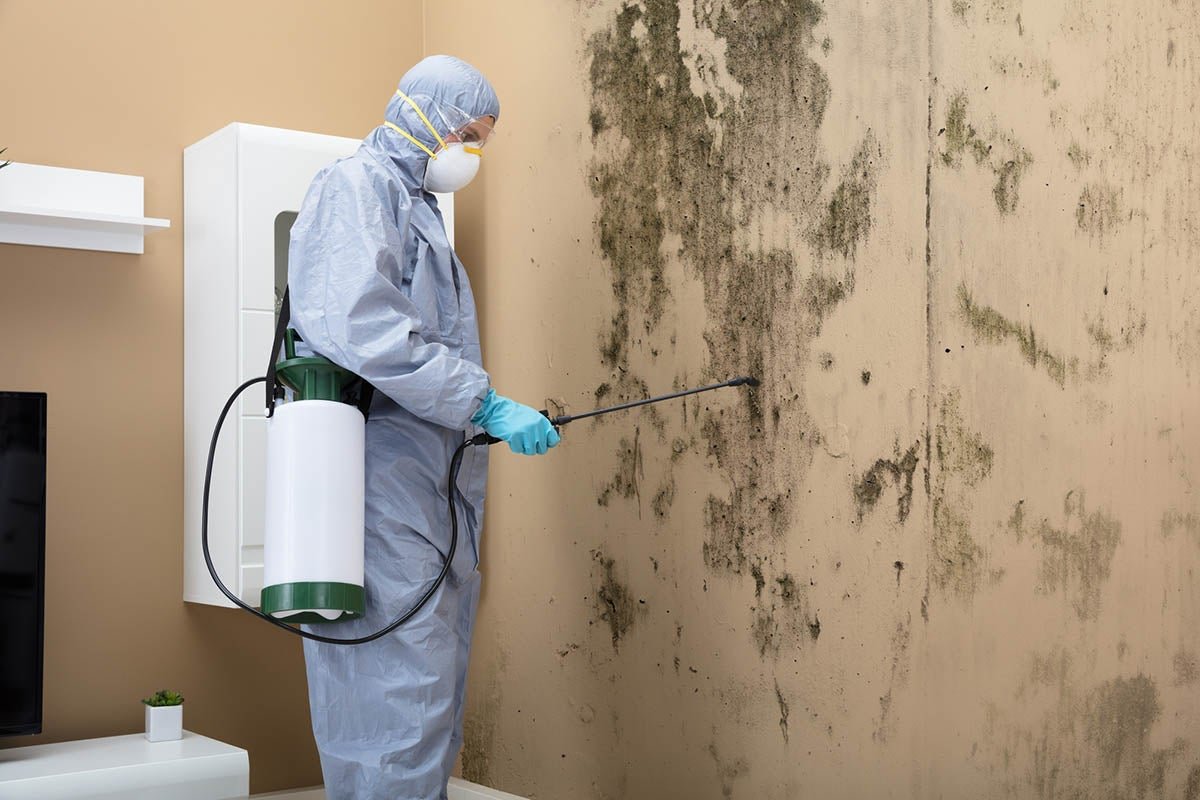
Only about 15–20% of mold problems are easily seen on walls or ceilings. The other 80–85% grows in concealed locations where moisture accumulates undetected:
- Behind drywall (from plumbing leaks, roof leaks, or AC condensation)
- Under kitchen & bathroom cabinets (slow supply-line leaks)
- Inside wall cavities near windows & exterior doors
- In attic insulation (roof leaks, poor ventilation)
- In crawl spaces or slab foundations (high groundwater, slab leaks)
- Inside HVAC ducts & air handlers (condensate pan overflow)
- Under flooring (especially vinyl plank over concrete)
These hidden colonies can release millions of spores and mycotoxins into the indoor air every day — long before black spots appear on a wall.
3. Early Warning Signs Most Florida Homeowners Ignore
| Sign | What It Usually Means | Typical Location | Potential Future Cost if Ignored |
|---|---|---|---|
| Musty / damp / earthy smell (no visible mold) | Active mold growth behind surfaces | Cabinets, closets, baseboards | $8,000–$35,000 |
| Unexplained water bill increase | Active plumbing leak (toilet, slab, irrigation) | Slab, walls, yard | $5,000–$25,000 |
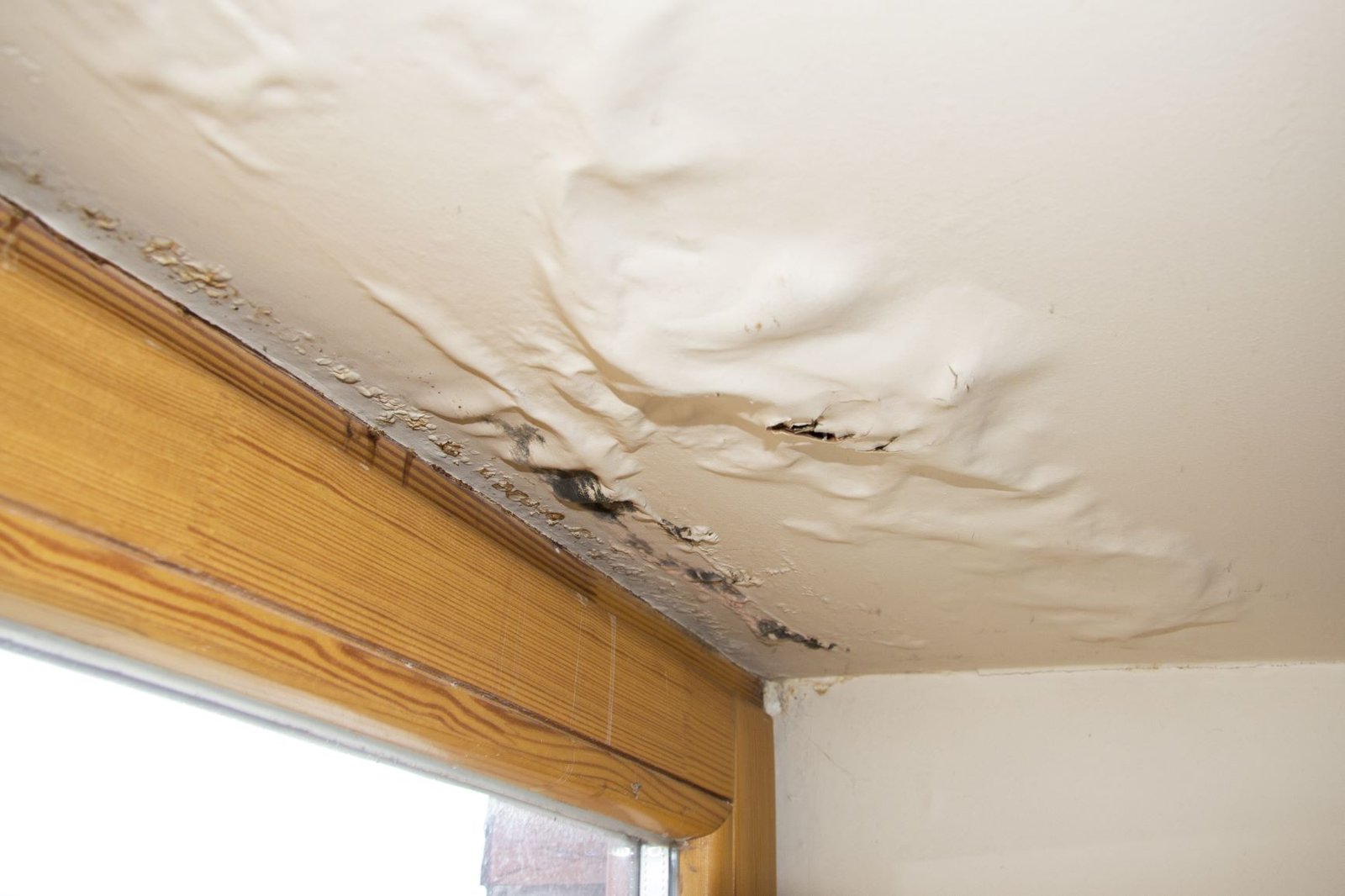
| Bubbling / peeling paint or wallpaper | Moisture trapped behind finish | Lower walls, ceilings | $6,000–$18,000 |
| Warped baseboards or swollen cabinets | Chronic moisture at floor level | Bathrooms, kitchens | $10,000–$40,000 |
| Windows “sweating” even with A/C running | High indoor humidity + possible hidden source | Whole house | $4,000–$15,000 |
| Allergy / sinus symptoms improve away from home | Mold-related indoor air quality issue | Occupants’ health | Medical + remediation $5,000+ |
| Soft spots in drywall or flooring | Active water intrusion | Near plumbing fixtures | $12,000–$50,000 |
Any one of these signs warrants professional moisture mapping and air/surface sampling — not just “air it out” or “run a dehumidifier.”
4. Health & Legal Risks of Waiting
Health Risks (CDC & Florida DOH):
- Allergic reactions, asthma exacerbation
- Chronic sinus infections
- Mycotoxin exposure (memory issues, fatigue, neurological symptoms in sensitive individuals)
- Increased respiratory infections in children & elderly
Legal & Financial Risks:
- Florida landlord-tenant law requires habitable conditions — mold can trigger withholding rent or lawsuits
- Homeowners insurance increasingly excludes mold unless caused by a sudden covered peril (burst pipe vs. gradual leak)
- Sellers must disclose known mold issues — failure can lead to post-closing lawsuits
- HOA boards can fine owners for mold affecting common areas or neighboring units
Regular inspections create a documented history that protects you legally and financially.
5. What a Professional Mold Inspection Actually Includes
A proper Florida mold inspection (not just a “visual walk-through”) should include:
- Visual & olfactory assessment of all accessible areas
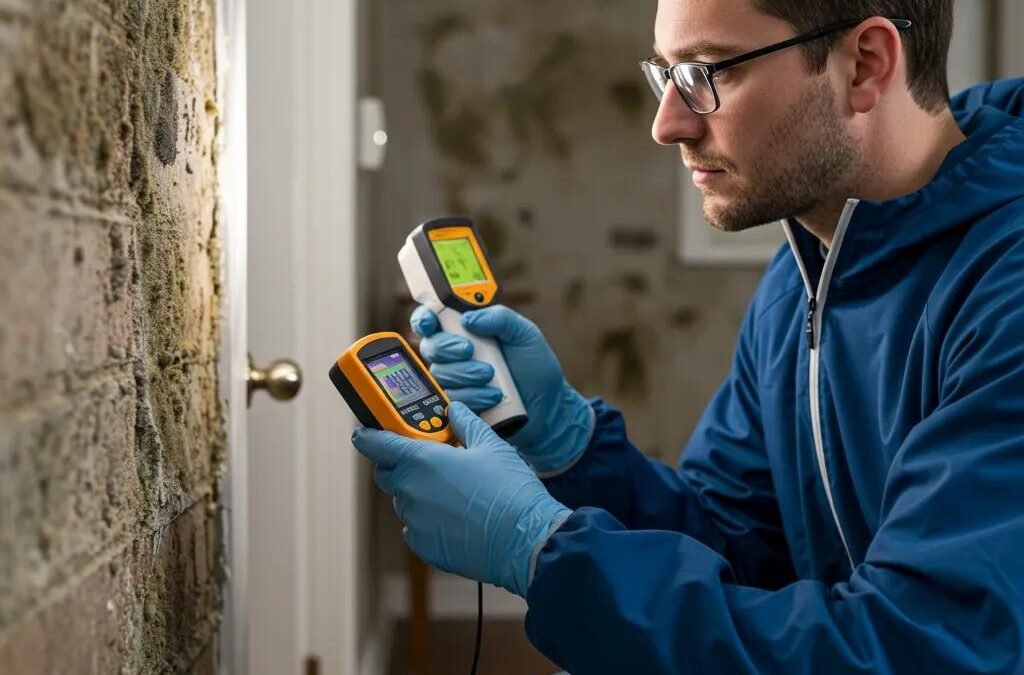
- Moisture mapping with pin-type & pinless meters
- Thermal imaging (FLIR) to locate hidden moisture
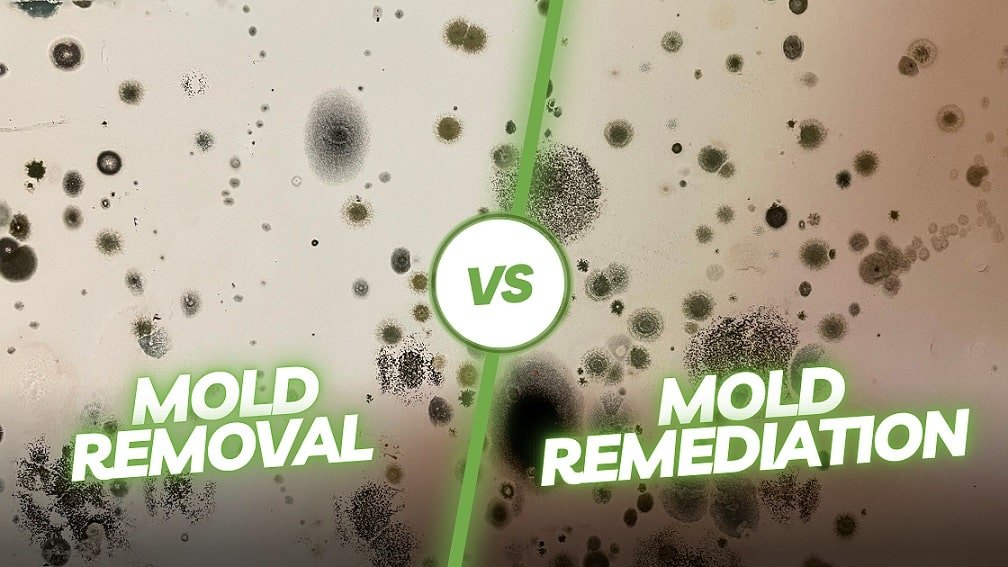
- Air sampling (viable & non-viable spores)
- Surface sampling (swab / tape lift) on suspect areas
- Bulk sampling (drywall / insulation) if needed
- Detailed written report with lab results & remediation protocol
EPR inspections always include third-party accredited lab analysis (EMSL or similar) and a clear “next step” action plan.
6. Recommended Inspection Frequency for Florida Homes
| Home Type / Risk Level | Recommended Frequency | Why |
|---|---|---|
| Newer home (<10 years), no prior issues | Every 18–24 months | Catch construction defects or slow leaks early |
| Home 10–30 years old | Every 12 months | Aging plumbing, roof penetrations, AC drain issues |
| Home >30 years old or history of leaks | Every 6–12 months | Higher risk of concealed plumbing & slab issues |
| After any major water event | Within 30–60 days | Confirm no hidden moisture remains |
| Home with crawl space or flat roof | Every 6–9 months | Higher moisture intrusion risk |
Why Florida Families & Property Managers Trust EPR for Mold Inspections
- Florida Mold-Related Services license MRSR 3795
- IICRC Certified Mold Inspector & Master Restorer on staff
- 4,100+ inspections completed — 100% third-party lab verified
- Same-day emergency response + 24/7 live answer
- Direct insurance billing & documentation accepted by all major carriers
- A+ BBB rating & 4.9-star average reviews
Free services when you schedule:
- Initial phone consultation
- Thermal imaging & moisture screening on first visit
- Clear written report with lab results & action plan
Call +1 (754) 221-6945 or email info@eprllc.net today — because in Florida, mold waits for no one.
Visit EPR LLC or message us on Facebook for real case photos and client testimonials.
Regular inspections aren’t extra maintenance — in Florida, they’re essential property protection.