
Cost guide
How much does water damage restoration cost in Florida?
National guides put water damage restoration at about $1,200 to $6,000. See the cited figures, how water category and class change the price, and coverage.
Quick answer
National cost guides put water damage restoration at $2,000 to $6,000 (HomeGuide) and $1,200 to $5,000 with a $3,000 average (Fixr). Neither source publishes a figure for Florida or Palm Beach County. Edwards Property Remediation in Boca Raton prices a water job after seeing it, because the category of water, the class of drying and the materials affected set the cost.
What national cost guides say
These are national figures from two consumer cost guides, quoted as published. They are not our prices.
| Source | National range | National average | Page date |
|---|---|---|---|
| HomeGuide | $2,000 to $6,000 | Not quoted here | Modified Feb 6, 2026 |
| Fixr | $1,200 to $5,000 | $3,000 | Updated Jan 31, 2025 |
Neither guide publishes a number for Palm Beach County or for Florida as a whole. The ranges describe a typical household loss, such as a failed supply line or an appliance leak in one or two rooms. A loss that soaks several rooms, involves contaminated water or sits for days before anyone finds it can fall well outside them.
Category of water: how clean the source is
The IICRC S500 standard for water damage restoration sorts water into three categories. The category decides how much material can be saved, which is the biggest single factor in the price.
- Category 1 comes from a clean source, such as a broken supply line. Many wet materials can be dried in place.
- Category 2 carries significant contamination, such as a washing machine or dishwasher discharge. Carpet pad and some porous materials are usually removed.
- Category 3 is grossly contaminated: sewage, or floodwater that has run across the ground outside. Porous materials it touched are generally removed, and the surfaces left behind are cleaned and disinfected.
Water does not stay in its category. Clean water left sitting in a warm house degrades over time, so a Category 1 loss found late may be handled as Category 2.
Class of drying: how much water the building absorbed
S500 also describes four classes, which measure how much water the materials took in and how hard it is to get back out.
- Class 1: a small part of a room is wet and the materials absorbed little.
- Class 2: a whole room is affected, with water in carpet, pad and the lower part of the walls.
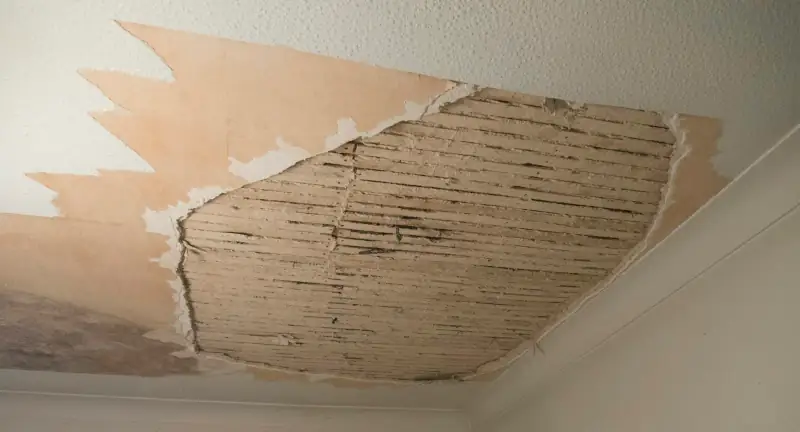
- Class 3: water came from above or soaked most surfaces, including ceilings, walls and insulation.
- Class 4: water is held in dense materials such as hardwood, plaster or concrete, which need longer, specialized drying.
A higher class means more air movers and dehumidifiers running for more days, and more monitoring visits. That equipment time is a large share of a drying bill. Our advanced structural drying page explains how the hard cases are handled.
Other things that change the price
- Time before drying starts. The EPA advises drying wet materials within 24 to 48 hours to prevent mold. Past that window, a drying job can turn into a drying job plus mold remediation.
- Extraction. Standing water has to be pumped or extracted before drying equipment can work.
- Removal. Cutting out wet drywall, pulling baseboards and removing pad adds labor and disposal.
- Access and contents. Furniture, built-ins and tight spaces slow the work.
- Building type. In a condo, water often travels to the units below, and each affected unit needs its own drying and its own record.
Restoration pricing normally stops when the structure is dry and clean. Replacing drywall, flooring and cabinets is a rebuild, done by a licensed contractor and priced separately. Fixing the pipe, roof or appliance that caused the loss is separate too.
Flood insurance versus homeowners insurance
Who pays depends first on where the water came from. In general terms, homeowners policies are written to respond to sudden and accidental water losses from inside the building, such as a burst pipe. Slow leaks and maintenance problems are commonly excluded.
Flood is different. According to FEMA's National Flood Insurance Program, standard homeowners policies do not cover flood damage, and flood insurance is a separate policy. Storm surge and rising water that enters from outside are flood. Rain that enters through a storm-damaged roof is usually handled under the homeowners or windstorm policy. One storm can produce both kinds of damage in the same house.
We document the job so you have a clear record for your claim; coverage depends on your policy. See our guide to water damage insurance claims in Florida.
How Edwards Property Remediation prices a water job
We do not publish prices and we do not quote a water loss we have not seen. On site we map what is wet with moisture meters, identify the category of water, and decide what can be dried in place and what has to come out. The written scope lists the affected rooms, the extraction, the removal, the drying equipment and the monitoring. The price follows from that scope.
Because drying time depends on how the building responds, a drying estimate is based on an expected number of days and is checked against the moisture readings as the job goes on. Ask any restoration company how it handles a job that dries faster or slower than expected.
For a water loss in Palm Beach County, call (754) 221-6945. We are open 24 hours. The steps we follow are on the water damage restoration page.
Related
Keep reading
Questions
Questions and answers
Something else? Call (754) 221-6945.
How much does water damage restoration cost in Florida?
No major cost guide publishes a Florida figure. Nationally, HomeGuide gives $2,000 to $6,000 (page modified February 6, 2026) and Fixr gives $1,200 to $5,000 with a $3,000 average (updated January 31, 2025). A real price depends on the category of water, how much of the building is wet, and how much material has to be removed.
What is the difference between Category 1, 2 and 3 water?
The IICRC S500 standard uses the three categories to describe contamination. Category 1 is water from a clean source such as a supply line. Category 2 carries significant contamination, such as appliance discharge. Category 3 is grossly contaminated, such as sewage or outdoor floodwater. The higher the category, the more porous material is removed instead of dried.
Does homeowners insurance cover water damage in Florida?
It depends on the policy and the cause. In general, sudden and accidental losses from inside the home, like a burst pipe, are the kind homeowners policies are written for, while long-term leaks are commonly excluded. Flood from rising water is not covered by standard homeowners policies, according to FEMA, and needs separate flood insurance.
How long does it take to dry a house after water damage?
It depends on the class of the loss. A small area of drywall and carpet dries faster than a soaked ceiling, and dense materials such as hardwood, plaster and concrete take longest. Drying is finished when moisture readings return to the normal level for that material, not after a set number of days. Readings are taken through the job to confirm it.
Is it cheaper to dry water damage myself?
For a small clean-water spill on a hard floor, household fans and a dehumidifier may be enough. Once water has run under flooring, into wall cavities or through a ceiling, the wet material is hidden and household equipment rarely dries it within the 24 to 48 hours the EPA advises. Hidden moisture that stays is what leads to mold.
Does water damage restoration include repairs?
Usually not. Restoration covers extraction, removal of unsalvageable material, drying, cleaning and documentation. Putting back drywall, flooring, cabinets and paint is reconstruction, which a licensed contractor prices and performs separately. The plumbing, roof or appliance repair that stops the water is also a separate trade. Edwards Property Remediation does the restoration part.
Request service
Tell us what happened
Call if water is still moving or the building is not safe. For everything else, send the details and the office will get back to you.
- Florida-licensed mold remediator and mold assessor
- IICRC Certified Firm for water damage and structural drying
- Photographs, moisture readings and a written scope on every job
Open 24 hours · 980 N Federal Highway, Suite 110, Boca Raton, FL 33432
Request service
Goes straight to the EPR office in Boca Raton.