Introduction:
In the realm of household hazards, black mold often lurks silently, yet its impact can be significant and insidious. While it might seem innocuous at first glance, black mold poses various health risks and can compromise the integrity of your home.
Understanding the importance of addressing this issue promptly is crucial for safeguarding both your health and the structural integrity of your living environment.
Health Risks:
Black mold, scientifically known as Stachybotrys chartarum, is notorious for its adverse health effects. Exposure to this type of mold can lead to a range of health problems, especially for individuals with respiratory conditions or compromised immune systems.
Symptoms of black mold exposure may include coughing, wheezing, nasal congestion, throat irritation, skin irritation, and eye irritation. Prolonged exposure can exacerbate these symptoms and may even lead to more severe health issues such as respiratory infections and allergic reactions.
Furthermore, certain individuals may be particularly susceptible to the toxic compounds produced by black mold, known as mycotoxins. These toxins can have harmful effects on the nervous system, immune system, and overall health. In severe cases, mycotoxin exposure can result in neurological disorders and other serious health complications.
Structural Damage:
Beyond its impact on human health, black mold can also wreak havoc on the structural integrity of your home. Mold thrives in damp and humid environments, making areas such as bathrooms, basements, and attics particularly susceptible to infestation.
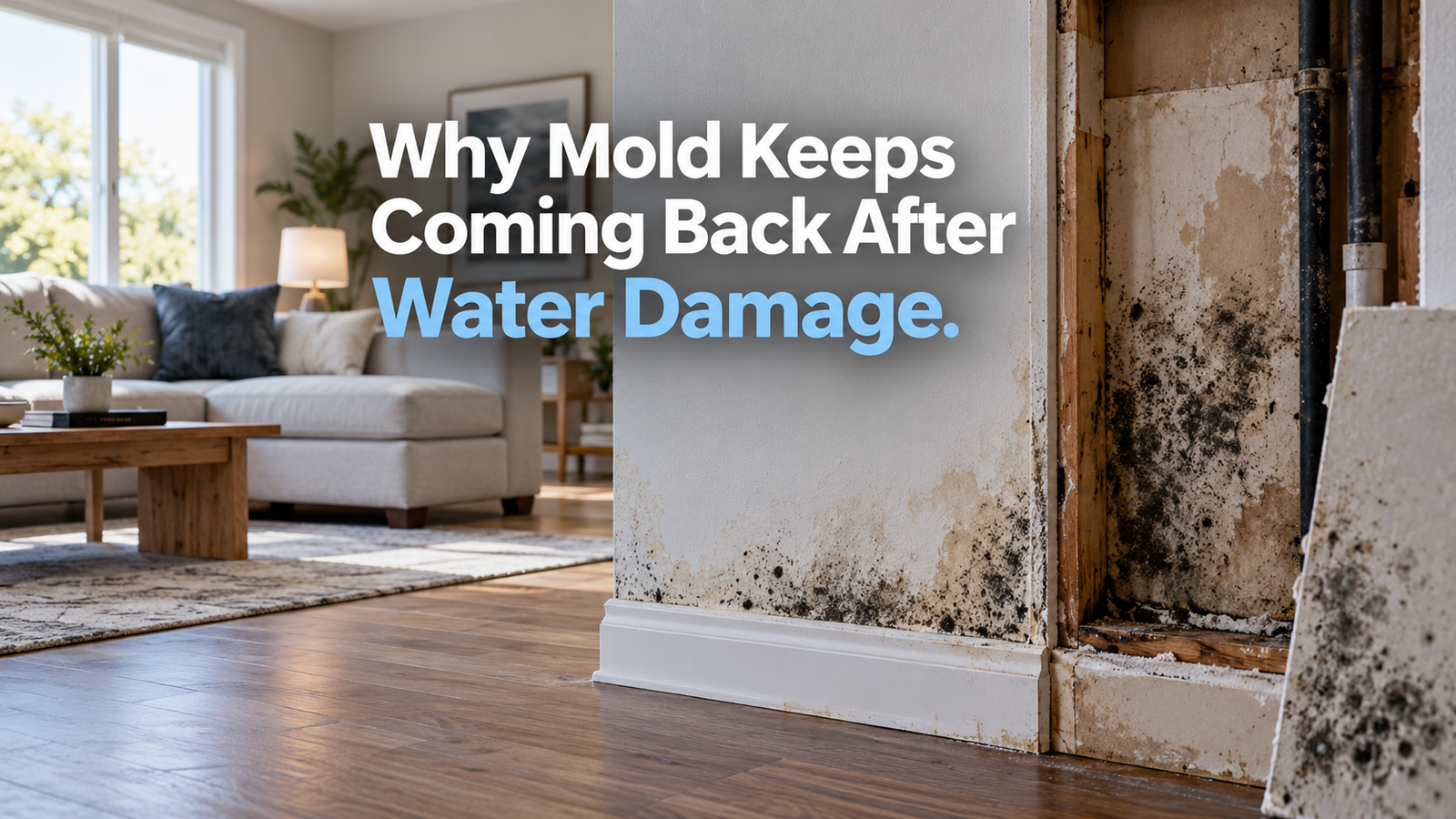
As black mold grows and spreads, it can infiltrate porous materials like drywall, wood, and insulation, compromising their strength and durability.Left unchecked, black mold can cause significant structural damage over time, leading to costly repairs and renovations.
In severe cases, it may even render a building uninhabitable, posing a serious threat to the safety and well-being of its occupants.
Preventive Measures:
Given the serious health risks and potential structural damage associated with black mold, taking preventive measures is essential for maintaining a safe and healthy living environment. Here are some steps you can take to prevent black mold growth:
- Keep moisture levels in check: Black mold thrives in damp environments, so it’s crucial to address any sources of moisture in your home promptly. Repair leaks, improve ventilation, and use dehumidifiers to keep humidity levels below 60%.
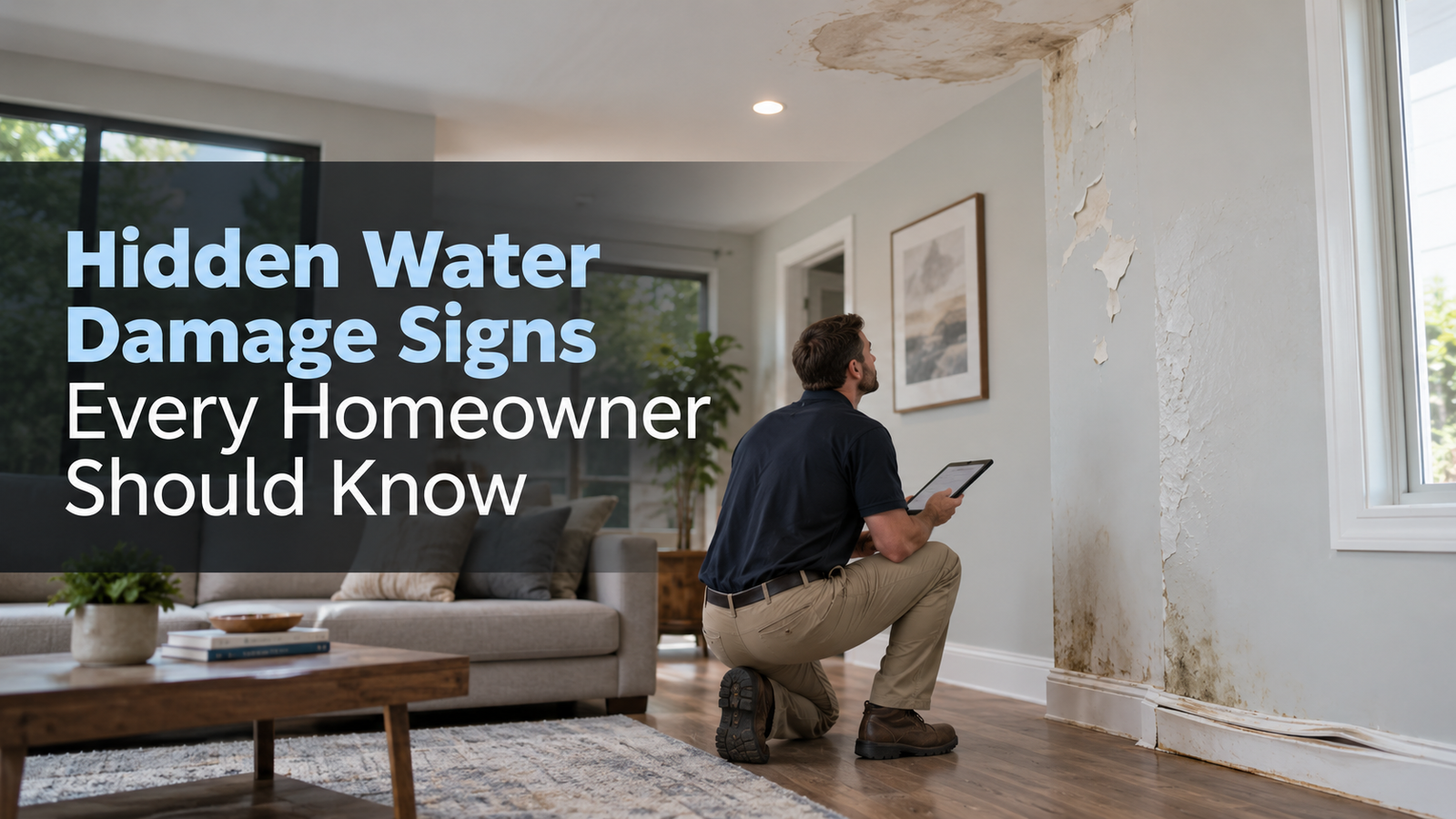
- Inspect for water damage: Regularly inspect areas of your home prone to water damage, such as bathrooms, kitchens, and basements. Look for signs of leaks, water stains, or condensation, and address any issues promptly to prevent mold growth.
- Maintain proper ventilation: Good air circulation is key to preventing mold growth. Use exhaust fans in bathrooms and kitchens, open windows to improve airflow, and ensure that air vents are unobstructed.
- Clean and dry affected areas promptly: If you notice any signs of mold growth, such as musty odors or discoloration, take immediate action to clean and dry the affected areas. Use appropriate cleaning products and protective gear, and ensure that surfaces are thoroughly dried to prevent mold from returning.
Conclusion:
In conclusion, the presence of black mold in your home is not something to be taken lightly. From its adverse health effects to its potential for structural damage, black mold poses significant risks to both your well-being and the integrity of your living environment.
By taking proactive steps to prevent mold growth and addressing any issues promptly, you can help ensure a safe and healthy home for you and your loved ones. Don’t wait until it’s too late – prioritize the removal of black mold and safeguard your home against this silent menace.
Frequently Asked Questions
What health problems can black mold cause?
Black mold exposure can lead to coughing, wheezing, nasal congestion, throat and skin irritation, eye irritation, and in severe cases, respiratory infections and neurological issues due to mycotoxins.
How does black mold damage a home?
Black mold grows in damp areas and infiltrates porous materials like drywall, wood, and insulation, weakening their structure and potentially causing costly repairs or making a building unsafe.
What are effective ways to prevent black mold growth?
Prevent black mold by controlling moisture through leak repairs, using dehumidifiers, ensuring proper ventilation, inspecting for water damage regularly, and cleaning and drying affected areas promptly.
Where is black mold most likely to grow in a home?
Black mold commonly grows in damp, humid areas such as bathrooms, basements, attics, kitchens, and anywhere with water leaks or poor ventilation.