South Florida’s tropical climate brings sunshine, beaches, and unfortunately, high humidity levels that create the perfect breeding ground for mold. As a homeowner in areas like Miami, Fort Lauderdale, or West Palm Beach, you’ve likely encountered the musty smell or unsightly spots that signal mold issues. Mold not only damages your property but can also pose serious health risks, including respiratory problems and allergies. At Edwards Property Remediation, we specialize in mold remediation and prevention, helping families across South Florida maintain safe, healthy homes.
In this comprehensive guide, we’ll explore proven strategies for preventing mold growth, drawing from our years of experience in mold testing and removal. Whether you’re dealing with post-storm moisture or everyday humidity, these tips can save you time, money, and stress. Let’s dive in and learn how to keep your home mold-free.
Understanding Mold: Why South Florida is a Hotspot
Mold thrives in warm, damp environments, and South Florida’s average humidity often exceeds 70%, making it one of the most mold-prone regions in the U.S. According to the Environmental Protection Agency (EPA), indoor mold can grow within 24-48 hours if moisture is present. Common causes include:
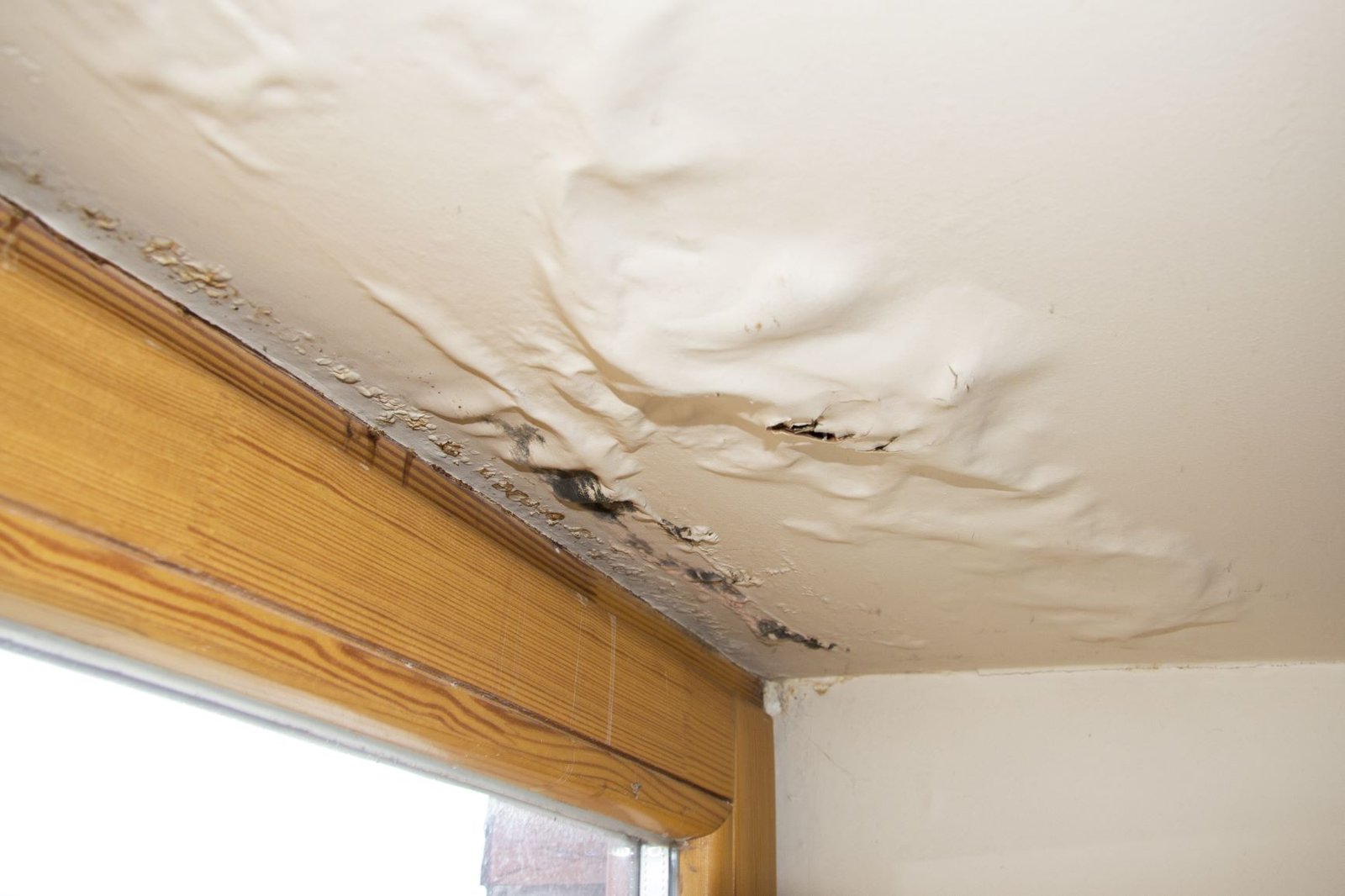
- Leaky Roofs and Windows: Heavy rains and hurricanes can lead to water intrusion.
- Poor Ventilation: Enclosed spaces like bathrooms, kitchens, and attics trap moisture.
- Flooding and Water Damage: Even minor leaks from appliances or pipes can escalate quickly.
- High Indoor Humidity: Air conditioning issues or overcrowding can exacerbate the problem.
By recognizing these risk factors, you can take proactive steps. Regular mold testing is a smart first line of defense—our certified experts at EPR can detect hidden mold before it spreads.
Key Strategies for Mold Prevention
Preventing mold requires a multi-faceted approach focusing on moisture control, ventilation, and maintenance. Here are our top recommendations tailored for South Florida residents:
1. Control Indoor Humidity Levels
Aim to keep indoor humidity below 60% using dehumidifiers, especially during the rainy season from May to October. Install hygrometers in key areas to monitor levels. Run your air conditioner consistently, and ensure it’s properly sized for your home to avoid excess moisture buildup.
2. Improve Ventilation
Proper airflow is crucial. Use exhaust fans in bathrooms and kitchens to vent steam outdoors. Open windows on low-humidity days, and consider whole-house ventilation systems. In attics and crawl spaces, add vents or fans to circulate air and reduce condensation.
3. Address Water Leaks Immediately
Inspect your home regularly for leaks in roofs, plumbing, and appliances. After storms, check for water damage and dry affected areas within 24 hours. If you suspect hidden issues, professional water damage restoration services like those offered by EPR can prevent mold from taking hold.
4. Use Mold-Resistant Materials
When renovating, opt for mold-resistant drywall, paints, and insulation. In high-moisture areas, choose tiles over carpets, as they dry faster and resist mold growth.
5. Clean and Maintain Regularly
Wipe down surfaces prone to moisture, like shower walls and window sills, with mold-inhibiting cleaners. Vacuum with HEPA filters to capture spores, and wash fabrics in hot water. Don’t forget to clean your AC ducts annually to prevent mold circulation.
The Role of Professional Mold Testing and Remediation
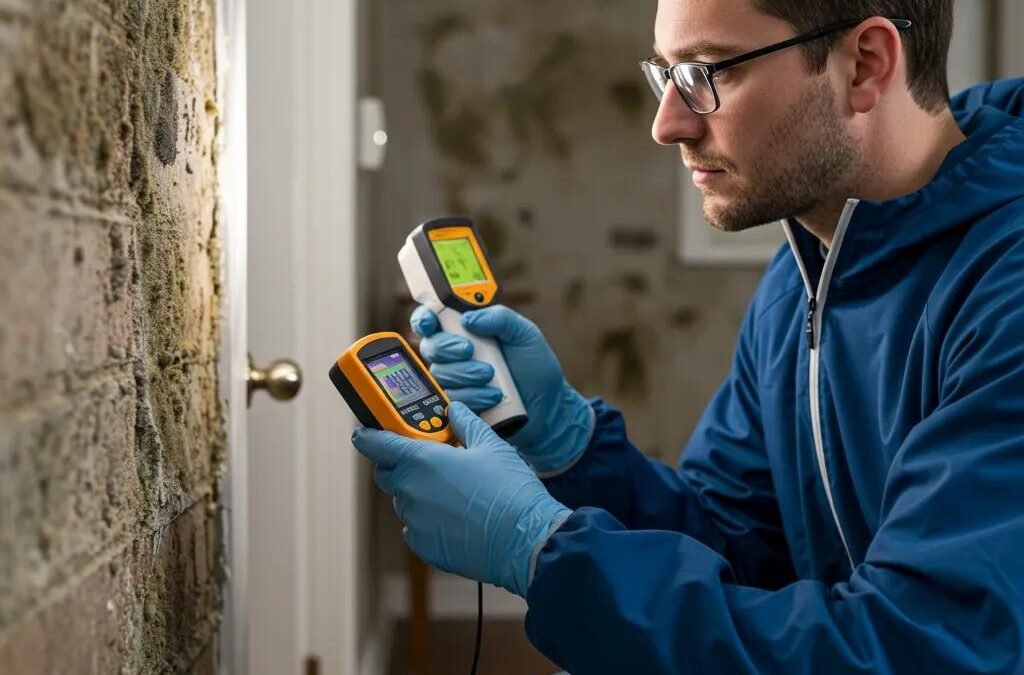
While DIY prevention is effective, professional intervention ensures thorough protection. Mold testing identifies invisible threats, such as black mold (Stachybotrys chartarum), which is common in humid climates and linked to severe health issues. At Edwards Property Remediation, our IICRC-certified technicians use advanced tools for accurate detection and safe removal.
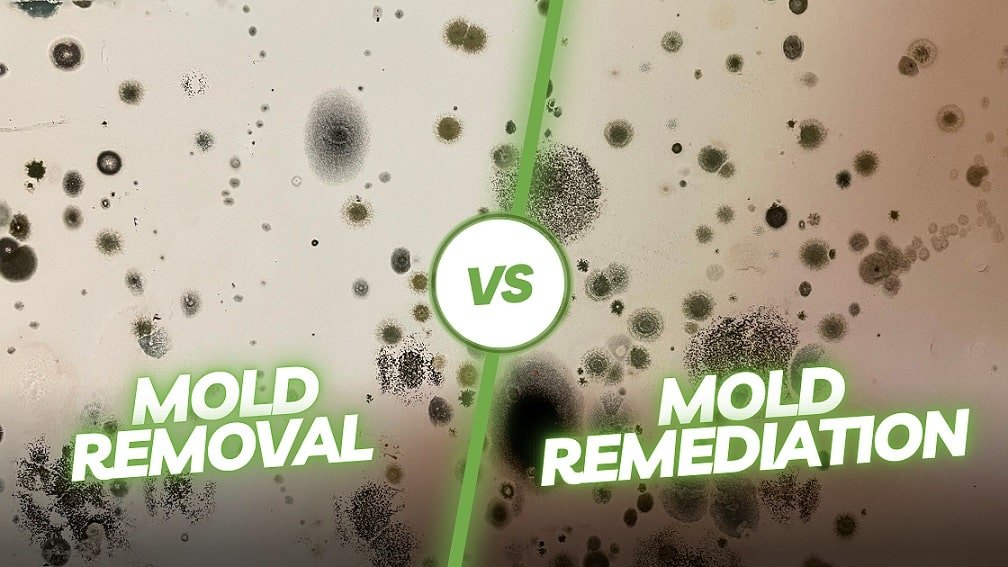
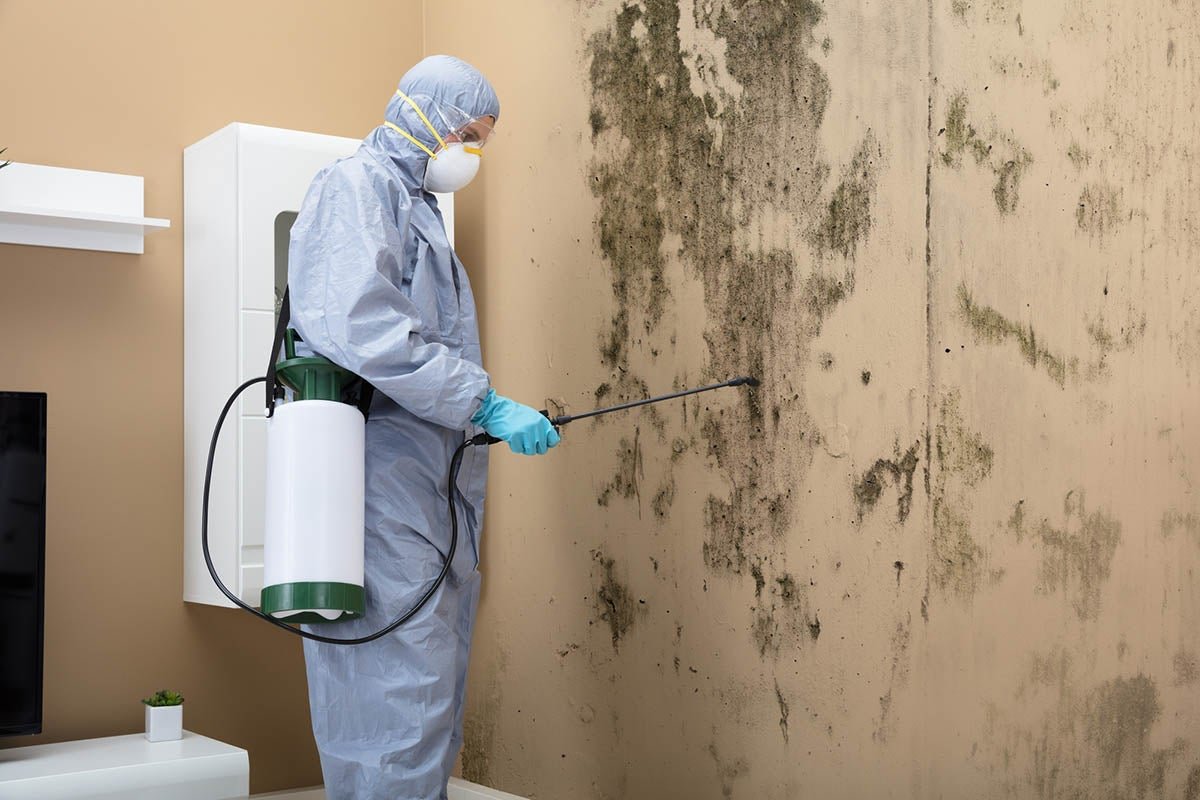
If mold is already present, prompt remediation is key. Our process includes containment, removal, cleaning, and prevention strategies to stop regrowth. We also offer eco-friendly odor removal and sanitization services to restore your indoor air quality.
Common Myths About Mold Prevention
- Myth: Bleach Kills All Mold. Reality: Bleach only works on non-porous surfaces and doesn’t address root causes.
- Myth: Mold Only Grows in Visible Areas. Reality: It often hides in walls, under floors, or in HVAC systems.
- Myth: Dry Climates Are Mold-Free. Reality: Even arid areas can have mold if moisture is introduced.
Dispelling these myths empowers you to act effectively. For personalized advice, book an appointment with our team today.
Conclusion: Protect Your Home and Health
Preventing mold growth in South Florida doesn’t have to be overwhelming. By managing humidity, improving ventilation, and staying vigilant, you can safeguard your property and family. Remember, early detection through mold testing is invaluable—don’t wait for problems to worsen.
If you’re facing mold concerns or need expert water damage restoration, contact Edwards Property Remediation. We’re available 24/7 across South Florida, ready to restore your peace of mind. Visit our services page for more details or book an appointment now.
Keywords: mold prevention South Florida, mold remediation Miami, water damage restoration Fort Lauderdale, mold testing West Palm Beach, humidity control tips, professional mold removal