When homeowners in South Florida discover mold in their property, they often use the terms “mold removal” and “mold remediation” interchangeably. However, these two processes are very different — and choosing the wrong approach can lead to recurring mold growth, health issues, and expensive re-work.
EPR (Environmental Pro Restoration) has performed over 4,100 successful mold projects in Broward, Palm Beach, and Miami-Dade counties. We always explain the clear difference between simple mold removal and professional mold remediation so clients understand why the full remediation process is necessary for long-term safety and property protection.
This article breaks down exactly what each term means, why remediation is the only effective solution in Florida’s humid climate, and what a proper remediation process should include.
What Is Mold Removal?
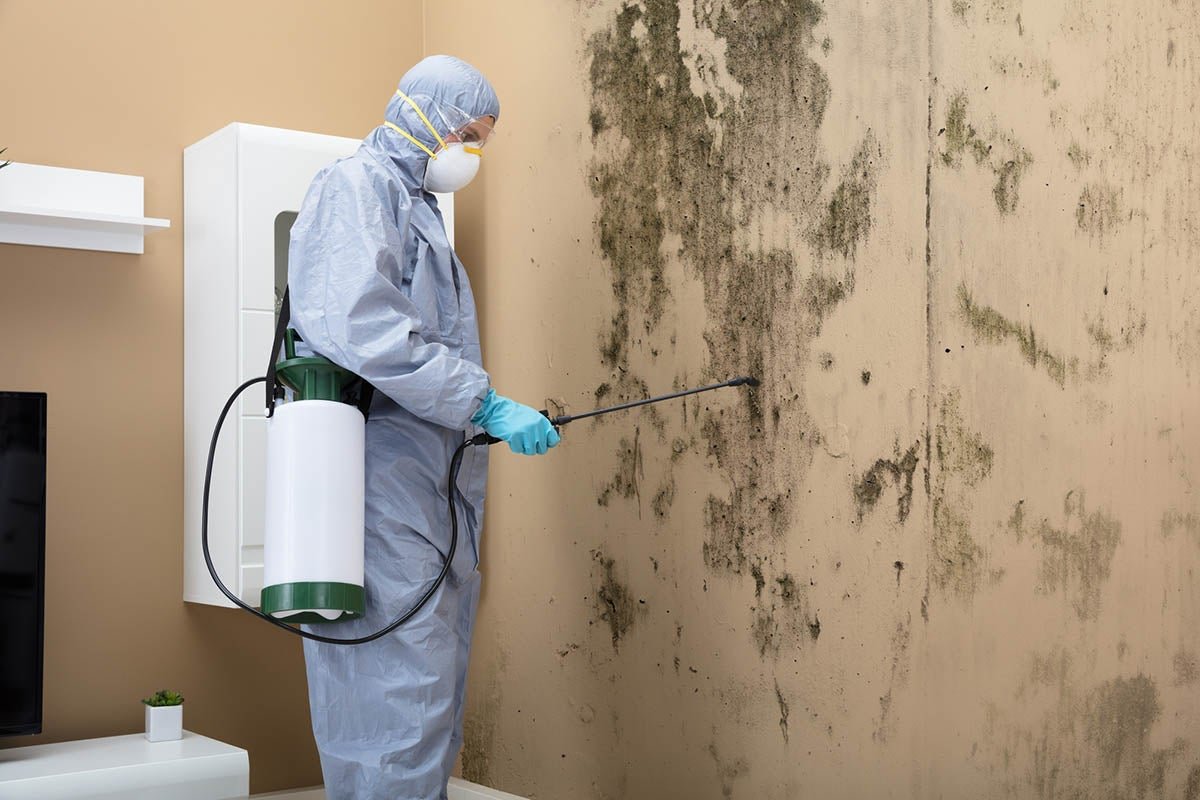
Mold removal refers to the physical act of cleaning or wiping away visible mold from a surface.
- It usually involves bleach, vinegar, or commercial cleaners.
- It focuses only on what you can see.
- It does not address the underlying moisture problem or hidden mold.
- It does not prevent future growth.
In simple terms, mold removal is like wiping dust off a table — it makes the surface look clean for a short time, but the problem returns quickly if the root cause is not fixed.
What Is Mold Remediation?
Mold remediation is a complete, systematic process that removes mold, corrects the moisture source, cleans and restores the affected area, and verifies that the environment is safe again.
It follows industry standards (primarily the IICRC S520 Standard for Mold Remediation) and includes multiple steps:
- Moisture Source Identification and Correction The most important step. Without fixing the leak, high humidity, or condensation issue, mold will return.
- Containment Setting up physical barriers and negative air pressure to prevent mold spores from spreading to clean areas of the home.
- Air Filtration Using HEPA air scrubbers and exhaust fans to capture airborne spores.
- Removal of Affected Materials Physically removing porous materials (drywall, insulation, carpet, wood) that cannot be fully cleaned.
- Cleaning and Treatment HEPA vacuuming, antimicrobial treatments, and detailed cleaning of salvageable surfaces.
- Drying and Dehumidification Bringing moisture levels back to safe ranges (wood <15%, relative humidity <55%).
- Post-Remediation Verification (Clearance Testing) Independent third-party testing to confirm spore counts have returned to normal outdoor baseline levels.
Only when all these steps are completed can the job be considered true mold remediation.
Why Mold Removal Alone Fails in South Florida
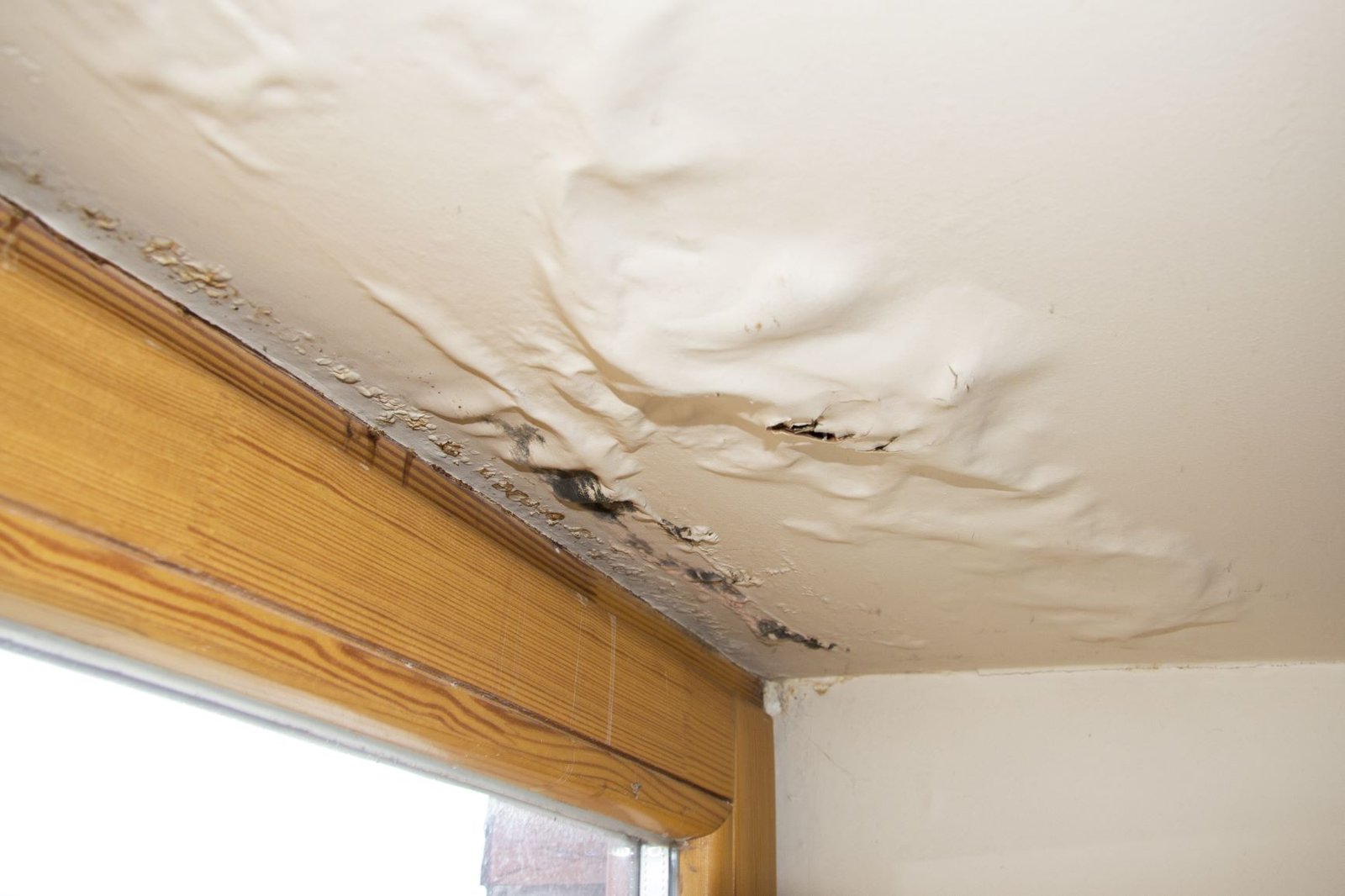
Florida’s warm, humid climate creates perfect conditions for mold. Even after visible mold is wiped away:
- Microscopic spores remain airborne or hidden behind walls.
- Moisture trapped in materials allows new colonies to form quickly.
- Without containment, spores spread throughout the HVAC system and other rooms.
We have seen many cases where homeowners tried DIY mold removal or hired cheap “mold cleaners.” Within 3–6 months, the mold returned — often worse than before — because the moisture source and hidden growth were never addressed.
Real-World Comparison
| Aspect | Mold Removal Only | Professional Mold Remediation (EPR) |
|---|---|---|
| Addresses visible mold | Yes | Yes |
| Fixes moisture source | No | Yes |
| Contains spores during work | No | Yes (full containment + negative air) |
| Removes porous materials | Usually not | Yes, when necessary |
| Uses HEPA filtration | Rarely | Always |
| Independent clearance testing | No | Yes (third-party) |
| Prevents recurrence | Very low | Very high |
| Insurance documentation | Poor | Complete and accepted by all carriers |
When Professional Remediation Is Required
You should choose full remediation over simple removal when:
- Mold covers more than 10 square feet
- Water damage involved Category 2 or 3 water (gray or black water)
- Mold is hidden behind walls, under cabinets, or in HVAC systems
- Anyone in the home has respiratory issues, allergies, or weakened immune system
- The property is a rental or will be sold
In these situations, mold removal alone is never enough.
What Proper Mold Remediation Looks Like at EPR
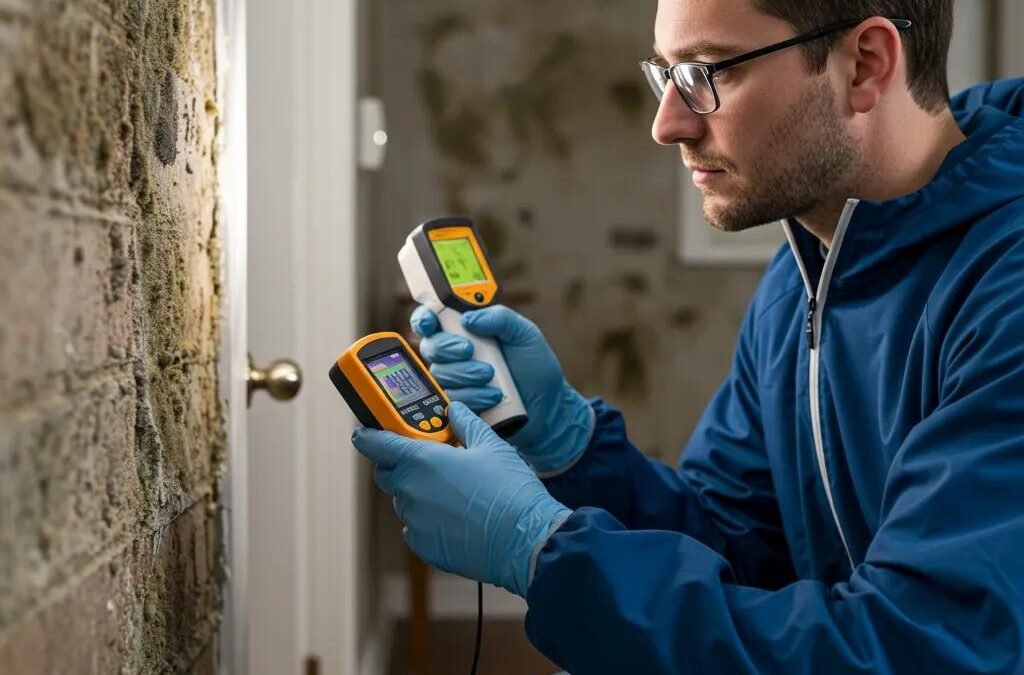
- Thorough inspection with moisture meters and thermal imaging
- Detailed written scope of work and transparent pricing
- Full containment and safety protocols
- Safe removal of unsalvageable materials
- Professional cleaning and antimicrobial treatment
- Complete drying and dehumidification
- Independent third-party post-remediation clearance testing
- Final documentation and warranty
We never cut corners because we know how quickly mold can return in South Florida’s climate.
Why Florida Homeowners Trust EPR
- Florida Mold-Related Services license MRSR 3795
- IICRC-certified technicians and project managers
- Strict adherence to S520 standards
- 24/7 emergency response
- Direct insurance billing with documentation accepted by all major carriers
- 4.9-star average from hundreds of verified reviews
Don’t Settle for Simple Mold Removal
Wiping away visible mold might make your home look better temporarily, but it does not make it safe or healthy. True protection requires professional mold remediation that addresses both the mold and the moisture that caused it.
If you suspect mold in your home, don’t risk your family’s health or your property value with half-measures.
Call +1 (754) 221-6945 or email info@eprllc.net today for a professional mold inspection and honest assessment.
Visit EPR LLC or message us on Facebook for real case studies and before-and-after photos.
Your home should be a safe, healthy environment — let us help you make it mold-free for good.