Slow water leaks are a deceptive threat, often unnoticed until they cause significant damage. These plumbing emergencies can lead to mold growth, structural issues, and health risks. Drawing from my 15 years as a licensed plumber, this guide provides actionable steps to identify, prevent, and address slow leaks, protecting your home and family.
Why Slow Water Leaks Are a Serious Problem
A slow leak may seem minor, but its impact can be profound. The Environmental Protection Agency (EPA) estimates that household leaks waste nearly 1 trillion gallons of water annually in the U.S., with slow leaks being a major contributor. These leaks can escalate repair costs and compromise your home’s safety if not addressed promptly.
Causes of Slow Water Leaks
Understanding what causes slow leaks is the first step to prevention. Common culprits include:
-
Worn-Out Seals and Gaskets: Aging seals in faucets or pipe joints can degrade, allowing water to seep.
-
Corroded Pipes: Mineral buildup or acidic water can corrode metal pipes, especially copper or steel.
-
Poor Installation: Improperly fitted pipes or fixtures may develop leaks over time.
-
High Water Pressure: Excessive pressure can stress pipes, causing cracks or leaks.
-
Temperature Fluctuations: Freezing and thawing cycles can weaken pipes, leading to slow leaks.
7 Ways Slow Water Leaks Cause Damage
Slow leaks can devastate your home in multiple ways. Here are the primary risks, backed by expert insights:
1. Mold Growth
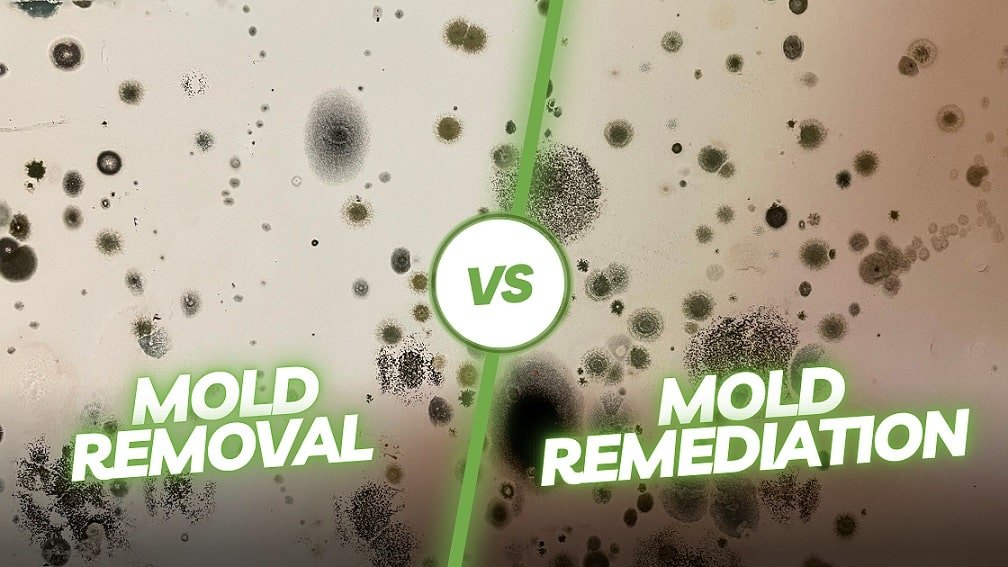
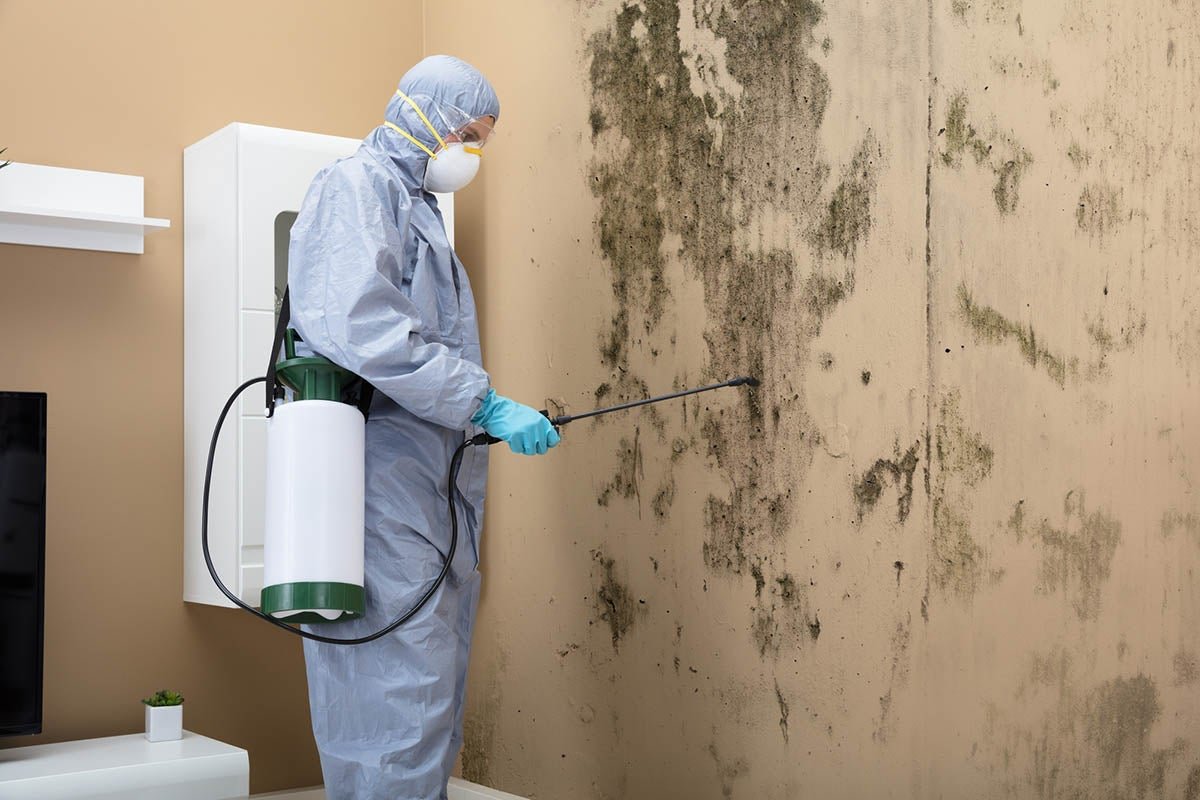
Moisture from slow leaks creates a breeding ground for mold, such as Aspergillus or Stachybotrys (black mold). The Centers for Disease Control and Prevention (CDC) warns that mold exposure can trigger allergies, asthma, or respiratory issues. Mold thrives in damp, poorly ventilated areas, spreading rapidly if unchecked.
Related: Learn about the dangers of Aspergillus mold.
2. Water Damage from Leaking Pipes
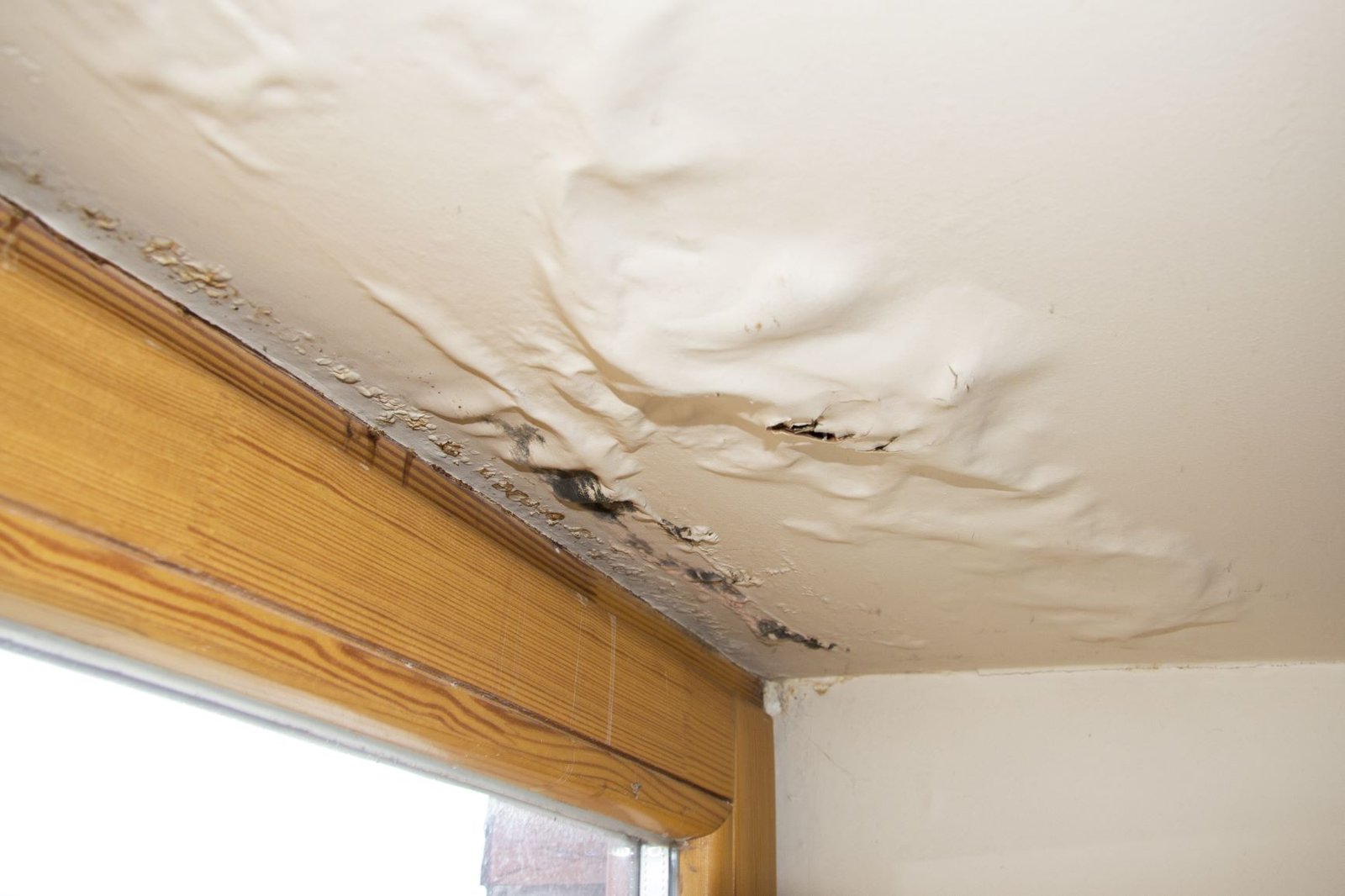
Slow leaks often appear as stains on ceilings, walls, or floors. Even a small drip can saturate drywall, weaken wooden beams, or ruin insulation. The Insurance Institute for Business & Home Safety (IBHS) notes that water damage from leaks is a top homeowner insurance claim.
3. Pipe Corrosion
Water’s mineral content can corrode metal pipes, particularly in older homes. Corrosion weakens pipes, increasing the risk of larger leaks or bursts. Regular inspections can detect early signs, such as discoloration or pitting.
4. Structural Damage
Prolonged moisture exposure can deteriorate a home’s structure. Wooden beams may rot, drywall can crumble, and concrete foundations may crack. A 2025 American Society of Civil Engineers report highlights the need for immediate repairs to prevent safety risks.
5. Damage to Ductwork and Electrical Systems
Leaks near ductwork or wiring can cause moisture buildup, reducing HVAC efficiency or creating fire hazards. The National Fire Protection Association (NFPA) warns that wet wiring may lead to short circuits or electrical fires.
6. Wall Cracks and Buckling
Persistent leaks can cause walls to bulge, crack, or peel. Homeowners may notice peeling paint or hear dripping sounds within walls, signaling hidden leaks. Addressing these signs early prevents costly repairs.
7. Health Hazards
Slow leaks can contaminate household water, fostering bacteria like Legionella or E. coli. The World Health Organization (WHO) states that contaminated water used for cooking, bathing, or cleaning can cause rashes, infections, or respiratory issues.
How to Detect and Prevent Slow Water Leaks
Early detection minimizes damage. Here’s how to stay proactive:
-
Monitor Water Bills: A sudden increase may indicate a hidden leak.
-
Look for Signs: Check for water stains, musty odors, or peeling paint in basements, bathrooms, or kitchens.
-
Use Technology: Install smart leak detectors, such as Moen or Flo, for real-time alerts.
-
Schedule Inspections: Hire a licensed plumber annually to assess your plumbing system.
-
Maintain Pipes: Insulate pipes in cold climates and check for corrosion or wear.
What to Do If You Suspect a Slow Leak
Act quickly to limit damage:
-
Shut Off Water: Turn off the main water valve to stop the leak.
-
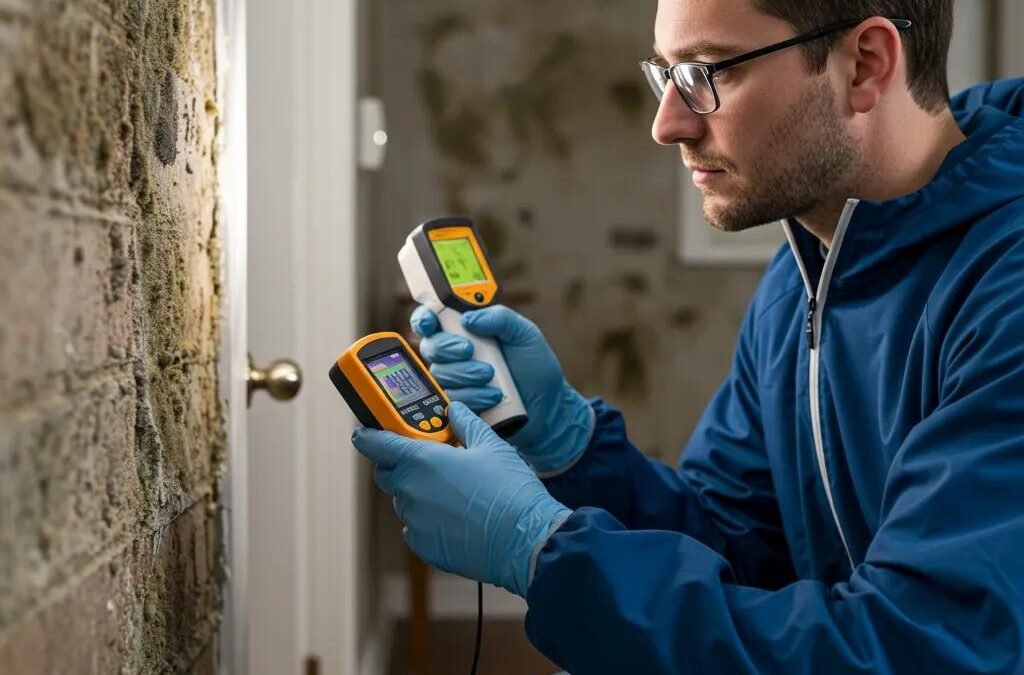
Call a Plumber: A licensed professional can use thermal imaging or acoustic sensors to locate hidden leaks.
-
Address Mold: Contact a remediation specialist like Edwards Property Remediation for safe mold removal.
-
Document Damage: Take photos for insurance claims and consult your provider.