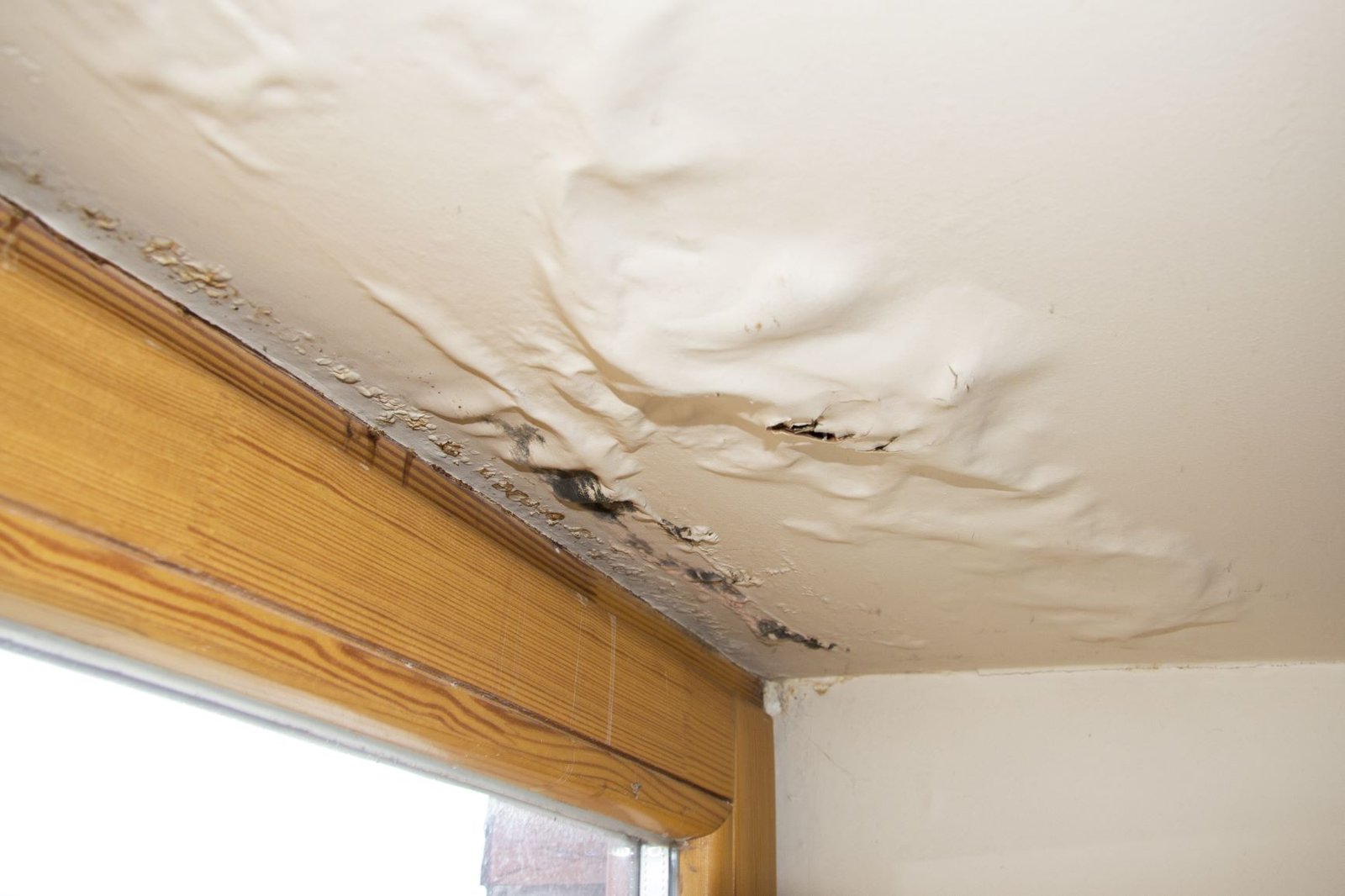
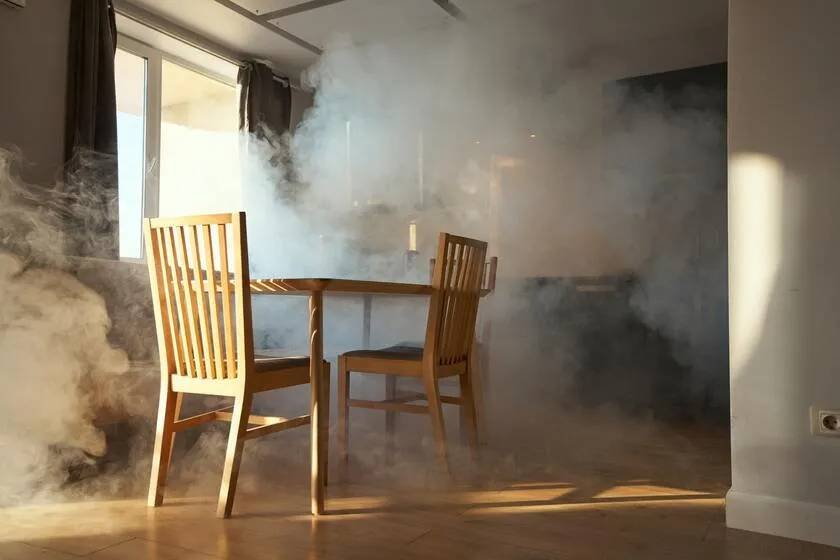
A fire in your home or business is devastating but the damage doesn’t end when the flames are extinguished. Smoke, soot, water from firefighting efforts, and structural weakening continue to cause harm long after the fire department leaves. In South Florida’s high-humidity climate, untreated soot becomes acidic and corrosive, water-soaked materials grow mold within 24–48 hours, and lingering odors can make a property unlivable even after visible repairs. (Fire Damage)
EPR (Environmental Pro Restoration) has restored over 1,200 fire- and smoke-damaged properties in Broward, Palm Beach, and Miami-Dade counties since 2010. We follow IICRC S540 (Fire and Smoke Damage Restoration), EPA guidelines, and Florida Department of Health protocols, using specialized equipment and cleaning agents most contractors do not have access to.
This article explains the professional fire damage restoration process step by step — so you understand what should happen, why each step is necessary, and how skipping or delaying any phase dramatically increases costs, health risks, and permanent loss.
Phase 1: Immediate Safety & Emergency Containment (First 24–48 Hours)
Smoke particles are tiny (0.1–4 microns) and continue to settle and spread via air currents even after the fire is out.
First actions taken by EPR crews:
- Full containment of affected areas using 6-mil fire-rated polyethylene and negative-air machines (4–6 air changes per hour)
- HEPA air scrubbing throughout the structure to capture airborne soot and particulates
- HVAC system isolation (taping registers or shutting down air handler) to prevent further distribution
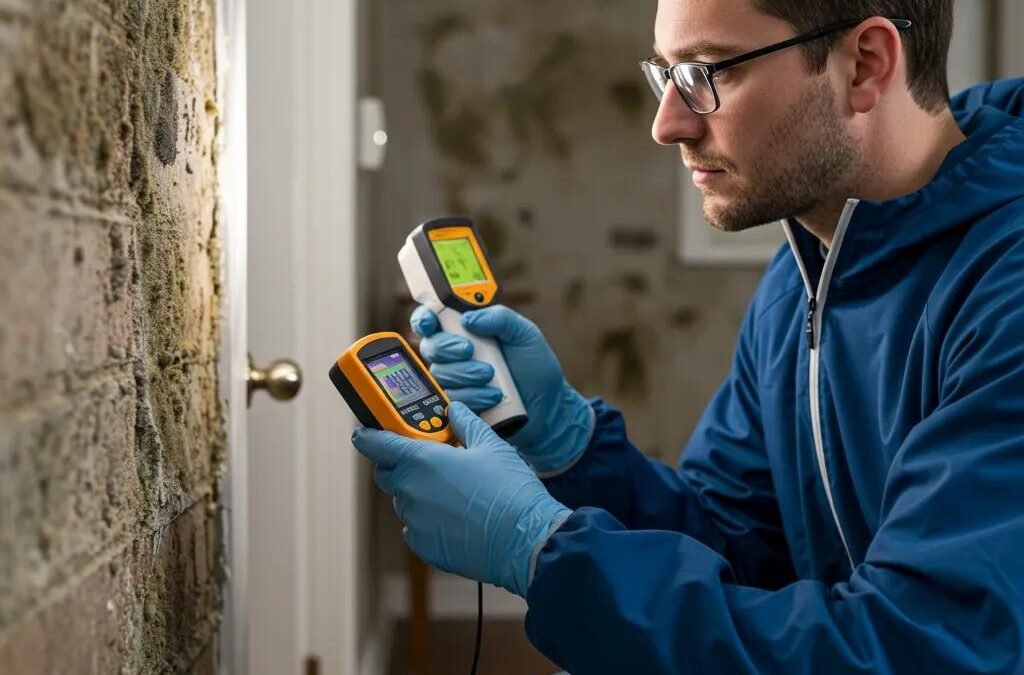
- Thermal imaging (FLIR) to locate hidden hot spots or residual moisture from firefighting water
- Board-up of broken windows/doors and roof tarping if needed
Goal: Stop additional soot migration and cross-contamination before cleanup begins.
Phase 2: Comprehensive Damage & Contamination Assessment
Not all fire damage looks the same — cleaning methods depend on fuel source, temperature, and burn duration.
Common smoke/soot types we identify:
- Wet smoke (plastics, rubber, synthetics) — sticky, smeary, pungent
- Dry smoke (wood, paper, natural materials) — powdery, easier to vacuum
- Protein smoke (food, cooking fires) — nearly invisible but very strong odor
- Fuel-oil smoke (furnace puff-back) — heavy, oily residue
Assessment tools used:
- Boroscope inspection inside walls, ducts, and voids
- Soot wipe sampling & lab analysis (when insurance requires documentation)
- Odor mapping with trained olfactory evaluation
- Surface pH testing (acidic soot etches many finishes)
- Moisture mapping (pin & pinless meters)
This determines whether dry methods, wet cleaning, media blasting, or full demolition is most effective.
Phase 3: Soot & Residue Removal (Dry & Wet Methods)
Dry soot removal (most common in wood/paper fires):
- HEPA-filtered vacuuming (99.97% efficiency at 0.3 microns)
- Dry-ice blasting on non-porous surfaces (sublimates on contact, no secondary waste)
- Soda blasting or walnut-shell media on wood beams, brick, stone
- Chemical soot sponges for delicate surfaces (lifts soot without smearing)
Wet smoke & protein residue cleaning:
- High-pH cleaners followed by neutralization (prevents etching on metals & stone)
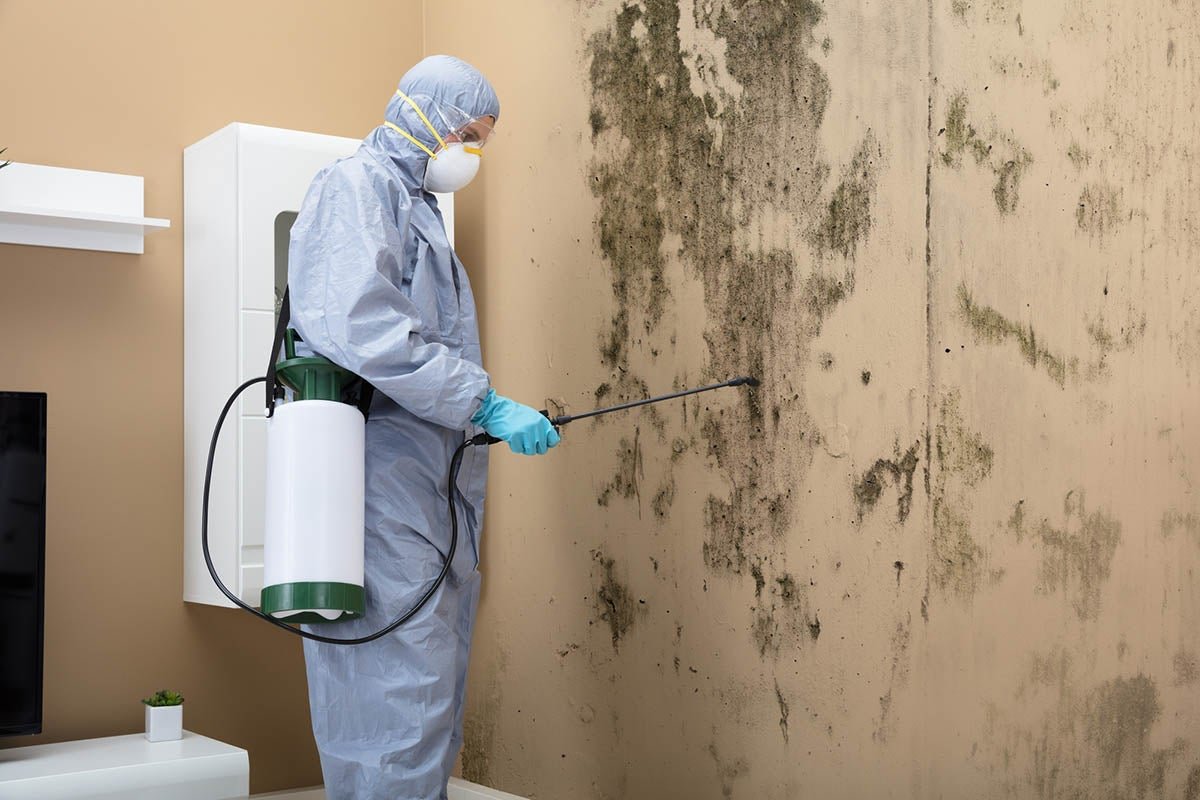
- Hydroxyl generators (no ozone) for safe, continuous deodorization in occupied spaces
- Thermal fogging with deodorant agents (after cleaning, not instead of)
All waste is double-bagged and disposed of as construction or hazardous material when required.
Phase 4: HVAC & Duct System Decontamination
Smoke travels through ductwork — contaminating the entire air-distribution system.
Standard protocol:
- Negative-air containment on air handler
- Agitation & HEPA vacuuming of all duct runs
- Sanitization with EPA-registered botanical or hydrogen-peroxide fog
- Replacement of filters, insulation, and any contaminated components
- UV-C lights installed (optional) for ongoing microbial control
Uncleaned HVAC systems are the #1 reason odors and soot return after “professional” treatment.
Phase 5: Contents & Soft-Goods Restoration
Smoke penetrates upholstery, clothing, drapes, books, electronics, and personal items.
Restoration methods we use:
- Ultrasonic cleaning for hard goods & small electronics
- Ozone & hydroxyl chambers for soft contents (furniture, clothing, linens)
- Esporta wash system for water-safe fabrics
- Specialized dry-cleaning for delicate or non-washable items
- Document & photo restoration partners for irreplaceable items
Most insurance policies cover contents pack-out & restoration — we coordinate directly with adjusters.
Phase 6: Structural Drying & Reconstruction
Firefighting water often causes more damage than the fire itself.
Drying protocol:
- Truck-mounted extractors remove standing water
- 50+ LGR dehumidifiers & 100+ air movers per job
- Daily moisture mapping until <15% moisture content
- Controlled demolition of saturated drywall/insulation (12–18 inches above water line)
- Reconstruction with mold-resistant drywall, antimicrobial primers, and sealants
Phase 7: Final Clearance & Odor Elimination Verification
Before declaring the job complete:
- Post-remediation air sampling (VOC levels & particulate)
- Surface wipe sampling for residual soot/acids
- Odor inspection by trained technician
- Clearance certificate issued (accepted by insurance carriers & property managers)
Only after clearance do we allow occupants to return and HVAC to run normally.
Why South Florida Property Owners Trust EPR for Fire & Smoke Restoration
- Florida-licensed Mold-Related Services (MRSR 3795)
- IICRC Fire & Smoke Restoration Technician certifications on staff
- 24/7 live answer & 60-minute dispatch guarantee (Broward/Palm Beach)
- Direct insurance billing & documentation accepted by all major carriers
- 4.9-star average across hundreds of verified reviews
Don’t Wait — Smoke & Soot Damage Worsens Every Day
Smoke residue is acidic and continues to etch surfaces, corrode metals, and degrade air quality until properly removed. Delaying professional cleaning can turn a manageable insurance claim into a major structural, health, and financial issue.
Call +1 (754) 221-6945 or email info@eprllc.net for 24/7 emergency response — we answer live, every day of the year.
Visit EPR LLC or message us on Facebook for real fire-damage recovery examples.
The faster we start, the more we can save.