A small, hidden water leak can silently release 5–20 gallons per day — adding up to 1,800–7,300 gallons per year — before most homeowners notice visible damage. In South Florida’s humid climate, that hidden moisture becomes active mold growth in as little as 24–48 hours, structural rot in weeks, and foundation or electrical issues in months. The average undetected leak costs $8,000–$35,000 once discovered (Insurance Information Institute + EPA estimates 2024–2025).
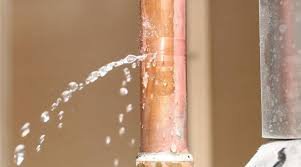
EPR (Environmental Pro Restoration) has responded to over 2,800 water-loss events across Broward, Palm Beach, and Miami-Dade counties. We’ve seen the same early warning signs missed time after time — signs that, when caught quickly, can reduce total damage by 70–90%. This guide shows you the seven most common (and frequently ignored) indicators of hidden water leaks so you can act before the problem becomes a disaster. Call +1 (754) 221-6945 or email info@eprllc.net for 24/7 emergency response.
1. Unexplained Increases in Your Water Bill
Typical Pattern: Your monthly water usage suddenly jumps 20–100% with no change in household habits.
Why It Happens: A toilet flapper that doesn’t seal can leak 1–6 gallons per hour (24–144 gallons per day). A slow faucet drip or showerhead leak adds 10–50 gallons daily. Hidden slab leaks or irrigation-line breaks can silently waste hundreds of gallons underground.
Quick Check: Turn off all water inside and outside the home for 30 minutes → watch the meter. If it moves, you have an active leak.
Real Case: A Fort Lauderdale homeowner saw a $180 monthly increase. We found a pinhole slab leak under the master bathroom — caught early, only $4,800 to repair. Waiting six more months would have required $22,000+ in structural work.
2. Musty, Damp, or Moldy Odors (Especially in Cabinets & Closets)
Where to Notice First: Under kitchen/bathroom sinks Inside vanity cabinets Back corners of walk-in closets Behind refrigerators & washing machines Base of walls near exterior doors/windows
Why It Matters: Mold produces microbial volatile organic compounds (MVOCs) that smell musty or earthy — often before visible growth appears. In South Florida’s 75–85% average humidity, mold can colonize in 24–48 hours on damp drywall or wood.
Quick Check: Sniff inside closed cabinets and corners — if it smells damp even when dry, moisture is present behind the surface.
3. Visible Water Stains, Discoloration, or Bubbling Paint
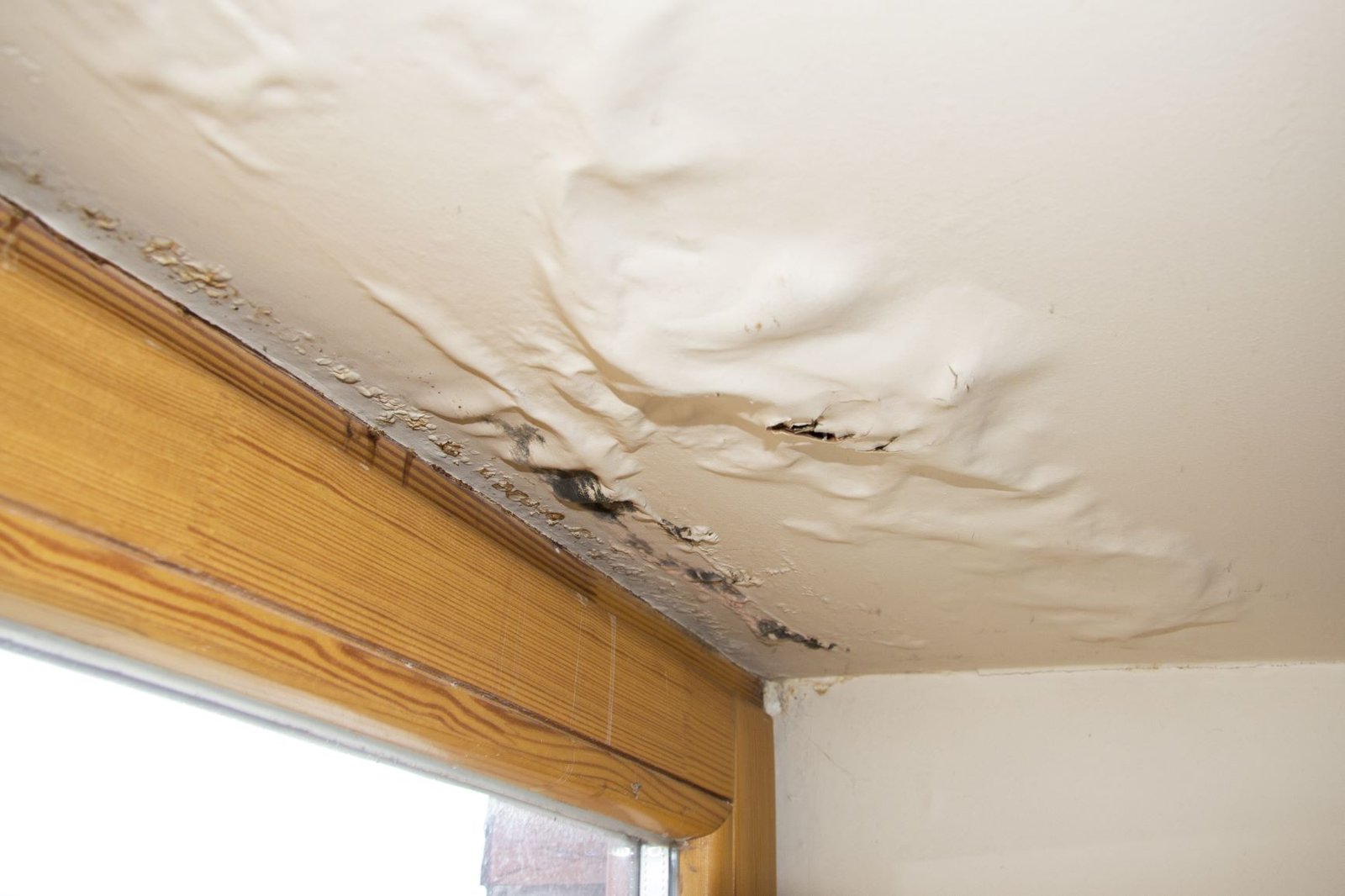
Early Signs: Yellow/brown rings on ceilings (especially below bathrooms or roof penetrations) Bubbling, peeling, or discolored paint on walls (especially near baseboards) Warped or stained baseboards Soft spots in drywall when pressed
Why It Happens: Water follows gravity — ceiling stains usually come from above (roof, plumbing in floor above). Wall/baseboard stains often indicate plumbing in the wall or slab leaks.
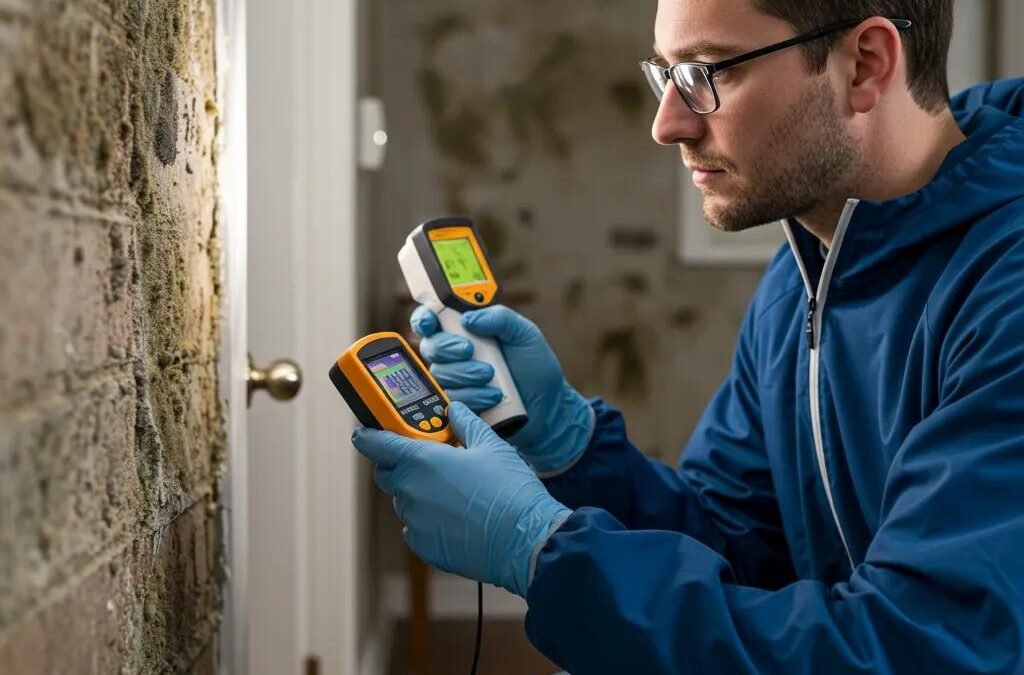
Quick Check: Press gently on stained areas — if spongy, moisture is active. Use a non-contact moisture meter (available for $30–$60) — anything above 15–18% is concerning.
4. Warped or Buckling Flooring & Cabinets
Early Warning Signs: Hardwood cupping or buckling Laminate flooring lifting at edges Vinyl plank swelling or separating Particle-board cabinet bottoms sagging or crumbling
Why It Happens: Persistent moisture softens wood fibers and adhesives — even small daily leaks cause cumulative damage.
Quick Check: Look for gaps under baseboards or between flooring planks. Press cabinet bottoms — if they feel soft or spongy, water has reached them.
5. Unexplained Mold Growth in Low-Risk Areas
Common Spots: Corners of rooms (especially exterior walls) Behind furniture against exterior walls Inside closets on exterior walls Around window frames Under sinks (even without visible leaks)
Why It Happens: Mold only needs moisture, warmth, and organic material (drywall, wood, dust). Even tiny plumbing leaks behind walls can feed growth for months.
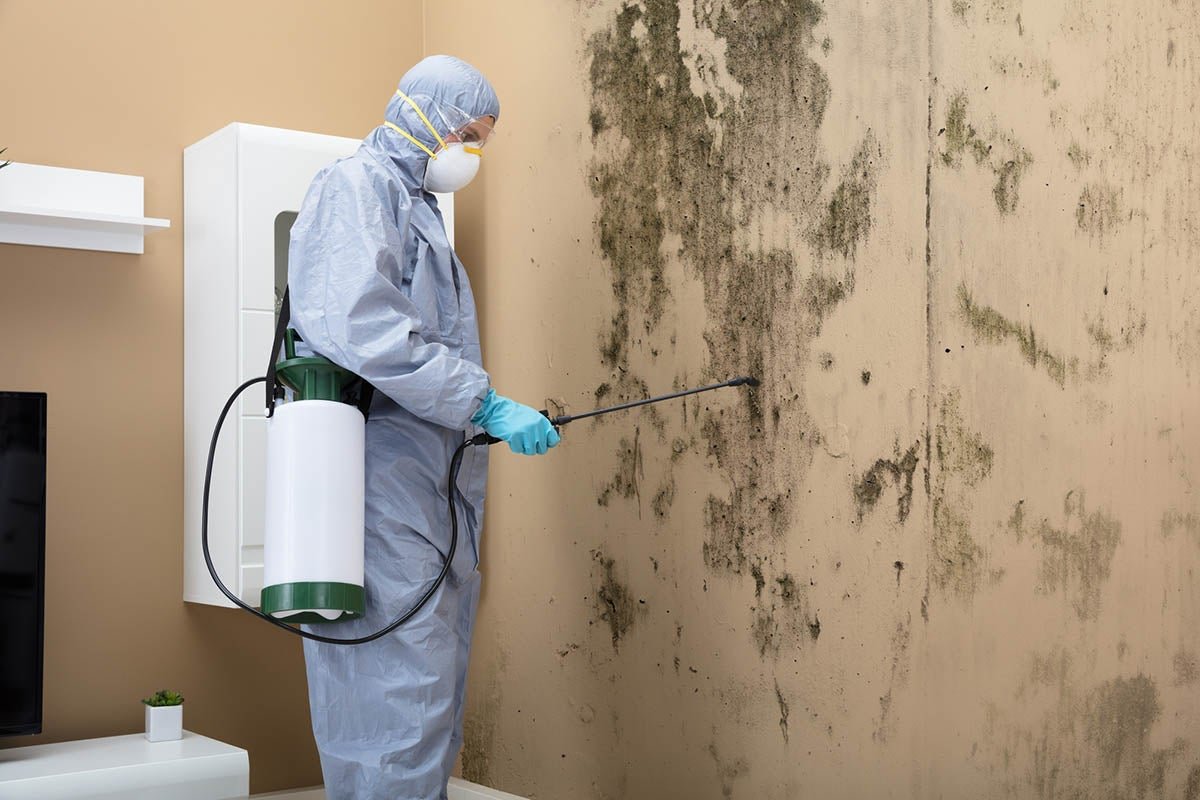
Quick Check: Any visible mold larger than a few square inches — especially black or dark green — requires professional testing and remediation.
6. Sounds of Running or Dripping Water When No Fixtures Are In Use
Common Clues: Hissing or dripping in walls/ceiling at night Toilet tank refilling randomly Slight humming from water heater area
Why It Happens: Hidden pipe leaks, faulty flappers, or pressure-reducing valve issues. A running toilet alone can waste 200+ gallons per day.
Quick Check: Turn off all water in the house → listen near walls, toilets, and water heater.
7. High Humidity & Condensation Indoors
Indicators: Windows “sweating” even when air conditioning is running Musty smell throughout house Clothes in closets feel damp Wood furniture shows condensation rings
Why It Happens: Active water source inside walls or crawlspace raises indoor relative humidity (RH) above 60% — ideal mold-growing range.
Quick Check: Use a digital hygrometer — sustained RH above 60% with A/C on indicates hidden moisture.(water leaks)
What to Do the Moment You Spot These Signs
- Shut off the main water valve (usually near the meter or in garage) if you suspect an active leak
- Document everything — photos, videos, water meter readings
- Call a professional restoration company immediately — waiting even 24–48 hours can turn a $2,000–$5,000 fix into $20,000+
- Contact your insurance agent — most policies cover sudden water losses (burst pipes, appliance failures)
- Do not use fans or open windows until professionals arrive — this can spread mold spores
EPR provides 24/7 live answer, 60-minute dispatch in Broward & Palm Beach, same-day containment, direct insurance billing, and 100% post-remediation clearance verification.
Why Early Action Saves Thousands
| Delay Time | Typical Damage Range | Average Insurance Claim | Cost If Ignored Longer |
|---|---|---|---|
| 0–48 hours | $2,000–$8,000 | $4,500 | Minimal escalation |
| 3–7 days | $8,000–$25,000 | $16,000 | Mold + drywall removal |
| 2–4 weeks | $25,000–$65,000 | $42,000 | Structural repairs |
| 1–6 months | $50,000–$150,000+ | $78,000+ | Foundation, electrical |
Don’t Let a Small Leak Become a Major Loss
Water damage worsens exponentially — the first 24–48 hours are critical. EPR’s certified team stops the source, extracts water, dries the structure, and prevents mold with hospital-grade equipment and protocols.
Call +1 (754) 221-6945 or email info@eprllc.net for 24/7 emergency response — we answer live, 365 days a year.
Visit EPR LLC or message us on Facebook for real before-and-after case studies.
Act fast. Protect your home. Save thousands.