Florida’s subtropical climate is a paradise for people but a perfect breeding ground for mold. With average relative humidity frequently between 70% and 90%, warm temperatures year-round, and frequent rainfall, mold spores find ideal conditions to germinate and spread rapidly inside homes and buildings. According to the EPA and Florida Department of Health, indoor mold problems affect a significant percentage of Florida properties, often leading to structural damage, reduced indoor air quality, and health issues ranging from allergic reactions to more serious respiratory conditions.
EPR (Environmental Pro Restoration) has responded to thousands of mold-related calls across Broward, Palm Beach, and Miami-Dade counties. We see the same pattern repeatedly: homeowners notice a musty smell or small discoloration, but because Florida humidity is so constant, many assume “it’s just the weather.” By the time visible mold appears or health symptoms develop, the problem has usually grown far beyond a simple spot treatment.
This article explains how Florida’s humidity drives mold growth, the early warning signs most people miss, and the practical steps every homeowner should take to protect their property and health.
Why Florida’s Humidity Is a Mold Supercharger
Mold needs four things to grow: moisture, warmth, organic material (drywall, wood, dust, carpet), and oxygen. Florida provides the first three in abundance.
- High Relative Humidity (RH): Indoor RH above 60% for more than 48 hours allows most common molds (Aspergillus, Penicillium, Cladosporium) to begin colonizing surfaces. In many South Florida homes without proper dehumidification, indoor RH stays between 65% and 80% for months at a time.
- Warm Temperatures: Mold thrives between 77°F and 86°F — exactly the range Florida maintains most of the year.
- Organic Food Sources: Modern homes are full of cellulose-based materials (drywall paper, wood framing, insulation, carpet padding) that mold loves to consume.
- Poor Airflow: Tight construction, closed windows during AC season, and cluttered storage areas create stagnant pockets where spores settle and multiply.
Once moisture is introduced — from a roof leak, plumbing failure, AC condensate overflow, flooding, or even high humidity alone — mold can appear in as little as 24–48 hours on organic surfaces. In hidden areas (inside walls, under cabinets, in attics or crawl spaces), growth can continue undetected for weeks or months.
Common Hidden Mold Hotspots in Florida Homes
Because humidity is constant, mold often grows where homeowners rarely look:
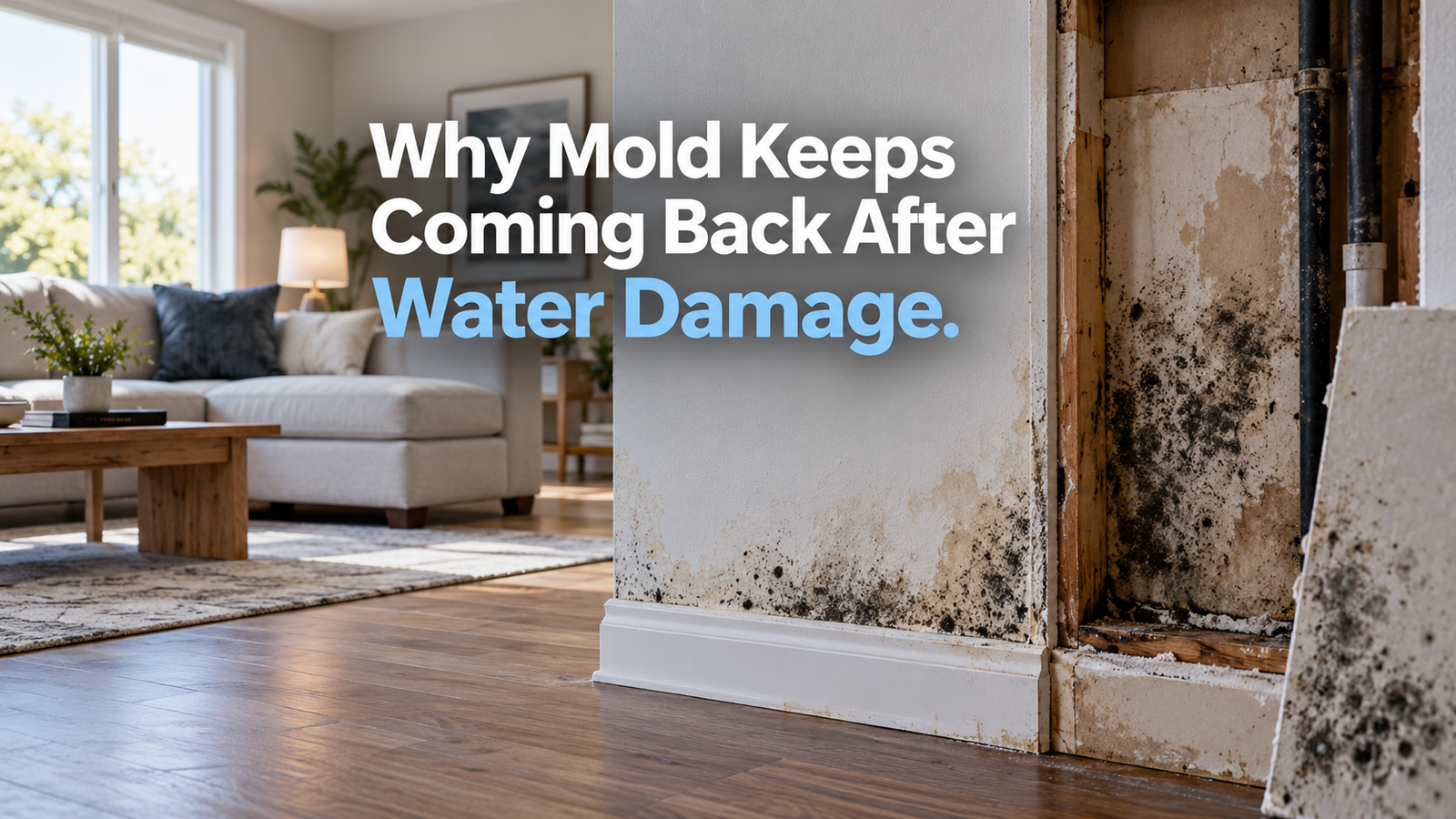
- Behind drywall near exterior walls or plumbing penetrations
- Under kitchen and bathroom cabinets (slow leaks from supply lines)
- In attic insulation (roof leaks or poor ventilation)
- Inside HVAC ducts and air handlers (condensate pan overflow)
- Under flooring, especially vinyl plank or carpet over concrete slabs
- In crawl spaces or on slab foundations where groundwater rises
- Around window frames and sliding glass doors where condensation forms
Thermal imaging and moisture meters frequently reveal active mold in these areas even when walls look perfectly dry on the surface.
Early Warning Signs Most Homeowners Miss
Visible black or green spots are late-stage indicators. Earlier clues include:
- Persistent musty or earthy smell (especially in closets, cabinets, or after rain)
- Unexplained increase in allergy or sinus symptoms that improve when away from home
- Higher than normal humidity readings indoors (above 60% even with AC running)
- Condensation on windows or walls during cooler evenings
- Warped baseboards, swollen cabinet bottoms, or soft spots in drywall
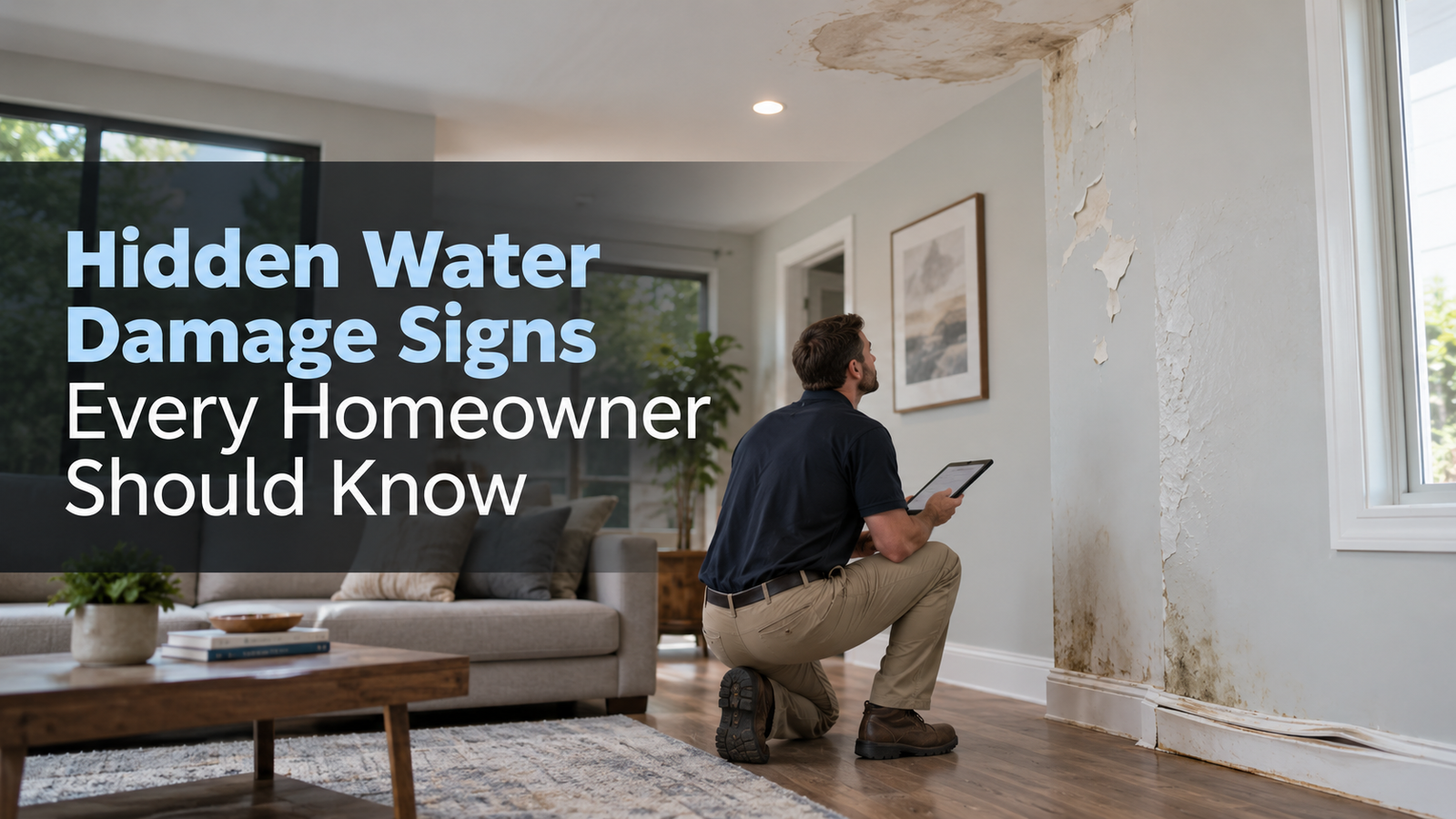
- Unexplained water stains or bubbling paint near ceilings or baseboards
- Musty smell from vents when the AC or heat turns on
Any one of these signs warrants professional moisture mapping and testing — not just “running a dehumidifier.”
What to Do When You Suspect Mold or Moisture Issues
- Do not ignore or try to paint over it Painting over mold only traps moisture and allows growth to continue behind the paint.
- Contact a professional restoration company immediately EPR provides 24/7 live answer and rapid response. Waiting even a few days can turn a small problem into a major remediation project.
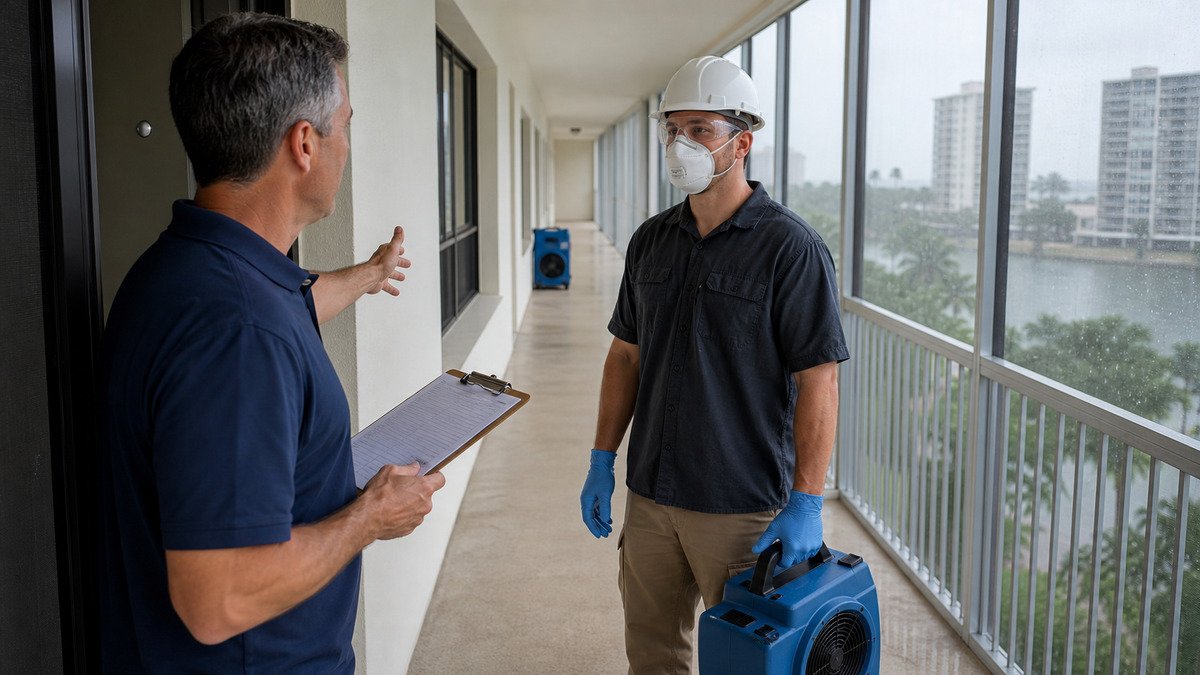
- Allow proper assessment and testing A qualified inspection includes moisture mapping, thermal imaging, air and surface sampling, and lab analysis — not just a visual walk-through.
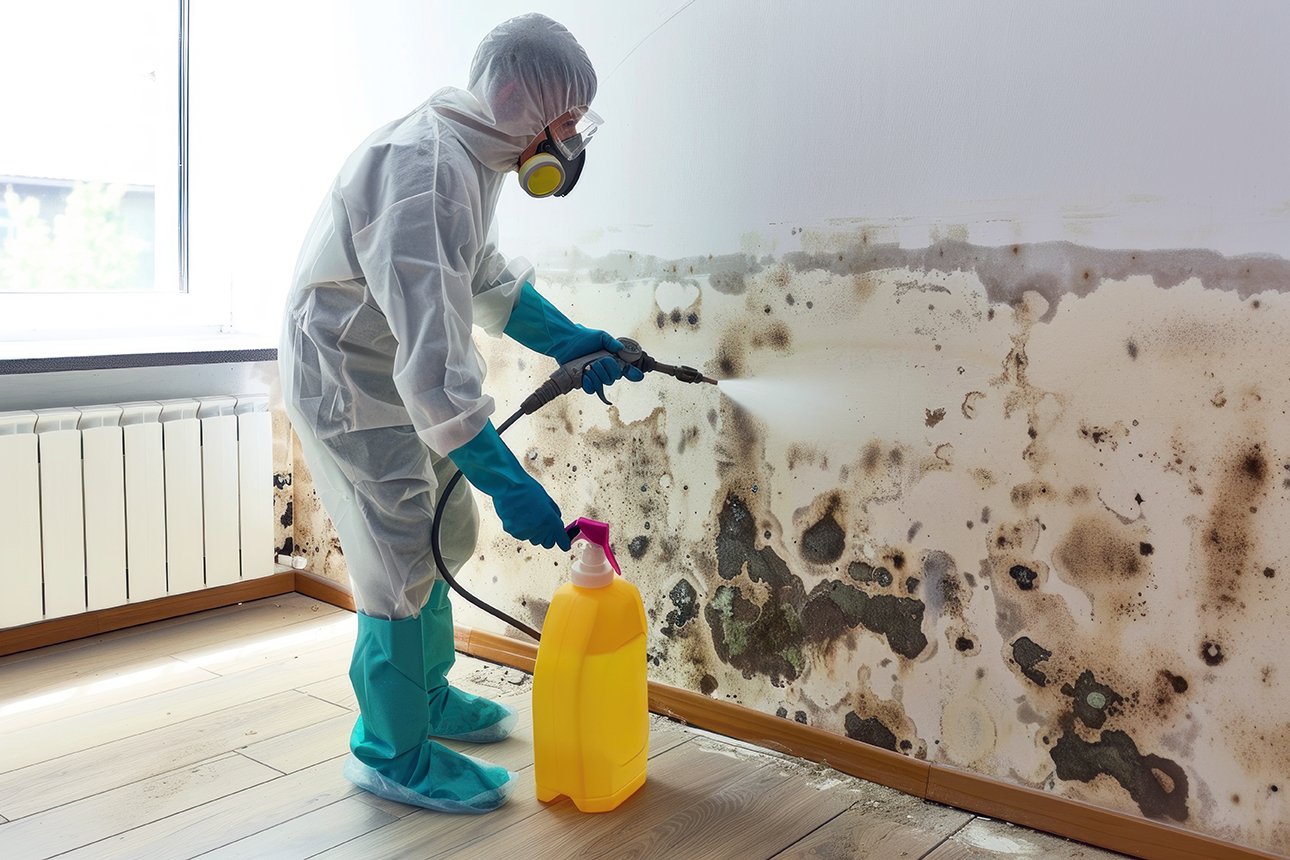
- Follow professional remediation protocols Proper remediation follows IICRC S520 standards: containment, source removal, cleaning, drying, and post-remediation verification.
- Address the moisture source permanently Fixing the leak or humidity problem is just as important as removing the mold. Without this step, mold will return.
How EPR Protects Florida Homes from Humidity-Driven Mold
- Thorough moisture source identification and correction
- Full containment and negative-air systems to prevent cross-contamination
- Safe removal of affected materials (drywall, insulation, carpet)
- Hospital-grade cleaning and antimicrobial treatment
- Professional drying with LGR dehumidifiers and air movers
- Independent third-party post-remediation clearance testing
- Detailed documentation for insurance claims and future resale
Our goal is not just to “treat the mold” but to return the home to a safe, dry, healthy condition that prevents recurrence.
Prevention Tips Every Florida Homeowner Should Follow
- Keep indoor relative humidity below 55% with properly sized dehumidifiers and AC
- Ensure good ventilation in bathrooms, kitchens, and laundry rooms
- Fix roof leaks, plumbing issues, and AC condensate problems immediately
- Use exhaust fans and run them for 20–30 minutes after showers
- Clean gutters and downspouts regularly
- Maintain proper grading so water flows away from the foundation
- Schedule annual professional mold and moisture inspections, especially in older homes or after any water event
Why South Florida Residents Trust EPR
- Florida Mold-Related Services license MRSR 3795
- IICRC Master Restorer and Mold Remediation Specialist certifications
- 24/7 live answer and rapid emergency response
- Direct insurance billing and documentation accepted by all major carriers
- 4.9-star average across hundreds of verified reviews on Facebook and other platforms
Don’t Let Florida Humidity Turn a Small Problem Into a Big One
Mold grows quickly and silently in our climate. Regular vigilance and prompt professional action are the best defenses.
If you notice any of the warning signs mentioned above — or simply want peace of mind — call EPR today.
Call +1 (754) 221-6945 or email info@eprllc.net for a free moisture assessment or 24/7 emergency response.
Visit EPR LLC or message us on Facebook for real case studies and prevention tips.
Your home should be a safe, healthy place — not a hidden mold factory. Let us help you keep it that way.