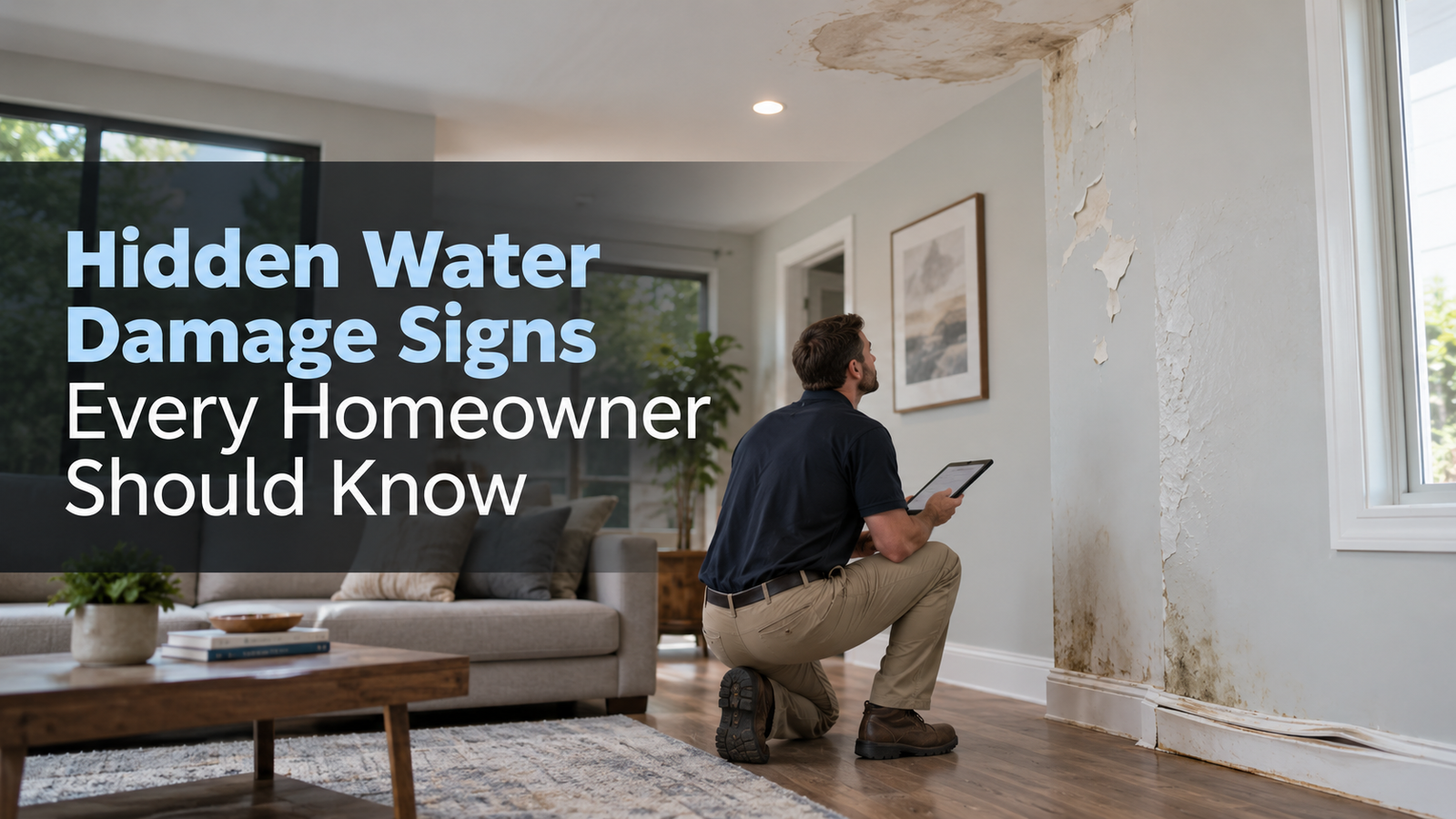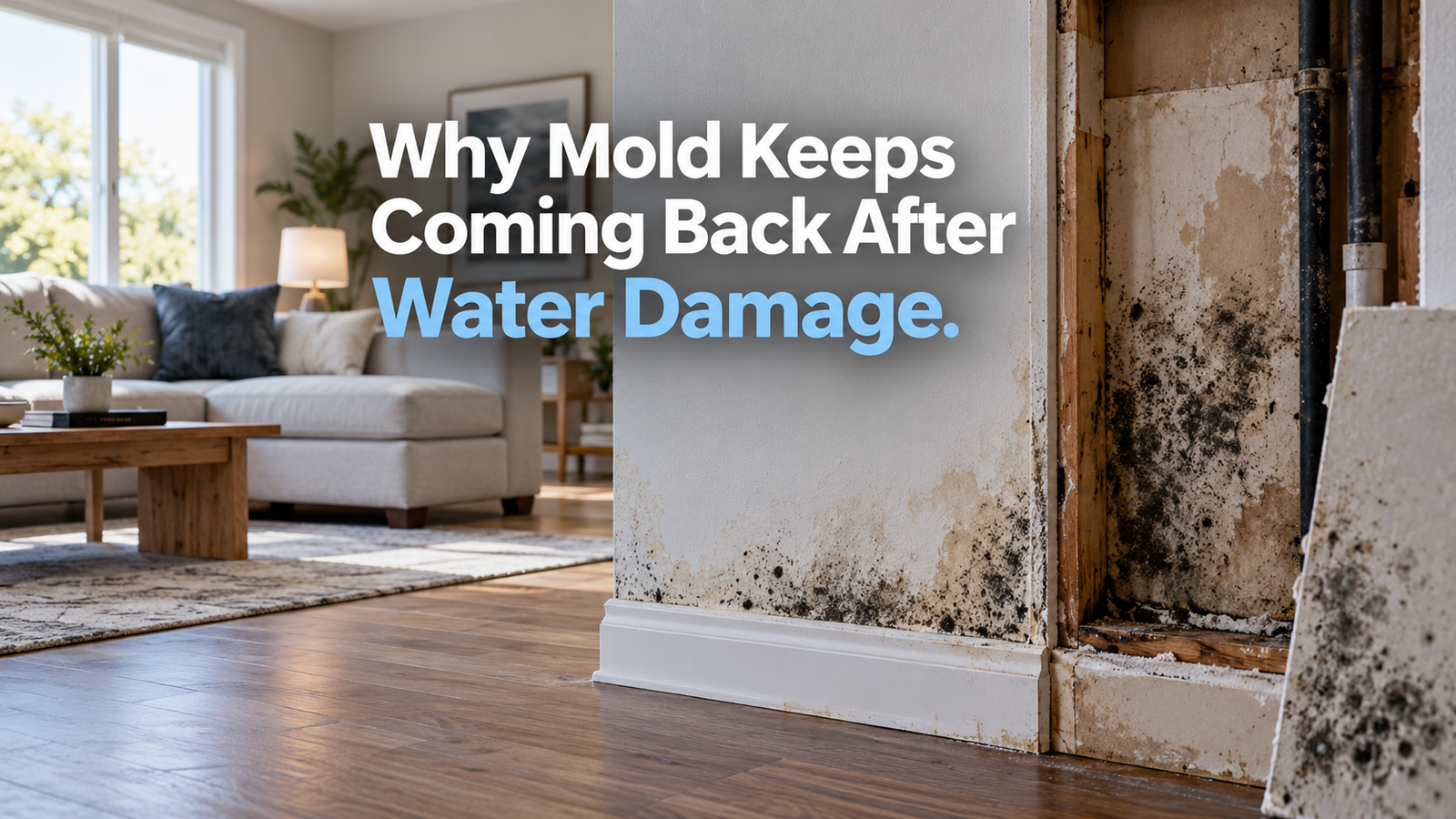
After water, fire, or mold damage in a South Florida home, the cleanup and restoration process can feel like the end of the nightmare. Contractors remove wet materials, dry the structure, clean soot, or remediate visible mold. But the job is not truly complete until independent post-remediation testing confirms that the property is safe for occupants.
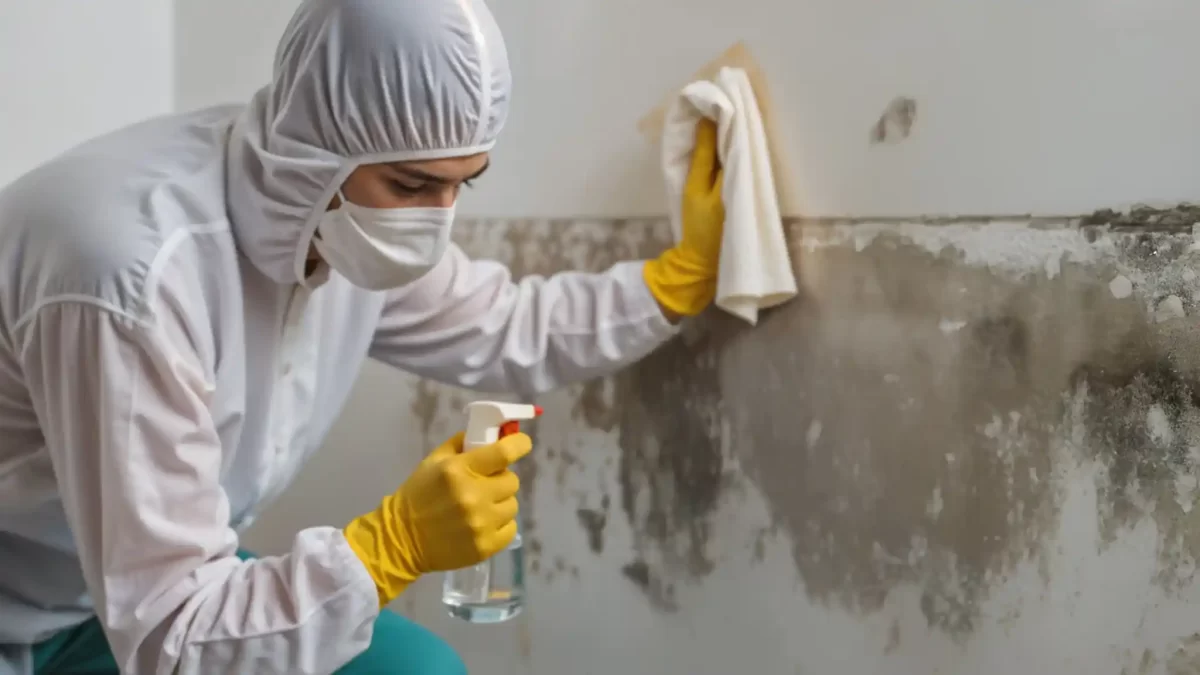
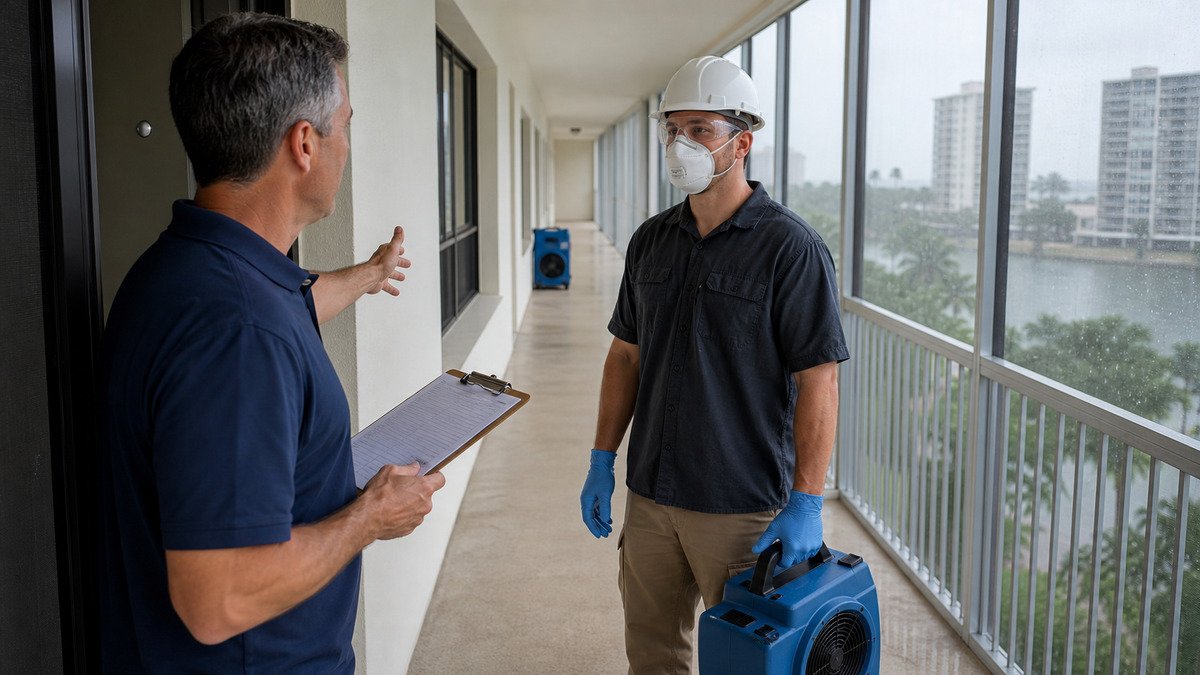
Skipping or rushing post-remediation verification is one of the most common and costly mistakes homeowners and even some contractors make. Hidden contaminants, elevated moisture levels, or residual microbial growth can remain, leading to recurring health issues, structural damage, insurance claim denials, and expensive re-work months later.
EPR (Environmental Pro Restoration) has performed more than 4,100 restoration projects in Broward, Palm Beach, and Miami-Dade counties since 2010. We insist on third-party post-remediation testing on every water, fire, and mold job because we have seen firsthand how proper clearance testing protects families, preserves property value, and prevents future problems. This article explains why post-remediation testing is non-negotiable, what it actually involves, and how it provides the peace of mind every homeowner deserves.
1. What Post-Remediation Testing Actually Verifies
Post-remediation testing (also called clearance testing or verification sampling) is an independent, scientific confirmation that the restoration work has returned the property to a safe, pre-loss condition.
Key parameters tested:
- Air Quality — Total spore counts (viable and non-viable) compared to outdoor baseline
- Surface Contamination — Swab or tape-lift samples from cleaned surfaces
- Moisture Levels — Relative humidity and moisture content in structural materials (<15% for wood, <75% RH for air)
- VOC & Particulate Levels — Especially important after smoke or chemical contamination
- pH & Chemical Residue — After fire or sewage events
Testing is performed by a third-party Certified Industrial Hygienist (CIH) or qualified indoor environmental professional — never by the remediation contractor themselves — to maintain objectivity.
2. Why Skipping Clearance Testing Is Extremely Risky in South Florida
Florida’s warm, humid climate turns small residual moisture problems into major mold outbreaks quickly. Even after visible mold is removed, microscopic spores and mycotoxins can remain airborne or on surfaces.
Real consequences we have seen when testing was skipped or inadequate:
- Families moved back in only to experience recurring sinus infections, asthma flare-ups, and fatigue within weeks
- Insurance carriers denied subsequent claims because no clearance documentation existed
- Hidden mold behind new drywall caused $35,000–$85,000 in secondary damage 6–18 months later
- Property value dropped when buyers discovered elevated spore counts during their own inspections
In one memorable Pompano Beach case, a homeowner hired a low-cost contractor who “cleaned” a sewage backup without proper containment or testing. Six months later the family developed chronic respiratory issues. Independent testing revealed widespread Stachybotrys and Aspergillus behind the new drywall. The total cost to correct the improper work exceeded $68,000.
3. The Professional Post-Remediation Testing Protocol We Follow
EPR never declares a job complete until an independent hygienist confirms clearance. Our standard protocol includes:
Air Sampling:
- Minimum 3 indoor samples + 1 outdoor control sample
- Laboratory analysis for total spore count and genus identification
- Clearance criteria: indoor counts ≤ outdoor baseline with no elevated pathogenic species
Surface Sampling:
- Swab or tape-lift from previously affected and cleaned surfaces
- Lab confirmation of no residual mold growth
Moisture Verification:
- All structural materials must read <15% moisture content
- Indoor relative humidity stabilized below 55–60%
Visual & Olfactory Inspection:
- No visible mold, staining, or musty odors
- All affected materials removed or properly treated
Documentation:
- Detailed lab reports with photos and diagrams
- Signed clearance certificate accepted by insurance carriers, HOAs, and real estate transactions
Only after all parameters pass do we issue our final clearance letter and release the property back to the homeowner.
4. How Clearance Testing Protects Your Health, Finances & Future
Health Protection Elevated mold or bacteria levels can cause or worsen:
- Allergic rhinitis and sinusitis
- Asthma exacerbations
- Hypersensitivity pneumonitis
- Neurological symptoms from certain mycotoxins
Clearance testing ensures spore counts return to normal outdoor baseline levels.
Financial Protection
- Insurance adjusters require clearance documentation before approving final payment
- Future claims are easier to process when a clean baseline exists
- Property value and resale are protected — buyers and appraisers increasingly request mold clearance reports
Legal Protection
- Landlords meet habitability requirements under Florida law
- HOAs avoid neighbor-to-neighbor disputes
- Sellers fulfill disclosure obligations without future lawsuits
5. Common Myths About Post-Remediation Testing
Myth 1: “If it looks clean, it’s clean.” Reality: Many molds and bacteria are microscopic. Visual inspection alone misses 70–80% of residual contamination.
Myth 2: “The remediation company can test their own work.” Reality: Independent third-party testing is the only way to maintain objectivity and satisfy insurance and legal standards.
Myth 3: “Air testing is too expensive.” Reality: A full clearance package usually costs $450–$950 — a tiny fraction of the potential rework or health costs if problems are missed.
Myth 4: “One air sample is enough.” Reality: Multiple indoor samples plus an outdoor control are required for statistically valid comparison.
6. When Post-Remediation Testing Is Absolutely Required
Always perform clearance testing after:
- Any water damage involving Category 2 or 3 water (gray or black water)
- Any visible mold growth larger than 10 sq ft
- Any fire or smoke damage (especially protein or synthetic fires)
- Any sewage backup or flood event
- Any project involving demolition of drywall, insulation, or flooring
In South Florida’s climate, we recommend clearance testing even after Category 1 clean-water events if drying took longer than 48 hours.
Why Florida Homeowners and Property Managers Trust EPR
- Florida Mold-Related Services license MRSR 3795
- IICRC-certified technicians and project managers
- Third-party industrial hygienist partnerships for objective clearance
- 24/7 live answer and rapid response
- Direct insurance billing and documentation accepted by all major carriers
- 4.9-star average across hundreds of verified reviews
Don’t Consider the Job Finished Until It’s Verified
Proper remediation without independent post-remediation testing is like performing surgery without confirming the patient is healed. EPR never releases a property until third-party testing confirms it is safe.
Call +1 (754) 221-6945 or email info@eprllc.net for 24/7 emergency response or to schedule post-remediation verification testing.
Visit EPR LLC or message us on Facebook for real case studies and clearance reports.
Your family’s health and your property’s value deserve the certainty that only professional post-remediation testing can provide.