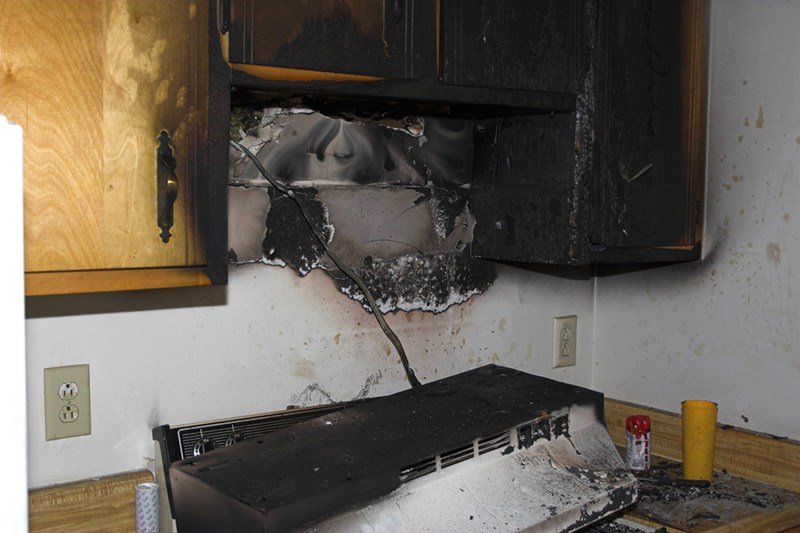
Even when flames never reach certain rooms, smoke can travel through HVAC systems, seep into wall cavities, and penetrate porous materials leaving behind acidic soot, oily residues, and strong odors that continue to damage property and affect indoor air quality long after the fire is extinguished (Smoke Damage Restoration). In South Florida’s high-humidity environment, untreated smoke residue can accelerate corrosion on metal surfaces, promote mold growth on organic materials, and cause permanent discoloration or etching on finishes within weeks.
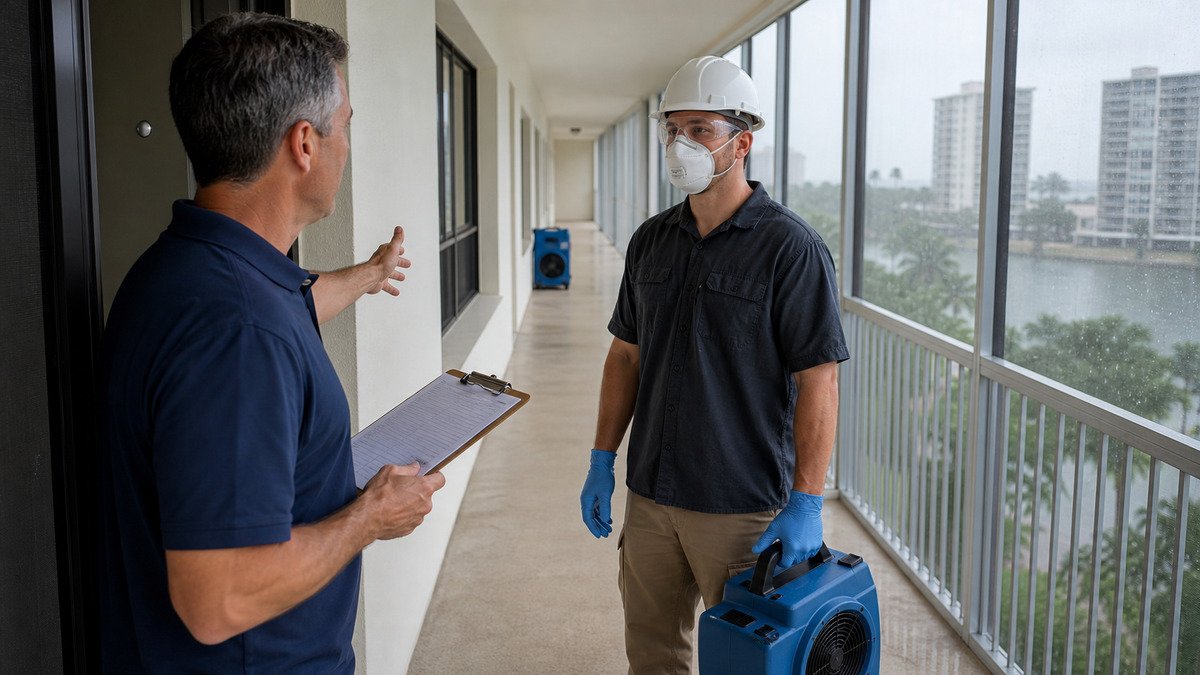
EPR (Environmental Pro Restoration) has managed smoke and soot damage on hundreds of residential and commercial properties in Broward, Palm Beach, and Miami-Dade counties. We follow IICRC S540 (Fire and Smoke Damage Restoration) and EPA guidelines, using specialized equipment and cleaning agents that most general contractors do not have access to. This article explains the step-by-step professional process used to safely and effectively remove smoke residue — and why attempting DIY methods or delaying service almost always leads to higher costs and incomplete results.
1. Immediate Safety & Emergency Containment (First 24–48 Hours)
Smoke particles are extremely small (0.1–4 microns) and continue to settle and spread via air currents even after the fire is out.
First actions taken by EPR crews:
- Full containment of affected areas using 6-mil fire-rated polyethylene and negative-air machines (4–6 air changes per hour)
- HEPA air scrubbing throughout the structure to capture airborne soot and particulates
- HVAC system isolation (taping registers or shutting down air handler) to prevent further distribution
- Thermal imaging (FLIR) to locate hidden hot spots or residual moisture from firefighting water
Goal: Stop additional soot migration and cross-contamination before cleanup begins.
2. Comprehensive Soot & Residue Assessment
Not all smoke damage looks the same — the cleaning method depends on the type of fire and fuel source.
Common smoke/soot types we identify:
- Wet smoke (plastics, rubber, synthetics) → sticky, smeary, pungent
- Dry smoke (wood, paper, natural materials) → powdery, easier to vacuum
- Protein smoke (food, cooking fires) → nearly invisible but very strong odor
- Fuel-oil smoke (furnace puff-back) → heavy, oily residue
Assessment tools used:
- Boroscope inspection inside walls, ducts, and voids
- Soot wipe sampling & lab analysis (when insurance requires documentation)
- Odor mapping with trained olfactory evaluation
- Surface pH testing (acidic soot etches many finishes)
This determines whether dry methods, wet cleaning, or specialized media blasting will be most effective.
3. Dry Smoke & Soot Removal (Vacuuming & HEPA Filtration)
For dry soot and particulate:
- HEPA-filtered vacuuming (99.97% efficiency at 0.3 microns) using commercial-grade units
- Dry-ice blasting on non-porous surfaces (engineered plastics, metal, glass) — sublimates on contact, no secondary waste
- Soda blasting or walnut-shell media on wood beams, brick, or stone (gentle abrasion without water)
- Specialized soot sponges (chemical sponges) for delicate surfaces — lifts soot without smearing
All waste is double-bagged and disposed of as construction debris or hazardous material when required.
4. Wet Smoke & Protein Residue Cleaning
Wet smoke and protein fires leave oily, acidic films that bond tightly to surfaces.
Professional techniques:
- High-pH cleaners followed by neutralization (prevents etching on metals & stone)
- Hydroxyl generators or ozone (controlled use in unoccupied areas) for odor neutralization
- Thermal fogging with deodorant agents (after cleaning, not instead of)
- HEPA air scrubbing + hydroxyl radical generation for 48–96 hours post-cleaning
We never rely solely on ozone or fogging — they mask odors without removing the source.
5. Contents & Soft-Goods Restoration
Smoke penetrates upholstery, clothing, drapes, books, electronics, and personal items.
Restoration methods we use:
- Ultrasonic cleaning for hard goods & small electronics
- Ozone & hydroxyl chambers for soft contents (furniture, clothing, linens)
- Esporta wash system for water-safe fabrics
- Specialized dry-cleaning for delicate or non-washable items
- Document & photo restoration partners for irreplaceable items
Many insurance policies cover contents pack-out & restoration — we coordinate directly with adjusters.
6. HVAC System Cleaning & Decontamination
Smoke travels through ductwork — contaminating the entire air-distribution system.
Standard protocol:
- Negative-air containment on HVAC unit
- Agitation & HEPA vacuuming of all duct runs
- Sanitization with EPA-registered fogging agents
- Replacement of filters & any contaminated insulation
This step is critical uncleaned HVAC systems continue to spread soot and odors for months. (Smoke Damage Restoration)
7. Final Clearance Testing & Odor Elimination Verification
Before declaring the job complete:
- Post-remediation air sampling (non-viable particulate & VOC levels)
- Surface wipe sampling for residual soot/acids
- Odor inspection by trained technician
- Clearance certificate issued (accepted by insurance adjusters)
Only after clearance do we allow occupants to return and HVAC to run normally.
Why West Palm Beach & South Florida Homeowners Trust EPR for Smoke Restoration
- Florida-licensed Mold-Related Services (MRSR 3795)
- IICRC Fire & Smoke Restoration Technician certifications on staff
- 24/7 live answer & 60-minute dispatch guarantee (Broward/Palm Beach)
- Direct insurance billing & detailed documentation for claims
- 4.9-star average across hundreds of verified reviews
Don’t Wait — Smoke Damage Gets Worse Every Day
Smoke residue is acidic and continues to etch surfaces, corrode metals, and degrade air quality until properly removed. Delaying professional cleaning can turn a manageable insurance claim into a major structural and health issue.
Call +1 (754) 221-6945 or email info@eprllc.net for 24/7 emergency response — we answer live, every day of the year.
Visit EPR LLC or message us on Facebook for real smoke-damage recovery examples.
The faster the response, the lower the cost and the better the outcome. Let EPR protect your home and your health after fire or smoke damage.
Frequently Asked Questions
What types of smoke residues are there and how do they affect restoration?
Smoke residues vary by fire type: wet smoke is sticky and pungent, dry smoke is powdery, protein smoke is odor-strong but nearly invisible, and fuel-oil smoke is oily. Each requires different cleaning methods to effectively remove damage and odors.
Why is immediate containment important after a fire?
Immediate containment stops soot migration and cross-contamination by isolating affected areas, using negative air machines and HEPA filtration to capture airborne particles, preventing further damage and health hazards.
How does Edwards Property Remediation clean HVAC systems after smoke damage?
They isolate the HVAC unit, perform agitation and HEPA vacuuming of ducts, sanitize with EPA-registered fogging agents, and replace filters and insulation to prevent soot and odors from spreading.
Can smoke damage be effectively treated with DIY methods?
DIY methods often lead to incomplete cleaning and higher costs later. Professional restoration uses specialized equipment and follows strict protocols to fully remove residues and odors, ensuring safety and preventing further damage.
What certifications and standards does Edwards Property Remediation follow?
EPR follows IICRC S540 Fire and Smoke Damage Restoration standards, EPA guidelines, and employs certified technicians, ensuring high-quality, safe, and effective smoke damage restoration services.