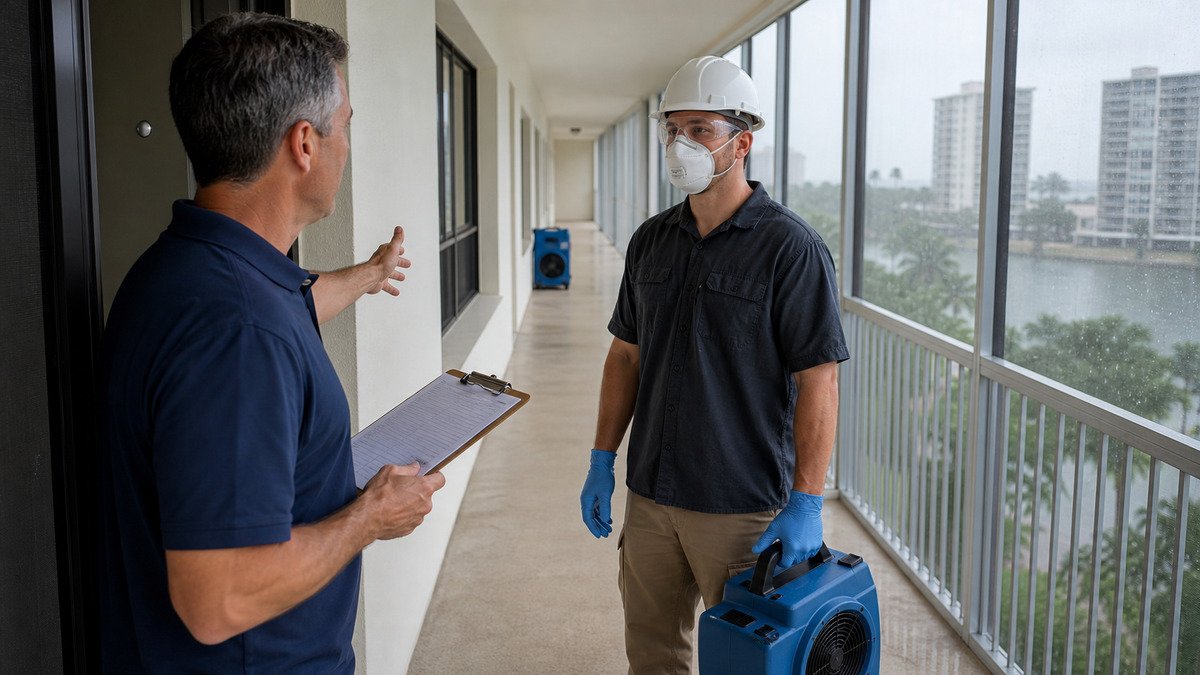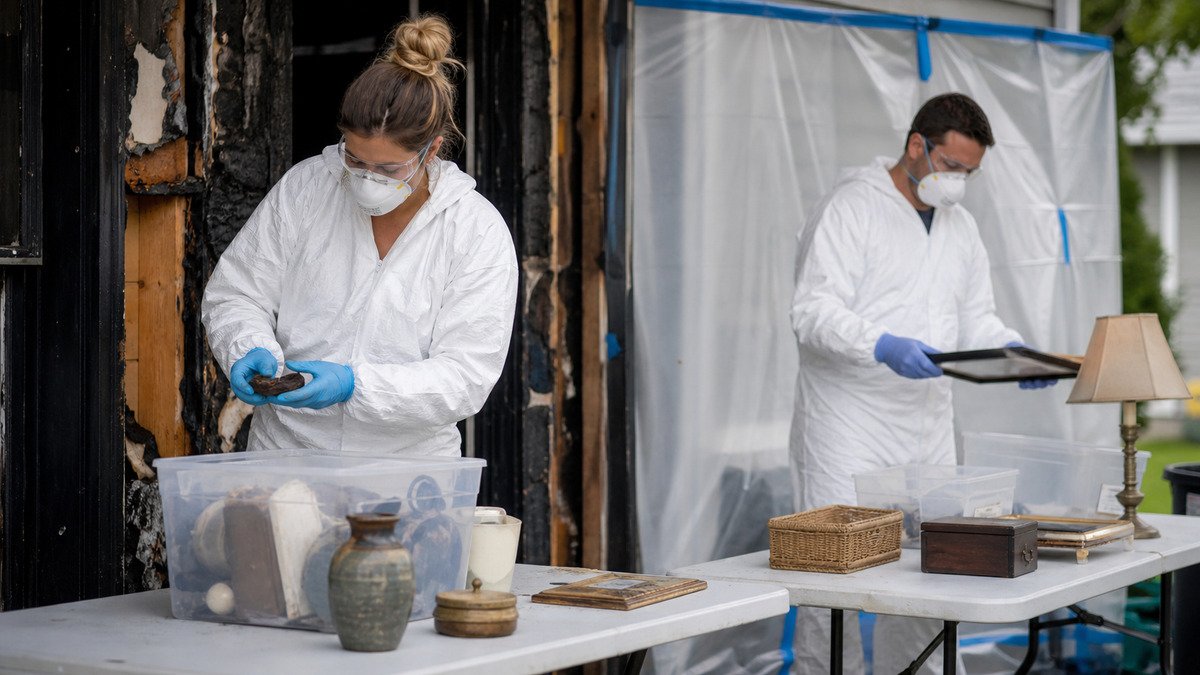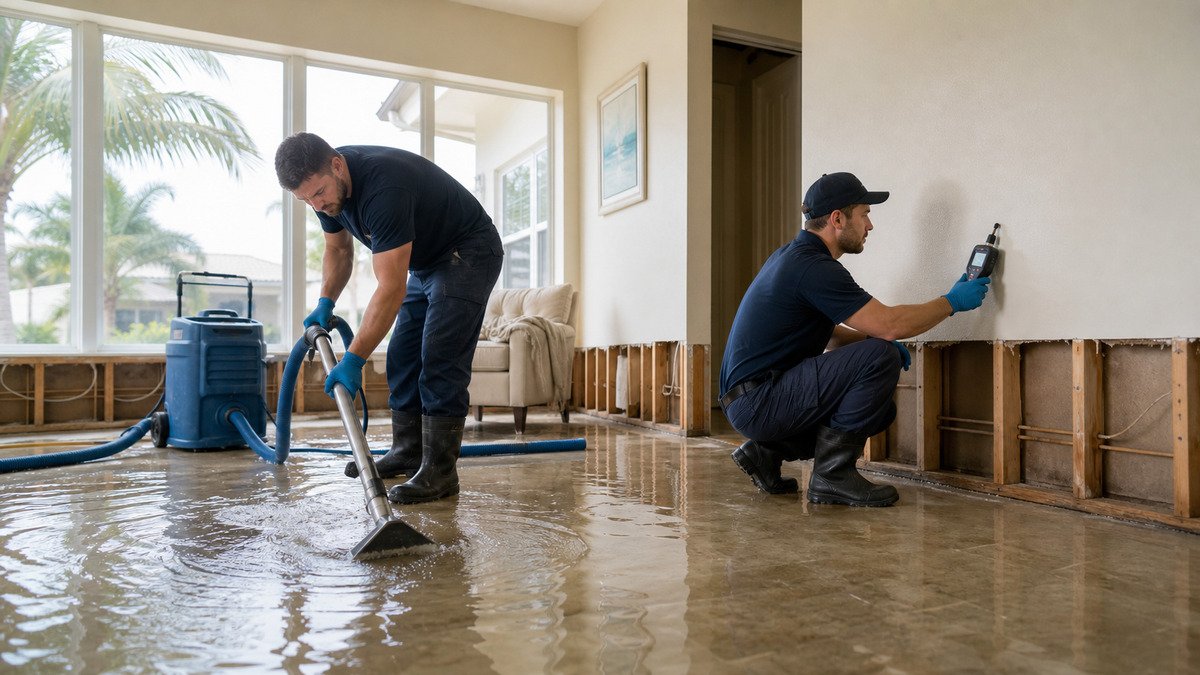
When Structures are allowed to remain wet for extended periods of time, microbial growth begins nature’s recycling process. Microorganisms begin to feed on the organic materials in the structure, breaking them down into simpler compounds.
As this occurs, the levels of mycotoxins, endotoxins, exotoxins, volatile organic compounds and organic debris begin to escalate. At the same time, structural components begin to lose integrity and visible damage occurs in the form of staining.
Plain Water has no odor. When odors are present, this means that water has contacted a material or organism that can release volatile compounds.
These volatile compounds are readily released into the air and detected as odors. Stong musty lor bitter odors are the clearest indication of microbial contamination and signal the need for further inspection to find the source.
The best way to prevent odors and retard microbial growth in a wet structure is to ensure that all materials are dried thoroughly and rapidly. No other procedure is as effective in the prevention of microbial growth.
Frequently Asked Questions
What causes odors in wet structures?
Odors in wet structures occur when water contacts materials or organisms that release volatile compounds. These compounds emit musty or bitter smells, indicating microbial contamination.
Why is rapid drying important in wet buildings?
Rapid drying prevents microbial growth by removing moisture quickly, stopping mold and toxin production, and preserving the structural integrity of building materials.
What are the risks of microbial growth in wet structures?
Microbial growth can produce mycotoxins, endotoxins, and volatile organic compounds that harm indoor air quality and cause staining and deterioration of structural components.
How can microbial contamination be detected?
Strong musty or bitter odors are clear signs of microbial contamination, signaling the need for professional inspection to locate and remediate the source.